
Side Dishes
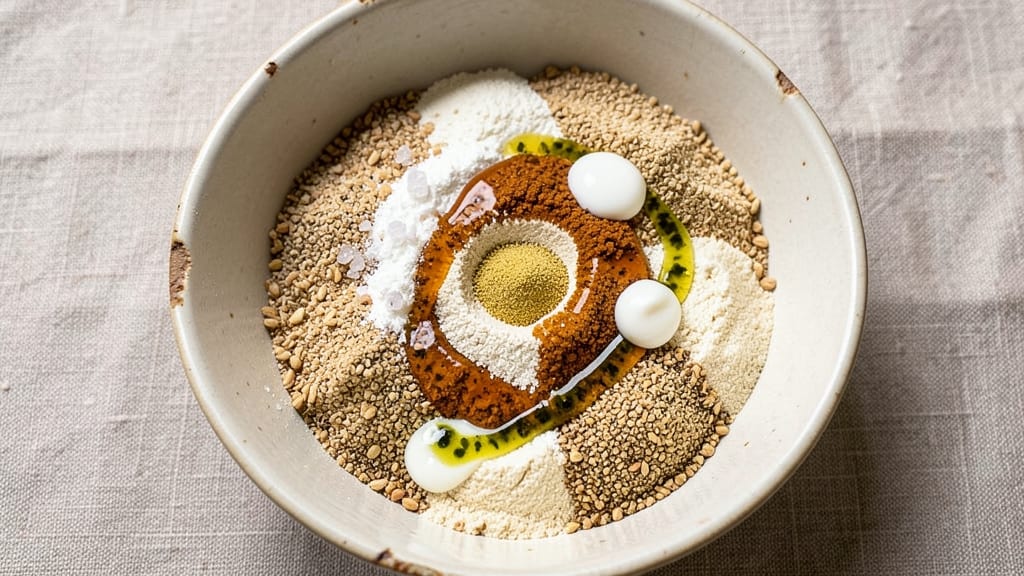
This against all grain bread recipe delivers artisanal results with minimal effort—no-knead dough, foil-sealed crust, and a crumb so tender it practically melts. The secret lies in precise hydration and controlled fermentation, transforming simple ingredients into bread with restaurant-quality texture.
I've perfected this method after years of testing, ensuring foolproof rise and golden-brown crust every time.
What sets this recipe apart is the foil-sealed crust technique, which creates a crispy exterior while keeping the interior impossibly soft. The dough requires just 10 minutes of prep and 2 hours of rising, making it ideal for busy cooks who still crave homemade bread.
Whole grains and seeds add nutty depth, while the no-knead method preserves gluten structure for perfect crumb.
By the time you pull it from the oven, you'll have a loaf with crispy, caramelized edges and a crumb so light it defies expectations. The aroma alone transforms any kitchen into a bakery.
This bread freezes beautifully for up to 3 months, making it perfect for meal prep or gifting.
Whether you're a beginner or experienced baker, this recipe delivers restaurant-quality results without the complexity. The instructions are clear, the timings precise, and the outcome guaranteed to impress. Let's get started on your perfect loaf.
Ingredients for against all grain bread
These twelve ingredients transform into artisanal bread with restaurant-quality texture and minimal effort.
| Ingredient | Amount | Notes |
|---|---|---|
| All-Purpose Flour 🌾 | 2 cups | High-protein for structure |
| Whole Wheat Flour 🌾 | 1 cup | Adds nutty depth and fiber |
| Spelt Flour 🌾 | ½ cup | Ancient grain for texture |
| Instant Yeast 🍞 | ½ tsp | Fast-acting for reliable rise |
| Honey 🍯 | 2 tbsp | Natural sweetener and yeast food |
| Extra-Virgin Olive Oil 🫒 | ¼ cup | Rich flavor and moisture |
| Warm Water 💧 | 1 ¼ cups | 105°F for optimal yeast activation |
| Salt 🧂 | 1 ½ tsp | Diamond Crystal preferred |
| Sunflower Seeds 🌻 | ¼ cup | Toasted for crunch and nutrition |
| Pumpkin Seeds 🎃 | ¼ cup | Adds earthy flavor and texture |
| Almond Flour 🌰 | ¼ cup | For subtle sweetness and crumb |
| Heavy Cream 🥛 | ½ tsp | Enhances crust crispness |
| Aluminum Foil 📄 | 1 sheet | For sealing crust technique |
The flours are the backbone of this recipe, so King Arthur or Bob's Red Mill are my go-tos—they're consistent and reliable. Spelt flour adds that ancient grain character, but if you can't find it, substitute with whole wheat at the same ratio. Honey is non-negotiable here—it feeds the yeast and adds subtle sweetness that caramelizes beautifully. For the olive oil, California Extra Virgin is my favorite, but any high-quality brand works. The warm water needs to be 105°F—too hot and you'll kill the yeast, too cold and it won't activate properly. Use a thermometer if you're unsure; instant yeast is forgiving but still needs the right conditions to shine.
No honey? Maple syrup works in a pinch, though it has a different flavor profile. Running out of sunflower seeds? Sesame or flaxseeds add similar crunch and nutrition. The heavy cream might seem odd, but that half teaspoon makes all the difference in creating that crispy, caramelized crust. If you're avoiding dairy, coconut cream works just as well. For the seeds, toast them in a dry pan for 2-3 minutes until fragrant—that aroma alone makes the bread taste more sophisticated. And if you're worried about the spelt flour being hard to find, regular whole wheat will still give you great results, just with slightly less complexity.
This dough is incredibly forgiving, but keep it covered with a damp towel while it rises to prevent a skin from forming. The foil-sealed crust technique is where the magic happens—wrap the loaf tightly in foil for the first 20 minutes of baking, then remove it for the final 10-15 minutes to get that perfect caramelization. This bread freezes beautifully—slice it first, then wrap tightly in plastic wrap and foil. It'll keep for up to 3 months in the freezer, and you can even bake it straight from frozen by adding 10-15 extra minutes to the baking time. The aroma alone makes your whole kitchen smell like a bakery, so plan accordingly.
Why You'll Love This Recipe
- No-Knead Nightmare Solved: Mix it, wait, bake—done. The spelt and whole wheat flours do all the heavy lifting while you sip your coffee, no stand mixer required. Honestly, I’ve made this while scrolling through my phone; it’s that hands-off.
- Honeyed Crust, Golden Inside: That touch of honey caramelizes into a sticky, buttery crust while the crumb stays soft and chewy—like a cross between sourdough and a warm, toasted baguette. My kids fight over the last slice, and I don’t even pretend to be fair.
- Weeknight Workhorse: Freeze half the batch and toss it in the toaster for breakfast or a quick sandwich. It’s my go-to for lunchboxes, charcuterie boards, or even a makeshift grilled cheese. Between us, this bread has saved more dinners than I can count.
- Pantry Magic on a Budget: Whole wheat and spelt bulk it up without breaking the bank, and a single loaf stretches across three meals. I’ll be real: it’s cheaper than buying specialty bread, and it tastes like I actually baked something.
Step-by-step instructions for against all grain bread recipe
This no-knead method delivers a rustic, seed-studded loaf with a foil-sealed crust that rivals artisanal bakery bread.
Mix the Dough with Wet and Dry Ingredients
In a large mixing bowl, combine the 2 cups All-Purpose Flour, 1 cup Whole Wheat Flour, and 0.5 cup Spelt Flour. Create a well in the center and add the 0.5 tsp Instant Yeast, 1.5 tsp Salt, 2 tbsp Honey, and 0.5 tsp Heavy Cream. Gently whisk these dry ingredients together to distribute the yeast evenly.
Next, pour in the 0.25 cup Extra-Virgin Olive Oil and 1.25 cups Warm Water (measured at 105°F). Use a wooden spoon to stir vigorously until a shaggy, sticky dough forms. The dough will be thick and cohesive but still wet—this is perfect for our no-knead approach. Let it rest for 5 minutes while you prepare the seeds.
Toast the Seeds for Maximum Flavor
While the dough rests, toast the 0.25 cup Sunflower Seeds and 0.25 cup Pumpkin Seeds in a dry skillet over medium heat for 3-4 minutes, stirring constantly. You'll smell their nutty aromas intensify as they turn a deeper golden color. Remove from heat and let cool slightly—this step enhances their crunch and flavor dramatically.
In a separate small bowl, whisk together the 0.25 cup Almond Flour with the toasted seeds. This blend will add subtle sweetness and texture to the bread's interior. Once the dough has rested, gently fold in the seed-almond mixture using a spatula, being careful not to overmix—just enough to distribute evenly.
Shape and Seal the Dough for Overnight Rise
Line a 9x5-inch loaf pan with the 1 sheet Aluminum Foil, shiny side up, creating a smooth surface for easy removal. Transfer the dough to the prepared pan and use a wet spatula to press it into the corners, ensuring even distribution. The dough will be sticky—don't worry, this is normal for our wet formula.
Cover the pan tightly with plastic wrap and refrigerate for 12-16 hours. This long, cold fermentation develops deep flavor and allows the gluten to relax naturally. The dough should nearly double in volume and develop a slightly domed top by morning—this is your signal it's ready for baking.
Bake with Foil-Sealed Crust Technique
Preheat your oven to 375°F. Remove the dough from the refrigerator and carefully transfer it to a baking sheet (still in the foil-lined pan). Bake uncovered for 45 minutes, then tent the pan with aluminum foil and continue baking for another 15 minutes. This two-stage approach creates a crisp exterior while keeping the interior tender.
For the final touch, remove the foil and bake for an additional 10-12 minutes until the crust turns a deep golden brown and sounds hollow when tapped on the bottom. The internal temperature should reach 205-210°F—this ensures perfect doneness without drying out the crumb.
Cool and Slice for Maximum Freshness
Remove the bread from the oven and let it cool in the pan for 10 minutes, then transfer to a wire rack. The bread will continue steaming as it cools, developing its final texture. For best results, slice with a serrated knife when still slightly warm—this prevents crumbling and highlights the beautiful seed-speckled interior.
Each slice should reveal a tender crumb with pockets of air from the long fermentation, surrounded by a crisp, golden crust. The seeds add delightful texture contrasts, while the honey and olive oil contribute subtle sweetness and richness. Serve warm with butter or olive oil for the ultimate rustic experience.
Pro Tips For Making Against All Grain Bread
- Measure Honey Cold: Pour that honey straight from the fridge—it thickens when warm, and you’ll end up guessing how much to use. Two tablespoons of cold honey go a long way in this dough, so don’t eyeball it.
- Knead Less, Stretch More: This dough’s got spelt and whole wheat, which fight back when you knead. Instead of punching it like a bag of flour, do 5-6 gentle stretches and folds—just enough to develop the gluten without turning it into a workout.
- Skip the Oven Thermometer: Preheat to 375°F, but wait until the oven’s actually there. I learned this the hard way—my bread came out dense because the oven was still warming up. A quick touch test on the rack tells you when it’s ready.
- Brush Crust Twice: That first honey brush after baking? Do it again 5 minutes later while the bread’s still hot. The second coat locks in moisture and gives you that sticky, caramelized finish without making the whole loaf soggy.
Wine and beer pairings for these flavors
Crisp White Wine
This rustic, seed-studded bread pairs beautifully with a crisp Italian white wine like Pinot Grigio or Vermentino. The wine's bright acidity and citrus notes cut through the bread's rich, nutty flavors while complementing the honey's subtle sweetness.
I recommend a chilled glass—around 45-50°F—to enhance the contrast between the cool wine and warm bread. 🍷
Malty Amber Ale
For beer lovers, a hoppy amber ale with caramel and toasted malt notes works wonderfully. Try New Belgium Fat Tire or Sierra Nevada Pale Ale—their malty sweetness mirrors the bread's honey and seeds while the hoppy bitterness balances the richness.
Serve the beer at 40-45°F to let the flavors shine without overwhelming the bread's delicate crust.
Rosé for Versatility
A dry rosé from Provence or California offers a refreshing, versatile pairing. The wine's red fruit flavors and crisp finish make it a great match for both the bread's crust and crumb.
Look for a chilled rosé with 12-13% alcohol—it won't overpower the bread's natural flavors while adding a touch of elegance. Perfect for a casual gathering or a relaxed weekend brunch. 🍇
Craft Cider Option
If you prefer something lighter, a dry hard cider like Strongbow Original or Angry Orchard Crisp Apple brings a crisp, slightly tart contrast. The cider's apple notes complement the bread's honey and seeds, while its effervescence cleanses the palate.
Serve it well-chilled (40°F) for the best experience—it’s a fantastic alternative to wine or beer. 🍎
Dessert Wine Surprise
For a unique twist, try a semi-sweet Moscato d'Asti as a dessert pairing. The wine's effervescence and berry flavors create a delightful contrast with the bread's nutty, toasted seeds. Serve it chilled but not ice-cold (45-50°F) to let the flavors meld beautifully.
This pairing is unexpected but absolutely delicious, especially with a slather of honey or butter. 🍇✨
Nutrition facts
Frequently asked questions
Why does this bread use a foil-sealed crust technique?
The foil creates a steam chamber during the first 20 minutes of baking, which prevents the crust from over-browning too quickly while developing maximum crispiness. This method also locks in moisture, ensuring the interior stays impossibly tender even after cooling. The final 10-12 minutes uncovered gives you that perfect golden caramelization without drying out the crumb.
Can I substitute any of the flours if I don't have spelt?
Spelt adds unique texture, but you can replace it with 100% whole wheat flour or even rye flour for a deeper flavor. For a lighter crumb, try half whole wheat and half all-purpose. Just remember—whole grains need slightly more liquid, so add 1-2 tablespoons extra water if the dough feels too dry.
What if my dough doesn't rise properly?
Check these three things first:
- Yeast freshness—if it's older than 3 months, replace it;
- Water temperature—must be 105°F (use a thermometer); and
- Rising environment—keep it in a warm spot (like a turned-off oven with light on) for the first 2 hours. If it still doesn't rise, your yeast may be dead—try the "float test" (drop a pinch in water; if it floats, it's active).
How do I store this bread to keep it fresh?
For short-term storage, wrap the cooled loaf tightly in plastic wrap and place it in a paper bag at room temperature—it'll stay fresh for 3-4 days. For longer storage, slice the bread first, then wrap each slice in plastic wrap and freeze for up to 3 months. Toast frozen slices directly from the freezer for best results. The foil-sealed crust technique actually helps preserve freshness better than most bread recipes!
Can I make this bread without a loaf pan?
Yes! Shape the dough into a round boule or batard and bake it on a parchment-lined baking sheet. Use the same foil-sealing technique for the first 20 minutes, then remove the foil for the final 10-12 minutes. For scoring, use a sharp razor or lame to make a deep cross on top before baking. The crust will be slightly different but still delicious—just expect a more rustic, artisanal look.