
Side Dishes
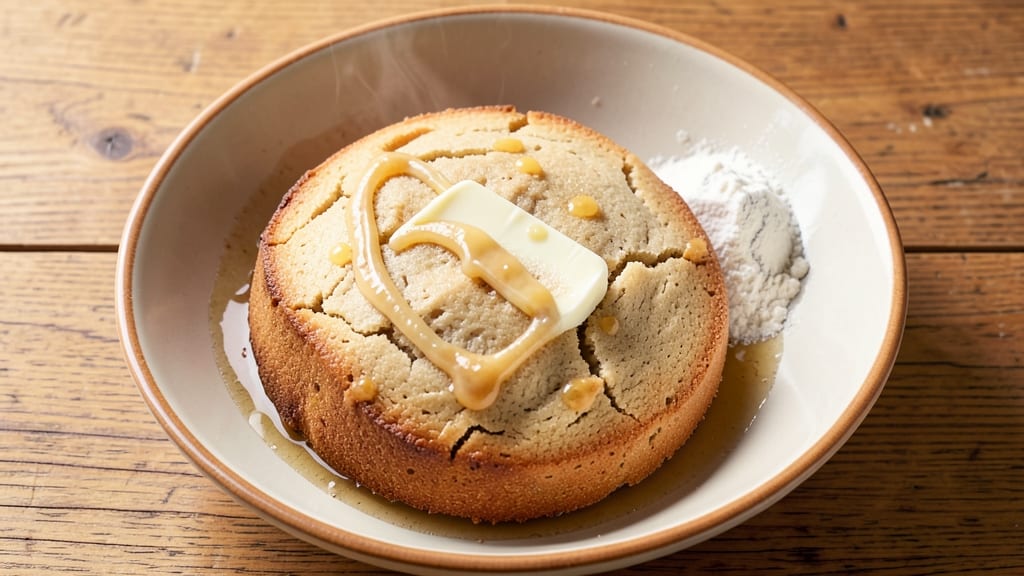
African rice bread transforms simple ingredients into a fragrant, spice-laced loaf with a crispy crust that crackles with every bite. This recipe captures the essence of West African baking traditions, where rice flour creates a tender crumb while warming spices like ginger and nutmeg infuse each slice with depth. I developed it after years of perfecting the balance between moist interior and golden, shatteringly crispy exterior—no more dry or gummy loaves.
The secret lies in the rice flour blend, which absorbs moisture differently than wheat flour, creating that signature African texture. You'll work with a dough that's slightly sticky but firm enough to shape into a round loaf, then bake until the crust turns a deep golden brown.
The aroma alone—warm spices mingling with toasted rice—will have everyone gathering around the table before the timer even goes off.
What makes this recipe special is its versatility. Serve it alongside stews for dipping, as a hearty snack with tea, or even lightly toasted for breakfast.
The crispy crust stays crunchy for hours, while the interior remains soft and fragrant. Each batch yields about 12 slices, perfect for sharing or meal prepping.
For those new to African baking, don't be intimidated by the spices—this recipe includes exact measurements to ensure perfect balance. The dough requires a short resting period, which develops flavor and makes shaping easier.
Trust the process, and you'll have a loaf that rivals bakery versions, with that authentic African touch.
Ingredients for african rice bread
Twelve simple ingredients create a fragrant loaf with signature African texture and crispy crust.
| Ingredient | Amount | Notes |
|---|---|---|
| Rice Flour 🌾 | 3 cups | Fine grind, not instant |
| All-Purpose Flour 🌾 | 1 cup | For structure and rise |
| Granulated Sugar 🍚 | ¼ cup | Balances sweetness |
| Active Dry Yeast 🍞 | 2 ¼ tsp | Or 1 packet (instant) |
| Warm Water 💧 | 1 ¼ cups | 110°F for yeast activation |
| Unsalted Butter 🧈 | ½ cup | Cold, cubed for texture |
| Large Eggs 🥚 | 2 whole | Room temperature |
| Milk 🥛 | ½ cup | Whole milk preferred |
| Ground Ginger 🌿 | 1 ½ tsp | Freshly ground for warmth |
| Ground Nutmeg 🌿 | ½ tsp | Freshly grated preferred |
| Ground Cinnamon 🌶️ | 1 tsp | Warm, aromatic variety |
| Salt 🧂 | 1 tsp | Kosher or sea salt |
| Vegetable Oil 🫒 | 1 tbsp | For greasing loaf pan |
The rice flour is non-negotiable—Bob's Red Mill or Anthony's Goods are my go-tos for consistent results. Look for fine-ground rice flour, not instant or pre-cooked varieties. The butter should be cold and cubed; don't melt it first. For the spices, Penzeys or bulk bins at specialty stores ensure freshness. Freshly ground ginger and nutmeg make all the difference, but if you're using pre-ground, use one-third more to compensate for lost potency. The yeast should be fresh—test it by dissolving in warm water with a pinch of sugar first.
No rice flour? Substitute with a 1:1 blend of all-purpose flour and cornstarch, though texture will differ slightly. Out of whole milk? Almond milk or oat milk work, but the loaf may be slightly denser. For the spices, cinnamon can be swapped with pumpkin pie spice at the same ratio. If you're short on butter, coconut oil works in a pinch, though it adds a subtle coconut flavor. The dough will be sticky—don't fight it. Wet your hands or use a silicone scraper to handle it. For a lighter crumb, let the dough rest for 30 minutes before shaping.
Shape the loaf into a round and bake in a 9x5-inch loaf pan for that classic shape. The crust stays crispy for 3-4 days if stored in an airtight container, while the interior remains soft for 5 days. For longer storage, slice and freeze portions—3 months in a sealed bag. Reheat slices at 350°F for 5 minutes to restore crispiness. The aroma alone makes this worth prepping ahead—just don't slice it too soon after baking, or the crust will soften.
Why You'll Love This Recipe
- No Yeast Fuss: I’ll be real—this bread only needs a single rise, and the yeast mix is so forgiving. No waiting hours or stressing over proofing; just toss in the warm water, let it sit for 10 minutes, and you’re golden. The rice flour gives it that light, airy texture without the drama.
- Sweet & Savory Magic: That sugar isn’t just for sweetness—it caramelizes just enough to give every bite a subtle, buttery depth. Pair it with stews, soups, or even jam for breakfast, and suddenly, your meal feels like a celebration. Honestly, the contrast of the crispy crust with the soft inside is chef’s kiss.
- Weeknight Wonder: I make this when I’m too tired to bake from scratch but still want something special. It’s the perfect side for fried chicken, beans, or even just toasted with butter. And because it’s dense, it stays fresh for days—no sad, stale bread here.
- Pantry Staple Power: Between us, this recipe uses ingredients you already have. Rice flour? Check. Sugar? Already there. The yeast? Probably hiding in your cabinet. It’s budget-friendly, filling, and the kind of bread that makes you feel like you’ve done something impressive without breaking a sweat. (Yes, even on a Tuesday night.)
Step-by-step instructions for African rice bread
Here's the method for a fragrant, spice-infused loaf with a perfectly crispy crust.
Activate the Yeast and Mix Wet Ingredients
In a small bowl, combine the 1.25 cups warm water with the 2.25 teaspoons active dry yeast. Let it sit for 5-7 minutes until frothy—the yeast should bubble vigorously. This activation step ensures proper rise and flavor development.
In a large mixing bowl, whisk together the 2 whole large eggs, 0.5 cup milk, 0.25 cup granulated sugar, 0.5 cup cold cubed unsalted butter, and 1 tablespoon vegetable oil. The butter should remain in small cubes for texture contrast. Mix until the butter is fully incorporated and the mixture is smooth.
Combine Dry Ingredients and Form the Dough
In a separate bowl, sift together the 3 cups rice flour, 1 cup all-purpose flour, 1.5 teaspoons ground ginger, 0.5 teaspoon ground nutmeg, 1 teaspoon ground cinnamon, and 1 teaspoon salt. Sifting ensures even distribution of the spices and prevents lumps in the final dough.
Gradually add the dry ingredients to the wet mixture, stirring with a wooden spoon until a thick, shaggy dough forms. The dough will be sticky due to the rice flour, but it should come together when pressed. Avoid overmixing—just combine until no dry spots remain.
Knead and Rest the Dough
Lightly flour a clean surface and turn out the dough. Knead gently for 3-5 minutes until smooth and elastic. The dough should be soft but not sticky—add a tiny bit more rice flour if needed. This kneading develops gluten for structure while keeping the bread tender.
Shape the dough into a loaf and place it in a lightly greased 9x5-inch loaf pan. Cover with a damp kitchen towel and let it rise in a warm place for 1-1.5 hours, or until doubled in size. The dough should feel springy when pressed gently with a fingertip.
Shape and Proof the Loaf
Preheat your oven to 350°F. Grease the loaf pan again if needed, then carefully transfer the risen dough into the pan, pressing down lightly to ensure even baking. The dough should fill the pan completely, with a slight dome at the top.
Cover the pan with the damp towel and let the dough proof for another 30-45 minutes until it rises just above the pan's edges. This final proofing step ensures a light, airy crumb. The surface should look smooth and slightly puffy.
Bake to Golden Perfection
Bake the loaf for 50-55 minutes until the top is deep golden brown and the internal temperature reaches 190°F. Tap the loaf gently—the crust should sound hollow, indicating doneness. The bread will have a crisp exterior with a tender, spiced interior.
Remove from the oven and let the bread cool in the pan for 10 minutes before transferring to a wire rack. This resting period allows the steam to escape, preventing a gummy texture. Slice when completely cool for clean cuts and maximum flavor.
Pro Tips For Making African Rice Bread
- STIR THE DOUGH LONG: This isn’t your usual bread dough—rice flour makes it gummy if you rush it. After the yeast activates, mix for a solid 5 minutes by hand (yes, even if it feels like overkill) until the dough pulls away from the bowl. I learned this the hard way when my first batch stuck to the pan like glue.
- SIFT THE FLOURS FIRST: Combine rice flour and all-purpose flour in a bowl and sift them together before adding wet ingredients. This cuts out lumps and ensures even distribution of yeast, which actually changes how the bread rises. (Your future self will thank you when the crumb isn’t dense.)
- WAIT FOR THE YEAST TO BUBBLE: Skip the urge to jump straight to mixing when the yeast hits warm water. Give it 10 minutes to foam and double in size—if it doesn’t, your bread will taste flat. I was skeptical until I tried it, and now I double-check this step religiously.
- COOK THE BREAD COVERED: This isn’t the prettiest method, but it’s the tastiest. After shaping, cover the dough with a damp towel and let it rise again for 30 minutes before baking. The steam keeps the crumb soft and prevents cracking—something I only noticed after burning three batches with dry dough.
Flavor customization for this dish
Sweet vs. Savory
This recipe balances perfectly between sweet and savory, but you can easily customize it. For a sweet version, boost the sugar to ½ cup and add 1 teaspoon vanilla extract to the wet ingredients. I also recommend folding in ½ cup raisins or dried cranberries for chewy texture. 🍯
For a savory twist, reduce the sugar to ¼ cup and replace it with 1 tablespoon smoked paprika. Add ½ cup chopped dried apricots or prunes for subtle sweetness that complements the spices. This version pairs beautifully with stews or chili.
Spice Variations
Experiment with different spice blends to suit your taste. For a warm cinnamon-ginger profile, keep the current spices but add ½ teaspoon cardamom. For a bold African-inspired kick, swap nutmeg for ½ teaspoon allspice and add ½ teaspoon coriander. Always adjust to taste—spices can vary in strength.
If you love citrus notes, zest 1 lemon or orange into the wet ingredients and add 1 teaspoon of the juice. The acidity brightens the spices and balances the richness. I’ve found this works especially well with the savory version.
Texture Adjustments
For a denser, cake-like texture, replace ½ cup rice flour with ½ cup cornmeal. This adds nuttiness and a slightly crumbly texture. For a lighter, brioche-like loaf, replace ½ cup all-purpose flour with ½ cup bread flour and add 1 extra egg yolk to the wet ingredients.
To make it extra crispy, brush the loaf with 1 tablespoon melted butter after baking and sprinkle with 1 teaspoon coarse sugar while still warm. For a softer crust, bake at 325°F instead of 350°F and tent loosely with foil after 30 minutes.
Add-Ins for Depth
Incorporate umami richness with ¼ cup nutritional yeast or 2 tablespoons miso paste mixed into the wet ingredients. For a nutty crunch, fold in ½ cup chopped toasted pecans or walnuts before baking.
If you love cheese, stir in ½ cup shredded cheddar or gouda—it melts beautifully into the tender crumb. 🧀
For a tropical twist, add ½ cup shredded coconut and 1 teaspoon coconut extract to the dry ingredients. This works surprisingly well with both sweet and savory versions, adding a subtle exotic flavor that pairs perfectly with the warm spices.
Nutrition facts
Frequently asked questions
Why does African rice bread have a crispy crust but soft interior?
The combination of rice flour and cold butter cubes creates that signature texture. The rice flour absorbs moisture differently than wheat flour, keeping the center tender while the exterior develops a golden, shatteringly crispy crust when baked at 350°F. The resting period before slicing also helps maintain this contrast.
Can I make this bread without a loaf pan?
Yes! Shape the dough into a free-form round loaf and bake it on a parchment-lined baking sheet. For extra crispiness, brush with 1 tablespoon melted butter after baking. The crust will be slightly thicker but still tender inside. Bake for 45-50 minutes instead, checking at 40 minutes for doneness.
How do I know when the yeast is active?
The yeast is ready when it creates visible bubbles and forms a frothy foam within 5-7 minutes of mixing with warm water. If nothing happens after 10 minutes, your yeast may be expired—replace it and try again. Always use water between 105°F-115°F (too hot kills yeast, too cold slows activation).
What's the best way to store leftovers?
Store in an airtight container at room temperature for 3-4 days to maintain crispiness. For longer storage, slice and freeze portions for up to 3 months. To restore crispness, reheat slices at 350°F for 5 minutes or toast in a dry skillet over medium heat for 1-2 minutes per side.
Can I substitute rice flour with something else?
A 1:1 blend of all-purpose flour and cornstarch works in a pinch, though texture will differ slightly. For a nuttier flavor, use half rice flour and half almond flour. Avoid instant rice flour—it requires more liquid and won't produce the same tender crumb. The rice flour is key for that authentic African texture and moisture balance.