
Side Dishes
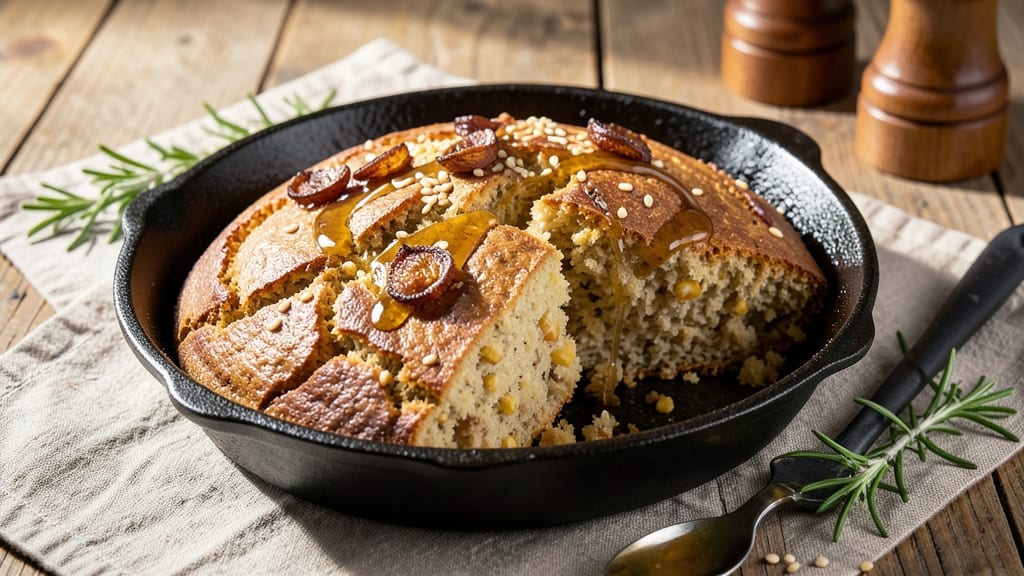
This African corn bread recipe brings the warmth of West African kitchens to your dinner table with its signature smoky maize flavor and spice-packed crust. 🌟 The perfect blend of cornmeal and flour creates a tender crumb while spices like cinnamon and nutmeg add depth that pairs beautifully with stews or grilled meats.
What sets this recipe apart is the traditional technique of baking in a cast-iron skillet, which creates that coveted crispy exterior while keeping the interior moist and flavorful. The addition of honey not only sweetens the bread but also enhances its natural nuttiness, making every bite irresistibly comforting.
With just 10 ingredients and 45 minutes of active time, you'll have a loaf that's rich in cultural heritage yet simple enough for weeknight dinners. The aroma alone will transform your kitchen into a taste of home, while the texture offers that perfect balance between tender and slightly crunchy.
This versatile bread serves as both a side dish and a hearty main when paired with beans or vegetables. The recipe's adaptability makes it ideal for modern kitchens while honoring its traditional roots. Let's get baking!
Ingredients for african corn bread
Ten simple ingredients that transform into a fragrant, spiced loaf with West African roots.
| Ingredient | Amount | Notes |
|---|---|---|
| Medium-Grain Cornmeal 🌽 | 1 ½ cups | Stone-ground preferred for texture |
| All-Purpose Flour 🌾 | ¾ cup | White or whole wheat |
| Granulated Sugar 🍚 | ¼ cup | Light brown sugar works too |
| Honey 🍯 | ⅓ cup | Wildflower preferred for depth |
| Dry Yeast 🍞 | 1 tsp | Active dry or instant |
| Baking Powder 🧂 | 1 tsp | Diamond Crystal preferred |
| Salt 🧂 | ½ tsp | Kosher or sea salt |
| Ground Cinnamon 🌿 | 1 tsp | Freshly ground preferred |
| Ground Nutmeg 🌿 | ¼ tsp | Freshly grated nutmeg |
| Buttermilk 🥛 | 1 cup | Homemade or store-bought |
| Vegetable Oil 🫒 | ¼ cup | Light or canola oil |
The cornmeal makes this bread uniquely African—Bob’s Red Mill stone-ground is my go-to, but any medium-grain works. Look for sweet cornmeal (not self-rising) at stores like Whole Foods or the bulk section of regular supermarkets. The buttermilk adds tang that balances the sweetness, so don’t skip it. If you’re short on time, mix 1 tablespoon vinegar with 1 cup milk to mimic it. For the spices, Penzeys carries authentic West African blends, but regular grocery store cinnamon and nutmeg work perfectly fine—just make sure they’re freshly ground.
No buttermilk? Plain yogurt thinned with milk does the trick. Short on honey? Maple syrup at the same amount keeps the flavor profile close. The yeast is crucial—if your package is past its expiration, test it in warm water with a pinch of sugar. It should foam in 5-10 minutes. For a deeper smoky flavor, swap 1 tablespoon of the cornmeal for smoked paprika (though it won’t be traditional). The baking powder is non-negotiable—Diamond Crystal has more lift than aluminum-free brands, but any will work in a pinch.
This bread keeps beautifully for 3 days wrapped in foil at room temperature, though it’s best fresh. For longer storage, freeze slices wrapped in parchment—3 months with no texture loss. The cast-iron skillet is key for that crispy crust, but if you’re short on time, a heavy oven-safe skillet works too. Reheat slices in a dry pan for 2 minutes per side to restore crispiness. Leftovers make fantastic toast—just brush with extra honey.
Why You'll Love This Recipe
- No Yeast Hassle: I’ll admit—yeast can be finicky. But this recipe? Just mix, rest, and bake. The yeast here does all the work while you sip tea or scroll through your phone. (Yes, even on a Tuesday night.)
- Sweet & Savory Flex: That honey-sugar combo isn’t just dessert-level good—it’s versatile. Use it for breakfast with jam, pair it with stews, or serve it warm with butter. My kids dip it in peanut butter. (No judgment.)
- Budget-Friendly Staples: Cornmeal, flour, sugar—these are pantry basics that won’t break the bank. A single batch stretches for days, and you’re not sacrificing flavor for frugality. Here’s what sold me: it’s cheaper than store-bought but way more satisfying.
- One-Bowl, Zero Guilt: Not the prettiest loaf, but that’s part of the charm. The texture—crusty outside, tender inside—is exactly what you need when you’re craving something hearty without the fuss. And leftovers? Toast them for a crispy upgrade. (Trust me, it’s a game-changer.)
Step-by-step instructions for African corn bread
Here's how to create a tender, spiced loaf with a smoky crust that captures African baking traditions.
👨🍳 Step 1: Activate the Yeast and Mix Wet Ingredients
In a small bowl, combine the 1 cup buttermilk, 0.33 cup honey, and 0.25 cup vegetable oil with the 1 tsp dry yeast. Stir gently and let sit for 5-10 minutes until you see bubbles forming on the surface. This proves your yeast is active and ready to work.
The bubbles indicate the yeast is alive and working—if nothing happens after 10 minutes, your yeast may be dead. I always check this step carefully because it's the foundation of our bread's rise. Keep the mixture at room temperature while you prepare the dry ingredients.
👨🍳 Step 2: Combine Dry Ingredients for Even Distribution
In a large mixing bowl, whisk together the 1.5 cups medium-grain cornmeal, 0.75 cup all-purpose flour, 0.25 cup granulated sugar, 1 tsp baking powder, 0.5 tsp salt, 1 tsp ground cinnamon, and 0.25 tsp ground nutmeg. Sift the mixture through a fine-mesh sieve to remove any lumps and ensure even distribution of the spices.
This step is crucial for achieving that signature African corn bread texture—you want the cornmeal and flour to be thoroughly combined with the spices so every bite has that warm, aromatic flavor. The sifting also prevents dense pockets in your final loaf. I like to press the mixture through the sieve with the back of a spoon to get it all out.
🥘 Step 3: Mix Wet and Dry Ingredients Gently
Pour the bubbly yeast mixture into the dry ingredients and stir with a wooden spoon or rubber spatula until just combined. Be careful not to overmix—you're looking for a thick, shaggy batter with no dry spots remaining. The batter should be sticky but still manageable.
This is where the magic happens—the cornmeal and flour begin absorbing the liquid while the yeast starts working to create air pockets. The batter should hold its shape when you lift the spoon but still be thick enough to cling slightly. If it's too stiff, add 1-2 tablespoons of buttermilk to loosen it. Real talk: don't skip this mixing step—proper hydration ensures that tender crumb we're after.
🔥 Step 4: Bake for a Golden, Crispy Crust
Preheat your oven to 375°F and generously grease a 9-inch round cake pan or cast iron skillet. Pour the batter into the prepared pan and smooth the top with a wet spatula. Bake for 25-30 minutes until the top is golden brown and a toothpick inserted in the center comes out clean.
Here's the thing—African corn bread develops its signature crust during the last few minutes of baking. Watch closely after 20 minutes and tent the pan with foil if the top starts browning too quickly. The crust should be crisp and slightly crackly, while the interior remains moist and tender. If you're using a dark cast iron skillet, you might need to reduce the temperature to 350°F to prevent burning.
⏰ Step 5: Rest and Serve Warm
Remove the bread from the oven and let it cool in the pan for 5 minutes. Then transfer it to a wire rack to cool completely. The bread will firm up as it cools, but it's best served warm when the interior is still slightly soft and the crust maintains its crisp texture.
I know it's tempting to cut into it immediately, but that first slice will be much better if you wait. The resting period allows the internal structure to set properly. For serving, I like to cut into wedges or slices with a serrated knife—this ensures clean cuts through the dense cornmeal base. Pair it with honey butter or serve alongside your favorite chili or stew for that authentic African dining experience.
Pro Tips For Making African Corn Bread
- Bloom the Yeast First: Skip mixing dry yeast straight into the flour—it’ll just sit there doing nothing. Instead, dissolve it in warm (not hot) water with a pinch of sugar first, then let it foam for 5-10 minutes. If it doesn’t bubble, your bread’s rise will be weak, and you’ll end up with a dense, flavorless loaf.
- Toast the Cornmeal: I used to just dump raw cornmeal into the mix, but toasting it first adds depth. Dry-toast 2 tablespoons in a pan over medium heat until it smells nutty (about 3-4 minutes), then grind it slightly with your fingers. This prevents a raw, gritty texture and makes the bread taste richer.
- Don’t Overmix the Dough: Once you add the flour, stop stirring the second the dough clumps together. Overworking it turns corn bread into a dense brick—especially with cornmeal’s natural starch. A few lumps are fine; they’ll soften as it bakes.
- Use Honey at Room Temp: Cold honey thickens and won’t blend smoothly into the batter, leaving pockets of sweetness that won’t caramelize. Let it sit out for 10 minutes before measuring, or warm it gently in a bowl over hot water. Your bread’s crust and crumb will thank you.
Serving suggestions for leftovers
Classic Pairings
Serve warm slices of this African corn bread alongside West African stews like egusi or peanut soup—the bread's crisp crust soaks up the rich, nutty flavors beautifully.
I always keep a small bowl of honey butter (mix 2 tbsp softened butter with 1 tbsp honey) on the table for dipping. The sweetness complements the bread's natural nuttiness while balancing any savory dishes. 🍯
Protein Pairings
This bread pairs exceptionally well with grilled meats like chicken thighs or beef short ribs, which are staples in many African cuisines. The bread's slightly sweet and spiced profile cuts through the richness of fried or braised meats.
For a vegetarian option, serve with black-eyed peas or lentil stews—the cornmeal adds a satisfying heartiness. I love serving it at family gatherings with spicy jollof rice for a complete meal.
Breakfast Adaptations
Transform leftovers into a sweet breakfast treat by slicing the bread and toasting it with a spread of peanut butter and banana slices. The cinnamon and nutmeg in the bread enhance the flavors, making it taste like a cross between cornbread and a muffin.
For a savory breakfast, serve with scrambled eggs and crispy bacon—the bread's texture holds up perfectly to these hearty components. 🍌
Dessert Twist
For a dessert version, brush warm slices with melted butter and sprinkle with cinnamon sugar before serving. Top with vanilla ice cream or whipped cream for a decadent treat that still feels light.
This works especially well during holidays or when you want to impress guests with a unique dessert that ties back to African flavors. The honey in the bread adds natural sweetness that pairs beautifully with dairy.
Cocktail Companion
Serve this bread with African-inspired cocktails like a gin and tonic with rosemary and lime or a rum punch made with pineapple juice and nutmeg. The spices in the bread echo the flavors in these drinks, creating a cohesive dining experience.
For a non-alcoholic option, try hibiscus iced tea—the tartness balances the bread's sweetness perfectly. 🍹
Nutrition facts
Frequently asked questions
Why does this African corn bread need yeast if it's not sweet like brioche?
The yeast creates a lighter, more tender crumb that balances the dense cornmeal texture. While it's not as sweet as brioche, the yeast helps develop air pockets that make each bite more satisfying—especially when paired with rich stews or grilled meats. Think of it as the secret to that perfect African texture that's neither too heavy nor too crumbly.
Can I substitute cornmeal with another grain for gluten-free baking?
For a gluten-free version, replace 100% of the cornmeal with a 1:1 gluten-free cornmeal blend (like Bob's Red Mill's). However, the texture will be slightly denser—expect a more cake-like result rather than the traditional corn bread structure. For best results, add 1 extra tablespoon of baking powder to compensate for the lack of gluten structure.
How do I prevent my African corn bread from turning out gummy?
Gummy bread usually means overmixing or underbaking. Stop stirring the batter as soon as it comes together (just combined = perfect), and bake until a toothpick comes out clean—25-30 minutes at 375°F. If it's still gummy when done, the oven may be too cool. Next time, increase heat to 390°F for the last 5 minutes of baking.
What's the difference between this recipe and regular cornbread?
This African corn bread uses medium-grain cornmeal (not fine cornmeal), includes warm spices like cinnamon and nutmeg, and relies on yeast for a lighter texture. Regular cornbread often uses self-rising cornmeal and baking powder only, resulting in a denser, more cake-like loaf. The honey and buttermilk in this recipe add depth that traditional cornbread lacks.
Can I make this bread without buttermilk?
Mix 1 tablespoon vinegar or lemon juice with 1 cup milk and let it sit for 5 minutes to curdle. This creates the same tangy reaction as buttermilk. For a richer version, use evaporated milk instead of regular milk. The acidity is key for that signature tender crumb—don't skip it!