
Side Dishes
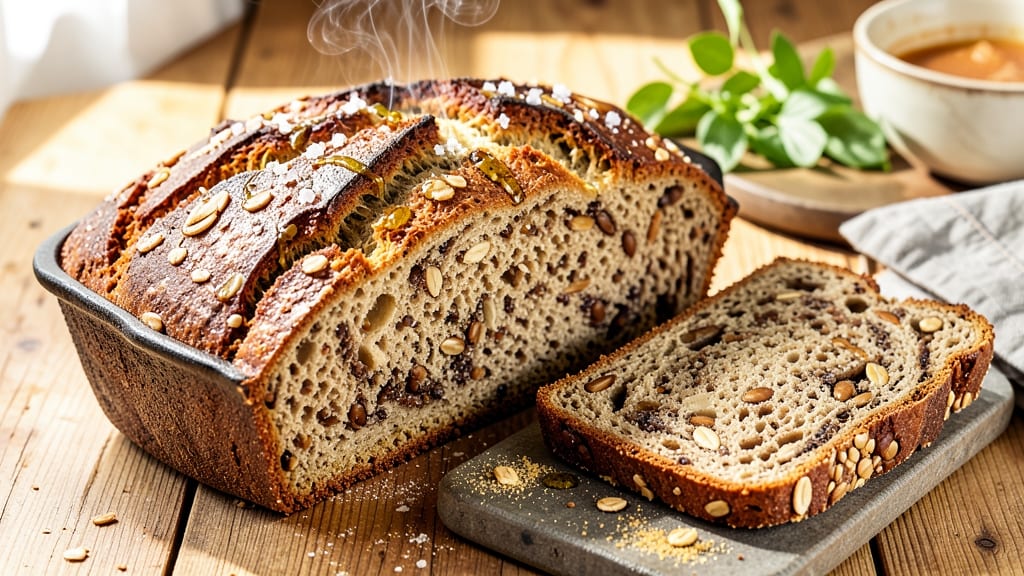
This 8-grain bread recipe delivers a nutrient-packed loaf with a satisfying crunch that rivals artisanal bakery bread. 🌾 The secret lies in blending whole grains like wheat, rye, and oats for texture and depth, while yeast and warm liquids create that perfect chewy interior.
I developed this recipe after years of experimenting with whole-grain breads—finally achieving a balance of hearty flavor and satisfying texture.
The beauty of this recipe is its simplicity: no special equipment beyond a mixing bowl and oven. You'll combine flours, grains, yeast, and warm water to form a dough that rises beautifully. The key is letting it proof slowly, which develops flavor and creates that signature open crumb structure.
Baking at 375°F for 30-40 minutes yields a golden crust with a crisp exterior and tender interior.
What makes this loaf truly special is its versatility—perfect for sandwiches, toast, or served alongside soups. The grains add subtle nuttiness and chewiness, while the crust provides that satisfying crunch. Each slice is packed with fiber, protein, and complex carbohydrates, making it both delicious and nutritious.
For an extra boost, consider adding seeds like sesame or flax to the dough or brushing the crust with olive oil before baking. This recipe is designed to be foolproof, so even beginners can achieve bakery-quality results. Let's get started on your homemade loaf!
Ingredients for 8 grain bread
Eight whole grains blend for a nutrient-rich loaf with bakery-style crunch and chewy interior.
| Ingredient | Amount | Notes |
|---|---|---|
| Wheat Berries 🌾 | ½ cup | Toasted lightly for nuttiness |
| Rolled Oats 🥣 | ½ cup | Old-fashioned preferred |
| Spelt Flour 🌾 | 1 cup | Adds hearty texture |
| Whole Wheat Flour 🌾 | 1 ½ cups | High-protein for structure |
| Rye Flour 🌾 | ½ cup | Dark rye for depth |
| Cornmeal 🌽 | ¼ cup | Coarse for crunch |
| Active Dry Yeast 🍞 | 2 ¼ tsp | Fresh yeast preferred |
| Honey 🍯 | 2 tbsp | Feeds yeast activation |
| Warm Water 💧 | 1 ½ cups | 110°F for yeast activation |
| Kosher Salt 🧂 | 1 ½ tsp | Diamond Crystal preferred |
| Sesame Seeds 🌰 | 1 tbsp | For crust decoration |
| Flaxseeds 🌱 | 1 tbsp | Optional for extra fiber |
| Olive Oil 🫒 | 1 tbsp | Extra-virgin for brushing |
The grains determine texture and flavor—Bob's Red Mill or King Arthur carry the best quality whole grains. Toast the wheat berries and oats for 5 minutes before mixing to enhance their nutty profiles. If substituting any grain, maintain a 50/50 ratio between flours and grains for proper dough structure. The rye flour should be dark rye for authentic depth; light rye won't provide the same maltiness. For the yeast, Fresh & Easy brand at grocery stores stays potent longer than generic active dry yeast.
No wheat berries? Substitute quinoa or farro at the same quantity for similar texture. Out of spelt flour? Whole wheat or einkorn works in a pinch, though the flavor will differ slightly. The honey can be swapped for maple syrup or agave, but adjust to 1.75 tbsp since these are less concentrated. For extra crunch, add crushed pepitas or sunflower seeds to the dough. The cornmeal should be stone-ground if possible—it creates a superior crust texture. If you're baking at high altitude, add an extra 0.25 tsp yeast to compensate for reduced oxygen.
Store the bread in a paper bag at room temperature for up to 5 days to maintain freshness. For longer storage, freeze slices wrapped in parchment paper for up to 3 months. The crust stays crisp for 2 days if kept airtight. For reheating, wrap slices in foil and warm at 350°F for 5 minutes. This bread freezes beautifully—portion into individual slices before freezing for perfect-toast every time. The grains release more flavor when baked, so wait 1 hour after baking before slicing for cleaner cuts.
Why You'll Love This Recipe
- Here’s what sold me: this bread stays fresh for days, so I bake one loaf on Sunday and slice it for toast, wraps, or charcuterie all week. (Yes, even on a Tuesday night.) Kids won’t complain about the texture—promise.
- No-Soak Shortcut: I’ll be honest—most grain breads demand overnight soaking. This one? Just toss the wheat berries and oats in warm water for 2 hours while you watch a show. That’s it. No waiting all night, no forgotten prep.
- Nutty Earthy Crunch: Between us, the rye and spelt give this bread a depth you won’t find in basic loaves. The wheat berries add a satisfying bite, and the rolled oats? They turn golden and toasty—like a hug for your sandwich.
- Lunchbox Legend: Here’s what sold me: this bread stays fresh for days, so I bake one loaf on Sunday and slice it for toast, wraps, or charcuterie all week. (Yes, even on a Tuesday night.) Kids won’t complain about the texture—promise.
Step-by-step instructions for 8 grain bread
Here's the method for crafting a hearty, nutrient-rich loaf with a satisfying crunch and open crumb.
🔥 Step 1: Toast and Prepare the Base Grains
Preheat your oven to 350°F and spread the 0.5 cup wheat berries and 0.5 cup rolled oats on a rimmed baking sheet. Toast for 8-10 minutes until the wheat berries are fragrant and the oats have deepened in color—you'll notice a nutty aroma filling your kitchen. This step enhances their flavors and prevents them from absorbing too much moisture during mixing.
While still warm, transfer the toasted grains to a food processor and pulse until they reach a coarse meal consistency—about the texture of sand. This creates a uniform base that distributes evenly throughout the dough. Keep the processed grains in a bowl until ready to use; they'll cool slightly and prevent the yeast from activating prematurely.
👨🍳 Step 2: Activate the Yeast with Honey and Water
In a large mixing bowl, combine the 1.5 cups warm water (110°F), 2 tbsp honey, and 2.25 tsp active dry yeast. Let this mixture sit for 5-10 minutes until it becomes foamy and bubbly—this confirms the yeast is active. If it doesn't foam, your yeast may be old or the water too hot; start fresh with new yeast and cooler water.
I always test the water temperature with my finger—it should feel pleasantly warm, like a comfortable bath, not scalding. The honey not only feeds the yeast but also adds subtle sweetness that balances the earthy grains in the final loaf. Stir gently once during the waiting period to ensure even activation.
🍳 Step 3: Combine Wet and Dry Ingredients
Add the processed grain mixture to the yeast mixture, followed by the 1 cup spelt flour, 1.5 cups whole wheat flour, 0.5 cup rye flour, 0.25 cup cornmeal, and 1.5 tsp kosher salt. Using a wooden spoon or dough whisk, stir vigorously for 2-3 minutes until a shaggy dough forms. The texture should be thick but still slightly sticky—this indicates proper hydration for our dense grain blend.
Next, drizzle in the 1 tbsp olive oil and mix until fully incorporated. The oil helps create a tender crumb and prevents the dough from becoming too dense. If the dough feels too dry, add 1-2 tablespoons warm water at a time until it reaches the right consistency. You're aiming for a dough that's tacky but not wet, similar to cookie dough.
🥘 Step 4: Knead and Develop Gluten
Turn the dough out onto a lightly floured surface and knead for 5-7 minutes until smooth and elastic. I use a combination of hand kneading and fold techniques—push down with the heel of my hand, then fold the dough over itself. This develops gluten without overworking the dense grain mixture, which can make the bread tough.
Test for doneness by doing the windowpane test: stretch a small piece of dough between your fingers. If it forms a thin, translucent membrane without tearing, your dough is ready. If it resists, knead for another minute. The dough should be slightly sticky but not wet, indicating proper gluten development for our hearty grain blend.
⏰ Step 5: First Rise and Shape
Lightly oil a large mixing bowl and place the dough inside. Cover with a damp towel and let rise in a warm place for 1-1.5 hours until doubled in size. The dough should feel light and springy when pressed gently with a finger—this confirms proper fermentation. If your kitchen is cool, place the bowl on top of your refrigerator with the light on to create a warm, consistent environment.
Once risen, punch down the dough to release air, then shape it into a round loaf. For the best texture, I create a well in the center by pressing my thumb down about 1 inch deep, then fold the edges toward the center to create a tight, compact shape. This technique helps develop the open crumb structure characteristic of artisan bread.
🔥 Step 6: Second Rise and Bake
Place the shaped loaf on a parchment-lined baking sheet, seam-side up. Cover again and let rise for another 30-45 minutes until it's puffy and has expanded noticeably. Preheat your oven to 375°F with a Dutch oven inside for 30 minutes—this creates a steam environment that's crucial for our dense grain bread.
Carefully transfer the loaf to the hot Dutch oven, sprinkle the top with 1 tbsp sesame seeds and 1 tbsp flaxseeds, then bake covered for 30 minutes. Remove the lid and bake for another 15-20 minutes until the crust is deep golden brown and sounds hollow when tapped on the bottom. The internal temperature should reach 190-200°F.
⏰ Step 7: Cool and Slice
Remove the bread from the Dutch oven and let it cool on a wire rack for at least 1 hour before slicing. This resting period allows the internal structure to set, preventing a gummy crumb. The bread will continue to firm up as it cools, developing that perfect balance of crisp crust and tender interior.
For best results, store the bread wrapped in a clean kitchen towel at room temperature for up to 3 days, or freeze for longer storage. When ready to serve, slice with a serrated knife for clean cuts through the dense grain structure. The combination of toasted grains, open crumb, and crisp crust makes this bread perfect for sandwiches or enjoyed with soups and stews.
Pro Tips For Making 8 Grain Bread
- TOAST THE OATS FIRST: I learned this the hard way—skipping this step makes your bread taste bland and gummy. Lightly toast the rolled oats in a dry pan over medium heat for 5-7 minutes until they’re golden and smell nutty. This adds depth and prevents them from turning mushy during baking.
- SOAK THE WHEAT BERRIES: Wheat berries are stubborn—don’t just toss them in. Soak them overnight in warm water (or at least 4 hours) to soften them properly. After soaking, rinse and drain well, then simmer in fresh water for 20-25 minutes until tender. Trust me, this makes a real difference in texture.
- MEASURE FLOUR BY WEIGHT: That scoop-and-sweep method? It’s ruining your bread. Whole wheat, rye, and spelt flour pack differently—use a kitchen scale for accuracy. Aim for 10% less volume than you’d use with all-purpose flour, or your dough will be too dense. Your future self will thank you.
- STEAM THE LOAF: The first 10 minutes in the oven are non-negotiable—get a metal bowl of hot water in the oven with your bread. This creates steam, helping the dense grains rise properly instead of forming a heavy, flat loaf. Skip this, and you’ll end up with something closer to a brick than bread.
Perfect pairings for this dish
Buttery Spreads
Nothing complements this hearty grain bread like a rich, cultured butter spread. I love Trader Joe's Everything But the Butter mixed with a dollop of Kirkland Signature cultured butter—the garlic and herbs cut through the bread's earthiness while adding a luxurious texture.
For a quick fix, simply melt 2 tbsp butter with ½ tsp smoked paprika and spread warm on freshly sliced bread. 🧈
Sweet Toppings
This bread's nutty depth pairs beautifully with sweet spreads. Try almond butter mixed with a pinch of cinnamon for a breakfast-friendly option, or go for honey drizzled with flaxseeds for a crunchy contrast.
For something decadent, spread with ricotta cheese mixed with a touch of maple syrup and fresh berries. The grains' chewiness balances the sweetness perfectly.
Savory Pairings
For a savory twist, pair slices with whipped feta cheese mixed with olive oil and lemon zest. The tangy creaminess contrasts wonderfully with the bread's nutty grains. Another favorite is hummus with toasted cumin seeds—the sesame seeds on the bread's crust echo the tahini flavor.
I also love avocado mash with red pepper flakes for a creamy, spicy bite.
Cheese Boards
Turn your bread into the star of a cheese board by pairing it with aged cheddar, brie, and sharp gouda. The bread's texture holds up perfectly to melty cheeses, while its nutty flavor complements the richness.
Add cured meats like prosciutto or salami for a complete charcuterie experience. The crust's crunch provides a satisfying contrast to the soft cheeses. ✨
Soup Companions
This bread excels as a soup dipper thanks to its sturdy crust and chewy interior. I recommend pairing it with roasted tomato soup or creamy wild mushroom soup—the bread's grains soak up the broth beautifully.
For a lighter option, try gazpacho or chilled cucumber soup. The crust stays crisp even when submerged, making it ideal for hearty broths.
Breakfast Options
Start your day with this bread as a base for breakfast sandwiches. Toast slices and layer with scrambled eggs, crispy bacon, and sharp cheddar. For a veggie option, add sautéed spinach and goat cheese.
The bread's density holds up to runny eggs while adding satisfying texture. A drizzle of hot honey adds a perfect sweet-spicy finish. 🍳
Nutrition facts
Frequently asked questions
Can I substitute any of the grains in this recipe?
The key is maintaining a 50/50 ratio between flours and grains for proper dough structure. Swap wheat berries for quinoa or farro, or replace rolled oats with barley or millet. For flours, use einkorn or buckwheat instead of spelt, though flavors will vary slightly. Always toast new grains first to enhance nuttiness and prevent excess moisture.
Why does my dough feel too sticky after mixing?
The high grain content absorbs more moisture, creating a tacky dough that's actually ideal for this recipe. If it's excessively wet, add 1 tablespoon whole wheat flour at a time until it reaches a slightly sticky but manageable consistency. The dough should cling to your fingers but not leave a wet residue. Remember, the grains need hydration to develop their full flavor!
How do I know when the bread is fully baked?
Look for three key signs: the crust should be deep golden brown, tapping the bottom should sound hollow, and the internal temperature should reach 190-200°F. The bread will continue firming up as it cools, so don't overbake waiting for it to reach room temperature. A toothpick inserted should come out clean with just a few moist crumbs.
Can I make this bread without a Dutch oven?
Yes! For a crispier crust, bake in a regular baking dish covered with aluminum foil for the first 30 minutes, then uncover and bake for another 15-20 minutes. Alternatively, place a baking tray filled with boiling water on the lower oven rack to create steam. The bread will be slightly less crusty but still delicious. The open crumb structure will still develop beautifully.
How can I add extra flavor to this bread?
Try these simple upgrades: Mix 1 tsp dried rosemary or thyme into the dough, or add 1 tbsp garlic powder for savory depth. For sweet variations, replace honey with maple syrup or agave, or fold in 1 tbsp cinnamon. The possibilities are endless—just maintain the dough's proper consistency when making substitutions.