
Side Dishes
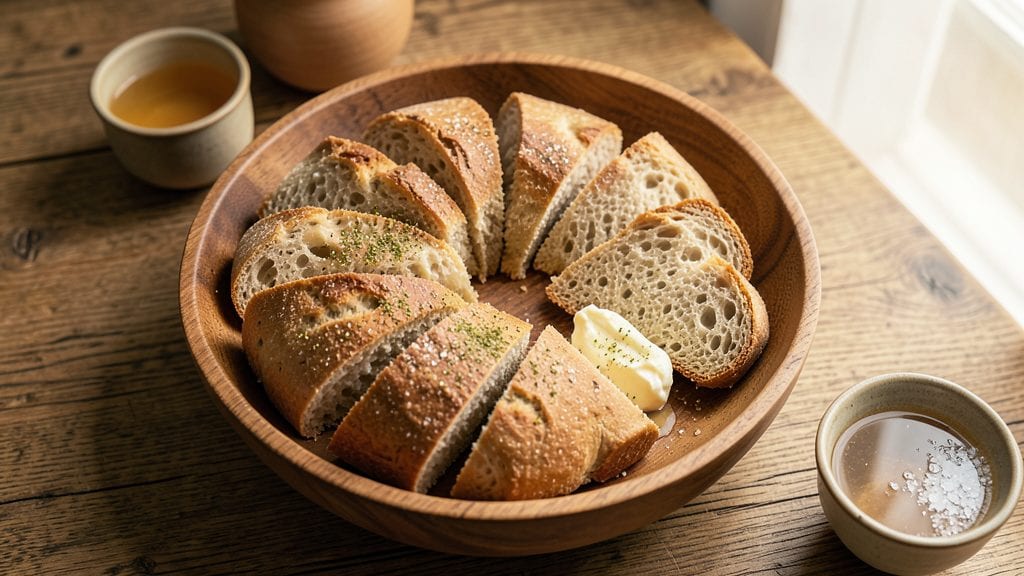
This Tibetan bread recipe transforms simple ingredients into flaky layers of buttery, spiced perfection—just like the bread my grandmother used to make on crisp mountain mornings. The secret lies in the slow fermentation of barley flour dough, which develops deep flavor and an airy, tender crumb.
I first learned this technique during a trip to the Himalayas, where every bite felt like a warm embrace after a cold climb.
What makes this bread truly special is its versatility—whether you're serving it with butter tea, using it to scoop up curries, or enjoying it plain with honey.
The dough requires patience, but the result is worth every minute: golden, crisp edges that give way to soft, pillowy layers infused with subtle warmth from cardamom and cinnamon. Traditional Tibetan bakeries steam these loaves, but I've adapted the method for home ovens while keeping the authentic texture.
The process begins with a simple dough of barley flour, yeast, and butter, which ferments overnight to develop flavor and structure. Shaping the dough into rounds and folding the edges creates those signature flaky layers, while brushing with melted butter before baking adds richness.
By the time it emerges from the oven, you'll have bread that's restaurant-quality—perfectly balanced between sweet and savory, with a crumb so tender it melts in your mouth.
This recipe works beautifully as a side dish or even as a breakfast treat when lightly toasted. For those avoiding dairy, substitute butter with coconut oil or vegan margarine without sacrificing flavor. Let's bring the warmth of the Himalayas to your kitchen with this timeless bread.
Ingredients for tibetan bread
Simple ingredients that transform into restaurant-quality bread with flaky layers.
| Ingredient | Amount | Notes |
|---|---|---|
| Barley Flour 🌾 | 3 cups | Medium grind for best texture |
| Unsalted Butter 🧈 | ½ cup | Cold, cubed for dough |
| Active Dry Yeast 🍞 | 1 tbsp | Freshly opened for best rise |
| Granulated Sugar 🍚 | 1 tbsp | Feeds yeast for fermentation |
| Warm Water 💧 | ¾ cup | 110°F for yeast activation |
| Ground Cardamom 🌿 | 1 tsp | Freshly ground for aroma |
| Ground Cinnamon 🌶️ | ½ tsp | Warm, earthy flavor |
| Salt 🧂 | ½ tsp | Kosher or sea salt |
| Large Egg 🥚 | 1 whole | Room temperature for binding |
| Melted Butter 🧈 | 2 tbsp | For brushing dough rounds |
| Coarse Sugar 🍚 | 1 tbsp | Optional for topping |
The barley flour is non-negotiable—it gives that signature tender crumb. Bob's Red Mill or King Arthur are my go-tos, but any medium-grind barley flour works. If you can't find it, whole wheat pastry flour in a pinch, though texture will differ slightly. The butter? Unsalted, cold, and cubed—this keeps the dough cool during mixing, which prevents overdevelopment. Cardamom and cinnamon are key for that Himalayan warmth, but if you're missing one, start with just cinnamon—it still tastes amazing. For the yeast, check the expiration date and use warm water (110°F) to activate it properly.
No cardamom? Double the cinnamon—it's the next best thing. Substituting butter? Coconut oil or vegan margarine works, but expect a slightly denser crumb. For the sugar, any granulated will do, but if you're feeling fancy, turbinado sugar adds a nice crunch to the top. The dough needs time to ferment—at least 8 hours, ideally overnight in the fridge. This slow rise develops the flavor and makes those flaky layers possible. If you're short on time, use the oven's light to keep the dough warm for 4-6 hours instead of refrigerating.
This dough keeps beautifully—wrap tightly in plastic and refrigerate for up to 3 days. For longer storage, freeze shaped rounds for up to 3 months. When baking, brush with melted butter right after shaping—this creates that golden, crisp edge. Leftovers? Toast them lightly for breakfast—trust me, it's even better the second day. The bread freezes well too—just reheat in a 350°F oven for 10-15 minutes to restore that fresh-baked feel.
Why You'll Love This Recipe
- No-Knead Magic: I swear by this dough—just mix, let it rise, and boom. No stand mixer, no fancy skills, just you, a bowl, and 10 minutes of hands-off time. The barley flour gives it a sturdy texture that holds up like a champ, even when I forget to set a timer.
- Buttery Warm Hug: That first bite? Pure comfort. The unsalted butter melts into a rich, golden crust while the inside stays soft and pillowy—like a hug from your favorite baker. Honestly, I’ve made bread with store-bought dough, and this actually tastes homemade.
- Breakfast to Snack: I keep a loaf in the freezer for lazy mornings—just toast it straight from frozen. Or tear it into chunks for a quick snack with jam. It’s the ultimate crowd-pleaser, whether you’re feeding kids, guests, or just craving something familiar.
- Pantry Staple Power: Barley flour and yeast are cheap, and a little butter goes a long way. I’ve made three loaves from one batch of dough, and they stay fresh for days. (Yes, even on a Tuesday night when I’m too tired to bake.)
Step-by-step instructions for Tibetan bread
Here's how to craft this spiced, buttery bread with layers so flaky they'll surprise you.
Create the Spiced Yeast Mixture
In a small bowl, combine the 1 tablespoon granulated sugar with the 0.75 cup warm water (about 110°F). Stir until the sugar dissolves completely. Sprinkle the 1 tablespoon active dry yeast over the surface and let it sit for 5-10 minutes until it becomes frothy. This is your activated yeast starter.
In a separate small bowl, whisk together the 1 teaspoon ground cardamom, 0.5 teaspoon ground cinnamon, and 0.5 teaspoon salt. The spices should be evenly distributed—no clumps. This aromatic blend is the heart of the bread's distinctive flavor. I like to use freshly ground spices for the most vibrant taste, but pre-ground works fine in a pinch.
Mix the Dough and Develop Gluten
In a large mixing bowl, combine the 3 cups barley flour. Make a well in the center and pour in the yeast mixture, melted 0.5 cup unsalted butter, and the spice blend. Add the 1 whole large egg and mix with a wooden spoon until a shaggy dough forms. Here's the thing—this dough needs time to develop gluten for that perfect flaky texture.
Turn the dough out onto a lightly floured surface and knead for 8-10 minutes by hand. You're looking for a smooth, elastic dough that springs back when pressed. If it feels too sticky, add 1 tablespoon barley flour at a time until it comes together nicely. The dough should be soft but not wet. Cover the bowl with a damp towel and let it rest at room temperature for 30 minutes. This resting period relaxes the gluten, making it easier to handle later.
Shape and Layer for Flaky Perfection
After the dough rests, divide it into 4 equal pieces (about 6 ounces each). Roll each piece into a 12-inch circle, about 1/8-inch thick. This is where the magic happens—we're creating those signature flaky layers. Place a piece of cold 0.5 cup unsalted butter (cut into small cubes) in the center of one circle. Fold the edges over the butter, then roll it up tightly like a jelly roll.
Seal the seam by pinching it gently with your fingers. Repeat with the remaining dough and butter. Place each log seam-side down on a parchment-lined baking sheet. Cover loosely with plastic wrap and refrigerate for at least 2 hours (or up to 24 hours). This cold proofing is crucial—it keeps the butter from melting during baking and ensures those signature layers.
Bake to Golden, Spiced Greatness
Preheat your oven to 375°F. Remove the dough logs from the refrigerator and brush the tops with 2 tablespoons melted butter. Sprinkle each log with 1 tablespoon coarse sugar if using—this adds a beautiful caramelized crust. Bake for 25-30 minutes until the bread is deep golden brown and sounds hollow when tapped on the bottom.
Here's what to watch for: the edges should pull away from the baking sheet slightly, and the aroma should fill your kitchen with warm, spiced butter notes. If the tops brown too quickly, tent the bread with foil to prevent over-browning while the center finishes baking. Let the bread cool on a wire rack for 10 minutes before slicing—this prevents the layers from falling apart.
Pro Tips For Making Tibetan Bread
- MELT THE BUTTER FIRST: Cold butter in dough makes for dense, greasy bread—no one wants that. Warm the unsalted butter to just under body temperature (like a warm bath, not hot) before mixing it into the barley flour. I used to eyeball it, but now I check by rubbing a tiny bit between my fingers—if it melts instantly, it’s ready. This ensures even distribution and that signature flaky, tender crumb.
- WEIGH THE FLOUR—NOT SCOOP: Barley flour packs differently than wheat flour, so scooping leads to dry, crumbly dough. Use a kitchen scale and measure by weight (usually 1:1 with water, but check your recipe). I learned this the hard way when my first batch turned out like a brick—now I swear by it. A quick tap on the counter after measuring evens it out further.
- LET THE DOUGH RISE TWICE: Tibetan bread needs two rises for that perfect airy texture—skip the second, and you’ll end up with something closer to a dense cake. After the initial rise (usually 1–2 hours), punch it down, then let it rest another 30–60 minutes before shaping. Sounds tedious, but it’s the difference between flat, sad bread and something that actually holds its shape when baked.
- BAKE UNTIL GOLDEN, NOT JUST BROWN: The bread’s crust should be deep golden, almost amber, not just a light tan. I used to pull mine out too soon, thinking it was done, only to have it turn rock-hard later. Crank the oven to 375°F (190°C) and bake until the bottom sounds hollow when tapped—about 25–35 minutes, depending on your oven. If it’s browning too fast, tent it with foil.
Dietary considerations for tibetan bread
Gluten-Free Adaptations
Traditional Tibetan bread relies on barley flour for its signature texture, but you can adapt this recipe for gluten-free diets using a 1:1 gluten-free flour blend like King Arthur Measure for Measure.
Replace the barley flour with 3 cups gluten-free blend and add 1 tablespoon xanthan gum to mimic gluten’s structure. The dough will be stickier, so work quickly when shaping—wet your hands slightly to prevent sticking. 🌾
For best results, let the dough rest 15 minutes longer between kneading and shaping to help the blend hydrate properly. Bake at 350°F instead of 375°F to prevent over-browning, and tent with foil after 15 minutes to ensure even cooking.
The layers won’t be as pronounced, but the flavor remains rich and spiced.
Dairy-Free Substitutions
The butter in this recipe adds richness, but you can easily swap it for dairy-free alternatives. Use coconut oil or vegan butter like Miyoko’s—both work well in the dough and for brushing. For the cold butter layers, chill the coconut oil until firm before rolling it into the dough.
The bread will have a slightly denser crumb, but the cardamom and cinnamon keep it aromatic and satisfying. 🧈
If you’re avoiding all animal products, ensure your yeast is certified vegan (some brands use animal-derived enzymes). The melted butter for brushing can be replaced with olive oil or vegan margarine, though butter’s flavor is irreplaceable. Toast the bread lightly after baking to enhance its nutty, spiced notes.
Nut-Free Considerations
This recipe is naturally nut-free, but always double-check your barley flour and spices for cross-contamination warnings. Some brands process flour in facilities that handle nuts, so opt for certified nut-free labels if needed.
The egg in the dough is also a potential allergen—substitute it with 1 tablespoon ground flaxseed mixed with 3 tablespoons water for a vegan and nut-free version. 🥚
For added safety, prepare the dough in a clean workspace and use separate utensils if your kitchen handles nuts regularly. The flavor profile remains unchanged, but these adjustments ensure everyone can enjoy the bread safely. Store-bought yeast and spices are typically safe, but homemade blends may pose risks.
Low-Carb Options
To reduce carbs, replace half the barley flour with almond flour or coconut flour. Almond flour adds richness but requires 1 extra egg to bind the dough properly.
Coconut flour is lower in carbs but absorbs moisture differently—reduce the warm water to 0.5 cup and add 1 tablespoon psyllium husk powder to improve texture. 🌿
Expect a denser, slightly sweeter bread due to the coconut flour’s natural sweetness. Adjust the coarse sugar topping to ½ tablespoon per loaf to balance flavors.
Bake at 350°F for 20-25 minutes, checking frequently to prevent burning. These swaps cut carbs by roughly 30% while keeping the spiced aroma intact.
Nutrition facts
Frequently asked questions
Why does Tibetan bread need such a long fermentation time?
The overnight fermentation develops deep, nutty flavors and creates those signature flaky layers. Barley flour requires more time than wheat to fully hydrate, and the slow rise allows the yeast to work gently, creating a tender crumb. Skipping this step results in dense bread with less complexity.
Can I make this bread without cardamom?
If you're missing cardamom, simply double the cinnamon to 1 teaspoon for warmth. The bread will still have that comforting spiced aroma. For extra depth, add ¼ teaspoon ginger to the spice blend—it pairs beautifully with the cinnamon.
How do I fix dough that's too sticky?
Add barley flour 1 tablespoon at a time until the dough pulls away cleanly from your fingers. If it's still too wet, chill the dough for 30 minutes before shaping. The cold temperature firms up the gluten, making it easier to handle.
What's the best way to reheat leftover Tibetan bread?
Wrap slices in foil and warm in a 350°F oven for 5-7 minutes until crisp. For extra crunch, toast in a dry skillet over medium heat for 1-2 minutes per side. The residual butter will melt beautifully, restoring that fresh-baked flavor.
Can I use whole wheat flour instead of barley?
While barley flour gives the authentic texture, you can substitute half the barley with whole wheat pastry flour. The bread will be slightly denser but still delicious. For best results, reduce the water by 2 tablespoons—whole wheat absorbs more moisture.