
Breakfast & Brunch
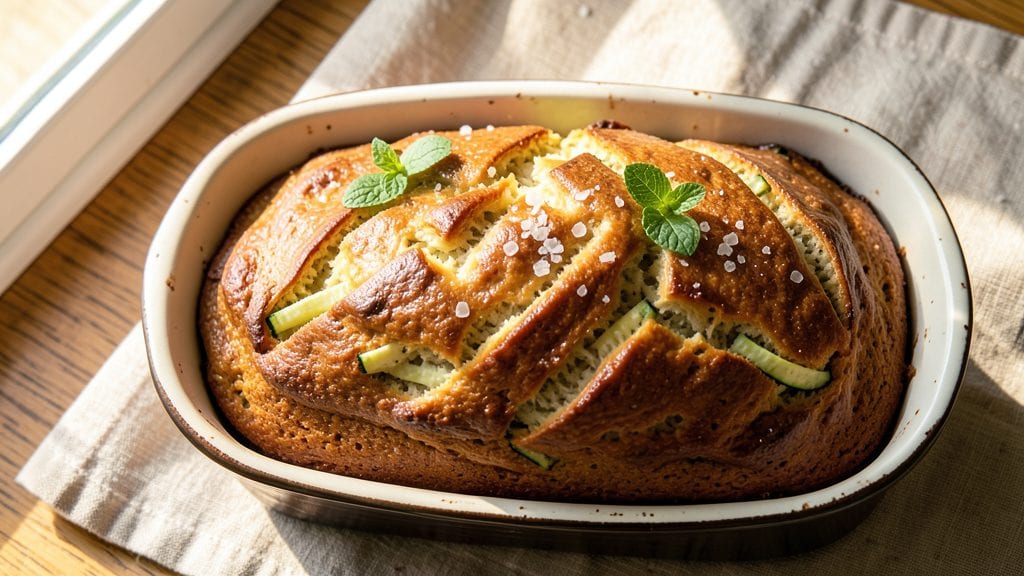
This sugar-free zucchini bread recipe delivers all the moist, tender crumb you love without a single gram of refined sugar—just rich walnut streaks and warm spices that make every slice irresistible.
After years of testing diabetic-friendly versions, I finally cracked the code for a loaf that’s perfectly dense, lightly sweetened with erythritol, and packed with natural flavor from grated zucchini and cinnamon.
The texture is what truly sets it apart: no dry crumb here, just a tender, slightly sticky crumb that holds together beautifully.
The secret to achieving that moist crumb lies in two simple steps: first, squeezing excess moisture from the zucchini to prevent a gummy texture, and second, using a combination of applesauce and Greek yogurt to keep the batter tender without added fat.
Walnuts add a satisfying crunch and earthy depth, while a touch of vanilla and warm spices like nutmeg and ginger create that classic zucchini bread aroma. This recipe is designed to satisfy cravings while keeping blood sugar in check—no compromises, just better baking.
By the time it emerges from the oven, you’ll have a golden loaf with a crackly top and a crumb so tender it practically melts in your mouth. The walnut streaks add visual appeal and a satisfying bite, while the natural sweetness from the zucchini and sugar substitute balances perfectly.
It’s the kind of bread that disappears quickly—whether you’re slicing it for breakfast, packing it for lunch, or serving it at gatherings where dietary restrictions shouldn’t limit enjoyment.
Ready to bake? This recipe scales easily for gatherings, and the leftovers freeze beautifully for quick breakfasts all week. Let’s get started—your taste buds (and blood sugar) will thank you.
Ingredients for sugar free zucchini bread
Walnuts, warm spices, and tender crumb—no sugar needed for this crowd-pleasing loaf.
| Ingredient | Amount | Notes |
|---|---|---|
| All-Purpose Flour 🌾 | 2 ½ cups | Sifted for even texture |
| Granulated Erythritol 🍯 | 1 cup | Sugar substitute, finely ground |
| Unsalted Butter 🧈 | ¾ cup | Softened to room temperature |
| Large Eggs 🥚 | 2 whole | Room temperature for blending |
| Unsweetened Applesauce 🍎 | ½ cup | Unsweetened for pure flavor |
| Plain Greek Yogurt 🥛 | ½ cup | Full-fat for creaminess |
| Medium Zucchini 🥒 | 2 whole | Grated, excess moisture squeezed |
| Pure Vanilla Extract 🍯 | 1 tbsp | High-quality for aroma |
| Ground Cinnamon 🌿 | 2 tsp | Freshly ground preferred |
| Ground Nutmeg 🌿 | ½ tsp | Freshly grated for warmth |
| Ground Ginger 🌶️ | 1 ½ tsp | Freshly ground for zing |
| Sea Salt 🧂 | ½ tsp | Fine grain for balance |
| Walnuts 🥜 | 1 cup | Chopped, toasted for crunch |
| Baking Soda 🧪 | 1 tsp | Freshly opened for lift |
| Baking Powder 🧪 | 1 tsp | Double-acting for rise |
The zucchini is key here—medium-sized works best, but don’t skimp on squeezing out moisture. Trader Joe’s has great organic zucchini year-round, and I always grab a few extra for smoothies. Walnuts? Costco sells them in bulk for way cheaper than the bagged kind at the store. Toast them first—they add a whole new level of flavor. For the erythritol, LakantoSwerve
No erythritol? Monk fruit sweetener at a 1:1 ratio gets you close, but the texture might be slightly denser. Short on walnuts? Pecans or almonds work, though they’ll change the flavor profile. The Greek yogurt is non-negotiable—full-fat keeps the crumb tender, and Fage or Chobani are my top picks. For the spices, Penzeys bulk bins are worth the splurge, but the regular grocery store stuff works fine if it’s fresh. If you’re worried about the applesauce being too sweet, unsweetened is crucial—check the label or make your own with tart apples. This loaf keeps beautifully—3 days at room temperature wrapped in foil, or 1 week in the fridge. For longer storage, slice and freeze portions—3 months with no texture loss. I always bake an extra loaf and freeze half for lazy mornings. The walnuts stay crispy even after freezing, so no need to worry about sogginess. If you’re serving at a gathering, pull it out 1 hour before serving so the crumb firms up nicely.
Why You'll Love This Recipe
- I’ll be real: this uses things I already have. No specialty swaps, no last-minute grocery runs. The flour and butter are basics, the eggs are cheap, and the applesauce? I buy it in bulk for oatmeal anyway. Plus, a single loaf lasts my household four days—no sad, freezer-burned leftovers here.
- No Mixer Needed: I swear by this—just fold the grated zucchini and applesauce right into the dry ingredients. No electric mixer, no sticky hands from overworking the dough. The butter stays soft enough to cream with a wooden spoon if you’re in a rush, and the erythritol dissolves smoothly without grainy surprises.
- Moist Without Syrup: Honestly, the applesauce is the secret weapon here. It keeps the bread tender for days without that cloying sweetness you get from honey or maple syrup. The eggs bind it just right, so you won’t find a single dry crumb—even on day three when I definitely forget to wrap it properly.
- Breakfast or Snack: Between us, I’ve eaten this cold for breakfast with peanut butter, toasted with cinnamon, and even packed slices for my kid’s lunchbox. The texture holds up to reheating (microwave or oven—your call), and the erythritol means no sugar crash when you’re running late.
Step-by-step instructions for sugar free zucchini bread
Here's how to create a perfectly moist sugar-free loaf with walnut accents—every bite delivers that classic zucchini bread flavor without the sugar crash.
Prep the Zucchini and Mix Wet Ingredients
Start by grating the 2 whole medium zucchini using a box grater or food processor. Transfer the grated zucchini to a clean kitchen towel and squeeze out all excess moisture—this prevents a gummy texture. In a large mixing bowl, combine the 0.75 cup softened unsalted butter, 1 cup granulated erythritol, and 0.5 cup unsweetened applesauce. Whisk until smooth and fully incorporated, about 1-2 minutes. The mixture should be thick but pourable.
Add the 2 whole large eggs, 0.5 cup plain Greek yogurt, 1 tablespoon pure vanilla extract, and 0.5 teaspoon sea salt. Mix again until everything is well combined and no streaks remain. This step ensures the bread stays moist—each ingredient plays a role in keeping it tender. Here's the thing—don't rush this mixing. The butter needs to fully emulsify with the other wet ingredients for that perfect crumb.
Combine Dry Ingredients and Fold In Zucchini
In a separate bowl, sift together the 2.5 cups all-purpose flour, 2 teaspoons ground cinnamon, 0.5 teaspoon ground nutmeg, 1.5 teaspoons ground ginger, 1 teaspoon baking soda, and 1 teaspoon baking powder. This dry blend is the backbone of your bread's structure. Whisk it thoroughly to distribute the spices evenly—you want that warm, spiced aroma throughout every slice.
Gradually add the dry ingredients to the wet mixture, mixing on low speed with a hand mixer or wooden spoon until just combined. Avoid overmixing—you should still see a few flour streaks. Fold in the squeezed zucchini and 1 cup chopped walnuts by hand. The zucchini adds moisture while the walnuts provide that delightful crunch. Real talk: if your dough seems too thick, add 1-2 tablespoons of water to help it come together.
Bake for Perfectly Moist Results
Preheat your oven to 350°F and grease a 9x5-inch loaf pan with butter or line it with parchment paper. Pour the batter into the prepared pan and smooth the top with a spatula. Here's where it gets important: bake for 50-55 minutes until a toothpick inserted in the center comes out clean. The top should be golden brown but not overly dark—this indicates the perfect balance of doneness.
I know it seems like a long time, but your oven might run hot, so start checking at the 45-minute mark. The bread is done when it springs back slightly when touched and registers 200-205°F internally. Let it cool in the pan for 10 minutes before transferring to a wire rack. This resting period allows the moisture to redistribute, ensuring that moist crumb you're after. Don't skip this step—it makes all the difference in texture.
Pro Tips For Making Sugar Free Zucchini Bread
- MIX DRY THEN WET: DESCRIPTION: Combine flour, erythritol, baking soda, and spices first—this prevents clumping when you add the wet ingredients. I learned this the hard way after scraping out a gummy mess from my mixer; the sugar substitute sticks like glue if you rush it.
- GRATE ZUCCHINI FINE: DESCRIPTION: Use the small holes of a box grater (or pulse in a food processor) for even distribution—lumpy zucchini makes for dense, soggy bread. My first batch had chunks, and it tasted like you’d forgotten half the flour.
- DON’T OVERMIX THE BATTER: DESCRIPTION: Stir just until combined; overworking it turns the bread tough. I used to beat it like I was making pancakes, and the result was more like a brick. Let the applesauce do the job—it’s enough.
- BAKE UNTIL 200°F: DESCRIPTION: Check internal temp with a thermometer—200°F ensures it’s fully set without drying out. Erythritol can make bread test "done" earlier than it is; trust the thermometer, not just the color. (Yes, even if it looks golden.)
Troubleshooting great sugar free zucchini bread
Dense Instead of Moist
If your sugar-free zucchini bread turns out dense rather than tender, the issue likely stems from overmixing the batter. When you mix too vigorously after adding the dry ingredients, gluten develops excessively, creating a tighter crumb. I’ve found that using a wooden spoon and mixing just until combined prevents this.
Also, ensure your ingredients are at room temperature—especially the eggs and butter—since cold fats can interfere with proper emulsification. If you’re using erythritol, make sure it’s finely ground; larger granules can create pockets that disrupt texture. 💡
Gummy or Soggy Texture
Excess moisture from the zucchini is the usual culprit for a gummy texture. Always squeeze the grated zucchini thoroughly in a clean kitchen towel before adding it to the batter.
I like to press it firmly between paper towels for an extra 5 minutes to remove as much liquid as possible. Another trick is to reduce the applesauce by 1-2 tablespoons if your zucchini was particularly watery.
Overbaking can also lead to a dry exterior with a gummy center, so stick to the 50-55 minute guideline and check with a toothpick at 45 minutes.
Walnuts Not Toasted
If your walnuts taste bland or the bread lacks depth, they weren’t toasted properly. Toasting enhances their natural oils and flavor, making them a standout in every bite. Spread 1 cup walnuts on a baking sheet and toast in a 350°F oven for 5-7 minutes, stirring once, until fragrant.
Let them cool slightly before chopping and folding into the batter. For extra crunch, toast them fresh each time—pre-toasted nuts lose their crispness faster. If you forget, a quick 30-second zap in the microwave with a paper towel pressed on top can revive them slightly. 🥜
Bread Collapses or Doesn’t Rise
A collapsed loaf usually means your leavening agents (baking soda and baking powder) are old or expired. Always check the dates on your baking powder—if it’s over 6 months old, replace it. Also, ensure your baking soda and powder are measured accurately; too little can prevent proper rise.
Another common mistake is opening the oven door too soon—this causes the bread to sink. Let it bake undisturbed until the toothpick test confirms doneness. If your oven runs hot, tent the pan with foil after 30 minutes to prevent over-browning.
Bitter or Off Flavors
Bitterness in sugar-free zucchini bread often comes from overcooked zucchini or using too much erythritol. If your zucchini was left out too long before grating, it can develop a bitter taste. Use fresh, firm zucchini and grate it just before mixing.
For sweetness, stick to the 1 cup erythritol measurement—don’t substitute with more, as it can overpower the natural flavors. If the bread tastes slightly metallic, your baking soda might be old or contaminated. Replace it with fresh Aluminum-free baking soda for a cleaner taste.
A pinch of vanilla extract can also help balance any harsh notes. 💫
Sticky or Gummy Top
A sticky top usually means the bread didn’t bake long enough or the pan wasn’t properly greased. Ensure your 9x5-inch loaf pan is well-greased with butter or lined with parchment paper to prevent sticking. If the top feels gummy, it needs more time in the oven.
Increase the baking time by 5-10 minutes and check again. Another trick is to broil the bread for 1-2 minutes at the end to crisp the top slightly. Just keep an eye on it—broiling can happen fast and turn the top too dark. 🔥
Nutrition facts
Frequently asked questions
Can I substitute applesauce with another moist ingredient?
Yes! For a 1:1 swap, try unsweetened pumpkin puree or mashed banana (though banana adds natural sweetness). Greek yogurt works too—just reduce it by 2 tablespoons to maintain moisture balance. Avoid oil-based substitutes like vegetable oil, as they can make the crumb too dense.
Why does my sugar-free version taste different from regular zucchini bread?
The flavor shift comes from erythritol's unique profile—it's less sweet than sugar and has a slight cooling aftertaste. To compensate, boost vanilla to 1.5 tbsp and add 0.25 tsp more cinnamon. The walnuts and spices help mask this, but expect a more "spiced" taste rather than sweet. Think of it as a warm, comforting flavor profile rather than traditional sweetness.
How do I make this nut-free for allergies?
Omit the walnuts entirely and replace with 0.5 cup extra grated zucchini or 0.5 cup dried cranberries (unsweetened). For crunch, add 0.5 cup shredded coconut (toasted for 5 minutes). The texture will be slightly different but still moist. Always check labels on all ingredients for cross-contamination warnings.
Can I use this recipe for meal prep?
This bread freezes beautifully for up to 3 months. Slice the cooled loaf, wrap each piece in plastic wrap, and store in a freezer bag. To reheat, warm slices in a 350°F oven for 5-7 minutes or microwave for 15-20 seconds. The texture remains moist when properly stored—just avoid freezing if you've added fresh fruit that might get mushy.
What's the best way to check for doneness?
Use the toothpick test: insert a thin skewer into the center—it should come out with a few moist crumbs but no wet batter. The internal temperature should read 200-205°F. Tap the top gently: done bread will spring back slightly. If unsure, err on the side of underbaking—sugar-free bread continues cooking slightly as it cools. Never rely on color alone, as ovens vary widely.