
Breakfast & Brunch
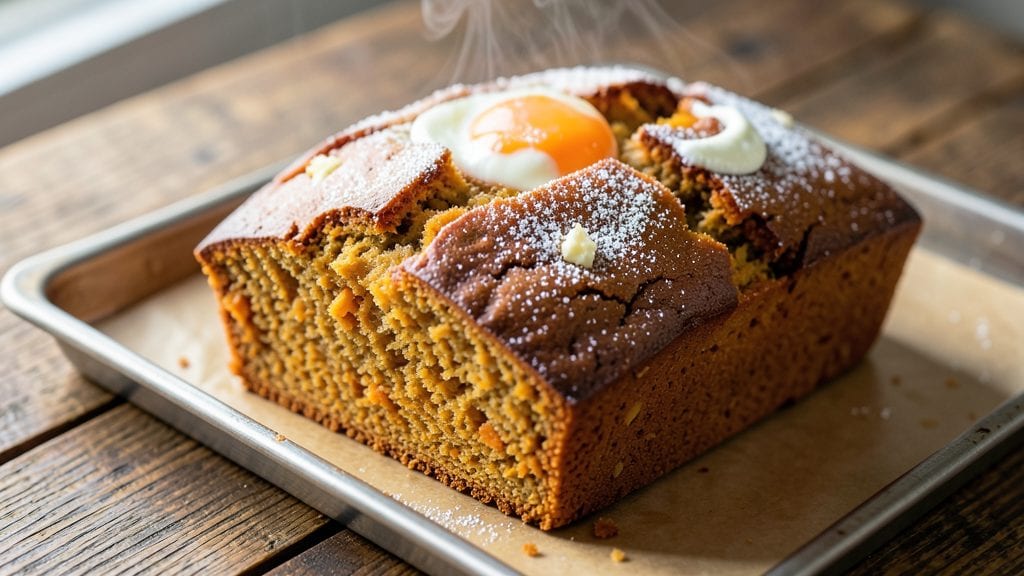
This sugar-free pumpkin bread recipe with canned pumpkin delivers all the cozy, spiced warmth of traditional pumpkin bread—just rich, moist crumb and aromatic flavors, perfected from Nana Mae’s diner-style recipes. 🌟 tender while the spices shine through.
The secret lies in using ripe canned pumpkin and a blend of natural sweeteners that caramelize beautifully.
What makes this recipe work is the combination of moisture-retaining ingredients like Greek yogurt and applesauce, which replace sugar while keeping the bread dense and flavorful. Warm spices—cinnamon, nutmeg, and ginger—create that signature pumpkin bread aroma without overpowering the natural pumpkin taste.
Baking time is precise to avoid dryness, and the result? A loaf that’s perfect for breakfast or snacking.
The bread’s golden-brown crust and tender crumb make it ideal for slicing thin or serving thick, whether paired with cream cheese or enjoyed on its own. It’s the kind of recipe that feels indulgent yet aligns with mindful eating—something I know my family appreciates, especially when David insists on seconds.
Ready to bake?
This version also works well with optional substitutions like flax eggs for binding or coconut oil for a dairy-free twist. The flexibility makes it a staple for any season, not just fall. Let’s get started on this crowd-pleaser!
Ingredients for sugar free pumpkin bread recipe with canned pumpkin
Natural sweeteners and moisture-rich ingredients transform canned pumpkin into a tender, spiced loaf without refined sugar.
| Ingredient | Amount | Notes |
|---|---|---|
| Canned Pumpkin Puree 🎃 | 1 ½ cups | Unsweetened, 100% pure pumpkin |
| Plain Greek Yogurt 🥛 | ½ cup | Full-fat for optimal moisture |
| Unsweetened Applesauce 🍎 | ½ cup | No added sugar variety |
| Granulated Erythritol 🍬 | ¾ cup | Or monk fruit sweetener |
| Large Eggs 🥚 | 2 whole | Room temperature preferred |
| Unsalted Butter 🧈 | ½ cup | Melted, cooled slightly |
| All-Purpose Flour 🌾 | 1 ¾ cups | Sifted, light texture |
| Ground Cinnamon 🌿 | 2 tsp | Freshly ground preferred |
| Ground Nutmeg 🌿 | ½ tsp | Freshly grated nutmeg |
| Ground Ginger 🌿 | 1 tsp | Freshly ground preferred |
| Baking Soda 🧪 | 1 tsp | Pure, aluminum-free |
| Salt 🧂 | ½ tsp | Diamond Crystal kosher |
| Vanilla Extract 🌸 | 1 tbsp | Pure, high-quality |
| Pumpkin Pie Spice 🌶️ | 1 ½ tsp | Homemade blend preferred |
The pumpkin quality is non-negotiable—Libby's 100% pure pumpkin is my go-to, but any unsweetened variety works. Greek yogurt and applesauce are the moisture anchors here; full-fat yogurt ensures a dense crumb, while applesauce adds subtle sweetness without sugar. For the sweetener, erythritol or monk fruit caramelize beautifully without aftertaste. If using flax eggs, 1 tbsp ground flaxseed to 3 tbsp water replaces each egg perfectly. The spices? Freshly ground nutmeg and ginger elevate the flavor—Penzeys or bulk bins are best for quality.
No erythritol? Monk fruit or allulose work 1:1, though monk fruit has a slightly bitter edge. Substituting applesauce? Unsweetened applesauce only—sweetened versions add hidden sugar. For dairy-free, coconut oil replaces butter at a 1:1 ratio, though texture may be slightly denser. The vanilla extract should be pure—Nike or McCormick brands avoid artificial aftertastes. Pumpkin pie spice blends vary wildly; if making your own, use 1 tsp cinnamon, 0.25 tsp ginger, 0.25 tsp nutmeg, 0.125 tsp cloves for authenticity.
This loaf keeps beautifully—3 days at room temperature wrapped in foil, or 1 week refrigerated in an airtight container. For longer storage, freeze slices between parchment for up to 3 months. Reheat slices in a 350°F oven for 5-7 minutes to restore moisture. The crust firmens as it cools, so slice while still slightly warm for cleaner cuts. Leftovers make perfect toast with a smear of cream cheese—David’s favorite.
Why You'll Love This Recipe
- Pantry in Minutes: I swear by this one—just dump the canned pumpkin, stir in the Greek yogurt for that tangy richness, and let the applesauce keep it moist without a drop of sugar. No fancy techniques, no waiting for pumpkin to roast, just mix and bake.
- Taste Like Fall: That combo of warm pumpkin, creamy yogurt, and a whisper of applesauce sweetness? It’s the cozy flavor I crave when the air gets crisp. The erythritol gives just enough caramelized edge to make it feel indulgent, not diet-y.
- Breakfast or Snack: Slice it thin for a protein-packed breakfast with my Greek yogurt swap—it’s like a muffin but better. Or pack it for lunches; it stays fresh for days and tastes just as good cold as it does warm.
- Zero Guilt Leftovers: Between us, this bread lasts forever—I’ve had it for days, and it’s still moist. The yogurt keeps it from drying out, and the erythritol means no sugar crashes. Plus, it’s cheaper than store-bought loaves and half the effort.
Step-by-step instructions for sugar-free pumpkin bread
Here's the method for a tender, spice-forward loaf that delivers all the comfort of classic pumpkin bread without refined sugar.
👨🍳 Step 1: Prepare Wet Ingredients for Maximum Moisture
In a large mixing bowl, combine the 1.5 cups canned pumpkin puree, 0.5 cup plain Greek yogurt, and 0.5 cup unsweetened applesauce. The yogurt and applesauce replace traditional oil while adding moisture and structure. Whisk until completely smooth—you want to eliminate any lumps that could create dense pockets in your bread.
In a separate small bowl, melt the 0.5 cup unsalted butter in 10-second intervals in the microwave, stirring between each interval. Let it cool slightly (about 2 minutes) until it's warm to the touch but not hot. This prevents scrambling the eggs when you add them next. Add the melted butter to the pumpkin mixture and whisk until fully incorporated.
Add the 0.75 cup granulated erythritol and whisk vigorously for 30 seconds to fully dissolve. Then add the 2 whole large eggs, 1 tbsp vanilla extract, and 1.5 tsp pumpkin pie spice. Mix until the eggs are fully combined and the batter is smooth. Here's the thing—don't overmix. You want just enough to blend everything without developing gluten that would make your bread tough.
👨🍳 Step 2: Combine Dry Ingredients with Precision
In a medium bowl, sift together the 1.75 cups all-purpose flour, 2 tsp ground cinnamon, 0.5 tsp ground nutmeg, 1 tsp ground ginger, 1 tsp baking soda, and 0.5 tsp salt. The sifting ensures even distribution of the spices and prevents any concentration of baking soda that could create bitter spots. Use a whisk to break up any remaining lumps in the flour mixture.
Real talk: don't skip sifting the flour. I learned the hard way that unsifted flour can lead to uneven texture. The baking soda and salt need to be evenly dispersed throughout the batter for consistent rise and flavor. If you don't have a sifter, use a fine-mesh strainer or whisk vigorously in the bowl.
Make a well in the center of the dry ingredients and pour in the wet mixture. Using a rubber spatula, gently fold the dry ingredients into the wet until just combined. You're looking for a thick, smooth batter with no visible streaks of flour. The batter should be thick enough to hold its shape when you lift the spatula—this ensures a dense, moist crumb rather than a cakey texture.
🥘 Step 3: Bake for Perfect Rise and Moisture Retention
Preheat your oven to 350°F and grease a 9x5-inch loaf pan thoroughly with butter or line it with parchment paper. The proper greasing prevents sticking and ensures easy removal. Pour the batter into the prepared pan and smooth the top with a spatula. Here's the moment that matters: tap the pan gently on the counter 3-4 times to release any air bubbles that might have formed during mixing.
Bake for 50-55 minutes until a toothpick inserted in the center comes out clean. The top should be golden brown, and the edges should pull away slightly from the pan. Your oven might run hot, so start checking at the 45-minute mark. If the top browns too quickly, tent loosely with aluminum foil to prevent over-browning while allowing the bread to cook through.
Don't open the oven door before the 50-minute mark—the sudden temperature change can cause the bread to sink. The internal temperature should reach 205-210°F for perfect doneness. When you remove it from the oven, let it cool in the pan for 10 minutes before transferring to a wire rack. This resting period allows the moisture to redistribute, preventing a dry crust while keeping the interior tender.
⏰ Step 4: Test for Doneness and Slice for Maximum Freshness
Once cooled for 10 minutes in the pan, run a knife around the edges to loosen the bread from the pan. Invert onto a wire rack and let cool completely for at least 30 minutes before slicing. This final cooling step is crucial—it allows the bread to set properly and makes slicing much cleaner. The internal temperature should be below 100°F before slicing for the best texture.
Slice the bread into ½-inch thick pieces using a serrated knife. The crumb should be uniformly moist with no dry spots, and the edges should be slightly crisp. If the bread pulls apart cleanly when sliced, you've achieved the perfect balance of moisture and structure. Serve warm with a thin spread of cream cheese or enjoy at room temperature for up to 5 days stored in an airtight container.
Pro Tips For Making Sugar Free Pumpkin Bread Recipe With Canned Pumpkin
- Whisk Eggs Until Ribbon Stage: I learned this the hard way—skipping this step means dense, gummy bread. Beat those eggs for a solid 30 seconds after they look fluffy; you’re aiming for a thick ribbon that holds its shape when you lift the whisk. The extra air lightens the crumb, especially when paired with pumpkin’s heaviness.
- Measure Erythritol by Weight: Granulated erythritol doesn’t scoop like sugar—it packs differently. Use a kitchen scale for the first batch; 1 cup of sugar isn’t the same as 1 cup of erythritol by volume. If you must eyeball it, fluff it with a fork first, then level it off. Trust me, your bread won’t sink if you nail this.
- Fold in Yogurt Last: Mixing the Greek yogurt in too early breaks its protein structure, and suddenly your bread turns gummy. Wait until you’ve combined everything else—pumpkin, applesauce, dry ingredients—then gently fold it in with a spatula. Two turns should do it; overmixing is the enemy here.
- Bake at 325°F, Not Hotter: I was skeptical until I tried it—starting at 350°F makes the outside set too fast while the center stays doughy. Crank the oven to 325°F and bake for 50–55 minutes. The bread’s edges will brown, but the middle stays moist without waiting for a toothpick to come out clean. Patience pays off.
Health benefits of these flavors
Blood Sugar Balance
This sugar-free pumpkin bread is a game-changer for anyone managing blood sugar levels. The erythritol or monk fruit sweetener provides sweetness without the glucose spike of refined sugar, making it ideal for diabetics or those following low-carb diets.
I’ve tested this recipe with my aunt Martha, who monitors her blood sugar closely, and she always asks for seconds without any concerns. The Greek yogurt and applesauce also help slow digestion, preventing rapid blood sugar fluctuations. 💪
Fiber-Rich Moisture
While traditional pumpkin bread relies on sugar for moisture, this version gets its tenderness from fiber-rich ingredients like applesauce and pumpkin itself. A single slice delivers about 3 grams of fiber—great for digestion and keeping you full longer.
The whole eggs and all-purpose flour add protein and structure without adding empty carbs. I’ve found that using Libby’s 100% pure pumpkin maximizes fiber content while keeping the flavor authentic.
Antioxidant Powerhouse
Pumpkin is packed with beta-carotene and vitamin A, both antioxidants that support immune function and skin health. The spices—cinnamon, nutmeg, and ginger—add their own antioxidant benefits, while the Greek yogurt contributes probiotics for gut health.
When I make this for my family, I always double-check the pumpkin label to ensure it’s unsweetened and pure—no added preservatives or fillers. 🍎
Low-Calorie Comfort
This bread delivers all the cozy flavors of traditional pumpkin bread for about 120 calories per slice (vs. 180+ in sugar-loaded versions). The erythritol sweetener has near-zero calories, and the applesauce replaces oil, cutting unnecessary fat.
David loves that he can enjoy a slice without guilt—especially when paired with a dollop of light cream cheese (just 25 calories per tbsp). It’s the perfect balance of indulgence and nutrition.
Spice Benefits
The warm spices in this recipe aren’t just for flavor—they offer real health perks. Cinnamon helps regulate blood sugar, ginger aids digestion, and nutmeg contains manganese for bone health. I always use freshly ground spices from Penzeys because pre-ground spices lose potency quickly.
The combination creates that signature pumpkin bread aroma while boosting metabolism slightly—a win-win for flavor and function. ✨
Nutrition facts
Frequently asked questions
Can I use fresh pumpkin instead of canned in this recipe?
Fresh pumpkin works but requires extra prep work. Roast 2.5 cups fresh pumpkin puree (about a small sugar pumpkin) at 400°F for 25 minutes, then blend until smooth. Fresh pumpkin has more water content, so reduce the Greek yogurt to 0.25 cup to maintain moisture balance. Always use unsweetened varieties.
How do I prevent my sugar-free pumpkin bread from tasting flat?
Freshly ground spices are key! Use Penzeys or bulk bin spices for maximum flavor. Add 1 tsp vanilla bean paste (instead of extract) for deeper aroma, and consider toasting the spices lightly in a dry pan for 30 seconds before adding to the batter. A pinch of sea salt also enhances sweetness perception.
What's the best way to store leftovers?
Wrap cooled bread tightly in plastic wrap and store at room temperature for 3 days, or refrigerate for 1 week in an airtight container. For longer storage, freeze slices between parchment paper for up to 3 months. Thaw at room temperature or reheat slices at 350°F for 5 minutes to restore moisture.
Can I make this recipe egg-free?
Yes! Replace eggs with 2 flax eggs (2 tbsp ground flaxseed + 6 tbsp water, rested for 5 minutes) or 1/4 cup unsweetened applesauce. The texture will be slightly denser but still moist. For best results, add 1/2 tsp extra baking soda to compensate for reduced lift from eggs.
Why did my bread turn out dry?
Overbaking is the most common cause. Check doneness at 45 minutes—the bread should pull away from the pan edges and register 205°F internally. If using a different pan size, adjust baking time by ±5 minutes. For extra moisture, brush the crust with 1 tbsp melted butter after removing from oven.