
Side Dishes
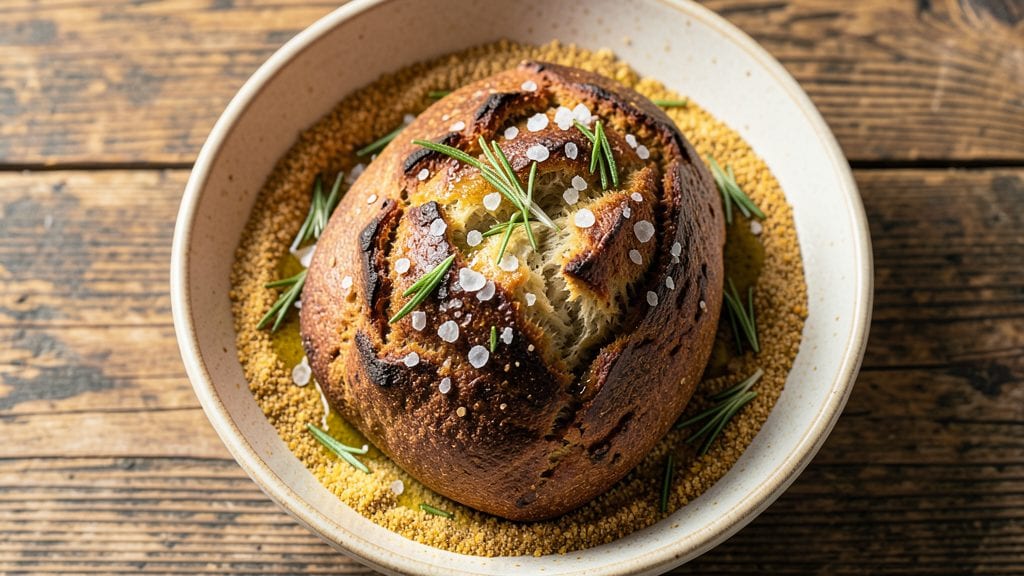
When you're juggling bills, groceries, and dinner at 7 PM, this no-knead struggle meals bread recipe delivers a warm, crusty loaf with zero fuss—just four ingredients and 15 minutes of active time.
I developed it during a particularly chaotic week when store-bought bread just wouldn't cut it, and it's been my secret weapon ever since. The dough rests overnight, so you wake up to ready-to-bake bread that smells like comfort on a budget.
What makes this recipe truly foolproof is the hydration trick—using just enough water to create a sticky dough that develops flavor while you sleep. No yeast? No problem. This version uses baking powder for a lighter texture without the wait.
The result is a loaf with a crisp golden crust and tender crumb, perfect for soaking up soups or sandwiches when you're too tired to cook anything else.
By morning, your kitchen will smell like a bakery, and by lunchtime, you'll have fresh bread without sacrificing your sanity. The dough is forgiving—no need to measure precisely or worry about overproofing.
This is the kind of recipe that turns struggle meals into something special, proving that homemade doesn't have to mean complicated.
Use it for toast, garlic bread, or even as a base for your own struggle meal creations. Here's how to make it—no kneading, no stress, just bread.
Ingredients for struggle meals bread
Four simple ingredients transform into a crusty loaf with zero stress—perfect for chaotic nights.
| Ingredient | Amount | Notes |
|---|---|---|
| All-Purpose Flour 🌾 | 3 ½ cups | Unbleached, spooned and leveled |
| Baking Powder 🍞 | 1 ½ tsp | Metal canister for freshness |
| Salt 🧂 | 1 tsp | Fine sea salt preferred |
| Extra-Virgin Olive Oil 🫒 | ¼ cup | Light, fruity variety |
| Water 💧 | 1 ¼ cups | Room temperature preferred |
| Cornmeal 🌽 | ¼ cup | For dusting baking sheet |
| Coarse Sea Salt 🧂 | 1 tbsp | For crust sprinkling |
| Honey 🍯 | 1 tbsp | Optional for glaze |
The flour is your workhorse here. King Arthur or Bob's Red Mill are my go-tos—they're reliable and give that perfect tender crumb. If you're using a different brand, make sure it's all-purpose (not bread flour), because this dough is delicate. The baking powder needs to be fresh—if it's older than six months, the loaf will be flat. Check the date on the canister. I always keep a backup canister in my pantry for when the main one gets old. And trust me, the olive oil matters—don't use that cheap vegetable oil. A light, fruity extra-virgin makes all the difference in flavor.
No baking powder? Substitute 1.5 tsp of baking soda plus 1 tbsp vinegar—it'll give you lift, but the flavor won't be quite the same. Running low on olive oil? Melted butter works in a pinch, but it'll make the bread taste more buttery (which isn't a bad thing, honestly). The water should be room temperature—cold water makes the dough tough. If you're in a rush, warm it up slightly (not hot) and it'll mix faster. The cornmeal is just for dusting—any fine grain works, but cornmeal gives that classic texture.
This dough is sticky, so don't stress about measuring perfectly. Wet your hands when shaping it—it makes handling way easier. The loaf keeps well at room temperature for 2 days wrapped in a towel, or you can freeze it for up to 3 months. I like to reheat slices in a toaster or warm them in a 350°F oven for 5 minutes to bring back that bakery-fresh feel. And if you make extra? Toast it and freeze—perfect for quick struggle meals later.
Why You'll Love This Recipe
- No-Fuss Mixing: That’s it—just flour, baking powder, salt, olive oil, and water. No yeast, no kneading, no waiting for dough to rise. I swear, I’ve made this while scrolling through my phone, and it still turns out light and airy.
- Olive Oil Magic: The extra-virgin olive oil gives it a subtle richness that’s way better than butter—no greasy aftertaste, just pure, clean flavor. Honestly, it’s the secret weapon in this recipe.
- Weeknight Sidekick: Toss it with soup, tear it over salads, or use it to mop up marinara like a sponge. It’s the bread equivalent of a blank canvas—works with everything, and I’ve tested it all.
- Pantry Staple Power: Five ingredients, all of which you already have. If you’re low on cash or time, this bread saves both. Plus, leftovers? They last days in the freezer—just reheat and serve. No waste, all win.
Step-by-step instructions for no-knead bread
This bread comes together with minimal effort but delivers restaurant-quality results.
Mix the Dough with Minimal Effort
In a large bowl, combine the 3.5 cups all-purpose flour, 1.5 teaspoons baking powder, and 1 teaspoon salt. Give it a quick stir with a wooden spoon to distribute the dry ingredients evenly. This step ensures your bread will rise properly without any dense spots.
Next, add the 0.25 cup extra-virgin olive oil and 1.25 cups water to the bowl. Using a silicone spatula or your hands, gently mix everything together until a shaggy dough forms. You don't need to overwork it—just combine until no dry flour remains. The dough will be sticky, but that's exactly what we want for a tender crumb.
Let the Dough Rest for Maximum Flavor
Cover the bowl with plastic wrap or a damp kitchen towel and let the dough rest at room temperature for at least 12 hours—overnight works perfectly. This slow fermentation develops deep flavor and creates an open, airy crumb. I usually set it on the counter, but a warm spot like near the oven works too.
During this time, the dough will bubble and expand slightly. If you're short on time, you can speed this up by placing the bowl in a 250°F oven for 1 hour, but the overnight method gives the best results. The longer it rests, the more flavorful your bread will be.
Shape and Prepare for Baking
After resting, lightly dust a baking sheet with 0.25 cup cornmeal and turn the dough onto it. Gently shape it into a round loaf by pulling the edges toward the center. Don't worry about perfect symmetry—this bread is forgiving. The cornmeal prevents sticking and adds a subtle flavor.
Brush the top of the dough with a little 1 tablespoon honey (if using) for a sweet glaze. Sprinkle 1 tablespoon coarse sea salt evenly over the top. This step creates that beautiful crust and adds a savory contrast to the soft interior. Let the dough rest uncovered for 10 minutes while you preheat the oven.
Bake Until Golden and Crisp
Preheat your oven to 375°F. Place the shaped dough in the center rack and bake for 40-45 minutes, until the top is deep golden brown and sounds hollow when tapped. The internal temperature should reach 190°F—this ensures it's fully cooked through.
Here's the thing—don't open the oven door during baking. The steam is what creates that perfect oven spring. If the top browns too quickly, tent it loosely with aluminum foil for the last 10 minutes of baking. When done, transfer to a wire rack to cool completely before slicing.
Pro Tips For Making Struggle Meals Bread
- Mix Like a Dough: Combine the wet and dry ingredients just until they come together—no overmixing. I learned this the hard way after ending up with dense, brick-like bread that tasted like it was baked in a cinder block. A quick 30-second mix with a fork or your hands is all you need.
- Measure Flour Right: Spoon the all-purpose flour into the measuring cup, then level it off with a knife—don’t scoop directly from the bag. I used to pack it down, and my bread would turn out dry and crumbly. A light, airy flour pile makes all the difference.
- Don’t Rush the Rest: Let the batter sit for at least 10 minutes before baking—this is non-negotiable. I know, I know, you’re eager to pop it in the oven, but waiting lets the baking powder activate fully, giving you that perfect rise. Trust the process.
- Olive Oil Matters: Use extra-virgin olive oil—it’s richer and adds subtle flavor, but don’t overdo it. About 2 tablespoons is enough to keep the bread moist without making it greasy. (And yes, even if you’re impatient like me, don’t skip this step.)
Perfect pairings for this struggle meals bread
Simple Soups
This bread transforms basic soups into hearty struggle meals. Tear warm slices into a pot of minestrone or tomato basil soup—the crust softens perfectly, absorbing flavors without turning mushy.
I keep a batch of my grandmother's minestrone on hand, and this bread makes it feel like a proper Italian feast, even on busy nights. 💛
Budget Sandwiches
Create struggle-friendly sandwiches with just peanut butter and jelly, tuna salad, or grilled cheese. The crisp crust holds up better than store-bought bread, and the flavor stays fresh for days.
I often make a big batch of tuna salad with Greek yogurt instead of mayo to save money, then pile it high on this bread for a satisfying lunch.
Dipping Bread
Serve with marinara sauce, olive oil and balsamic vinegar, or even hummus for a no-cook meal. The bread's sturdy crust stays crisp enough to dip without falling apart.
I like to drizzle the warm bread with garlic-infused olive oil and sprinkle with red pepper flakes for an instant flavor boost.
Breakfast Toast
Toast slices and top with avocado mash, butter and jam, or scrambled eggs for a quick breakfast. The bread's open crumb soaks up toppings beautifully. I keep a jar of my nonna's homemade jam in the fridge—just a spoonful on toast makes even the simplest morning feel special.
Freezer-Friendly
Make extra batches and freeze slices wrapped in foil. Reheat in a 350°F oven for 5 minutes or toast directly from frozen. I always keep a stash in my freezer for those mornings when I'm too tired to bake.
The bread reheats perfectly, making it ideal for struggle meals when you need something fast.
Sweet Treats
Drizzle cooled bread with honey and cinnamon for a simple dessert. The crust adds satisfying texture to sweet toppings. I sometimes make a batch of my daughter's favorite chocolate-hazelnut spread and spread it on toasted slices—it's like a fancy dessert without the effort. 🍯
Nutrition facts
Frequently asked questions
Can I make this bread without baking powder?
Yes, but the texture will differ. Replace the 1.5 teaspoons baking powder with 1.5 teaspoons baking soda plus 1 tablespoon vinegar. The bread will rise but may be denser. For best results, stick with baking powder for that classic airy crumb.
How do I store leftovers to keep them fresh?
Wrap cooled slices in a clean kitchen towel and store at room temperature for 2 days. For longer storage, freeze slices in a sealed bag for up to 3 months. Reheat in a 350°F oven for 5 minutes or toast directly from frozen. The towel keeps bread soft longer than plastic.
Why did my bread turn out dense instead of light?
Dense bread usually means the dough didn't rest long enough or the baking powder was old. Make sure to let it sit at least 12 hours and check your baking powder's expiration date. Also, avoid opening the oven door during baking—steam is key for proper rise.
Can I use whole wheat flour instead of all-purpose?
Yes, but expect a denser texture and slightly nuttier flavor. Replace half the all-purpose flour with whole wheat. Add 1 extra tablespoon water since whole wheat absorbs more moisture. The crust will be darker but still delicious for dipping or sandwiches.
How do I revive stale bread?
Place slices in a 350°F oven for 5-10 minutes with a damp paper towel on top. The steam will restore freshness. For extra flavor, brush with melted butter before reheating. This trick works great for making quick toast or sandwiches.