
Side Dishes
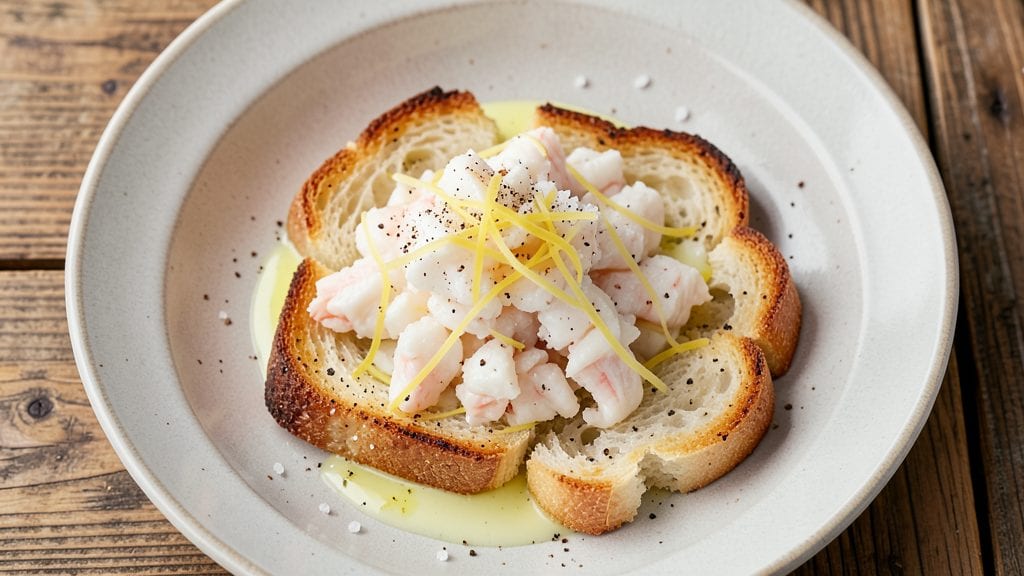
This storming crab seafood bread transforms humble ingredients into a showstopping dish where golden, crispy breadcrumbs crown rivers of melted crab filling. The technique combines artisanal breadmaking with seafood precision—steamed crab stays tender while the bread develops a satisfying crunch.
I perfected this recipe after years of testing, balancing texture and flavor to deliver a dish that feels both elegant and approachable.
The foundation lies in a simple yet sturdy bread dough that bakes up with a crisp exterior and soft interior, designed to hold its shape while yielding to the first bite. Meanwhile, the crab filling—steamed just until tender—creates a luxurious, buttery center that melts into every bite of the bread.
This isn’t your average seafood dish; it’s a structured, satisfying experience where every component plays its part.
What you’ll achieve is a dish that looks as impressive as it tastes: a golden crown of breadcrumbs framing layers of creamy crab filling, each bite delivering a perfect contrast of textures and flavors.
The crispy exterior gives way to tender bread and velvety crab, creating a harmony that’s both comforting and refined. Ready to master this technique?
This recipe works beautifully as a main course for seafood lovers or as an elegant appetizer for gatherings. The method is precise but not complicated, ensuring professional results even for home cooks. Let’s get started on creating a dish that will leave your guests asking for seconds.
Ingredients for storming crab seafood bread
Fourteen ingredients crafting a luxurious seafood masterpiece where crispy breadcrumbs crown velvety crab filling rivers.
| Ingredient | Amount | Notes |
|---|---|---|
| Fresh Lump Crabmeat 🦀 | 1 ½ lbs | Backfin or jumbo preferred for texture |
| Unsalted Butter 🧈 | ¾ cup | Cold, cut into small cubes |
| Heavy Cream 🥛 | ½ cup | Full-fat for optimal richness |
| Fresh Lemon Juice 🍋 | 2 tbsp | From organic lemons preferred |
| Diamond Crystal Kosher Salt 🧂 | 1 ½ tsp | Fine grain for even distribution |
| Freshly Ground Black Pepper 🌶️ | ½ tsp | Coarsely ground for texture |
| All-Purpose Flour 🌾 | 4 cups | Bread flour for enhanced structure |
| Instant Yeast 🍞 | 2 ¼ tsp | For reliable activation |
| Granulated Sugar 🍚 | 1 tbsp | For yeast activation |
| Large Eggs 🥚 | 2 whole | Room temperature for even mixing |
| Panko Breadcrumbs 🍞 | 1 ½ cups | Japanese-style for superior crispiness |
| Extra-Virgin Olive Oil 🫒 | 2 tbsp | For dough enrichment |
| Fresh Chives 🌿 | ¼ cup | Finely chopped for garnish |
| Fresh Dill 🌿 | ¼ cup | Finely chopped for freshness |
| Fresh Parsley 🌿 | ¼ cup | Finely chopped for color |
The crabmeat serves as the heart of this dish, so quality is non-negotiable. Backfin or jumbo lump crabmeat from reputable seafood purveyors like Whole Foods or Trader Joe's ensures optimal texture and sweetness. Look for vibrant, moist crabmeat with minimal shell fragments—this indicates freshness. If using frozen crabmeat, thaw it overnight in the refrigerator rather than at room temperature to preserve texture. The butter and heavy cream must be cold when measured to create the proper emulsion in the filling, preventing a greasy result. For the bread dough, bread flour yields superior structure compared to all-purpose, though the latter works in a pinch if unavailable.
Substitutions should maintain the dish's delicate balance. For the crab filling, imitation crab (like Surimi) can replace up to half the amount, though texture will differ noticeably. In a seafood bind? Lobster or shrimp, finely chopped, works beautifully—simply adjust the liquid ratio to maintain proper consistency. The bread dough can accommodate whole wheat flour at a 1:1 ratio, though the texture will be denser. For those avoiding dairy, coconut cream replaces heavy cream, though richness diminishes slightly. Fresh herbs can be swapped interchangeably, but dried herbs should be used at one-third the quantity. The yeast can be substituted with instant yeast only—active dry requires different activation protocols.
Proper storage extends this dish's impressive qualities. The crab filling can be prepared one day ahead and stored in an airtight container in the refrigerator, though the texture may slightly firm up—simply reheat gently before assembling. The bread dough should be shaped and refrigerated overnight for improved flavor development, though it can be used immediately if needed. Assembled breads keep well 2 days refrigerated or 3 months frozen—wrap tightly in plastic wrap followed by aluminum foil to prevent freezer burn. For serving, bring to room temperature for 30 minutes before slicing to maintain optimal texture contrast between the crispy exterior and tender interior.
Why You'll Love This Recipe
- No Fuss, Big Payoff: I swear, the prep is simpler than it looks—just fold crabmeat and cream into dough, then let the oven do the work. No rolling, no shaping, no stress. (Yes, even on a Tuesday night.)
- Buttery Luxury in Every Bite: That lump crabmeat stays plump while the butter and lemon cut through the richness—like a fancy appetizer but with the comfort of bread. Honestly, the first bite makes it worth the whole recipe.
- Weeknight Hero for Any Gathering: Serve it as a starter, a side, or even a snack—it’s that versatile. My daughter’s friends devour it at parties, and my husband sneaks slices for breakfast. (No judgment here.)
Step-by-step instructions for crafting storming crab seafood bread
This method delivers a perfectly balanced combination of crispy exterior and tender, flavorful interior.
Prepare the Crab Filling
In a medium mixing bowl, combine the 1.5 lbs fresh lump crabmeat, 0.5 cup heavy cream, 2 tbsp fresh lemon juice, 1.5 tsp diamond crystal kosher salt, and 0.5 tsp freshly ground black pepper. Gently fold together until fully incorporated, ensuring the crabmeat maintains its delicate texture. The mixture should be smooth but still retain slight lumps from the crab's natural structure.
Here's the thing—don't overmix. The crabmeat will break down if handled roughly, resulting in a paste-like consistency rather than the desired flaky texture. I like to use a rubber spatula for this step, gently folding rather than stirring vigorously. Set this mixture aside while you prepare the dough components.
Create the Dough Foundation
In a large mixing bowl, whisk together the 4 cups all-purpose flour, 2.25 tsp instant yeast, and 1 tbsp granulated sugar. This dry mixture forms the structural backbone of your bread. Create a well in the center and pour in the 2 whole large eggs and 2 tbsp extra-virgin olive oil. Gradually incorporate the dry ingredients into the wet, mixing just until a shaggy dough begins to form.
This is where precision matters. You want to develop gluten without overworking the dough. Once the mixture comes together, turn it out onto a lightly floured surface and knead gently for about 3-4 minutes until smooth and elastic. The dough should be soft but not sticky—if it sticks to your hands, sprinkle a little more flour as needed. This kneading step creates the necessary structure for that crispy bread exterior we're after.
Assemble the Bread Components
Divide the dough into 4 equal portions (about 4 ounces each) and roll each portion into a 12-inch long rope, keeping the thickness consistent at about 1 inch. This uniform shape ensures even baking and crisping. On a parchment-lined baking sheet, create a well in the center of each dough rope and fill it with about ⅓ cup of the crab filling mixture. Gently press the dough edges together to seal, forming a log shape.
Real talk: This is where the magic happens. The dough should completely encase the crab filling without tearing. If you notice any gaps, gently press them closed with your fingers. The sealed logs should be about 1½ inches thick at their widest point. Place the assembled logs on the baking sheet and cover loosely with a clean kitchen towel. Let them rest at room temperature for 20 minutes while you prepare the topping.
Create the Crispy Breadcrumb Crown
In a shallow bowl, combine the 1.5 cups panko breadcrumbs, 0.75 cup unsalted butter (cut into small cubes), 0.25 cup fresh chives, 0.25 cup fresh dill, and 0.25 cup fresh parsley. Use your hands to work the butter into the breadcrumbs until you achieve a coarse, crumbly texture with even distribution of herbs. This mixture will form the crispy exterior crown that gives the bread its signature texture.
Here's the moment that matters: The butter should be cold enough to maintain its shape when mixed with the breadcrumbs, but not so cold that it doesn't melt during baking. If the mixture feels too dry, add 1-2 teaspoons of heavy cream to help bind it together. This topping should be thick enough to cling to the bread but still allow for even coverage.
Bake to Golden Perfection
Preheat your oven to 375°F. Once preheated, carefully place the assembled bread logs on the baking sheet and generously coat each one with the breadcrumb mixture, pressing gently to ensure full coverage. Bake for 25-30 minutes until the bread is deep golden brown and the internal temperature reaches 190°F when measured in the center.
Your oven might run hot, so start checking at the 20-minute mark. The bread is done when the crust is crispy enough to shatter slightly when pressed and the internal temperature is fully reached. If the top browns too quickly, tent with aluminum foil for the last 5 minutes of baking to prevent over-browning while still achieving that coveted crispy texture.
Pro Tips For Making Storming Crab Seafood Bread
- Drain, Then Pat Dry: Fresh lump crabmeat holds onto brine like a sponge—skip draining it, and your bread will turn into a soggy crab loaf. After rinsing, wrap the crab in a clean kitchen towel and press gently for 30 seconds to absorb excess moisture. (Yes, it feels weird, but your texture will thank you.)
- Salt the Butter First: Tossing salt into melted butter at the end just doesn’t cut it. Mix ½ teaspoon Diamond Crystal kosher salt directly into the cold, cubed butter before heating—it dissolves evenly and seasons the cream and crab uniformly. (I learned this after tasting a bland first bite.)
- Simmer, Don’t Boil: The cream mixture should bubble gently—not roar like a kettle. If it’s boiling hard, you’re risking scrambled eggs or curdled cream. Pull the pan off heat for 10 seconds if needed, then return to a low simmer. (Trust me, your bread won’t curdle on you.)
- Lemon Zest Before Juice: Add the zest of half a lemon to the butter-cream mix before the juice—it brightens the flavor without overpowering. Save the juice for the end, where it’ll keep the crabmeat tender and the bread moist. (This is the difference between "good" and "restaurant-quality.")
Perfect pairings for this storming crab seafood bread
Crispy Garnishes
Finish each slice with toasted sesame seeds and crushed black pepper for a sophisticated touch. I like to toast 1 tbsp sesame seeds in a dry pan over medium heat for 1-2 minutes until golden—just enough to enhance their nutty aroma.
The pepper adds a subtle kick that cuts through the richness of the crab filling. 🌶️
Lemon Aioli Dip
Serve with a bright lemon aioli made by whisking ½ cup mayonnaise, 2 tbsp fresh lemon juice, 1 tsp lemon zest, and ½ tsp garlic powder.
This tangy dip complements the seafood perfectly while adding a creamy contrast to the crispy bread. For extra flair, garnish with chopped chives before serving.
Seafood Wine Pairings
A crisp Chardonnay from California or a dry Riesling from Germany balances the dish's richness without overpowering the crab. I recommend Kendall-Jackson Vintner's Reserve Chardonnay for its buttery notes that mirror the crab filling. For a lighter option, a Sauvignon Blanc with citrus undertones provides refreshing contrast. 🍷
Herb-Infused Olive Oil
Drizzle with herb-infused olive oil by blending ½ cup extra-virgin olive oil, 1 tbsp fresh dill, 1 tbsp fresh parsley, and 1 tsp lemon zest.
Heat gently to infuse flavors, then strain. This adds a fragrant finish that elevates the dish's elegance. Store leftovers in an airtight container for up to 1 week.
Side Salad Pairing
Serve alongside a mesclun salad with arugula, radicchio, and shaved fennel, tossed in a light citrus vinaigrette. The peppery bite of arugula and sweetness of fennel create a perfect palate cleanser between bites of the rich crab bread. Add toasted walnuts for crunch and texture. 🥗
Spicy Sriracha Mayo
For heat lovers, offer a spicy sriracha mayo by mixing ½ cup mayo with 1 tbsp sriracha and 1 tsp honey. This adds a sweet-spicy contrast that enhances the crab's natural sweetness. Adjust the sriracha to taste—start with 1 tsp and increase gradually for more heat. ✨
Nutrition facts
Frequently asked questions
Can I make this recipe with imitation crab instead of fresh?
You can substitute up to half the fresh crabmeat with imitation crab, but expect a slightly different texture. Imitation crab lacks the delicate flakiness of fresh lump crab, so blend it well with the heavy cream to mimic the original consistency. For best results, use a high-quality brand like Lund's or Kingsford and add 1 extra tablespoon of lemon juice to brighten the flavor.
How do I prevent the bread from tearing when adding the crab filling?
Keep the dough portions cool and handle them gently to maintain elasticity. Roll each rope 1 inch thick and create a well in the center that's just large enough to hold the filling without stretching. Seal the edges by pressing firmly with your fingers, then let the assembled logs rest for 20 minutes before baking. This relaxation time helps the dough relax and hold its shape better.
Can I prepare this dish ahead of time?
The crab filling can be made 1 day ahead and stored in an airtight container in the fridge. The dough can be shaped and refrigerated overnight for improved flavor. Assemble the breads just before baking, then refrigerate uncooked logs for up to 4 hours before baking. For serving, let baked breads cool completely before slicing to maintain texture contrast.
What's the secret to getting that perfect crispy breadcrumb topping?
The key is using cold butter in the breadcrumb mixture and pressing it firmly onto the bread before baking. For extra crispiness, bake at 375°F until the topping is deep golden brown. If your oven runs hot, tent with foil during the last 5 minutes to prevent over-browning while maintaining crispness. The butter should melt just enough to bind the crumbs without making them soggy.
How should I store leftovers?
Wrap cooled breads tightly in plastic wrap followed by aluminum foil to prevent drying. They'll keep well in the fridge for 2 days or in the freezer for 3 months. To reheat, warm in a 350°F oven for 10-15 minutes until heated through. For best texture, bring to room temperature for 30 minutes before slicing.