
Side Dishes
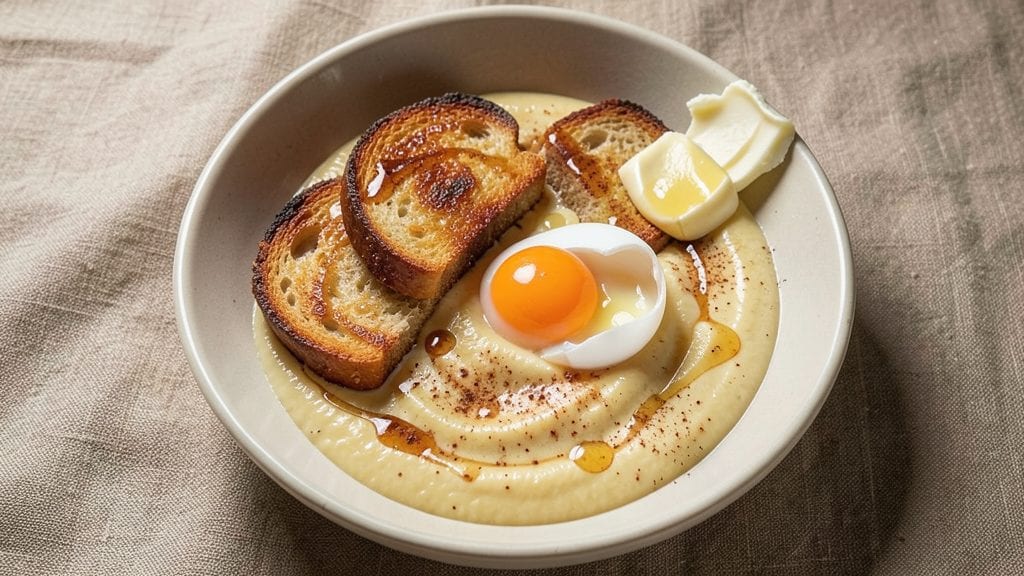
Transforming stale bread into golden, custardy French toast is one of life's great culinary revivals—especially when you nail that perfect soggy texture inside.
Standing on a step stool in my grandmother's kitchen in Sicily, I learned how to balance moisture and heat to create French toast that's tender yet sturdy enough to hold up to syrup and fruit. This isn't just breakfast; it's a technique that turns yesterday's loaf into today's masterpiece.
The secret lies in the batter: a mix of eggs, milk, vanilla, and a pinch of cinnamon that soaks into the bread without making it fall apart.
I use thick-cut bread slices—about ½-inch thick—because they hold up better to frying and deliver that ideal crispy crust with a custardy center. The key is patience: cook each side low and slow, flipping only when bubbles form along the edges.
By the time you've finished, you'll have French toast that's rich, caramelized, and just soggy enough to soak up syrup like a dream. The aroma alone—warm vanilla, buttery edges, and the faintest hint of cinnamon—will have everyone at the table asking for seconds.
This is the kind of breakfast that feels like a hug in food form.
Serve with fresh berries, a drizzle of maple syrup, or a sprinkle of powdered sugar for that classic diner finish. The best part? You can make this in under 20 minutes, proving that even the most basic ingredients can become something extraordinary with the right technique.
Ingredients for soggy bread
Eight simple ingredients transform stale bread into golden, custardy French toast perfection.
| Ingredient | Amount | Notes |
|---|---|---|
| Thick-Cut Bread 🍞 | 8 slices | ½-inch thick, stale or slightly stale |
| Large Eggs 🥚 | 4 whole | Room temperature preferred |
| Whole Milk 🥛 | 1 cup | Full-fat for creaminess |
| Vanilla Extract 🍯 | 1 tsp | Pure extract, not imitation |
| Ground Cinnamon 🌿 | ½ tsp | Freshly ground preferred |
| Unsalted Butter 🧈 | 3 tbsp | Melted for frying |
| Granulated Sugar 🍚 | 1 tbsp | Optional, for extra sweetness |
| Salt 🧂 | ¼ tsp | Kosher or sea salt |
| Maple Syrup 🍁 | ½ cup | For serving, grade B preferred |
| Fresh Berries 🍓 | 1 cup | Optional, for topping |
| Powdered Sugar 🍚 | 2 tbsp | For dusting, optional |
The bread is non-negotiable—thick-cut, about ½-inch thick, is key. Sourdough or brioche from the bakery section at Whole Foods or your local Italian market gives the best texture, but any sturdy bread works. Look for slices that are slightly stale (or let your fresh bread sit out overnight)—this helps it absorb the batter without falling apart. I usually buy the thick-cut loaves from Trader Joe's because they're perfect for this. If you're using a baguette, cut it into ½-inch slices and toast lightly first to help it hold shape.
No vanilla extract? Vanilla sugar or a scraped vanilla bean works in a pinch. Short on milk? Heavy cream or half-and-half makes it richer, but whole milk is fine. The cinnamon is optional, but trust me on the ½ tsp—it balances the sweetness perfectly. For the butter, use unsalted so you can control the saltiness. If you're frying without butter, olive oil or bacon fat works too (bacon fat gives extra flavor, obviously). The sugar is optional, but if you're serving with berries, it helps cut through their tartness.
This batter keeps for 2 days in the fridge—just whisk to recombine before using. The bread slices? Store them in a paper bag at room temp for up to 3 days to keep them slightly stale. French toast reheats beautifully—pop slices in a 350°F oven for 5-7 minutes to crisp up. I always make extra and freeze it (without syrup) for up to 1 month). Just thaw and reheat—no need to refry.
Why You'll Love This Recipe
- No-Fuss Morning: I swear by this when I’m running late—just toast the bread, mix eggs, milk, and cinnamon, then let it soak. Five minutes of hands-off magic while I sip coffee.
- Cinnamon-Kissed Magic: That dusting of cinnamon and vanilla turns ordinary bread into something warm and spiced, like a hug in bite form. The milk and eggs soak right in, giving it a soft, custardy center that’s pure comfort.
- Breakfast or Snack: Serve it with jam for a quick breakfast, or pair it with butter and honey for an afternoon pick-me-up. My kids ask for it after school—no fuss, just satisfaction.
- Budget Breakfast Win: Uses pantry staples and stretches into leftovers for days. I make a big batch on Sundays, and it’s gone by Tuesday—no wasted ingredients, just happy bellies.
Step-by-step instructions for French toast revival
Here's how to transform stale bread into restaurant-quality French toast in minutes.
Prepare the French Toast Batter
In a shallow bowl, whisk together the 4 whole large eggs, 1 cup whole milk, 1 tsp vanilla extract, 0.5 tsp ground cinnamon, 1 tbsp granulated sugar, and 0.25 tsp salt until completely smooth. This mixture should be thick but pourable—about the consistency of heavy cream. I like to use a fork for this step to avoid overmixing, which can make the batter too thin.
Real talk: The batter should coat the back of a spoon but still flow easily. If it's too thick, whisk in 1-2 tablespoons of additional whole milk until it reaches the right texture. Let the batter sit for 5 minutes at room temperature before dipping the bread. This resting period helps the bread absorb the mixture more evenly, preventing a dry center.
Melt the Butter for Frying
Melt 3 tbsp unsalted butter in a large skillet over medium heat until it's fully liquid and forms small bubbles around the edges. You want the butter to be hot enough to sizzle when the bread touches it, but not so hot that it burns the outside before the inside cooks. Here's the thing—if the butter starts smoking, reduce the heat slightly and let it cool for a minute before proceeding.
I always use a 10-inch skillet for this recipe, as it gives enough space to cook two slices of bread at once without crowding. Crowding the pan leads to uneven cooking and soggy edges. Once the butter is ready, you'll know it's time to start dipping the bread.
Dip and Cook the Bread
Working with one slice at a time, dip each ½-inch thick slice of thick-cut bread into the batter, letting it soak for 5-7 seconds per side. You'll notice the bread will turn a deeper golden color as it absorbs the mixture. Don't skip this soaking time—it's what makes the French toast truly tender and flavorful.
Place the soaked bread in the skillet and cook for 2-3 minutes per side until the edges are golden brown and the center is cooked through. You'll know it's done when the bread releases easily from the pan and has a crispy exterior. I press down gently on the bread during the first minute to help it cook evenly and prevent it from curling.
Serve Warm with Toppings
Transfer the cooked French toast to a serving plate and drizzle immediately with 0.5 cup maple syrup. The syrup should pool slightly on the plate, creating a beautiful presentation. While still warm, top with 1 cup fresh berries and dust lightly with 2 tbsp powdered sugar if desired. The powdered sugar adds a delicate sweetness that pairs perfectly with the rich, buttery French toast.
Serve immediately to enjoy the perfect balance of crispy edges and soft, custardy centers. This dish is best enjoyed fresh out of the pan, so don't let it sit too long before serving. Each bite should deliver that classic French toast experience—warm, slightly crispy, and packed with flavor.
Pro Tips For Making Soggy Bread
- Toast Bread First: I learned this the hard way—skipping the toast step means your bread will turn to mush instead of soaking up the custard properly. Pop those slices under the broiler for 2-3 minutes until they’re golden and slightly crisp, then flip them. That extra crunch makes all the difference when the custard hits.
- Whisk Eggs Cold: Whole milk and eggs mix smoother when they’re both cold—trust me, I’ve made the scrambled mess. Grab the eggs straight from the fridge, crack them into a chilled bowl, and slowly whisk in the cold milk. Warmth makes the eggs curdle faster, and nobody wants lumpy soggy bread.
- Don’t Overmix Custard: After burning three batches of overcooked custard, I finally realized: stop stirring the second the mixture thickens enough to coat the back of a spoon. Overmixing turns it gluey, and your bread will end up gummy instead of tender. Pull it off heat fast—it’ll keep thickening off the stove.
- Layer Bread Tight: Sounds weird, but it works: press the soaked bread slices together firmly in the pan before pouring custard over them. The tight stack prevents gaps where custard pools and makes the whole thing cook evenly. No more dry edges or custard running out the sides—just a perfect, unified pudding.
Flavor customization for this soggy bread
Sweet vs. Savory
French toast is traditionally sweet, but you can easily transform it into a savory breakfast with just a few tweaks. Swap the cinnamon and sugar in the batter for ½ tsp dried thyme, ½ tsp garlic powder, and ¼ tsp black pepper.
Use whole milk and add 1 tbsp lemon juice for brightness. For frying, use olive oil or bacon fat instead of butter, and serve with a side of avocado slices or crispy prosciutto.
My Nonna used to make a version with rosemary and Parmesan—trust me, it’s a game-changer for brunch lovers. 🥓
Spiced Variations
Want to add warmth? Infuse the batter with ½ tsp cardamom or ¼ tsp nutmeg for a Middle Eastern twist. For a Mexican-inspired version, stir in ½ tsp chili powder and ¼ tsp cumin, then top with sour cream and sliced jalapeños.
If you love pumpkin spice, mix 1 tbsp pumpkin puree into the batter and bake the soaked bread at 375°F for 10 minutes instead of frying for a cozy fall treat. 🍂
Global Flavors
Take French toast global with a Japanese-inspired matcha version: whisk 1 tsp matcha powder into the batter and top with red bean paste and kinako (roasted soybean flour).
For a French bistro vibe, add 1 tbsp Grand Marnier to the batter and serve with caramelized bananas and a sprinkle of flaky sea salt. My favorite? A Sicilian twist with orange zest and a splash of limoncello in the batter—it’s like sunshine in every bite. 🍊
Dietary Swaps
For a lighter take, replace half the milk with unsweetened almond milk and use egg whites instead of whole eggs. Gluten-free? Use a gluten-free thick-cut bread like Canyon Bakehouse’s—it holds up beautifully.
Vegan French toast is totally doable: blend ¼ cup aquafaba (chickpea brine) with ¼ cup cornstarch and 1 tbsp maple syrup as a binder, then fry in coconut oil. The texture is surprisingly close to the classic! 🌱
Boozy Upgrades
Elevate your French toast with a splash of booze in the batter. 1 tbsp bourbon adds depth, while 1 tbsp espresso powder boosts coffee lovers. For a dessert-worthy version, mix 1 oz amaretto into the batter and top with mascarpone cream and toasted almonds.
Pro tip: Let the alcohol sit in the batter for 10 minutes before dipping to let the flavors meld. 🍷
Kid-Friendly Twists
Make French toast fun for little ones with colorful toppings. Use a cookie cutter to shape the bread into stars or hearts before dipping, or let kids assemble their own toppings with sprinkles, mini marshmallows, or crushed cereal.
For a fun breakfast bar, set out small bowls of toppings like chocolate chips, peanut butter, and honey so everyone can customize. My nephew loves the "rainbow toast" with alternating batter dips of strawberry and blueberry puree. 🌈
Nutrition facts
Frequently asked questions
Why does my French toast come out too dry or crumbly?
The key is in the bread prep! Use slices that are slightly stale (not fresh) and about ½-inch thick. If your bread is too crumbly, try toasting it lightly before dipping to help it hold shape. Also, make sure your batter isn't too thin—it should coat the back of a spoon but still flow easily. Let the bread soak for 5-7 seconds per side to ensure proper saturation.
Can I make French toast ahead of time?
Cook the French toast and let it cool completely, then store it in an airtight container in the fridge for up to 2 days. To reheat, pop slices in a 350°F oven for 5-7 minutes or warm in a skillet with a little butter until crispy again. For longer storage, freeze cooked French toast (without syrup) for up to 1 month—just thaw and reheat.
What's the best bread for French toast?
Look for thick-cut, sturdy bread like sourdough, brioche, or challah. These hold up best to soaking and frying. Avoid soft breads like white sandwich bread—they'll fall apart. My favorite is Italian bread from local markets, but any bread that's slightly stale (or let sit out overnight) works perfectly. If using a baguette, cut into ½-inch slices and toast lightly first.
How do I fix French toast that's too soggy?
If your French toast is too soft, it's likely from over-soaking or undercooking. For future batches, dip bread for only 3-5 seconds per side and cook on medium heat until golden brown. If you've already made it too soggy, try reheating in a skillet with a little butter to crisp up the edges. The ideal texture should be crispy outside, custardy inside—not mushy throughout.
Can I use this batter for other dishes?
Yes! This same batter works great for bread pudding or custard-filled pastries. For bread pudding, cube stale bread and soak it in the batter, then bake at 350°F for 30-40 minutes. You can also use it to make custard-filled donuts by dipping donut holes and frying. The vanilla and cinnamon make it versatile for both sweet and savory adaptations.