
Side Dishes
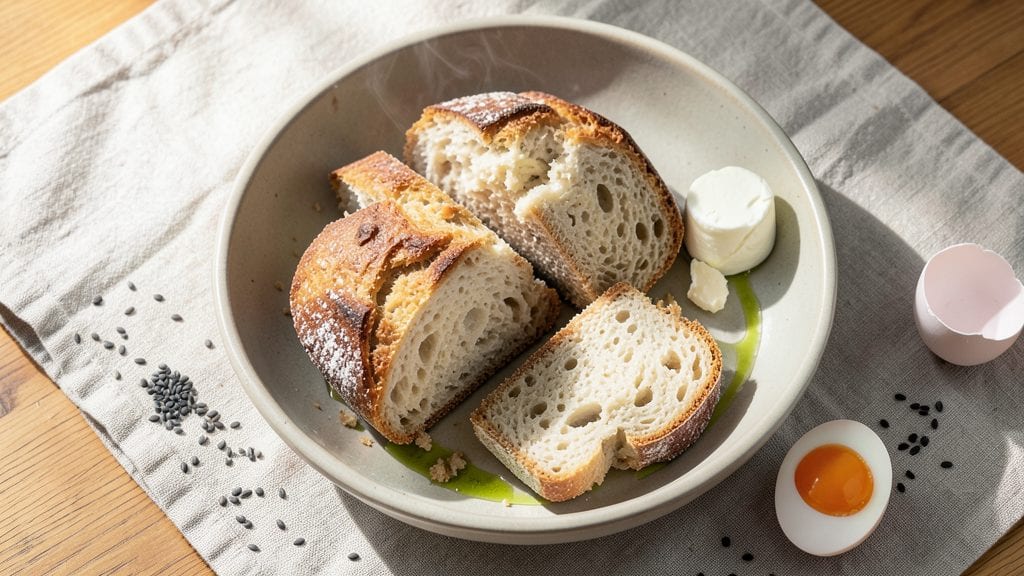
This semolina bread recipe delivers the perfect balance of crispy crust and chewy, nutty heart—just like the bread my Nonna baked in Sicily. Standing on a step stool in her kitchen, I learned how semolina’s coarse texture creates that signature crunch while keeping the interior tender.
The secret lies in precise hydration and a gentle kneading technique that develops gluten without overworking the dough.
What sets this recipe apart is its versatility—traditional Italian pane di semola meets modern adaptations like herb-infused or seeded variations. The dough requires just 30 minutes of active time, followed by a 2-hour proof, making it ideal for weekend baking.
Semolina’s natural gluten content means you can even experiment with gluten-free flours while maintaining that signature texture.
By the time it emerges from the oven, your loaf will have a golden, shatteringly crisp crust and a soft, nutty interior with pockets of air. The aroma alone will fill your kitchen, transporting you to an Italian trattoria.
This bread pairs beautifully with soups, salads, or simply toasted with olive oil and herbs for a quick meal.
For those short on time, a quick version uses baking powder instead of yeast, delivering similar results in 45 minutes. The key to success? Don’t skip the steam during baking—it ensures that crispy crust while keeping the center tender. Let’s get baking!
Ingredients for semolina bread
Semolina flour, yeast, and butter create the perfect crusty-chewy Italian bread—just like Nonna's.
| Ingredient | Amount | Notes |
|---|---|---|
| Semolina Flour 🌾 | 3 cups | Fine semolina, not coarse |
| All-Purpose Flour 🌾 | 1 cup | For structure and rise |
| Active Dry Yeast 🍞 | 2 ¼ tsp | Or 1 packet instant yeast |
| Granulated Sugar 🍚 | 1 tbsp | Feeds yeast for rise |
| Unsalted Butter 🧈 | ½ cup | Cold, cubed for dough |
| Large Eggs 🥚 | 1 whole | Room temperature |
| Diamond Crystal Kosher Salt 🧂 | 1 ½ tsp | Adjust to taste |
| Warm Water 💧 | 1 ¼ cups | 110°F for yeast activation |
| Extra-Virgin Olive Oil 🫒 | 1 tbsp | For dough and crust |
| Cornmeal 🌽 | ¼ cup | For dusting parchment |
| Coarse Sea Salt 🧂 | 1 tsp | For crust sprinkle |
| Sesame Seeds 🌱 | 1 tbsp | Optional for topping |
| Fresh Rosemary 🌿 | 1 tbsp | Chopped, optional herb |
Semolina is the star here—look for fine semolina (not coarse) at Italian markets or the baking aisle of Whole Foods. Barilla or Caputo brands are ideal, but any quality semolina works. The butter needs to be cold for proper dough development—pull it from the fridge 30 minutes before mixing. Fresh yeast is best, but check the expiration date; if it's past its prime, King Arthur or Bob's Red Mill sell reliable packets. For the water, 110°F is perfect—too hot kills the yeast, too cold slows activation. If you don't have a thermometer, let tap water sit for 5 minutes after boiling.
No semolina? Substitute 1 cup all-purpose flour plus 2 tbsp cornmeal—the cornmeal mimics the texture. Out of fresh yeast? Active dry yeast works, but proof it in warm water with sugar for 5 minutes before adding to dough. The butter can be swapped for vegetable shortening if avoiding dairy, though texture will differ slightly. For a quick version, replace yeast with 1.5 tsp baking powder and skip the proof. Rosemary or thyme can be swapped for dried herbs at half the amount, but fresh adds vibrant flavor. Store-bought semolina blends often contain anti-caking agents—homemade is always better.
This dough keeps in the fridge for 48 hours wrapped tightly in plastic, or freeze portions for 3 months. For best results, let dough rise at 75°F—a warm oven with the light on works in winter. The crust develops best with steam, so place a metal tray on the oven rack during baking. Cool completely on a wire rack—cutting too soon makes it gummy. Leftovers toast beautifully; store wrapped at room temperature for 3 days or freeze slices for 1 month. The aroma alone will have your kitchen smelling like an Italian bakery.
Why You'll Love This Recipe
- No-Knead Nightmare Solved: I swear by this dough—just mix, let it rise, and forget it. The semolina gives it that sturdy, no-fuss texture that doesn’t collapse when you’re too tired to shape it properly.
- Buttery Crust, Golden Promise: That crispy semolina crust with the soft, buttery crumb inside? It’s the kind of bread that makes you pause mid-slice, just to admire it. The butter and sugar work magic without tasting sweet—just rich and satisfying.
- Weeknight Wonder: Toss it in a loaf pan for dinner rolls, tear it into chunks for sandwiches, or serve it warm with jam for breakfast. It’s my go-to when I’m too busy to think, but still want something that feels special.
- Budget-Friendly Staple: Semolina and all-purpose flour stretch far, and butter adds richness without breaking the bank. Plus, it keeps for days—meaning fewer grocery trips and more time for the things that actually matter.
Step-by-step instructions for semolina bread recipe
Here's how to craft a golden crust with a nutty, chewy interior—every layer matters.
Activate the Yeast and Mix the Dough
In a large bowl, combine the 1.25 cups warm water (around 110°F) with 1 tbsp granulated sugar and 2.25 tsp active dry yeast. Let it sit for 5-10 minutes until frothy—this confirms the yeast is alive. If it doesn’t bubble, your bread won’t rise properly.
Add the 3 cups semolina flour, 1 cup all-purpose flour, 1.5 tsp diamond crystal kosher salt, and mix with a wooden spoon until a shaggy dough forms. The semolina will give that signature gritty texture, while the all-purpose flour ensures structure. Press the dough together, then add the 0.5 cup cold unsalted butter (cubed) and the 1 whole large egg. Work it into the dough until fully incorporated—it should be soft but not sticky.
Knead Until Smooth and Elastic
Turn the dough onto a lightly floured surface and knead for 8-10 minutes until it becomes smooth and elastic. You’ll know it’s ready when it springs back slowly when pressed. The semolina makes this dough denser than regular bread, so don’t rush—proper kneading develops gluten for that chewy heart.
Shape the dough into a round loaf, place it back in the bowl, and lightly coat the top with 1 tbsp extra-virgin olive oil. Cover with a damp towel and let it rise in a warm place for 1-2 hours, or until doubled in size. If your kitchen is cold, a slightly warmer spot (like near the oven with the light on) speeds this up—just don’t overheat it.
Shape and Proof the Loaf
Punch down the risen dough to release air, then shape it into a round loaf again. Place it seam-side up on a parchment-lined baking sheet dusted with 0.25 cup cornmeal—this prevents sticking and adds texture. Cover loosely and let it proof for another 30-45 minutes until puffy but not fully doubled. The dough should feel firm to the touch but still spring back.
Preheat your oven to 375°F while the dough proofs. Just before baking, brush the top with a little more extra-virgin olive oil and sprinkle with 1 tsp coarse sea salt (for crust) and 1 tbsp sesame seeds (optional). If using, finely chop the 1 tbsp fresh rosemary and sprinkle it over the top for an herbal touch.
Bake for a Crispy Crust and Chewy Interior
Bake the loaf for 30-35 minutes until the crust is deep golden brown and sounds hollow when tapped. The semolina will give it a rustic, slightly crunchy exterior, while the inside stays tender. If the top browns too quickly, tent loosely with foil to prevent over-browning.
Remove from the oven and let the bread cool on a wire rack for at least 15 minutes before slicing—this ensures clean cuts and prevents a gummy texture. The aroma of toasted semolina and rosemary will fill your kitchen, signaling success. Serve warm with olive oil or butter for the full experience.
Pro Tips For Making Semolina Bread
- Bloom the Yeast First: DESCRIPTION: Skip mixing yeast into dry ingredients—dissolve it in warm water with sugar first. After 5–10 minutes, it should look frothy and smell yeasty (not flat or sour). I learned this the hard way when my dough took three hours to rise—turns out, dead yeast is invisible until it’s too late.
- Toast Your Semolina: DESCRIPTION: Dry-toast the semolina in a skillet over medium heat for 2–3 minutes until it smells nutty. This prevents gummy bread and deepens flavor—no fancy equipment needed. (Yes, even if you’re impatient like me, don’t rush this part.)
- Chill the Dough Overnight: DESCRIPTION: Let the shaped dough rest in the fridge for 12–16 hours before baking. The gluten relaxes, the crumb gets finer, and you won’t end up with a dense, sad loaf. I was skeptical until I tried it—now I bake semolina bread on Sundays without stress.
- Butter the Pan Well: DESCRIPTION: Use softened butter (not melted) to grease the pan, then dust with flour—semolina sticks like glue if you skip this. Brush the top of the dough with extra butter before baking for that golden, crackly crust. (Your future self will thank you.)
Serving suggestions for semolina bread
With Olive Oil
My Nonna always served this bread warm with a drizzle of extra-virgin olive oil straight from the jar—just a generous 1 tablespoon per slice. The nutty crunch of semolina pairs perfectly with the fruity notes of a good California olive oil like Corto or Lucini.
For extra flavor, mix in 1 crushed garlic clove and ½ teaspoon red pepper flakes into the oil before drizzling. 🫒
As a Salad Topper
Tear warm semolina bread into rustic chunks and scatter over your favorite salad for added texture. I love it with a Caprese salad—toss cherry tomatoes, fresh mozzarella, and basil with balsamic glaze, then top with bread chunks.
The crunch contrasts beautifully with creamy mozzarella. For a heartier option, add grilled chicken or prosciutto.
With Tomato Soup
This bread is classic with creamy tomato soup, but elevate it by adding roasted garlic and basil to your soup base. Serve the bread in thick slices (about ½-inch thick) for easy dipping.
For a Sicilian twist, add a pinch of cinnamon to the soup—it sounds unusual, but the warmth pairs surprisingly well with the toasted semolina. 🍅
For Breakfast Toast
Toast thick slices until golden and crisp, then rub with a garlic clove for extra flavor. Top with fresh ricotta cheese mixed with honey and chopped pistachios for a sweet breakfast.
Savory option? Spread with herbed goat cheese and sliced figs for a sophisticated morning treat. The semolina’s texture holds up perfectly to these toppings.
With Charcuterie Boards
Semolina bread’s sturdy crust makes it ideal for charcuterie boards. Cut into small cubes and arrange alongside prosciutto, aged cheddar, marinated olives, and dried fruit.
The nutty flavor complements cured meats beautifully. For a visual pop, sprinkle the board with crushed black pepper and edible flowers. 🧀
As a Sandwich Base
Use this bread for open-faced sandwiches—its dense texture holds up to rich toppings. Try pesto, grilled chicken, roasted red peppers, and mozzarella for a Tuscan-inspired meal. For a quick lunch, layer with sliced salami, provolone, and arugula, then drizzle with balsamic reduction.
The crust stays crisp even when toasted lightly before serving. 🥪
Nutrition facts
Frequently asked questions
Why does semolina bread have that signature crunch?
The coarse texture of semolina flour creates that signature crunch while the all-purpose flour provides structure. The key is baking with steam—place a metal tray in the oven while preheating. This helps develop that crispy crust while keeping the interior tender. The butter also contributes to a rich, nutty flavor that enhances the texture.
Can I make this bread without yeast?
Yes! For a quick version, replace the yeast with 1.5 teaspoons baking powder and skip the proofing steps. Mix all ingredients together, shape immediately, and bake at 375°F for 25-30 minutes. The texture will be denser but still delicious—great for when you're short on time.
How do I store semolina bread to keep it fresh?
Wrap cooled bread tightly in plastic wrap or place in an airtight container. It stays fresh at room temperature for 3 days. For longer storage, freeze slices for up to 1 month. To revive, toast frozen slices for 2-3 minutes until crisp. The semolina's natural properties help preserve freshness better than regular bread.
What's the difference between fine and coarse semolina?
Fine semolina gives a smoother texture while coarse semolina creates a more rustic, crunchy bite. For this recipe, use fine semolina (like Barilla or Caputo brands) for the perfect balance. If you only have coarse semolina, pulse it briefly in a food processor to refine it slightly before using. The difference affects both texture and appearance.
Why did my semolina bread turn out dense instead of light?
Over-kneading or under-proofing are common culprits. Knead just until smooth (8-10 minutes) and let the dough rise until doubled. Also check your yeast—it should bubble within 5-10 minutes when mixed with warm water. If your kitchen is cold, place the dough in a slightly warmer spot (like near the oven with the light on) to help it rise properly.