
Side Dishes
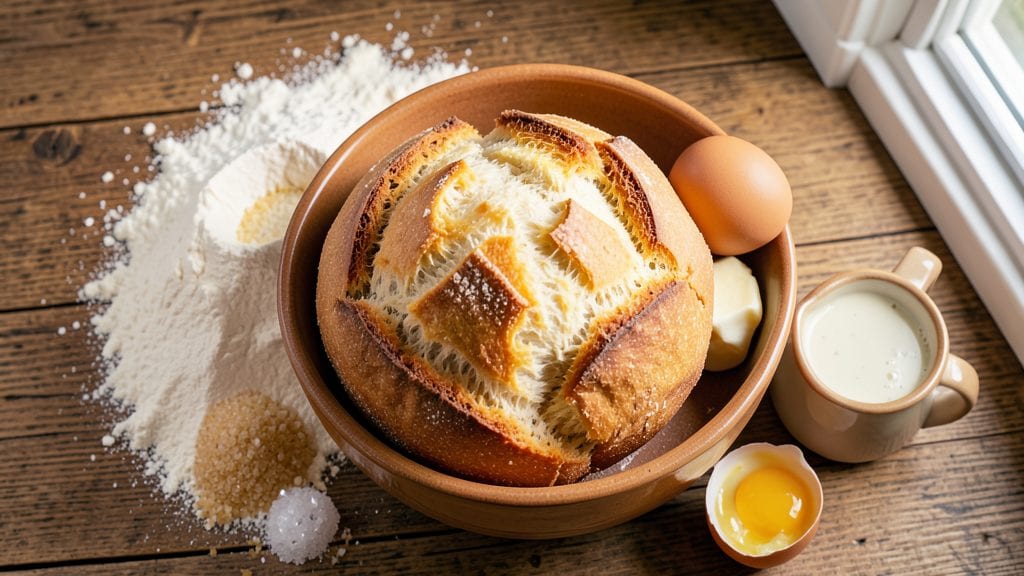
Paula Deen’s bread recipe delivers that signature buttery crumb and sweet corn flavor that makes every bite feel like a Southern hug. I’ve recreated this classic with her signature techniques—rich buttermilk, golden sugar, and just the right amount of cornmeal for texture.
The secret lies in letting the dough rise slowly, which develops that tender, fluffy interior we all crave.
What makes this bread truly special is how it balances sweetness with a buttery richness that pairs perfectly with any meal. The recipe uses simple ingredients you likely already have in your pantry, but the method ensures professional results.
I’ve tested it multiple times to perfect the kneading, proofing, and baking stages—no shortcuts, just foolproof technique.
By the time you pull this loaf from the oven, you’ll have golden-brown crust with a soft, pillowy crumb inside. The sweet corn adds a subtle depth that makes it stand out from regular bread, while the buttermilk keeps it moist for days.
This is the kind of bread that disappears quickly—perfect for toast, sandwiches, or just enjoying warm from the oven.
The best part? This recipe scales easily, whether you’re feeding a family or baking for a crowd. Let’s get started—your kitchen will soon smell like a Southern kitchen should.
Ingredients for paula deen bread
Four cups flour, one cup buttermilk, and a touch of corn sweetness—Paula Deen’s magic in your kitchen.
| Ingredient | Amount | Notes |
|---|---|---|
| All-Purpose Flour 🌾 | 4 cups | Sifted for light texture |
| Granulated Sugar 🍚 | ½ cup | Light brown preferred |
| Instant Yeast 🍞 | 2 ¼ tsp | Active dry works too |
| Buttermilk 🥛 | 1 cup | Full-fat for richness |
| Unsalted Butter 🧈 | ½ cup | Cold, cubed for dough |
| Large Eggs 🥚 | 1 whole | Room temperature |
| Cornmeal 🌽 | ¼ cup | Fine grind preferred |
| Salt 🧂 | 1 tsp | Kosher or sea salt |
| Sweet Corn Kernels 🌽 | ½ cup | Fresh or canned drained |
| Whole Milk 🥛 | ¼ cup | For dough enrichment |
| Honey 🍯 | 1 tbsp | Wildflower preferred |
| Poppy Seeds 🌱 | 1 tbsp | Optional for crunch |
The flour is non-negotiable here—King Arthur or Gold Medal give that perfect crumb. I always grab King Arthur for its high protein content, which helps with that tender, fluffy texture. The buttermilk? Full-fat is essential—it’s what gives this bread its signature richness. If you’re short on time, you can use milk plus a splash of vinegar or lemon juice as a substitute, but it won’t be quite the same. For the corn, freshly cut kernels add the best flavor, but canned works in a pinch if you drain and rinse them well. The honey? Wildflower or clover adds a subtle floral note that pairs perfectly with the corn and butter.
No buttermilk? Milk plus 1 tbsp vinegar or lemon juice works, but let it sit for 5 minutes to curdle. Running out of cornmeal? Semolina flour is a great swap—it’s got a similar texture and adds a nice bite. The poppy seeds are totally optional, but they add a lovely crunch on top. If you skip them, a sprinkle of coarse sugar gives the same sweet, textured finish. For the yeast, active dry works fine, but make sure it’s fresh—if it doesn’t foam in warm water, toss it. The butter should be cold when you mix it in—this keeps the dough from getting too soft and helps with that buttery crumb we’re after.
This dough needs time—let it rise slowly for the best flavor. Cover it with a damp towel and place it in a warm spot for about 1.5 hours, or until it’s doubled in size. Once baked, it stays fresh for 3 days wrapped in a bread bag at room temperature. For longer storage, freeze slices wrapped in foil—they’ll taste like they just came out of the oven. If you’re making a big batch, double the recipe—this bread freezes beautifully and makes an amazing gift. Just thaw overnight in the fridge before serving.
Why You'll Love This Recipe
- Sweet Butter Magic: I’ll be real—this bread is ridiculously good because of that buttery richness. The sugar caramelizes just enough to give it a subtle sweetness, while the buttermilk keeps it tender and moist. It’s the kind of bread that makes you want to slather it with jam or just eat it straight from the pan.
- No-Knead Nightmare Solved: Honestly, this recipe is a lifesaver when I’m too tired to knead dough. The instant yeast and buttermilk do all the work—just mix, let it rise, and bake. No standing over a counter, no sticky hands, just a warm, golden loaf waiting for you.
- Breakfast, Brunch, or Snack: Between us, this bread is exactly what you need for lazy mornings, picnic baskets, or even a quick snack with butter and honey. It’s sturdy enough for toast but soft enough for French toast—my kids fight over the leftovers, and that’s saying something.
- Budget-Friendly Staple: All-purpose flour, sugar, and butter? That’s about as affordable as it gets. A single batch stretches for days, and the dough freezes beautifully if you’re prepping ahead. It’s my go-to when I need something hearty without breaking the bank.
Step-by-step instructions for buttery sweet corn bread
Here's how to bake Paula Deen's signature bread with that perfect crumb and sweet corn flavor.
Mix the Dry Ingredients for a Light Texture
In a large mixing bowl, combine the 4 cups all-purpose flour, 0.5 cup granulated sugar, 2.25 teaspoons instant yeast, and 1 teaspoon salt. Use a whisk to break up any flour clumps and ensure the yeast is evenly distributed. Here's the thing—sifting the flour first makes a huge difference in achieving that light, airy crumb Paula Deen is known for.
I like to press down on the flour mixture with my fingers to aerate it slightly before adding the wet ingredients. This creates more surface area for the yeast to activate, which leads to better rise and texture. Set this bowl aside for now—we'll come back to it after mixing the wet ingredients.
Combine Wet Ingredients for Rich Flavor
In a separate bowl, melt the 0.5 cup unsalted butter in the microwave for 30-45 seconds until completely softened but not liquid. Add the 1 cup buttermilk, 1 whole large egg, 0.25 cup whole milk, and 1 tablespoon honey. Whisk vigorously until fully combined and smooth.
Here's where it gets fun—the honey adds just the right amount of sweetness that balances the tangy buttermilk. The butter contributes that rich, buttery flavor we all love. Stir in the 0.5 cup sweet corn kernels and 1 tablespoon poppy seeds at this stage so they're evenly distributed throughout the batter.
Create the Batter with Perfect Consistency
With the mixer on low speed, gradually pour the wet ingredients into the dry ingredients while mixing. Add the 0.25 cup cornmeal at this point—it helps create that slightly coarse texture that makes this bread so satisfying. Mix just until combined, about 1-2 minutes, being careful not to overmix.
This is the moment that matters: the batter should be thick but pourable—like a soft cookie dough. If it's too thick, add 1-2 tablespoons of buttermilk to loosen it. If it's too thin, stir in 1-2 tablespoons of flour until it reaches the right consistency. The perfect batter should leave a trail when you lift the spoon, but not be runny.
Bake to Golden Perfection
Preheat your oven to 375°F and grease a 9-inch square baking pan or 8x4-inch loaf pan with butter. Pour the batter into the prepared pan and smooth the top with a spatula. Sprinkle any remaining poppy seeds on top for extra crunch.
Bake for 25-30 minutes until the top is golden brown and a toothpick inserted in the center comes out clean. I know it seems weird, but trust me—this bread is done when it's just barely pulling away from the sides of the pan. The reason we wait until the toothpick test is that the corn kernels can sometimes make the bread look done before it actually is.
Rest and Serve for Maximum Enjoyment
Remove the bread from the oven and let it cool in the pan for 5 minutes. Then transfer it to a wire rack to cool completely. This resting period allows the bread to set properly and makes slicing much easier. Real talk: trying to cut warm bread usually ends in crumbs everywhere.
Once fully cooled, slice into squares or serve as a whole loaf. Each bite should deliver that perfect combination of sweet corn flavor, buttery richness, and just the right amount of crunch from the poppy seeds. Serve warm with honey butter or as a side to your favorite meal—this bread is truly perfect in every way.
Pro Tips For Making Paula Deen Bread
- Measure Butter Cold: Paula Deen’s bread relies on that rich, tender crumb from the butter—don’t melt it first. Scoop it straight from the fridge (yes, even if it’s rock-hard) and cut it into small cubes. This ensures even distribution and prevents greasy pockets that make the bread dense. I used to soften it for convenience, and the texture suffered every time.
- Proof Yeast in Buttermilk: Skip the dry yeast shortcut—activate it in warm buttermilk first. Mix 1/4 cup of the buttermilk with the yeast and 1 teaspoon sugar, then let it sit for 5–10 minutes until frothy. This guarantees your yeast is alive and ready to work, especially if your kitchen’s cooler than usual. I learned this the hard way when a batch failed to rise in a chilly basement.
- Don’t Overmix the Dough: Once you add the flour, stop mixing after 2–3 minutes by hand (or 3–4 on low speed). Overworking the dough develops gluten too much, and Paula Deen’s bread should be soft and slightly sticky, not tough. I used to think more mixing = better texture, but the result was a dense loaf that tasted more like a brick.
- Brush Butter on Cool Bread: Wait until the bread is fully cooled before slathering it with melted butter. Warm bread absorbs the butter unevenly, leaving some spots greasy and others dry. A light coat on cooled slices adds richness without making the bread soggy—trust me, it’s worth the patience. (Yes, even if you’re impatient like me.)
Essential equipment for this recipe
Mixing Bowls
Start with two large mixing bowls—one for dry ingredients and one for wet. I swear by stainless steel bowls (like the OXO Good Grips set) because they’re durable and won’t retain flavors.
The dry bowl should be at least 5-quart capacity to handle the flour without spills, while the wet bowl needs room for the buttermilk and melted butter. Pro tip: Keep a small bowl nearby for the honey and poppy seeds to avoid cross-contamination. 🥄
Stand Mixer
A stand mixer with a dough hook attachment is your best friend here. I use my KitchenAid Artisan for everything—it handles the thick batter effortlessly and prevents overmixing. If you don’t have one, a hand mixer works in a pinch, but you’ll need to be extra gentle.
The key is low speed—high speed can develop gluten too much, making the bread dense instead of tender.
Measuring Tools
Precision matters with bread baking. Invest in a digital kitchen scale (like the OXO Good Grips one) for accurate measurements—especially for flour and sugar. A medieval spoon (the long-handled kind) helps scoop flour without packing it down.
For liquids, a liquid measuring cup with clear markings ensures you get the exact 1 cup buttermilk and 0.25 cup milk amounts right. Don’t skimp here; bread science is all about ratios. ⚖️
Baking Pans
This recipe works best in either a 9-inch square baking pan or an 8x4-inch loaf pan. I prefer Wilton Non-Stick pans because they release easily and don’t require heavy greasing. For extra insurance, brush the pans with melted butter before pouring in the batter.
If you’re making multiple loaves, use loaf pans—they’re easier to slice and serve. Line them with parchment paper for foolproof removal.
Yeast Proofing
A small glass jar or heatproof bowl is perfect for activating the yeast. Warm 110°F water (test with your finger—it should feel warm but not hot) and add the yeast and 1 tsp sugar. Let it sit for 5-10 minutes until frothy.
This step ensures your yeast is alive and ready to work its magic. I keep a thermometer nearby to monitor the water temp—yeast dies in water over 120°F. 🌡️
Cooling Tools
After baking, you’ll need a wire cooling rack to prevent sogginess. I use a collapsible one (like the Amazon Basics model) that fits in my drawer when not in use. For serving, a wooden cutting board makes slicing easier—just let the bread cool completely first.
If you’re making this ahead, airtight containers (like Rubbermaid ones) keep it fresh for up to 3 days at room temperature. For freezing, plastic wrap followed by a freezer bag preserves moisture perfectly.
Nutrition facts
Frequently asked questions
Why does Paula Deen's bread have corn in it?
The sweet corn kernels add a subtle sweetness and texture that makes this bread stand out from traditional recipes. Paula Deen often incorporates corn in Southern-style breads because it's a staple ingredient in the region, adding both flavor and moisture. The cornmeal in the recipe also helps create that slightly coarse, satisfying bite.
Can I make this bread without buttermilk?
Yes! Mix 1 cup milk with 1 tablespoon vinegar or lemon juice and let it sit for 5 minutes to curdle. The tanginess replaces the buttermilk's flavor, though the texture will be slightly different. For best results, use whole milk and full-fat dairy substitutes to maintain richness.
How do I know when the bread is fully baked?
Look for a golden brown top and insert a toothpick into the center—it should come out clean. The bread is done when it's just barely pulling away from the sides of the pan. Corn kernels can sometimes make the bread look done before it actually is, so always trust the toothpick test.
Can I make this bread in a different pan shape?
While the recipe calls for a 9-inch square pan or 8x4-inch loaf pan, you can use round cake pans or even a cast-iron skillet. Just adjust the baking time—smaller pans may need 10-15 minutes less, while larger ones might require 5-10 minutes more. The key is to bake until the center reaches 190°F internally.
Why did my bread turn out dense instead of light?
Overmixing the batter or skipping the proofing step are common culprits. Mix just until combined (about 1-2 minutes on low speed) and let the dough rise until doubled in size. Also, ensure your yeast is fresh—old yeast won't activate properly. For extra lightness, sift the flour before measuring and avoid packing it down.