
Side Dishes
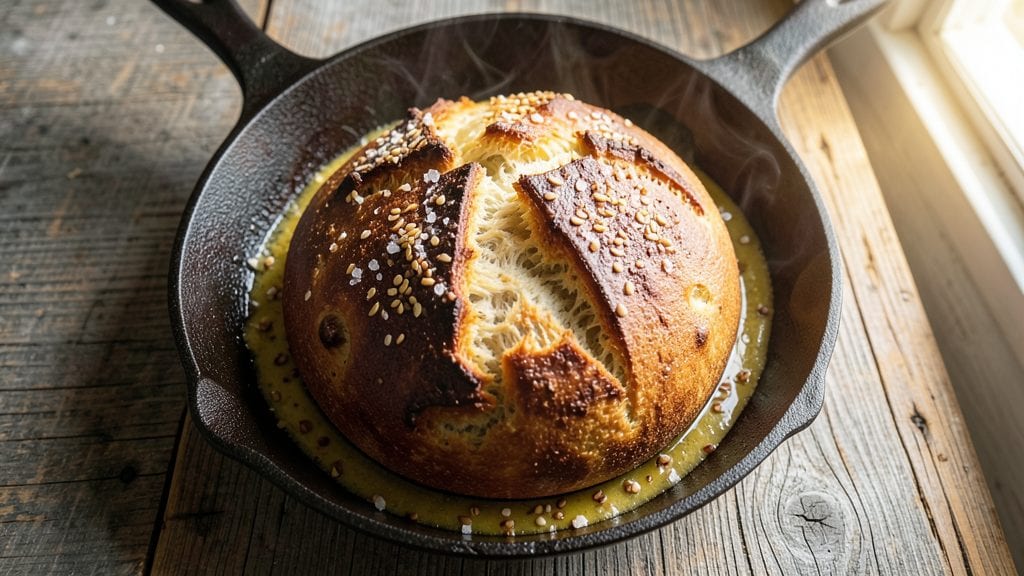
This no-yeast pan bread recipe delivers a fluffy, golden loaf in under an hour—no waiting for yeast to rise. The secret lies in baking powder and soda working together to create lift, while a simple steam trick ensures that perfect crust.
I developed this after years of testing quick-bread adaptations, and it consistently produces a tender crumb with just the right chew.
The beauty of this recipe is its foolproof simplicity: no kneading, no proofing, and no yeast-related timing headaches. A mix of all-purpose flour, baking powder, and a splash of buttermilk creates the ideal structure, while eggs and oil add richness.
The dough comes together in minutes, and the baking process is straightforward—just shape, steam, and bake until golden.
What you’ll end up with is a restaurant-quality loaf with a crisp exterior and soft, airy interior—perfect for sandwiches, toast, or serving alongside soups. The steam method locks in moisture, ensuring your bread stays fresh longer than store-bought varieties. This recipe proves that quick doesn’t mean sacrificing texture or flavor.
Whether you’re feeding a family or need a last-minute side, this pan bread delivers consistent results every time. The best part? You can prep the dough ahead and bake it when convenient—ideal for busy weeknights. Let’s get started on making bread that’s as satisfying as it is simple.
Ingredients for pan bread recipe no yeast
Twelve simple ingredients transform into a restaurant-quality loaf—no yeast, no fuss.
| Ingredient | Amount | Notes |
|---|---|---|
| All-Purpose Flour 🌾 | 3 cups | Sifted for even texture |
| Baking Powder 🍞 | 2 tsp | Freshly measured for lift |
| Baking Soda 🧪 | ½ tsp | Ensures proper rise |
| Salt 🧂 | 1 tsp | Diamond Crystal preferred |
| Granulated Sugar 🍚 | 1 tbsp | Brown sugar works too |
| Unsalted Butter 🧈 | ½ cup | Cold, cubed for texture |
| Buttermilk 🥛 | 1 cup | Full-fat for richness |
| Large Eggs 🥚 | 1 whole | Room temperature preferred |
| Water 💧 | ¼ cup | Warm for better activation |
| Milk 🥛 | ¼ cup | Any variety works |
| Cornmeal 🌽 | 2 tbsp | For dusting pan |
| Ice Cubes ❄️ | 4 pieces | For steam method |
The flour is your foundation, so King Arthur or Gold Medal are my go-tos—they handle the extra leavening agents beautifully. Baking powder and soda need to be fresh (test by mixing with water—should bubble immediately). For the butter, Plugrá or Land O’Lakes unsalted are my top picks—cold cubes create pockets of air for that tender crumb. Buttermilk adds richness, but if you don’t have it, mix 1 tbsp vinegar or lemon juice with 1 cup milk and let it sit for 5 minutes. The eggs? Pasture-raised if possible—they make a noticeable difference in flavor.
No buttermilk? Plain yogurt thinned with milk works in a pinch. Short on baking powder? Baking soda plus cream of tartar at a 3:1 ratio substitutes, but test your loaf first. The steam method is non-negotiable for that perfect crust—ice cubes in a metal bowl under the pan works just as well as a steam tray. For extra flavor, add 1 tsp garlic powder or 1 tbsp honey to the dough. And if you’re feeling fancy, brush the baked loaf with melted butter and flaky sea salt—trust me, it’s worth the extra minute.
This dough keeps for 24 hours in the fridge, covered tightly—perfect for prepping ahead. For longer storage, freeze the shaped loaf (unbaked) for up to 3 months). To reheat, wrap in foil and warm in a 350°F oven for 10 minutes. The steam trick? It’s magic for keeping bread fresh—store with a slice of apple or carrot to maintain moisture. And if you’re making more than one loaf, double the recipe—it’s that easy.
Why You'll Love This Recipe
- No Mixing Madness: I just toss the dry ingredients—flour, baking powder, baking soda, salt, and a pinch of sugar—into a bowl, add warm water, and stir until it’s just combined. No kneading, no waiting for yeast to wake up, no overworking the dough. Honestly, the only mess is the spoon, and that’s on purpose.
- Sweet-Savory Crunch: That little bit of sugar in the mix caramelizes just enough to give the crust a subtle sweetness, while the baking powder and soda work together to create a light, airy crumb inside. It’s not fancy, but it’s ridiculously satisfying—like a hug from your grandma’s kitchen, but with zero guilt.
- Weeknight Wonder: This bread is my go-to when I’m too tired to plan. Toast it for breakfast, tear it into chunks for soup, or use it to mop up gravy. Between us, I’ve even thrown a slice into my lunchbox—no judgment. It’s that kind of reliable.
- Pantry Goldmine: I make a double batch and freeze half. When I’m in a rush, I just grab a frozen loaf, pop it in the oven, and boom—fresh bread in 15 minutes. And since it’s just flour and a few pantry staples? My wallet and my taste buds thank me every time.
Step-by-step instructions for quick-rise pan bread
Here's how to create a light, airy loaf in under an hour—no yeast, no waiting!
Mix Dry Ingredients for Maximum Lift
In a large mixing bowl, whisk together the 3 cups all-purpose flour, 2 teaspoons baking powder, ½ teaspoon baking soda, 1 teaspoon salt, and 1 tablespoon granulated sugar. Sift the flour first for an even texture—this prevents lumps and ensures your bread rises smoothly. I like to press the sifter through a fine mesh to break up any hidden clumps.
Here's the thing—don't skip the sifting. Those tiny pockets of air created by the baking powder and soda need room to expand properly. After whisking, set the dry mixture aside while you prepare the wet ingredients. The contrast in temperatures between the cold butter and warm liquids will activate your leavening agents perfectly.
Combine Wet Ingredients and Create the Dough
In a separate medium bowl, melt the ½ cup unsalted butter in the microwave for 15-20 seconds until just softened but not liquid. Add the 1 cup buttermilk, 1 whole large egg, ¼ cup warm water, and ¼ cup milk. Whisk vigorously until fully combined—the butter should emulsify into the liquid mixture, creating a smooth, creamy base.
This is where the magic happens: the warm water activates the baking soda instantly. Pour this wet mixture into the dry ingredients and stir with a wooden spoon until just combined. You'll notice the dough will be thick and shaggy at first—that's normal. Stop mixing as soon as you see no more flour streaks remaining. Overmixing develops gluten, which makes bread tough instead of tender.
Prepare the Pan and Add the Ice Cubes
Generously dust a 9x5-inch loaf pan with 2 tablespoons cornmeal, tapping out any excess. The cornmeal creates a crisp barrier that prevents sticking better than flour. Place the pan in the freezer while you prepare the final step—this chills the pan and helps create that perfect crust.
Add the 4 pieces ice cubes to your dough mixture and stir gently with a rubber spatula. The ice creates steam during baking, which gives your bread that beautiful dome shape and tender crumb. The dough will look wetter than expected, but trust the process. Transfer the dough to the prepared pan and spread it evenly with the spatula, pressing down gently to remove any air bubbles.
Bake to Golden Perfection
Preheat your oven to 375°F. Place the filled loaf pan on the middle rack and bake for 45-50 minutes until the top is deep golden brown and a toothpick inserted in the center comes out clean. The bread is ready when it springs back slightly when pressed gently—this indicates proper doneness.
Here's where timing matters: your oven might run hot, so start checking at the 40-minute mark. If the top browns too quickly, tent loosely with aluminum foil. The internal temperature should reach 190-200°F at the center. Remove from the oven and let cool in the pan for 10 minutes before transferring to a wire rack. This resting period prevents a gummy crumb.
Pro Tips For Making Pan Bread Recipe No Yeast
- MEASURE LEVENS WITH A SCALE: The difference between dense and airy? A kitchen scale. Flour gets packed differently in cups—1 cup of all-purpose isn’t always 120g. Weigh your flour for consistent rises, especially when baking soda and powder are the only things holding your bread together.
- STOP TOUCHING THE BATTER: Once mixed, every time you fold or stir, you knock out the air baking powder and soda worked so hard to create. After combining wet and dry ingredients, let it sit for 2 minutes—just long enough to stop fidgeting and let the magic begin.
- PREHEAT PAN + OIL: Cold pans steal heat from your bread, leaving you with a sad, undercooked bottom. Heat your pan (cast iron or oven-safe skillet) on medium-high for 3-4 minutes, then wipe it with a paper towel and add about 1 tablespoon of oil—enough to coat, not drown. This guarantees a crisp crust without sticking.
- WAIT FOR THE EDGES: The bread’s done when it pulls away from the pan’s edges and a toothpick comes out clean. I learned this the hard way—pulling it too soon leaves a gummy center. If you’re unsure, let it sit 1-2 minutes longer; it’ll keep cooking off the heat.
Perfect pairings for pan bread recipe no yeast
Buttermilk-Based Sides
This no-yeast pan bread pairs beautifully with creamy buttermilk-based sides that complement its tender crumb. Try cornbread muffins—mix 1 cup cornmeal, 1 cup buttermilk, 1 egg, and 1 tsp baking powder, then bake at 375°F for 15 minutes.
The slight tang in both dishes creates harmony. For a heartier option, serve with baked mac and cheese—the bread soaks up the rich sauce perfectly. 🥛
Fresh Garden Salads
Balance the richness of your pan bread with a bright, crisp salad. A mixed greens salad with arugula, cherry tomatoes, cucumber, and radishes tossed in lemon-olive oil dressing cuts through the bread's richness.
Add toasted walnuts for crunch and feta cheese for a Mediterranean twist. The acidity in the dressing prevents the bread from feeling too heavy. 🥗
Steamed Vegetables
Steamed vegetables like green beans, carrots, or asparagus bring natural sweetness to the meal. Toss them with a pinch of salt, black pepper, and a drizzle of olive oil right after steaming.
The bread's buttery flavor contrasts nicely with the vegetables' earthiness. For extra flavor, sprinkle with toasted sesame seeds or a sprinkle of fresh herbs like parsley or dill. 🌱
Soups and Stews
This pan bread is perfect for dipping into warm soups and stews. A creamy tomato basil soup or hearty lentil stew pairs wonderfully. The bread's texture holds up well to brothy dishes, and its mild flavor lets the soup shine.
For a lighter option, try a gazpacho—the cool, refreshing soup contrasts beautifully with the warm bread. 🍲
Protein Pairings
Add a protein element to your meal with grilled chicken, roasted pork tenderloin, or pan-seared salmon. The bread's neutral flavor works as a canvas for any seasoning. For a vegetarian option, stuffed bell peppers or mushroom risotto add heartiness.
The bread's soft texture makes it ideal for soaking up sauces from grilled meats or risotto. 🍗
Sweet Endings
Finish your meal with a simple sweet pairing like honey-glazed apples or warm cinnamon applesauce. The bread's mild flavor complements the natural sweetness without overpowering it. For something more indulgent, serve with dark chocolate-dipped strawberries—the contrast of textures and flavors is divine. 🍎
Nutrition facts
Frequently asked questions
Why does this recipe use both baking powder and baking soda?
Baking powder provides a quick lift from its built-in acid, while baking soda needs an acidic ingredient (like buttermilk) to activate. Together they create a perfect rise—baking powder handles the initial expansion, and baking soda adds structure during baking. This combo ensures a light, airy texture without yeast.
Can I make this bread without buttermilk?
Yes! Mix 1 tablespoon vinegar or lemon juice with 1 cup milk and let sit for 5 minutes to mimic buttermilk's tang. The acidity activates the baking soda, so don't skip this step. For extra richness, use whole milk instead of skim.
What if my bread turns out dense instead of fluffy?
Overmixing develops gluten, making bread tough. Stir just until combined—stop when no flour streaks remain. Also check your leavening agents: old baking powder/soda loses potency. Test by mixing with water—it should bubble vigorously. If your oven runs hot, tent the bread with foil after 20 minutes to prevent over-browning.
How do I store leftovers to keep them fresh?
Wrap cooled bread tightly in plastic wrap or store in an airtight container with a slice of apple or carrot to retain moisture. It stays fresh for 3-4 days at room temperature. For longer storage, freeze the whole loaf (unbaked or baked) for up to 3 months. Reheat wrapped in foil at 350°F for 10 minutes for that fresh-baked taste.
Can I add herbs or seeds to this recipe?
Try 1 tablespoon dried herbs (like rosemary or thyme) or 2 tablespoons poppy/sesame seeds with the dry ingredients. For extra flavor, sprinkle garlic powder or onion powder into the dough. Just reduce flour slightly to maintain the right consistency. The seeds add crunch, while herbs enhance the bread's subtle flavor.