
Breakfast & Brunch
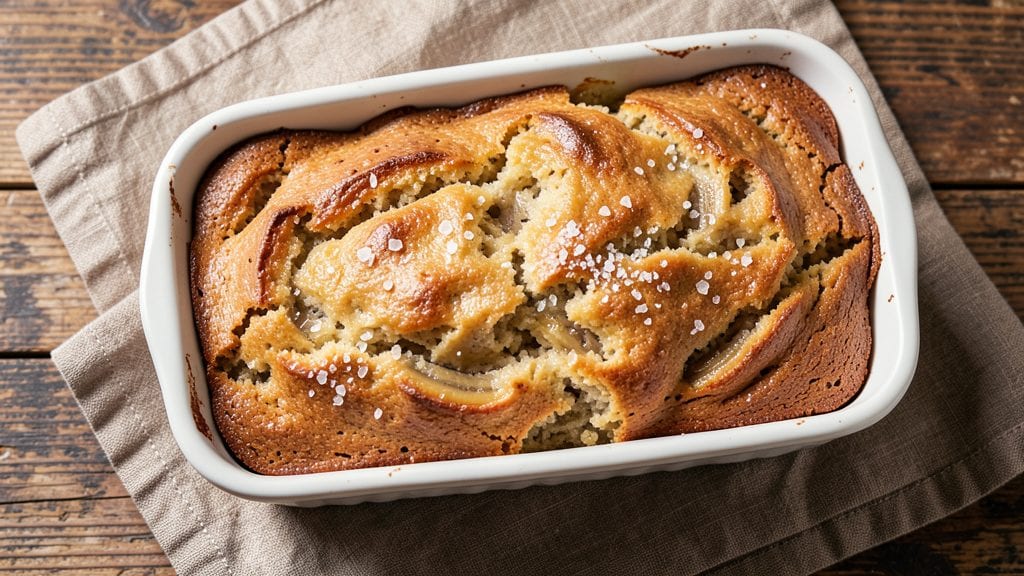
This moist banana bread recipe delivers the perfect balance of tender crumb, rich walnut studs, and deep vanilla infusion—every slice stays fresh for days.
Standing on a step stool in my grandmother's Sicilian kitchen, I learned how proper technique transforms simple ingredients into something extraordinary, and this recipe carries that same care. The secret lies in ripe bananas, melted butter, and a precise mixing method that ensures moisture without heaviness.
What makes this banana bread truly special is the walnut-studded texture and vanilla-infused flavor that elevate it beyond basic recipes.
Unlike many versions that dry out quickly, this one stays wonderfully moist thanks to a simple but critical step: folding in the walnuts at the very end to preserve their crunch while distributing them evenly. The vanilla bean infusion adds depth that makes each bite feel like a homemade treat.
By the time you pull this loaf from the oven, you'll have a golden, fragrant banana bread with a tender crumb that practically melts in your mouth. The walnuts add satisfying texture, while the vanilla-infused flavor makes it taste like a bakery masterpiece.
This is the kind of recipe that becomes a family favorite—easy to make but impossible to resist.
Perfect for breakfast, dessert, or a quick snack, this banana bread freezes beautifully and tastes even better the next day. Whether you're baking for a crowd or treating yourself, this recipe delivers professional-quality results with minimal effort. Let's get started!
Ingredients for moist banana bread
Simple ingredients that transform into a bakery-worthy banana bread with perfect moisture and texture.
| Ingredient | Amount | Notes |
|---|---|---|
| Ripe Bananas 🍌 | 3 medium | Spot brown for sweetness |
| All-Purpose Flour 🌾 | 2 cups | Sifted for even texture |
| Granulated Sugar 🍚 | 1 cup | Light brown sugar works too |
| Unsalted Butter 🧈 | ½ cup | Melted, full-fat preferred |
| Pure Vanilla Extract 🌿 | 2 tsp | High-quality, not imitation |
| Large Eggs 🥚 | 2 whole | Room temperature for blending |
| Baking Soda 🧂 | 1 tsp | Diamond Crystal preferred |
| Salt 🧂 | ½ tsp | Fine sea salt preferred |
| Walnuts 🥜 | 1 cup | Chopped, toasted lightly |
| Plain Greek Yogurt 🥛 | ½ cup | Full-fat for moisture |
| Vanilla Bean Seeds 🌿 | 1 whole | Scraped from 1 pod |
| Milk 🥛 | ¼ cup | Whole milk preferred |
The bananas are the foundation—look for ones with brown spots for maximum sweetness. Whole Foods or Trader Joe's usually have the ripest selection. For the walnuts, Costco's bulk section offers the best price, but any grocery store will do. Toast them lightly in a dry pan before chopping to enhance their flavor. The vanilla bean is non-negotiable here—Madagascar bourbon vanilla adds depth that imitation extracts can't match. If you can't find vanilla beans, high-quality pure extract is the next best thing, but don't skimp on the price.
No Greek yogurt? Sour cream or buttermilk works in a pinch, though the texture may vary slightly. Substituting milk? Oat milk or almond milk can work, but the bread may be less moist. For the sugar, light brown sugar adds subtle molasses notes that complement the bananas beautifully. If you're out of vanilla extract, vanilla sugar can be used at half the amount, but it won't provide the same infusion. The baking soda should be Diamond Crystal if possible—it's more potent than other brands, so measure carefully.
This banana bread keeps beautifully—3 days at room temperature wrapped in foil, or 1 week in the fridge for maximum freshness. For longer storage, freeze slices individually wrapped in parchment paper for up to 3 months. The walnuts stay crunchy for about 2 days before the bread absorbs their oils, so enjoy it fresh. If you're making it ahead for a gathering, bake it a day in advance and store it in an airtight container—it actually tastes better the next day as the flavors meld.
Why You'll Love This Recipe
- No-Fuss Mixing: I swear by the creamy butter-sugar combo—just cream, fold, pour. No whisking until your arm falls off, no sifting flour like it’s a science experiment. The bananas mash themselves into sweet, velvety batter with zero effort.
- Vanilla Butter Bliss: That first slice? Warm, buttery layers with vanilla singing through the crumb. Honestly, the sugar caramelizes just enough to make it taste like it baked in a bakery, not my kitchen. (Yes, even on a Tuesday night.)
- Breakfast or Snack Hero: Slice it thick for a toast-worthy breakfast or grab a piece straight from the pan when hunger hits. Between us, I’ve sent this to work in a lunchbox, packed it for road trips, and even used it to soak up ice cream drips. It’s my Swiss Army knife of bread.
- Budget-Friendly Staple: Overripe bananas that’d otherwise go to waste? Star player. Butter and sugar stretch farther than you’d think, and a loaf lasts me days—sometimes weeks if I’m honest. Freezer-friendly too; just wrap it tight and reheat for a mood booster.
Step-by-step instructions for walnut-studded banana bread
Here's the method for achieving that signature moist crumb with perfect walnut distribution every time.
Prepare the Banana Mixture
In a large mixing bowl, mash the 3 medium ripe bananas until completely smooth—no lumps should remain. I like to use a fork for this step, pressing down firmly to break up any resistant fibers. The bananas should be uniform in texture, almost like a thick puree.
Add the 0.5 cup melted unsalted butter and 0.25 cup milk to the mashed bananas. Stir until fully combined, then whisk in the 2 teaspoons pure vanilla extract and the seeds scraped from 1 whole vanilla bean. This infusion creates that signature depth of flavor that separates good banana bread from exceptional. Let the mixture sit for 5 minutes while you prepare the dry ingredients—this allows the flavors to meld slightly.
Combine Wet and Dry Ingredients
In a separate medium bowl, sift together the 2 cups all-purpose flour, 1 teaspoon baking soda, and 0.5 teaspoon salt. This sifting step prevents lumps in the final batter and ensures an even texture throughout the loaf. I always use a fine-mesh sieve for this process.
Gently fold the dry ingredients into the banana mixture using a rubber spatula, mixing just until combined. Be careful not to overmix—the batter should have a thick, slightly lumpy consistency. Then stir in the 0.5 cup plain Greek yogurt. The yogurt adds moisture and tenderness to the final bread, which is crucial for that signature moist texture we're aiming for.
Fold in Walnuts and Prepare the Pan
Lightly toast the 1 cup walnuts in a dry skillet over medium heat for 3-4 minutes until fragrant. This step enhances their flavor and prevents them from becoming soggy in the finished bread. Let them cool completely before adding to the batter.
Fold the toasted walnuts into the batter using a gentle folding motion to distribute them evenly. Grease a 9x5-inch loaf pan thoroughly with butter or cooking spray, then dust lightly with flour. Pour the batter into the prepared pan and smooth the top with a spatula. The batter should fill the pan about 2/3 full—this ensures proper rising and prevents overflow during baking.
Bake to Perfect Moisture
Preheat your oven to 350°F. Place the loaf pan in the center rack and bake for 50-60 minutes, or until a toothpick inserted into the center comes out clean with just a few moist crumbs clinging to it. This test is crucial—it ensures the bread is fully baked while maintaining that signature moist interior.
Here's the thing about banana bread: it continues cooking slightly after removal from the oven. For this reason, I recommend pulling the bread out when it tests done but still looks slightly underbaked. The residual heat will complete the cooking process while preserving that moist texture. Let the bread cool in the pan for 10 minutes before transferring to a wire rack to cool completely.
Pro Tips For Making Moist Banana Bread
- Mash Bananas Properly: I learned this the hard way—overmixing turns banana bread dense. Use a fork to mash until just smooth, leaving a few tiny lumps. No food processor or blender needed; you’re not making banana puree, just breaking up the flesh. The texture stays tender when those lumps stay intact.
- Use Room-Temp Butter: Cold butter creates pockets of steam that make your bread gummy. Let that butter sit out for 30 minutes before creaming—soft enough to dent when pressed, but not melted. This guarantees a light crumb instead of a sad, compact loaf.
- Don’t Overbake for Color: The instant-read thermometer is your friend here. Pull the bread at 190°F (185°F is fine too)—it’ll keep rising another 5°F after you take it out. That golden crust you’re waiting for? It’ll happen in the last 5 minutes of cooling, not from extra baking time.
- Add a Splash of Sour Cream: Sounds weird, but it works: swap ¼ cup of the milk in your recipe for sour cream. It keeps the crumb ultra-moist and adds a subtle tang that balances the sweetness. No extra effort—just stir it in with the wet ingredients.
Troubleshooting this dish
Dry or Dense Texture
If your banana bread turns out dry, the issue is usually overbaking or using unripe bananas. I’ve found that pulling the bread out when the toothpick test shows just a few moist crumbs (not completely clean) preserves moisture better than waiting for a fully dry test.
Also, check your bananas—3-4 brown spots per banana indicate perfect ripeness. For extra moisture, try adding 2 tablespoons of sour cream or 1 tablespoon of applesauce to the batter. 💧
Cakey Instead of Bread-Like
A cakey texture often means you overmixed the batter or used too much leavening agent. I learned this the hard way when I accidentally added an extra ½ teaspoon of baking soda once—my bread turned out more like a banana cake!
To fix this, fold the dry ingredients into the wet just until combined (lumps are okay), and measure your baking soda carefully. Using 1 teaspoon total is perfect for this recipe. Also, ensure your butter is melted but not hot—it should be 100-110°F when added to the bananas.
Walnuts Too Soggy
Soggy walnuts usually mean they were added too early or not toasted enough. I always toast the nuts in a dry skillet for 3-4 minutes until fragrant, then let them cool completely before folding them in at the very end.
If you’re worried about them absorbing too much moisture, try tossing them in 1 teaspoon of flour before adding to the batter. For extra crunch, sprinkle a few extra toasted walnuts on top before baking. 🥜
Uneven Baking or Sinking Center
An uneven bake or sunken center often means the oven wasn’t preheated properly or the batter was overmixed. I’ve found that preheating for 15 minutes and using a 9x5-inch loaf pan (not a bundt pan) helps prevent this.
Also, avoid opening the oven door in the first 30 minutes of baking—temperature fluctuations can cause the bread to sink. If your center sinks slightly, it’s often still perfectly moist inside. Just check with a toothpick!
Bread Sticks to the Pan
If your banana bread sticks, it’s usually because the pan wasn’t greased or floured enough. I always use butter or baking spray to grease the pan thoroughly, then dust with 1 tablespoon of flour, tapping out the excess.
For extra insurance, line the pan with parchment paper cut to fit snugly. If it still sticks, try baking at 325°F instead of 350°F—the slower bake helps prevent sticking while keeping the bread moist.
Banana Flavor Too Mild
If your banana bread doesn’t taste banany enough, it’s likely because the bananas weren’t ripe enough or the flavor got lost in mixing. Always use 3 medium bananas with plenty of brown spots, and mash them thoroughly.
For extra banana punch, add 1 teaspoon of lemon juice to the mashed bananas—it brightens the flavor and balances sweetness. I also like to add a pinch of cinnamon (about ½ teaspoon) to the dry ingredients for warmth. 🍌
Nutrition facts
Frequently asked questions
Why does your recipe use Greek yogurt instead of sour cream?
The Greek yogurt adds moisture and tenderness while keeping the texture light—unlike sour cream which can make the bread denser. Plus, it gives a subtle tang that balances the sweetness. For a vegan version, use ½ cup unsweetened coconut yogurt instead.
Can I substitute butter with oil for a lighter version?
Yes! Replace the ½ cup melted butter with ¼ cup neutral oil (like vegetable or canola) plus ¼ cup unsweetened applesauce. This keeps the bread moist while reducing fat. For best results, add 1 extra teaspoon of baking powder to help with rise.
How do I know when my bananas are perfectly ripe?
Look for bananas with 3-4 brown spots per side and slightly soft when pressed. Overripe bananas (blackened) can make the bread too sweet, while underripe ones (mostly yellow) won't be sweet enough. Store them in a paper bag at room temperature to speed up ripening.
What's the best way to store leftover banana bread?
Wrap tightly in plastic wrap or foil and store at room temperature for 2-3 days. For longer storage, slice and freeze in airtight containers for up to 3 months. Reheat slices in a 350°F oven for 5-8 minutes to restore moisture. The walnuts stay crunchy for about 2 days before becoming soft.
Can I add chocolate chips or nuts other than walnuts?
Swap walnuts for pecans, almonds, or pecans, or add ½ cup chocolate chips (semi-sweet or dark). For extra richness, fold in ¼ cup chopped candied ginger or 1 teaspoon lemon zest. Just reduce the flour by 1 tablespoon if adding extra mix-ins.