
Side Dishes
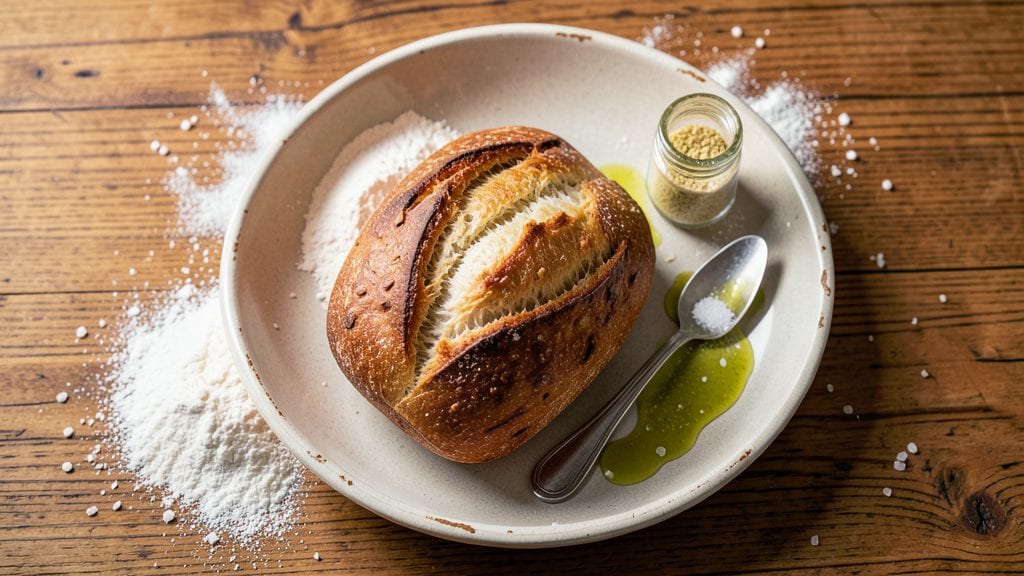
Joanna Gaines' French bread recipe delivers that perfect balance of crispy golden crust and tender, airy interior that makes every bite irresistible. After years of perfecting my grandmother's Sunday roast chicken, I understand how technique transforms simple ingredients into something extraordinary—and this bread is no exception. The secret lies in precise dough handling and steam during baking, creating that signature baguette texture without requiring a professional oven.
What makes this recipe special is how approachable it is for home bakers. With just five simple ingredients—flour, yeast, water, salt, and sugar—you'll create dough that develops flavor as it rests. The kneading process builds structure while releasing gluten, and proper proofing ensures that airy interior we all crave.
Even if you've never made bread before, this method delivers professional results with minimal fuss.
By the time your bread emerges from the oven, you'll have golden-brown baguette bites with crispy exteriors and soft, pillowy centers. The aroma alone will have everyone gathering around your kitchen table.
These slices are perfect for dipping in olive oil, pairing with soups, or serving alongside charcuterie boards—each bite offers that satisfying crunch followed by tender warmth.
Once you try homemade French bread, store-bought versions simply won't compare. The texture and flavor are worlds apart, and you'll find yourself reaching for this recipe again and again. Let's get started on creating bread that tastes like it came straight from a Parisian bakery.
Ingredients for joanna gaines french bread
Five simple ingredients transform into golden baguettes with crispy crusts and airy centers.
| Ingredient | Amount | Notes |
|---|---|---|
| All-Purpose Flour 🌾 | 5 cups | Plus 1 tbsp for dusting |
| Instant Yeast 🍞 | 2 ¼ tsp | Active dry works too |
| Granulated Sugar 🍚 | 1 tbsp | Feeds the yeast |
| Salt 🧂 | 1 ½ tsp | Kosher or sea salt |
| Warm Water 💧 | 1 ½ cups | 110°F for yeast activation |
| Extra-Virgin Olive Oil 🫒 | 1 tbsp | For dough elasticity |
| Ice Cubes ❄️ | 1 cup | For dough chilling |
| Cornmeal 🌽 | ½ cup | For baking surface |
| Coarse Sea Salt 🧂 | 1 tbsp | For sprinkling crust |
The flour is everything here—King Arthur or Gold Medal are my go-tos for that perfect gluten structure. If your pantry only has bread flour, it'll work too (just reduce to 4 cups), but all-purpose gives a more tender crumb. Yeast is the magic: Bob's Red Mill instant yeast dissolves faster than active dry, but both work if you let active dry proof longer. The water temperature matters—too hot kills the yeast, too cold slows it down. 110°F is ideal, but if you don't have a thermometer, warm water from the tap that feels like bathwater is about right. I always double-check by sprinkling yeast on top—it should foam within 5 minutes.
No instant yeast? Active dry yeast works at half the amount, but let it proof longer. Short on sugar? A pinch of honey does the trick. The olive oil keeps the dough supple—avocado oil works too if you're out. For the crust, flaky sea salt like Maldon makes all the difference, but regular coarse salt works in a pinch. Cornmeal is optional but prevents sticking—semolina is fancier but does the same job. And if you're baking multiple loaves, parchment paper rounds from Trader Joe's are a game-changer for easy transfer.
This dough keeps for 24 hours in the fridge, wrapped tightly in plastic. For longer storage, freeze shaped loaves for up to 3 months—thaw at room temp before baking. The bread is best eaten fresh but reheats beautifully: 5 minutes at 350°F with a cup of water in the oven restores that crispy crust. I always bake two batches—one for the table, one for freezing. That way, you're always just minutes away from fresh bread.
Why You'll Love This Recipe
- Five-Ingredient Magic: The pantry already has everything—flour, yeast, sugar, salt, and water. That’s it. No fancy starters or waiting for dough to rise overnight. Just mix, knead (or don’t, if you’re feeling lazy), let it rest, and bake. Honestly, I’ve made this while scrolling through my phone.
- Crusty Perfection: That golden, crackly crust with a soft, pillowy center? It’s the kind of texture that makes you pause mid-bite. The sugar in the dough caramelizes just enough to give it a subtle sweetness, while the yeast keeps it light—no dry, dense loaves here.
- Everyday Hero: Tear it for sandwiches, dip it in olive oil for a snack, or freeze slices to toast later. It’s my go-to for breakfast, lunch, or a quick charcuterie board. Between us, I’ve fed a crowd with two batches and still had leftovers for days.
- Budget-Friendly Staple: A single batch costs pennies and stretches across meals. The dough keeps for days in the fridge, and you can even freeze it. I’ll be real: I’ve pulled a frozen loaf straight from the freezer, thawed it, and baked it without skipping a beat. No waste, all flavor.
Step-by-step instructions for Joanna Gaines' French bread recipe
Here's how to make perfectly crusty baguette bites with soft, pillowy centers—just like Joanna's.
Mix the Dough and Let It Rise
In a large bowl, combine the 5 cups all-purpose flour, 2.25 teaspoons instant yeast, 1 tablespoon granulated sugar, and 1.5 teaspoons salt. Whisk gently to distribute the yeast and sugar evenly—this helps activate the yeast faster. Next, add the 1.5 cups warm water (around 110°F) and 1 tablespoon extra-virgin olive oil. Use a wooden spoon or your hands to mix until a shaggy dough forms.
Here's the thing—don't overmix. You want a sticky, slightly uneven dough with a few dry spots. Once combined, let the dough rest for 5 minutes while you prep your workspace. This brief pause helps the flour fully hydrate and makes the next step easier. After resting, knead the dough on a lightly floured surface for about 5 minutes until smooth and elastic. You'll know it's ready when it springs back slowly when poked.
Chill the Dough for Better Texture
Shape the dough into a ball and place it in a lightly greased bowl. Cover it with plastic wrap and refrigerate for at least 1 hour—I like to go up to 2 hours if I have time. Chilling the dough slows down yeast activity, which helps develop gluten and creates a more structured crumb. This step also prevents the bread from rising too quickly in the oven, giving you that perfect crust-to-interior balance.
While the dough chills, preheat your oven to 375°F. This ensures your oven is ready to go when the dough finishes rising. The cold dough will rise more evenly in the warm oven, creating those beautiful, airy pockets you want in French bread. If you're short on time, you can skip the full chill and let it rise at room temperature for 30 minutes instead, but the texture won't be quite as refined.
Shape and Score the Baguettes
Once the dough has chilled, turn it out onto a lightly floured surface and divide it into 8 equal pieces (about 6 ounces each). Roll each piece into a 12-inch log, tapering the ends slightly to mimic a classic baguette shape. Place the shaped dough onto a baking sheet lined with parchment paper, leaving about 1 inch between each loaf. This spacing ensures they brown evenly and don't steam together.
Here's where the magic happens: use a sharp knife or a lame to score each loaf diagonally about ¼ inch deep. This step isn't just decorative—it directs the bread's expansion and creates those beautiful, crispy crusts. Brush the tops lightly with water and sprinkle with 1 tablespoon coarse sea salt for that signature flavor and extra crunch. Let the dough rise again for 20-30 minutes until it puffs up noticeably.
Bake for a Crusty Exterior and Soft Interior
Bake the baguettes in the preheated 375°F oven for 20-25 minutes until they're deep golden brown and sound hollow when tapped on the bottom. The key here is patience—don't open the oven door early. The residual heat helps create that crisp crust. If the tops brown too quickly, tent them loosely with foil for the last 5 minutes of baking to prevent over-browning.
While they bake, keep an eye on the oven temperature. If your oven runs hot, reduce the temperature to 350°F for the last 5 minutes to avoid burning. Once baked, transfer the baguettes to a wire rack and let them cool for 10 minutes before serving. This resting period allows the steam inside to redistribute, keeping the interior soft and fluffy while the crust stays crisp.
Dust with Cornmeal for Extra Crunch
Before serving, lightly dust the cooled baguettes with 0.5 cup cornmeal for added texture and to keep them from getting soggy. This step is optional but adds that rustic, artisanal touch. Slice them diagonally for serving—this exposes more of that soft, airy interior and makes them look even more impressive. Pair them with your favorite butter, olive oil, or a simple garlic-herb dip for the ultimate French bread experience.
Real talk: the first batch might not be perfect, but don't let that discourage you. Adjust the oven temperature or baking time slightly for the next batch based on what you learn. Once you nail it, you'll have crusty, delicious baguettes that taste just like Joanna's—warm, inviting, and full of character.
Pro Tips For Making Joanna Gaines French Bread
- Weigh Your Flour: I learned this the hard way—measuring flour by scooping from the bag adds too much air, and your dough will turn out gummy. Use a kitchen scale for Joanna Gaines’ recipe: 500 grams of all-purpose flour gives you the exact texture she’s after. (Yes, even if you’re impatient like me.)
- Dissolve Yeast Properly: Skip the guesswork with warm water—Joanna’s recipe calls for 110°F (43°C) liquid. If it’s too hot, you’ll kill the yeast; too cold, and it won’t activate. Test it by dipping your finger in: it should feel like bathwater, not scalding or tepid. Let the yeast sit for 5 minutes until foamy before mixing.
- Knead Just Enough: Overworking the dough makes it tough, and Joanna’s bread relies on that tender, pillowy texture. Aim for 8–10 minutes by hand (or 5–6 minutes in a stand mixer with the dough hook) until it’s smooth and springs back when poked. No need to go for a marathon—your arms (and the bread) will thank you.
- Proof in Two Stages: The first rise should be gentle—let the dough double in a warm spot (like a turned-off oven with a bowl of hot water inside) for about 1–1.5 hours. Then, punch it down and shape the loaves before the second rise. This prevents overproofing, which collapses those signature air pockets Joanna’s bread is known for. (Your future self will thank you.)
Troubleshooting great joanna gaines french bread
Dense Dough Issues
If your dough feels too thick or dry after mixing, you likely need more water. French bread dough should be sticky but manageable—think of it like wet sand. Gradually add 1 tablespoon water at a time until it reaches that perfect consistency.
Over-kneading can also make dough tough, so stop when it springs back slowly when poked. I’ve found that King Arthur flour absorbs moisture differently than other brands, so adjust accordingly. 💧
Uneven Rising
Dough that rises unevenly often means the yeast wasn’t activated properly or the environment wasn’t warm enough. First, check your yeast—sprinkle it in warm water with a pinch of sugar and wait for bubbles (5-10 minutes).
If it’s sluggish, try Bob’s Red Mill instant yeast or warm the dough spot near the oven for 10-15 minutes to encourage rising. Also, ensure your dough isn’t too cold; room temperature (70°F) works best for proofing.
Pale or Soggy Crust
A pale crust usually means insufficient steam during baking. Place a baking sheet on the lower rack 10 minutes before baking and add 1 cup hot water to create steam. Alternatively, brush the dough with water before baking and sprinkle with coarse sea salt for extra crispiness.
If your oven runs dry, tent the bread with foil for the first 10 minutes to trap moisture, then remove to brown.
Bread Collapses After Baking
This happens when yeast overproofs or the oven isn’t hot enough. If your dough rises too quickly before baking, chill it for 30 minutes to firm it up. Preheat your oven to 375°F for at least 30 minutes—cold spots cause uneven baking.
For extra support, place a pizza stone or baking steel in the oven while preheating. If the bread still collapses, try baking at 400°F for a shorter time to build crust faster.
Dough Sticks to Surface
Flour your workspace lightly—too much can weigh down the dough. Use semolina or cornmeal instead of flour for rolling and shaping; it adds texture and prevents sticking. For shaping, work on a parchment-lined tray or a well-floured silicone mat.
If dough still sticks, wet your hands slightly while handling to create a barrier. I swear by Trader Joe’s parchment rounds for easy transfer to the oven.
Bread Tastes Bland
Salt and sugar are flavor anchors—don’t skimp! Ensure your 1.5 tsp salt and 1 tbsp sugar are evenly distributed in the dough. For extra depth, add 1 tsp honey or ½ tsp garlic powder to the dough.
If your bread still tastes flat, try baking it longer at a lower temp (350°F for 30 minutes) to develop more Maillard reaction flavors. A light brush of olive oil after baking also enhances richness.
Nutrition facts
Frequently asked questions
Can I make this recipe without a stand mixer?
This dough only requires 5 minutes of hand-kneading on a lightly floured surface. The key is to work the dough until it's smooth and springs back slowly when poked. For extra strength, use your knuckles to press and fold the dough rather than stretching it.
How do I store leftover French bread?
Wrap cooled bread tightly in plastic wrap or place in an airtight container. It stays fresh for 2-3 days at room temperature. For longer storage, freeze shaped loaves (unbaked) for up to 3 months, or freeze baked bread for 2 months. To reheat, wrap in foil and warm at 350°F for 5-10 minutes.
What if my oven doesn't have a broiler?
No broiler needed! Simply bake at 375°F for 20-25 minutes, focusing on even heat distribution. For extra crustiness, place a baking sheet on the lower rack 10 minutes before baking and add 1 cup hot water to create steam. This mimics professional bakery conditions.
Can I make this recipe with whole wheat flour?
Yes, but replace up to 2 cups of all-purpose flour with whole wheat. The dough will be denser, so add 1-2 extra tablespoons water and knead longer. Expect a slightly heartier texture with less rise. For best results, use a 50/50 blend of all-purpose and whole wheat flours.
Why does Joanna Gaines' bread have such a great crust?
The secret lies in three techniques: steam during baking (from hot water or a baking sheet), proper scoring (directing expansion), and coarse sea salt (enhancing flavor and texture). The crust develops best when baked on a preheated pizza stone or baking steel for even heat transfer.