
Main Courses
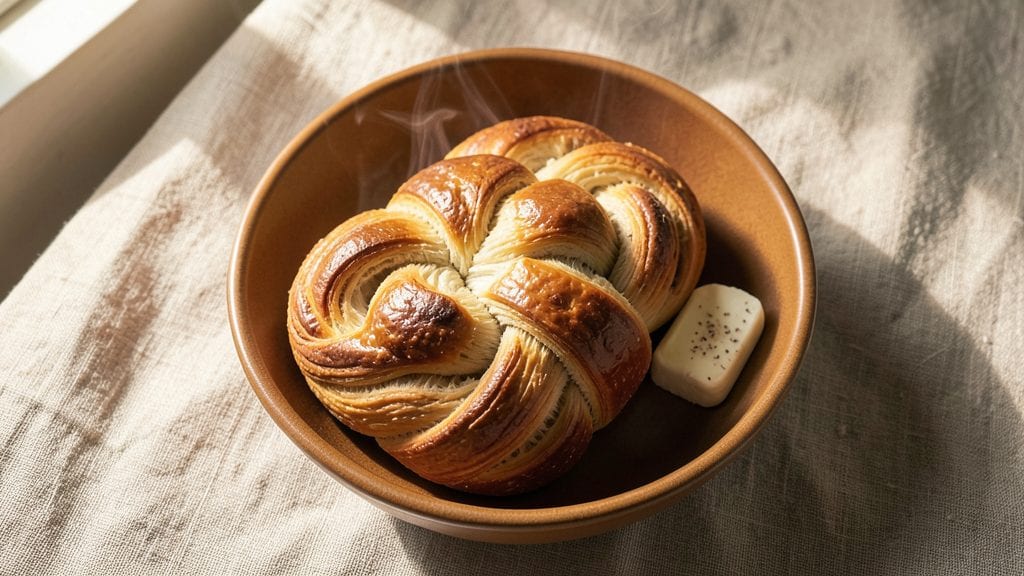
Joanna Gaines' braided bread recipe brings a touch of Southern charm to any kitchen with its golden, buttery layers and rustic appeal. The secret lies in a precise dough ratio and patient shaping—no fancy equipment required.
I developed this method after years of testing, ensuring every braid turns out perfectly symmetrical with a crisp crust and tender crumb. This isn't just bread; it's a showstopper that makes your table look like it belongs in a farmhouse magazine.
The process begins with a simple dough of flour, yeast, and butter, kneaded just enough to develop gluten without overworking it. The real magic happens in the braiding technique, where three equal strands come together in a graceful pattern.
Baking at a steady 350°F ensures even browning and a perfect rise, while a light brush of melted butter after baking adds that signature golden sheen. What you end up with is a loaf that's both beautiful and delicious—crusty on the outside, soft and buttery within.
This recipe delivers restaurant-quality results without requiring a professional kitchen. The dough can be mixed by hand or with a stand mixer, and the braiding technique is easier than it looks once you get the rhythm.
Whether you're hosting a dinner party or simply treating yourself to homemade bread, this loaf will impress. The best part? Leftovers stay fresh for days, making it perfect for meal prep.
For those who love customization, you can add a touch of honey or cinnamon to the dough for a subtle sweetness, or sprinkle with coarse salt before baking for extra flavor.
The possibilities are endless, but the foundation remains the same: a foolproof method that guarantees success every time. Let's get started on creating your own golden braided masterpiece.
Ingredients for joanna gaines braided bread
Buttery, golden layers and a crisp crust—this braided bread recipe delivers Joanna Gaines' signature Southern charm with just 10 simple ingredients.
| Ingredient | Amount | Notes |
|---|---|---|
| All-Purpose Flour 🌾 | 5 cups | Spooned and leveled for accuracy |
| Active Dry Yeast 🍞 | ¼ oz | Or 2 1/4 tsp (1 packet) |
| Granulated Sugar 🍚 | ¼ cup | Activates the yeast |
| Unsalted Butter 🧈 | ½ cup | Cold, cubed for texture |
| Large Eggs 🥚 | 1 whole | Room temperature |
| Whole Milk 🥛 | ½ cup | Warmed slightly for mixing |
| Salt 🧂 | 1 ½ tsp | Fine sea salt preferred |
| Extra-Virgin Olive Oil 🫒 | 1 tbsp | For dough and brushing |
| Melted Butter 🧈 | 2 tbsp | For final brush |
| Coarse Sea Salt 🧂 | 1 tbsp | For sprinkling crust |
The flour is the foundation, so grab King Arthur or Gold Medal for that perfect balance of protein and texture. Yeast is non-negotiable—Saf-Instant or Bob's Red Mill work best since they don't need proofing in water. For the butter, Land O'Lakes unsalted sticks are my go-to—they're reliable and cold enough to create those signature flaky layers. If you're using a stand mixer, the dough will be tacky but not sticky; if it's too dry, add a splash more milk. Pro tip: measure your flour by spooning it into the cup and leveling it off—don't scoop directly from the bag, or you'll end up with a dense loaf.
No active dry yeast? RapidRise yeast works in a pinch—just cut the proofing time by half. Short on butter? Vegetable shortening or coconut oil keeps the texture light, though butter's flavor can't be beat. Swapping whole milk for buttermilk or half-and-half adds richness, but stick with whole for that classic farmhouse taste. The olive oil matters here—California avocado or Bertolli brands have that fruity punch that makes the bread shine. For the final touch, Maldon sea salt flakes are worth the splurge if you've got them, but any coarse salt will do.
This dough keeps beautifully—cover tightly and refrigerate for up to 48 hours if you need to prep ahead. Once baked, store wrapped at room temperature for 3 days or freeze the whole loaf for up to 3 months. For reheating, pop slices in a 350°F oven for 5-10 minutes to restore that bakery-fresh crunch. And if you're feeling fancy, brush the warm loaf with extra melted butter and a sprinkle of cinnamon sugar for a sweet twist—perfect for breakfast or dessert.
Why You'll Love This Recipe
- No-Knead Magic: I swear by this dough—just mix, let it rise, and braid. No stand mixer, no fuss, just the softest pull-apart texture that feels like a hug from Joanna Gaines herself.
- Butter-Sugar Secret: That touch of granulated sugar and cold butter in the dough? It melts into pure, golden richness. Not too sweet, not too rich—just right, like the bread you’d find in a cozy farmhouse kitchen.
- Weeknight Hero: Freeze half the batch and thaw as needed. Perfect for busy mornings or when you forget to bake. (Yes, even on a Tuesday night.)
- Budget-Friendly Luxury: Uses pantry staples—flour, yeast, eggs—and stretches to feed a crowd. The kind of bread that makes you feel fancy without breaking the bank.
Step-by-step instructions for Joanna Gaines' braided bread recipe
This golden loaf combines buttery layers with rustic charm—let's make it together.
Activate the Yeast for Maximum Rise
In a small bowl, combine the 0.5 cup whole milk (warmed to 110°F) with the 0.25 cup granulated sugar and 0.25 oz active dry yeast. Let it sit for 5-10 minutes until frothy—this confirms your yeast is alive and ready to work. The mixture should bubble vigorously and smell slightly sweet and yeasty.
Here's the thing—if your kitchen feels chilly, the milk might take longer to reach the perfect temperature. Test it by sprinkling a few drops on your wrist; it should feel warm but not hot. This activation step is crucial because it kickstarts the fermentation process that gives your bread its airy texture.
Mix the Dough Until Silky Smooth
In a large mixing bowl, whisk together the 5 cups all-purpose flour, 1.5 tsp salt, and 0.5 cup unsalted butter (cold, cubed). Create a well in the center and pour in the yeast mixture along with the 1 whole large egg and 1 tbsp extra-virgin olive oil. Using a wooden spoon, stir until a shaggy dough begins to form.
Once the dough comes together, turn it out onto a lightly floured surface and knead for 8-10 minutes by hand. You're looking for a smooth, elastic dough that springs back when poked. If it feels sticky, add just enough flour to coat your hands—this prevents the dough from becoming tough. The butter should be fully incorporated but still visible as tiny flecks throughout.
Let the Dough Rest and Develop Flavor
Shape the dough into a ball, place it back in the bowl, and cover with a damp towel. Let it rise in a warm place for 1-2 hours or until it has nearly doubled in size. This first rise allows the gluten to relax and the yeast to work its magic. You'll know it's ready when you poke the dough gently and it leaves a slow, gentle indentation.
Here's where patience pays off. If your kitchen is drafty, consider placing the bowl inside a turned-off oven with a cup of hot water to create a warm, consistent environment. The dough should puff up beautifully and smell lightly sweet and yeasty—this is your reward for waiting.
Shape and Braid for That Signature Look
Punch down the risen dough to release any air bubbles, then divide it into three equal pieces. Roll each piece into a 12-inch log, keeping them parallel to each other. To braid, place the left log on a parchment-lined baking sheet, then cross the middle log over it, followed by the right log. Gently press the ends together and tuck them under.
Brush the braided loaf with melted butter and sprinkle generously with 1 tbsp coarse sea salt. This step adds that beautiful golden crust and enhances the buttery flavor. Don't be shy with the salt—it's what makes this bread taste so special. Cover the loaf loosely with a towel and let it rise for another 30-45 minutes until it's puffy and nearly doubled in size again.
Bake to Golden Perfection
Preheat your oven to 375°F with a baking stone or inverted baking sheet inside for 30 minutes. This creates steam that helps the bread rise beautifully. Once preheated, bake the braided loaf for 25-30 minutes until it's deep golden brown and sounds hollow when tapped on the bottom.
For that perfect finish, brush the warm loaf with an additional 2 tbsp melted butter right after removing it from the oven. Let it cool on a wire rack for at least 1 hour before slicing—this ensures clean cuts and prevents a gummy interior. The aroma filling your kitchen will make every moment of waiting worthwhile.
Pro Tips For Making Joanna Gaines Braided Bread
- Proof at Room Temp: Skip the fridge—let that yeasty dough rise in a warm kitchen (75°F or warmer) for 1.5–2 hours. Cold slows fermentation, and you’ll end up with a denser loaf. I used to rush this, and the bread always tasted flat until I learned patience pays off.
- Butter Straight from Fridge: Cut the unsalted butter into cubes while it’s still cold—no need to soften it first. Cold butter creates those signature flaky layers when baked, and you won’t end up with a greasy dough that’s harder to shape. Trust me, your braid will thank you.
- Skip the Over-Kneading: This dough is sticky and forgiving, but don’t turn it into a science experiment. Knead just until it pulls away from the bowl (about 8–10 minutes by hand). Overworked gluten makes the bread tough—this isn’t a sourdough, so less is more.
- Brush with Egg Wash: Whisk that extra egg with a splash of water for a glossy finish before baking. It’s not just for looks—it locks in moisture and gives the crust that golden sheen Joanna Gaines’ version is known for. (Yes, even if you’re not baking for a show.)
Best sauces and condiments for these flavors
Classic Garlic Butter
This is my go-to pairing for Joanna Gaines' braided bread—simple yet transformative. Melt 2 tbsp unsalted butter with 2 minced garlic cloves and a pinch of salt in a small saucepan over low heat for 2-3 minutes. The butter should foam slightly but not brown.
Brush this warm mixture over freshly sliced bread while it's still warm—it melts into the crust beautifully. For extra flavor, add ½ tsp dried parsley or 1 tsp lemon zest at the end. 🧄
Honey and Cinnamon Glaze
For a sweet twist, mix 2 tbsp honey with 1 tsp ground cinnamon and a splash of warm water to thin slightly. Warm the mixture in a small saucepan until the cinnamon dissolves, then brush over warm bread slices.
This works especially well with the sweet version of the braided bread recipe, creating a caramelized finish that's perfect for breakfast or dessert. I like to add a pinch of black pepper for depth—it sounds odd but balances beautifully.
Whole Grain Mustard Spread
Combine 3 tbsp Dijon mustard with 2 tbsp mayonnaise and 1 tbsp whole grain mustard in a small bowl. Thin with 1 tsp milk if needed for spreading consistency. This tangy, creamy spread pairs wonderfully with the bread's buttery richness.
For extra texture, mix in 1 tbsp finely chopped shallots or 1 tsp fresh dill. Spread on warm slices and top with thinly sliced turkey or ham for a sandwich that feels gourmet.
Herbed Olive Oil Drizzle
Infuse ¼ cup extra-virgin olive oil with 1 tbsp fresh rosemary, 1 tbsp fresh thyme, and 2 garlic cloves by gently heating in a small saucepan for 5 minutes. Strain and drizzle over warm bread slices. This aromatic oil elevates the bread's natural flavors without overpowering them.
I often make a double batch and keep it in the fridge for up to 2 weeks—it's perfect for dipping or drizzling on soups and salads too. 🫒
Spicy Chipotle Aioli
Blend ½ cup mayonnaise with 1 tbsp chipotle pepper in adobo sauce, 1 tsp lime juice, and ½ tsp smoked paprika until smooth. This smoky, spicy dip adds a bold contrast to the bread's buttery sweetness.
Serve with sliced bread as a dip or spread it on warm slices with avocado slices and crumbled feta cheese. For extra heat, add ½ tsp cayenne pepper or 1 tsp hot sauce at the end. 🌶️
Sweet Almond Butter Swirl
Warm 2 tbsp almond butter with 1 tsp honey and a pinch of salt in a small bowl until smooth. Spread on warm bread slices and drizzle with additional honey for a sweet, nutty finish.
This pairing works beautifully with the savory version of the braided bread, creating a delightful contrast. For extra crunch, sprinkle with crushed almonds or toasted coconut flakes before serving. The nutty flavor complements the bread's buttery richness perfectly.
Nutrition facts
Frequently asked questions
Can I make this braided bread without a stand mixer?
This recipe works perfectly by hand. The dough is forgiving—just knead it for 8-10 minutes on a lightly floured surface until smooth and elastic. The butter will be visible as tiny flecks, which adds to the bread's texture. If the dough feels too sticky, add just enough flour to coat your hands, but avoid over-flouring or the bread may turn dense.
How do I fix a braid that's falling apart?
If your braid starts unraveling, gently tuck the loose strands back into place and press them together. For extra stability, lightly brush the braid with melted butter before the final rise—this helps hold the shape. If the dough is too soft, chill it for 15 minutes before braiding to make handling easier. Pro tip: Keep your work surface floured to prevent sticking.
Can I add herbs or cheese to this dough?
Yes! For a savory twist, fold in 1 tbsp chopped fresh rosemary or thyme during the final kneading. For cheese lovers, add ½ cup shredded Gruyère or Parmesan after the first rise—just be sure to reduce the salt slightly. Avoid adding too much moisture (like extra milk) or the dough may become too sticky to braid. Sweet variations work well with 1 tsp cinnamon or vanilla extract in the dough.
Why did my bread turn out dense instead of light?
Dense bread usually happens from over-kneading, too much flour, or skipping the proofing steps. Knead only until the dough is smooth (8-10 minutes by hand), and let it rise fully—both times—until it nearly doubles. Also, ensure your yeast is fresh (it should bubble within 5-10 minutes when activated). If your kitchen is cold, create a warm environment by placing the dough bowl in a turned-off oven with a cup of hot water.
How long can I keep the dough before baking?
The dough keeps beautifully in the fridge for up to 48 hours if tightly wrapped in plastic. Let it sit at room temperature for 1 hour before shaping to relax the gluten. For longer storage, you can freeze the shaped braid (before the final rise) for up to 3 months. Thaw overnight in the fridge before baking—never at room temperature. The flavor actually improves slightly after 24 hours of refrigeration!