
Breakfast & Brunch
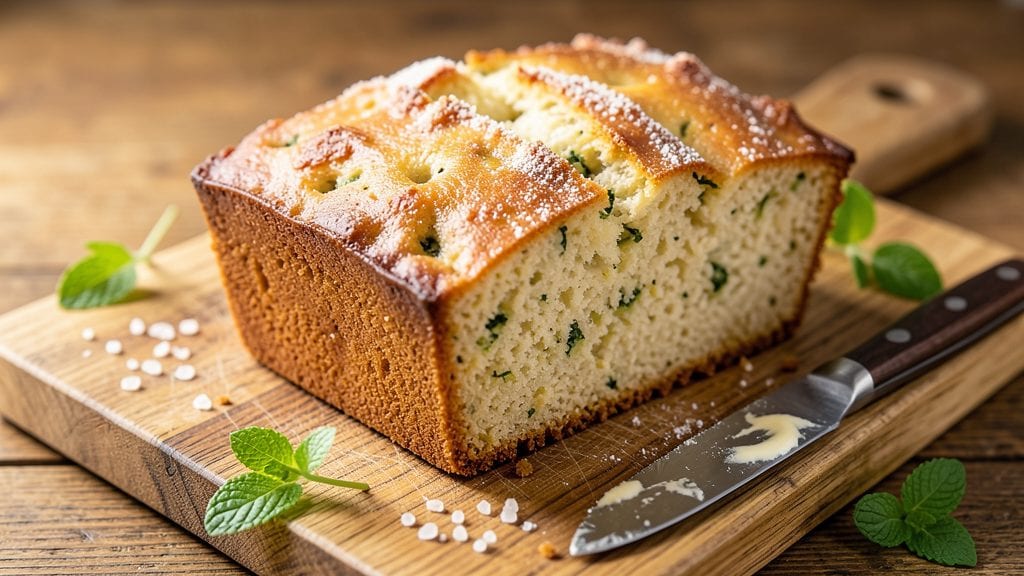
Ina Garten's zucchini bread recipe delivers the perfect balance of moist texture and warm spices, with a bright citrus twist that keeps every slice irresistible.
The secret lies in grated zucchini that infuses flavor without making the bread soggy, paired with a touch of orange zest that brightens the classic spiced profile. I've baked this version dozens of times—it's become a weekend staple that disappears faster than I can pull it from the oven.
What sets this recipe apart is the precise technique of mixing the batter just until combined, then folding in the zucchini to maintain that signature tender crumb. The spices—cinnamon, nutmeg, and ginger—create warmth that pairs beautifully with the citrus notes, while a hint of vanilla adds depth.
With 30 minutes of prep time and 50 minutes in the oven, you'll have a batch ready for breakfast, brunch, or an afternoon pick-me-up.
The result is a loaf with a golden crust that gives way to moist, slightly dense crumb studded with flecks of zucchini. Each slice offers perfect balance—sweet from the brown sugar, tangy from the citrus, and cozy from the spices.
This is the kind of bread that tastes even better the next day, when the flavors have fully melded. Trust me, once you try this version, you'll never go back to store-bought.
For extra indulgence, top with a simple cream cheese glaze or serve warm with a pat of butter. The recipe scales easily for gifts or gatherings, and the leftovers freeze beautifully. Let's get baking—your kitchen will smell like comfort in minutes.
Ingredients for ina garten zucchini bread
Simple ingredients that transform into Ina Garten's signature moist zucchini bread with citrus brightness.
| Ingredient | Amount | Notes |
|---|---|---|
| All-Purpose Flour 🌾 | 2 ½ cups | Sifted for light texture |
| Granulated Sugar 🍚 | 1 cup | White or light brown |
| Packed Brown Sugar 🍚 | ¾ cup | Light or dark variety |
| Extra-Virgin Olive Oil 🫒 | ½ cup | Light fruity flavor preferred |
| Fresh Zucchini 🥒 | 2 cups | Grated, excess liquid squeezed out |
| Large Eggs 🥚 | 2 whole | Room temperature preferred |
| Pure Vanilla Extract 🍯 | 1 tbsp | High-quality preferred |
| Orange Zest 🍊 | 1 tbsp | From 1 large orange |
| Ground Cinnamon 🌿 | 2 tsp | Freshly ground preferred |
| Ground Nutmeg 🌿 | ¼ tsp | Freshly grated nutmeg |
| Ground Ginger 🌿 | ½ tsp | Freshly ground preferred |
| Salt 🧂 | ½ tsp | Kosher or sea salt |
| Baking Soda 🧪 | ½ tsp | Pure baking soda |
| Walnuts 🥜 | ½ cup | Chopped, optional topping |
The zucchini is the star here—farmers market varieties tend to be fresher than grocery store ones. Look for firm, bright green zucchinis with no soft spots. I usually grab 3 medium zucchinis for 2 cups grated (about half the weight after squeezing). Trader Joe's often has great organic options if you're not near a farmers market. The key is squeezing out ALL the excess liquid—wrap the grated zucchini in a clean kitchen towel and press hard for 5 minutes. This keeps your bread from getting soggy. Don't skip this step, trust me.
No fresh orange? Lemon zest works in a pinch, though it'll be slightly different. Running short on walnuts? Pecans or chopped almonds are great swaps—they just toast differently. The spices are non-negotiable though—Penzeys or Spicewalla for the best quality, but regular grocery store brands work fine if they're fresh. Need to substitute brown sugar? White sugar plus 1 tsp molasses gets you close. The vanilla extract matters—Nielsen-Massey is my go-to, but any pure vanilla will do. And if you're feeling fancy, swap the olive oil for avocado oil—same flavor profile, higher smoke point.
This bread keeps beautifully—3 days at room temperature wrapped in foil, or 1 week in the fridge. For longer storage, slice and freeze the loaf for up to 3 months. I like to portion it into individual slices for easy grab-and-go mornings. The flavor actually improves after the first day as the spices meld. If you're making ahead for a gathering, bake it the day before and store at room temperature—it'll be even more moist. And if you're worried about drying out, brush the top with a little extra olive oil before baking.
Why You'll Love This Recipe
- No Waste, All Flavor: I swear by grated zucchini here—no peels, no seeds, just pure veggie goodness that keeps the bread moist without tasting like you forced veggies into it. The olive oil gives it that rich, slightly fruity depth that store-bought loaves can’t touch.
- Sweet & Savory Balance: That combo of granulated and brown sugar? Chef’s kiss. The brown sugar caramelizes just enough to give it a subtle crunch, while the olive oil keeps it from being cloyingly sweet—more like a sophisticated dessert than a sad, dry loaf.
- Breakfast or Snack Star: Honestly, this bread is my go-to for breakfast toast (yes, even on a Tuesday night) or a quick snack with butter. The texture holds up perfectly—no crumbly mess, no gummy center. Slice it thin, and it’s a game-changer for packed lunches too.
- Budget-Friendly Staple: Flour, sugar, zucchini, olive oil—these are pantry basics that won’t break the bank. I’ve made this for years, and it’s always the first thing to disappear, whether I’m feeding the family or saving slices for later. The leftovers? Still delicious days later.
Step-by-step instructions for Ina Garten's zucchini bread
Here's how to create that signature moist texture and bright citrus flavor Ina Garten's version delivers.
Prep the Zucchini for Maximum Moisture
Grate the 2 cups of fresh zucchini using the large holes of a box grater. The goal is to break down the zucchini into fine shreds while keeping the texture as dry as possible. I like to do this over a fine-mesh strainer to catch any excess moisture that would make our bread dense.
Transfer the grated zucchini to a clean kitchen towel and press firmly to squeeze out all the liquid. You want the zucchini to be as dry as possible before mixing—this is what keeps the bread moist rather than soggy. Real talk: if you skip this step, your bread will end up gummy instead of tender.
Mix Wet Ingredients for Perfect Texture
In a large mixing bowl, combine the 0.5 cup of extra-virgin olive oil, 1 cup of granulated sugar, and 0.75 cup of packed brown sugar. Whisk these together until fully blended and the sugars are mostly dissolved. Add the 2 whole large eggs and whisk vigorously for about 30 seconds until the mixture starts to thicken slightly.
Stir in the 1 tablespoon of pure vanilla extract and 1 tablespoon of orange zest. The orange zest will give that bright citrus twist we're after. Let this mixture sit for 5 minutes while you prepare the dry ingredients—this resting time helps the flavors meld together. I've found this waiting period makes a noticeable difference in the final flavor profile.
Combine All Ingredients for Light Batter
In a separate bowl, sift together the 2.5 cups of all-purpose flour, 2 teaspoons of ground cinnamon, 0.25 teaspoon of ground nutmeg, 0.5 teaspoon of ground ginger, 0.5 teaspoon of salt, and 0.5 teaspoon of baking soda. This sifting step is crucial—it aerates the flour and prevents dense pockets in your bread.
Make a well in the center of the dry ingredients and pour in the wet ingredient mixture along with the squeezed zucchini. Gently fold everything together using a spatula, being careful not to overmix. The batter should be thick but still pourable—this is what gives zucchini bread that perfect moist crumb. If it looks too thick, you can add 1 tablespoon of water to loosen it slightly.
Fold in Walnuts and Prepare the Pan
Gently fold in the 0.5 cup of chopped walnuts using your spatula. You want them evenly distributed throughout the batter. This is the moment that matters: if you overmix now, you'll develop gluten and end up with tough bread. Give it just 10-12 strokes to combine.
Preheat your oven to 350°F. Lightly grease a 9-inch loaf pan with olive oil or line it with parchment paper for easy removal. Here's the thing—don't skip the greasing. Zucchini bread has a tendency to stick, and we want that beautiful golden crust without any tearing.
Bake to Golden Perfection and Check for Doneness
Pour the batter into your prepared loaf pan and smooth the top with a spatula. Bake for 50-60 minutes, or until a toothpick inserted in the center comes out clean. Your oven might run hot, so start checking at the 50-minute mark. The bread is done when the top is golden brown and springs back slightly when pressed.
Let the bread cool in the pan for 10 minutes, then transfer it to a wire rack to cool completely. This resting period is important—it allows the moisture to redistribute throughout the loaf. Slice while still warm for that perfect moist texture, or store wrapped at room temperature for up to 3 days. The flavor actually improves as it sits!
Pro Tips For Making Ina Garten Zucchini Bread
- Grate Zucchini Fine: Use the smallest holes on your box grater—think rice-sized shreds, not matchsticks. I learned this the hard way when my first batch had zucchini strands that stayed chewy no matter how long I baked it. Too big? It won’t blend in.
- Mix Wet First: Combine the olive oil, sugars, and eggs before adding dry ingredients. This creates a smoother batter and prevents lumps from forming when the flour gets tossed in. Trust me, your bread will be lighter if you skip the dry-dumping.
- Don’t Overmix: Stir just until the flour disappears—about 20 seconds past that point. I used to beat this like a smoothie, and my bread turned dense. Overmixing activates the gluten, and that’s the last thing you want in a tender zucchini loaf.
- Check for Doneness Early: Pull the bread when the top springs back slightly at 325°F (160°C), not when it’s golden. The center should read 190–195°F (88–90°C)—any hotter, and it’ll dry out. I’ve ruined loaves waiting for a "perfect" color, only to end up with a brick.
Troubleshooting this dish
Dense or Gummy Texture
If your zucchini bread turns out dense or gummy, you likely didn’t squeeze out enough moisture from the grated zucchini. Wrap the grated zucchini in a clean kitchen towel and press firmly for 5-10 minutes—this removes excess liquid that causes sogginess.
Another common mistake is overmixing the batter, which develops gluten and makes the bread tough. Mix just until combined, using 10-12 gentle folds with a spatula. 🥒
Dry or Crumbly Crust
A dry or crumbly crust usually means the oven was too hot or the bread baked too long. Preheat your oven to 350°F and use an oven thermometer to confirm accuracy—many home ovens run 25°F hotter than set.
Cover the loaf pan with aluminum foil after 30 minutes if the top browns too quickly. For extra moisture, brush the top with a little olive oil before baking.
Uneven Baking or Soggy Bottom
Uneven baking often happens when the pan isn’t properly greased or the oven isn’t preheated long enough. Lightly grease your 9-inch loaf pan with olive oil or line it with parchment paper to prevent sticking.
Preheat the oven for at least 15 minutes before baking to ensure even heat distribution. If the bottom seems soggy, place the pan on a baking sheet to catch drips and improve airflow.
Flat or Sunken Top
A flat or sunken top usually means the baking soda lost its potency or the oven wasn’t hot enough. Use fresh baking soda (test by mixing ½ teaspoon with water—it should fizz immediately).
If your oven runs cool, increase the temperature to 375°F for the last 10 minutes of baking to help the bread rise properly. Avoid opening the oven door during the first 30 minutes to prevent sudden temperature drops.
Bitter or Off Taste
If your bread tastes bitter, the zucchini might have been overripe or the orange zest was too strong. Use firm, bright green zucchinis and zest only 1 large orange—no more. Store-bought spices can also turn bitter over time.
For best results, use freshly ground spices from brands like Penzeys or Spicewalla. If the taste is still off, try reducing the zest to ½ tablespoon next time. 🍊
Cracked or Torn Crust
Cracks or tears often happen when the bread is removed from the pan too soon or the oven temperature fluctuates. Let the bread cool in the pan for 10 minutes before transferring to a wire rack.
To prevent cracks, avoid overfilling the pan—fill it only ⅔ full. If cracks still form, try baking at 325°F for the first 20 minutes to slow the rise slightly before increasing heat to 350°F.
Nutrition facts
Frequently asked questions
Can I substitute lemon zest for the orange zest in this recipe?
Yes, you can use lemon zest as a substitute, but it will give your bread a slightly different citrus profile. Lemon zest is more tart than orange, so you might want to reduce it to ½ tablespoon if you prefer a milder flavor. The bright citrus note is key to this recipe, so either zest will work—just be mindful of the intensity.
How do I store leftover zucchini bread?
Wrap the cooled loaf tightly in plastic wrap or foil and store it at room temperature for up to 3 days. For longer storage, slice the bread and freeze individual portions for up to 3 months. Thaw slices at room temperature or reheat them in a 300°F oven for 5-10 minutes to restore moisture. The flavor actually improves after the first day!
Why does your recipe use olive oil instead of butter?
Olive oil keeps the bread moist longer and adds a subtle fruity depth that complements the citrus and spices. While butter works, it can sometimes make the crust too rich or cause the bread to dry out faster. If you prefer butter, use ½ cup melted and cooled instead of the olive oil, but reduce the sugar slightly (½ cup granulated, ½ cup brown sugar) to balance the richness.
Can I make this recipe gluten-free?
Yes, but you'll need to use a 1:1 gluten-free baking flour blend (like Bob's Red Mill) and add ½ teaspoon xanthan gum to improve texture. Replace the walnuts with gluten-free nuts if needed. Keep in mind the crumb may be slightly denser, and the rise won't be as high. For best results, follow the manufacturer's instructions for your specific blend.
What's the secret to getting that perfect moist texture?
The secret lies in two key steps: squeezing all moisture from the zucchini (press grated zucchini in a towel for 5 minutes) and not overmixing the batter. Overmixing develops gluten, which makes bread tough. Mix just until combined (about 10-12 folds) and resist the urge to stir vigorously. The olive oil also plays a crucial role in maintaining moisture.