
Side Dishes
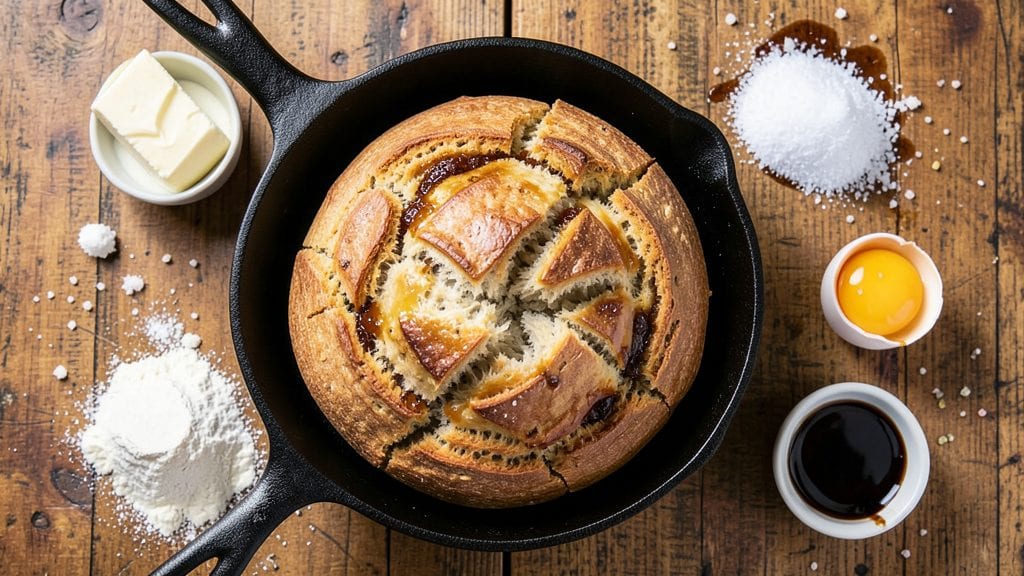
This grandma sycamore bread recipe brings back the comforting aroma of homemade bread that makes every meal feel like a family gathering. The secret lies in its unique texture—crusty on the outside, tender and pull-apart inside, with just the right amount of sweetness to satisfy any craving.
My grandmother used to bake this bread on Sundays, and it quickly became a staple at our dinner table.
The dough comes together with simple ingredients—flour, sugar, baking powder, and a touch of molasses—that create a flavor profile both nostalgic and deeply satisfying.
What sets this recipe apart is the baking process: the bread develops a golden crust while maintaining a soft, almost cake-like interior that practically melts in your mouth. The pull-apart quality makes it perfect for sharing, whether at holiday dinners or casual weeknight meals.
By the time it emerges from the oven, you’ll have a loaf that smells like childhood memories and tastes like a warm hug. The slight sweetness from the molasses pairs beautifully with butter, honey, or even a drizzle of maple syrup.
This bread isn’t just a side—it’s the centerpiece that elevates any meal.
Ready in just under an hour, this recipe delivers restaurant-quality results without the fuss. Whether you’re baking for a crowd or treating yourself to a homemade loaf, the pull-apart magic of grandma sycamore bread is sure to become a new tradition in your kitchen.
Ingredients for grandma sycamore bread
Simple pantry staples transform into nostalgic, pull-apart bread magic—just like grandma made.
| Ingredient | Amount | Notes |
|---|---|---|
| All-Purpose Flour 🌾 | 4 cups | Sifted for light texture |
| Granulated Sugar 🍚 | ½ cup | White or light brown |
| Baking Powder 🧂 | 1 ½ tsp | Metal canister preferred |
| Salt 🧂 | 1 tsp | Fine sea salt preferred |
| Unsalted Butter 🧈 | ½ cup | Cold, cubed, full-fat |
| Molasses 🍯 | ¼ cup | Dark, unsulphured preferred |
| Eggs 🥚 | 1 whole | Large, room temperature |
| Milk 🥛 | ½ cup | Whole milk preferred |
| Vanilla Extract 🌸 | 1 tsp | Pure vanilla preferred |
| Cornmeal 🌽 | ¼ cup | For dusting pan |
| Granulated White Sugar 🍚 | ¼ cup | For topping (optional) |
The flour is non-negotiable here—King Arthur or Gold Medal work best for that tender crumb. Grab the baking powder from the spice aisle, not the baking section (it loses potency faster). Molasses can be tricky: unsulphured is key—sulphured will taste bitter. I always grab mine from the organic section at Whole Foods or Trader Joe's—it’s worth the extra penny for that rich, deep flavor. The butter? Full-fat only—none of that low-fat nonsense. If your store sells European-style butter, even better. And save the vanilla extract for last—it’s the finishing touch that makes this taste homemade.
No molasses? Dark brown sugar plus 1 tsp extra vanilla gets you close. Short on butter? Coconut oil works in a pinch (but it’ll taste slightly different). Swapping milk for buttermilk? Add 1 tsp lemon juice to balance it out. The cornmeal is optional but worth it—it gives that classic pull-apart texture. If you’re feeling fancy, toss in 1 tsp cinnamon with the sugar topping. And if your eggs are cold, let them sit out for 10 minutes first—it makes all the difference in the texture.
This dough keeps 2 days in the fridge wrapped tightly in plastic—perfect for baking the next morning. For longer storage, freeze the shaped loaf for up to 3 months. Thaw overnight in the fridge, then bake straight from frozen (add 10 minutes). The best part? Leftovers reheat beautifully—wrap in foil and warm in a 200°F oven for 10 minutes. Or just eat it cold with butter—no judgment here.
Why You'll Love This Recipe
- No-Knead, No-Fuss: I swear by this recipe when I’m too tired to measure dough by hand. Just mix the flour, sugar, and butter—no fancy techniques—then let the baking powder do the work while you sip coffee.
- Sweet Butter Magic: That rich unsalted butter folded into the dough? It makes every bite taste like a hug from Grandma. The sugar caramelizes just enough to give it a subtle, golden sweetness without being cloying.
- Breakfast or Snack: I keep a loaf wrapped in the fridge for weeks. Toast it for breakfast, pack slices for lunch, or serve with jam when company drops by. It’s the ultimate lazy-day bread.
- Budget-Friendly Staples: Flour, sugar, and butter are pantry basics, so this bread costs pennies to make. Plus, one batch feeds my whole family—no sad leftovers, just happy seconds. Win-win.
Step-by-step instructions for grandma sycamore bread
Here's how to create those signature pull-apart bread bites with crispy edges and tender centers.
Mix the Wet Ingredients for a Rich Foundation
In a medium bowl, combine the 0.5 cup unsalted butter, 0.5 cup granulated sugar, 0.25 cup molasses, and 1 whole egg. I like to use a hand mixer for this step—it creates a smoother batter without overmixing. Whisk together until the mixture is completely smooth and all the sugar has dissolved. The molasses will give the bread its signature deep flavor, so don't skip this step.
Next, stir in the 0.5 cup milk and 1 teaspoon vanilla extract. The vanilla enhances the molasses flavor beautifully, creating that warm, comforting taste we all love. The mixture should be thick but pourable—if it looks too stiff, add a tablespoon of milk at a time until it reaches the right consistency. This ensures the bread will be tender rather than dense.
Combine Dry Ingredients and Form the Dough
In a separate large bowl, sift together the 4 cups all-purpose flour, 1.5 teaspoons baking powder, and 1 teaspoon salt. Sifting is crucial here—it aerates the flour and prevents a heavy texture. Make a well in the center of the dry ingredients and pour in the wet mixture you prepared earlier.
Using a wooden spoon or rubber spatula, gently fold the wet ingredients into the dry until just combined. You'll notice some streaks of flour remaining—that's perfect. Overmixing develops gluten, which can make the bread tough. Once combined, sprinkle the 0.25 cup cornmeal over the dough and gently fold it in. The cornmeal adds a subtle crunch and helps create those signature crispy edges.
Shape and Bake for Perfect Pull-Apart Texture
Preheat your oven to 375°F and lightly grease a 9x13-inch baking dish. Transfer the dough to the prepared dish and spread it evenly. Here's where the magic happens: use a fork to create a crisscross pattern on top of the dough. This creates those beautiful pull-apart sections and adds to the crispy texture. Sprinkle the 0.25 cup granulated white sugar evenly over the top if you're using it for extra sweetness.
Bake for 25-30 minutes until the edges are golden brown and the top looks set. The bread is done when it springs back slightly when pressed gently in the center. Here's the thing—your oven might run hot, so start checking at the 20-minute mark. The pull-apart texture comes from the way the dough expands and sets during baking, so don't overbake or the bread will become dry.
Cool and Serve for Maximum Enjoyment
Remove the bread from the oven and let it cool in the pan for 5 minutes. This resting period allows the bread to set slightly and makes it easier to handle. Then transfer it to a wire rack to cool completely. The bread will continue to crisp up as it cools, giving you that perfect contrast of crispy exterior and soft interior.
Serve warm for the best experience—those crispy edges and tender centers are at their peak when the bread is fresh from the oven. You'll love how easy it is to pull apart, making it perfect for sharing. Store any leftovers in an airtight container for up to 3 days, or freeze for longer storage. The flavor actually improves slightly as it sits, so it's worth making a double batch!
Pro Tips For Making Grandma Sycamore Bread
- Cut Butter Cold: Take that butter straight from the fridge—yes, even if it’s stubborn—and grate it directly into the dry ingredients. I used to melt it first, thinking it’d mix better, but cold butter creates pockets that make this bread properly tender. (Trust me, your fork will notice the difference.)
- Weigh Your Flour: Scooping flour from the bag is how you end up with a dense brick instead of a light loaf. Use a kitchen scale for the flour and sugar—aim for 120g flour and 100g sugar, packed lightly but not compressed. My first batch turned out like a hockey puck until I switched to measuring by weight.
- Don’t Overmix: As soon as the dough comes together into shaggy clumps, stop stirring. Overworking it develops gluten, and this bread’s magic is in its soft, crumbly texture. Fold just until the dry bits disappear—about 10 seconds max. (I learned this after a batch that tasted like a sad biscuit.)
- Bake Until Golden: Pull the bread out when the top is a deep golden brown, not just pale. If it’s still looking soft at 350°F (175°C), crank the oven to 375°F (190°C) for the last 5 minutes. Underbaked bread stays gummy, and nobody wants that. (Yes, even if you’re impatient like me.)
Serving suggestions for this recipe
Butter & Honey Classic
Nothing beats the timeless combo of warm bread with softened European-style butter and a drizzle of local honey. I like to use Plugrá butter—its rich flavor stands up to the molasses notes.
For extra indulgence, sprinkle a pinch of flaky sea salt (like Maldon) right after pulling the bread from the oven. The contrast of salty, sweet, and buttery is pure magic. 🍯
Maple Syrup Drizzle
Swap honey for pure Vermont maple syrup for a deeper, earthier sweetness. Warm the syrup slightly before drizzling—about 2 tablespoons over each serving—and let it soak into the bread for 30 seconds before eating.
The syrup’s caramel notes complement the molasses beautifully. I recommend Grade B maple syrup for its robust flavor. For a fancy touch, add a few pecan halves to the syrup before drizzling.
Cream Cheese Spread
For a breakfast or brunch twist, mix 8 oz softened cream cheese with 1 tablespoon honey and a pinch of cinnamon. Spread this on slices of warm bread and top with sliced apples or bananas.
This combo is a Southern favorite—especially when paired with a cup of strong black coffee or chamomile tea. The cream cheese adds a velvety texture that balances the bread’s crispy edges. 🧈
Savory Twist with Herbed Butter
For a savory option, whip ½ cup softened butter with 1 tablespoon chopped fresh rosemary, 1 minced garlic clove, and ½ teaspoon black pepper. Spread this on warm bread slices and top with thinly sliced prosciutto or smoked salmon.
The herbed butter cuts through the sweetness, making it perfect for a light lunch or appetizer. I love this version with a dry Riesling on the side.
Breakfast Pairings
Serve warm slices alongside scrambled eggs with cheddar cheese or sausage patties for a hearty breakfast. The bread’s pull-apart texture soaks up egg yolks beautifully. For a Southern-style brunch, pair with bacon and collard greens—the molasses flavor ties everything together.
Don’t forget a side of orange juice to cleanse the palate between bites. 🍳
Dessert-Style Serving
For a dessert twist, dust the cooled bread with powdered sugar and serve with a scoop of vanilla bean ice cream. The contrast of warm, crispy bread and cold, creamy ice cream is unbeatable.
Add a drizzle of caramel sauce and toasted walnuts for extra crunch. This version is a crowd-pleaser at holiday gatherings—just don’t tell anyone it’s "bread" until they try it! 🍦
Nutrition facts
Frequently asked questions
Why does this bread have a pull-apart texture?
The signature pull-apart quality comes from the combination of baking powder and cornmeal. The baking powder creates air pockets that expand during baking, while the cornmeal adds structure without developing gluten. The fork pattern on top also helps create those crispy, separate sections. It's what makes this bread so fun to share!
Can I make this recipe without molasses?
Yes! If you don't have molasses, substitute with ½ cup dark brown sugar plus 1 teaspoon extra vanilla extract. The vanilla helps replicate the depth of flavor. For a closer match, you could also use ¼ cup honey plus 1 teaspoon cinnamon, though the texture might be slightly different.
How do I store leftovers to keep them fresh?
Store in an airtight container at room temperature for up to 3 days. For longer storage, freeze the baked loaf (without wrapping) for up to 3 months. To reheat, wrap in foil and warm in a 200°F oven for 10 minutes. The bread actually tastes better the next day as the flavors meld!
What's the best way to test if it's fully baked?
Press the center gently—it should spring back slightly. The edges should be golden brown, and you'll notice the pull-apart sections will be crispy but not brittle. If unsure, check at 20 minutes as ovens vary. Overbaking makes the bread dry, so timing is key!
Can I make this bread in a different pan?
Yes, but the texture may vary. A 9x13-inch baking dish gives the classic pull-apart effect. For individual servings, divide the dough into greased muffin tins and bake for 15-18 minutes. The cornmeal will still add crunch, but the structure will be more compact.