
Desserts
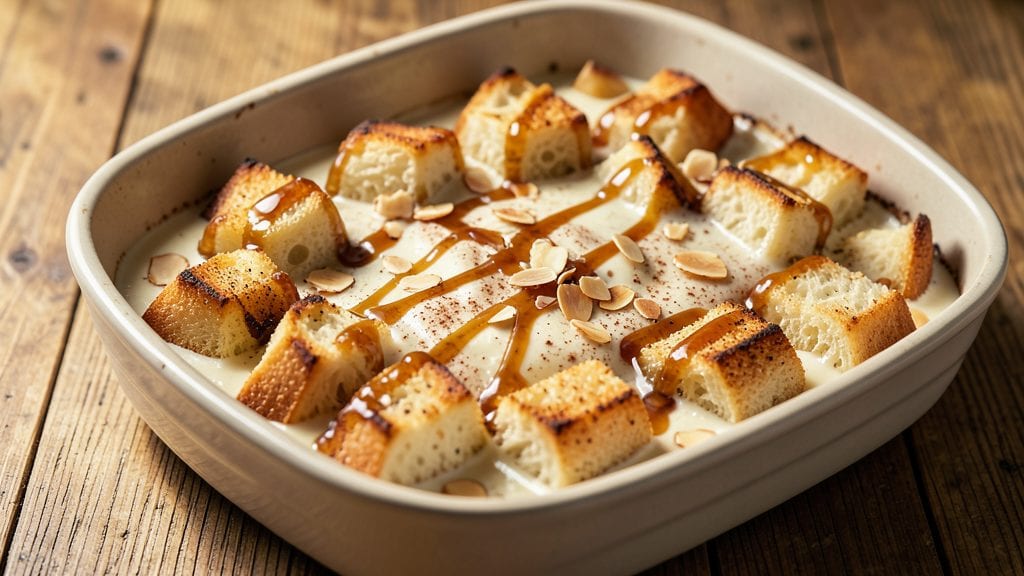
This dairy-free bread and butter pudding delivers all the creamy, comforting essence of a classic dessert without a single drop of dairy. The secret lies in a velvety coconut milk custard that perfectly complements the buttery, toasted bread layers—rich yet light, with just the right vanilla warmth.
After years of perfecting plant-based desserts, I’ve finally cracked the code for a texture that rivals traditional recipes.
The magic starts with a simple but critical technique: lightly toasting the bread cubes until golden, then layering them with a velvety custard made from coconut milk, cornstarch, and a touch of vanilla extract. Baked at 350°F for 30 minutes, this pudding develops a subtle caramelized crust while staying moist and tender inside.
The result? A dessert that feels indulgent yet stays true to dietary needs.
What you’ll end up with is a warm, custardy pudding that’s impossible to resist—creamy without dairy, fragrant with vanilla, and just sweet enough. The bread soaks up the custard perfectly, creating that signature melt-in-your-mouth texture.
Serve it warm with a sprinkle of cinnamon or fresh berries for a touch of brightness.
Perfect for cozy evenings, potlucks, or when you crave comfort without compromise. Let’s make this dessert that proves dairy-free can be just as satisfying as the original. Here’s everything you need to bring it to life.
Ingredients for dairy free bread and butter pudding
Six simple ingredients transform into velvety, dairy-free comfort. No shortcuts—just real flavor.
| Ingredient | Amount | Notes |
|---|---|---|
| Day-Old Baguette 🍞 | 1 whole | Crusts removed, cubed evenly |
| Full-Fat Coconut Milk 🥥 | 2 cups | Canned, for creamy texture |
| Pure Vanilla Extract 🌿 | 1 tbsp | High-quality, Madagascar preferred |
| Cornstarch 🌾 | ¼ cup | For thickening custard |
| Pure Maple Syrup 🍯 | ½ cup | Grade A, for natural sweetness |
| Unsweetened Almond Milk 🥛 | ½ cup | For lighter custard blend |
| Vegan Butter 🧈 | ½ cup | Melted, for bread toasting |
| Ground Cinnamon 🌶️ | 1 tsp | For warmth, not sweetness |
| Sea Salt 🧂 | ½ tsp | Diamond Crystal preferred |
| Fresh Blueberries 🫐 | ½ cup | Optional, for freshness |
| Vegan Vanilla Pudding Mix 🍮 | ¼ cup | Optional, for extra richness |
The bread is everything here. Day-old baguette gives the best texture—too fresh and it gets gummy. Whole Foods or local bakeries often have perfect slices, but any crusty loaf works. Toast the cubes in melted vegan butter until golden—this creates that signature buttery crust. Skip the crusts unless you love texture, but I always remove them for a cleaner bite. The coconut milk? Full-fat canned brands like Thai Kitchen make all the difference—none of that watery stuff. If you can't find full-fat, blend light coconut milk with 1 tbsp coconut cream to mimic richness.
No vanilla extract? Vanilla bean paste works too, or scrape seeds from a whole bean. Short on maple syrup? Agave nectar at the same amount keeps it plant-based. The almond milk is optional but cuts the heaviness of coconut milk—Silk or Califia Farms brands stay neutral. Want extra richness? Add 1/4 cup vegan pudding mix to the custard before baking. The blueberries are purely for freshness, but frozen works in a pinch—just toss them in a bowl of hot water to thaw. And yes, you can skip them entirely if you prefer classic simplicity.
This keeps beautifully—3 days in the fridge or 3 months frozen. For freezing, portion into individual ramekins before baking, then wrap tightly. Reheat at 350°F for 10-15 minutes until warmed through. The texture improves overnight as the bread fully absorbs the custard. Store leftovers covered with parchment paper to prevent drying. Double the batch—it disappears faster than you'd think, especially when you serve it warm with a sprinkle of cinnamon.
Why You'll Love This Recipe
- No Fuss, Big Payoff: I swear by this trick—just tear that stale baguette into chunks (no fancy slicing) and toss it straight into the coconut milk. The cornstarch thickens it into something luscious without stirring for hours. Honestly, I’ve made it while scrolling through my phone.
- Creamy Without the Dairy: That full-fat coconut milk? It’s the secret weapon—rich, velvety, and no one misses the butter. The maple syrup adds just enough warmth to balance the vanilla, and the baguette soaks up all the goodness. Not the prettiest, but the taste makes up for it every time.
- Weeknight Magic: This is my go-to when I’ve got zero energy but still want something special. Double the batch, stash it in the fridge, and reheat slices for breakfast or dessert. My kids think it’s "fancy" even though I call it "lazy person’s pudding."
- Budget-Friendly Luxury: You’re using day-old bread, canned coconut milk, and pantry staples—this is dessert that won’t break the bank. Between us, I’ve served it at dinner parties, potlucks, and even my own pity parties. It’s reliable, crowd-pleasing, and always leaves seconds.
Step-by-step instructions for dairy free bread and butter pudding
This creamy, comforting dessert delivers all the classic flavors without dairy—just follow these precise steps.
Toast and Prepare the Baguette
Preheat your oven to 375°F. In a large baking dish, spread the 0.5 cup vegan butter evenly over the bottom. Arrange the 1 whole day-old baguette, cut into 1-inch cubes, in a single layer, pressing down gently so they absorb the butter. The cubes should fit snugly but not overlap—this ensures even toasting and maximum surface area for custard absorption.
Here's the thing—don't skip the butter layer. It creates a flavorful barrier between the bread and custard while preventing a gummy texture. Bake the buttered bread for 10 minutes until lightly golden and crisp around the edges. You'll smell that nutty, toasted aroma—this is your cue that the base is ready for the custard mixture. Remove from oven and let cool slightly while you prepare the next components.
Whisk the Custard Mixture
In a medium saucepan, combine the 2 cups full-fat coconut milk, 0.5 cup unsweetened almond milk, 0.5 cup pure maple syrup, and 1 tbsp pure vanilla extract. Stir over medium heat until the mixture reaches 180°F—just until it begins to simmer gently. The coconut milk should smell rich and slightly sweet, with vanilla notes emerging.
In a separate bowl, whisk together the 0.25 cup cornstarch, 0.25 cup vegan vanilla pudding mix (if using), 1 tsp ground cinnamon, and 0.5 tsp sea salt. Slowly pour the hot coconut mixture into the dry ingredients while whisking continuously. This gradual incorporation prevents lumps and ensures a silky texture. Return the mixture to the saucepan and cook over low heat for 5-7 minutes, stirring constantly, until it thickens to a pudding-like consistency that coats the back of a spoon.
Assemble and Bake the Pudding
Pour the warm custard mixture evenly over the toasted baguette cubes, pressing down gently to ensure every piece is saturated. The custard should look glossy and inviting—this is the moment that matters: proper saturation guarantees a moist, tender pudding rather than a dry one. If you're using the 0.5 cup fresh blueberries, sprinkle them evenly over the top now, nestling them into the custard.
Return the baking dish to the oven and bake at 350°F for 25-30 minutes, until the top is golden brown and the edges are slightly puffed. You'll see a thin crust form on the custard—this indicates it's set properly. The pudding should jiggle slightly in the center when gently shaken, but not be liquid. Real talk: your oven might run hot, so start checking at the 20-minute mark to avoid overbaking.
Rest and Serve Warm
Remove the pudding from the oven and let it rest for 10 minutes before serving. This resting period allows the custard to fully set and the flavors to meld together. The contrast between the warm, creamy custard and the crisp edges of the baguette cubes is what makes this dessert truly comforting.
Serve warm with a dusting of cinnamon or an extra drizzle of maple syrup. Each bite should deliver that perfect balance of toasted bread, velvety custard, and subtle vanilla sweetness. The blueberries, if used, will add a bright pop of freshness that cuts through the richness. And don't worry if it looks like too much custard—it's designed to soak into every nook of the baguette cubes, ensuring no dry bites.
Pro Tips For Making Dairy Free Bread And Butter Pudding
- TOAST THE BREAD FIRST: Skip the soggy mess—lightly toast your day-old baguette slices in a 350°F oven for 3-4 minutes before layering. The extra crispness holds up better when submerged in coconut milk, and it actually makes the pudding more tender, not less. (Yes, even if you’re impatient like me.)
- WHISK COCONUT MILK COLD: After mixing cornstarch into your coconut milk, chill the custard for 10 minutes before pouring it over the bread. Warm milk thickens unevenly, and you’ll end up with a lumpy pudding that’s more glue than custard. Trust me, the 10 minutes save you from scraping the bottom of the pan later.
- SKIP THE MAPLE SYRUP RUSH: Add your pure maple syrup after the custard has simmered for 5 minutes—otherwise, it burns before the pudding sets. Stir in the last 30 seconds of cooking, and you’ll get that rich, caramelized depth without turning your dessert into a sticky disaster. (I learned this the hard way with a charred pot.)
- USE LESS CORNSTARCH: Measure your cornstarch carefully—this isn’t a thickener, it’s a stabilizer. Too much, and your pudding turns into a stiff, gluey block. Start with 2 tablespoons per cup of coconut milk, then taste-test the custard before it hits the bread. You can always add a pinch more, but you can’t undo the gritty texture.
Troubleshooting perfect results
Custard Too Thin?
If your custard isn’t thickening properly, you’ve likely undercooked it. The key is patience—keep whisking over low heat for 5-7 minutes until it reaches a pudding-like consistency. For extra insurance, I recommend adding 1 extra tbsp cornstarch mixed with 2 tbsp cold water as a slurry.
Stir it in during the last 2 minutes of cooking. This trick works like magic for thickening without altering the flavor.
Bread Too Dry?
Dry bread usually means the custard didn’t soak in enough. First, ensure your baguette cubes are 1-inch thick—smaller pieces absorb better. After baking the buttered bread, let it cool for 5 minutes before adding custard.
This prevents the bread from absorbing too much butter and leaving less room for custard. For extra moisture, brush the cubes with 1 tbsp coconut milk before adding the custard mixture.
Gummy Texture?
Gummy pudding often happens when the custard sets too quickly or the bread is too fresh. Always use day-old bread—it’s drier and absorbs custard better. If your pudding turns gummy, try baking it at 325°F instead of 350°F—the lower temperature gives the custard time to set gradually.
For a quick fix, reheat gummy pudding in the oven at 300°F for 10 minutes with a splash of coconut milk to restore creaminess.
Burnt Top?
A burnt top means your oven runs hot or the custard wasn’t fully mixed. To prevent this, cover the baking dish loosely with aluminum foil during the last 10 minutes of baking. If you notice browning too soon, move the dish to a lower oven rack.
For extra protection, sprinkle 1 tbsp crushed nuts or oats on top before baking—this creates a natural barrier that prevents over-browning while adding crunch.
Not Enough Flavor?
If your pudding tastes bland, the custard mixture likely didn’t simmer long enough. Always bring the coconut milk to 180°F before mixing with dry ingredients—this ensures deep flavor infusion. For extra richness, add 1 tsp coconut cream or ½ tsp vanilla bean paste to the custard.
A pinch of cinnamon or nutmeg in the dry mix also enhances warmth without overpowering.
Custard Separated?
Separation happens when the custard cooks too vigorously or sits too long before baking. To fix it, whisk the custard vigorously over low heat until smooth. For prevention, never let the custard boil—keep it at a gentle simmer.
If separation occurs after baking, blend the pudding briefly with an immersion blender before serving. This restores a silky texture without altering the flavor.
Nutrition facts
Frequently asked questions
Can I use regular bread instead of a baguette?
Yes, but texture matters! For best results, choose a crusty bread like sourdough or a French loaf. If using soft bread like brioche, toast it longer to prevent gummy pudding. Avoid overly dense breads—they absorb custard unevenly. For a quick fix, cube your bread into 1-inch pieces and toast until golden.
What if I don't have full-fat coconut milk?
No problem—just improvise! Mix 1 cup light coconut milk with 2 tbsp coconut creamstrong> (or 1 tbsp coconut oil) to mimic richness. For extra insurance, whisk in 1 extra tbsp cornstarch to compensate for the thinner base. The flavor won't be identical, but it'll still taste creamy.
Can I make this ahead of time?
This dessert actually tastes better the next day. Store leftovers in an airtight container for up to 3 days in the fridge. For serving, reheat at 300°F for 10-15 minutes until warmed through. The bread absorbs more custard overnight, creating an even richer texture.
How do I make it extra rich without dairy?
Boost the decadence with these pro tips:
- Swap 1/4 cup of almond milk for coconut cream
- Stir in 1/2 tsp coconut extractstrong> with the vanilla
- Top with toasted pecans or walnutsstrong> before baking
- Drizzle with melted vegan caramel saucestrong> after serving The custard will feel luxuriously thick while staying dairy-free.
Why did my custard turn out lumpy?
Lumpy custard usually means the cornstarch didn't dissolve properly. To fix it next time:
- Whisk the cornstarch with cold water first (make a slurry)
- Temper the mixture by gradually adding hot liquid
- Cook on low heat while whisking constantly If it happens after baking, blend briefly with an immersion blender—no one will notice!