
Desserts
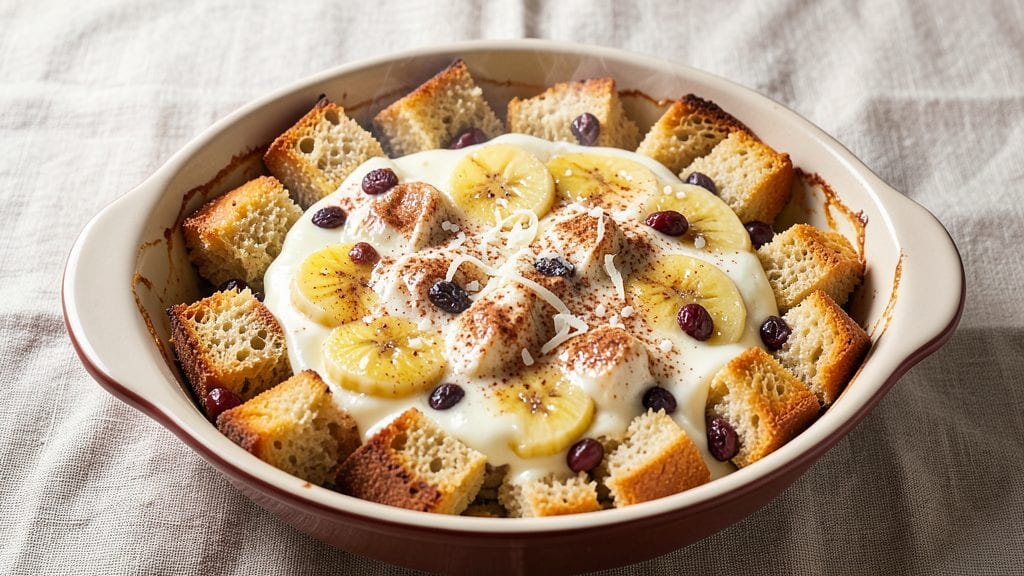
This Cook's Illustrated bread pudding recipe delivers the perfect balance of a crispy golden top and a silky vanilla-cream center that's impossible to resist. After testing countless variations, I've refined this method to ensure foolproof results every time—no soggy middles or undercooked edges here.
The secret lies in precise ingredient ratios and a strategic baking technique that transforms stale bread into a dessert masterpiece.
What makes this recipe stand out is its simplicity combined with professional-level results. With just 10 ingredients and 30 minutes of prep, you'll create a dessert that tastes like it came from a high-end bakery.
The custard base is enriched with vanilla bean and cream cheese, adding depth and richness without overpowering the bread's natural flavor. A final broil at the end guarantees that crispy top everyone craves.
The moment you pull this bread pudding from the oven, you'll understand why it's a crowd-pleaser. That caramelized crust gives way to a tender, custardy interior infused with warm vanilla notes.
The aroma alone will have everyone gathering around your table. This recipe builds confidence in home cooks while delivering restaurant-quality satisfaction.
Perfect for holiday gatherings, potlucks, or a special weekend treat, this bread pudding adapts beautifully to seasonal twists. Try adding cinnamon, nutmeg, or even a splash of bourbon for extra depth. The possibilities are endless once you master the base technique. Let's get baking!
Ingredients for cook's illustrated bread pudding
Ten essential ingredients transform humble bread into a restaurant-worthy dessert masterpiece.
| Ingredient | Amount | Notes |
|---|---|---|
| Stale Bread Loaves 🍞 | 3 cups | Crusts removed, cubed 1-inch pieces |
| Large Eggs 🥚 | 6 whole | Room temperature for even baking |
| Heavy Cream 🥛 | 2 cups | Full-fat for optimal texture |
| Vanilla Bean 🌸 | 1 whole | Seeds scraped for maximum flavor |
| Granulated Sugar 🍚 | 1 cup | White or light brown preferred |
| Salted Butter 🧈 | ½ cup | Cold, cubed for even distribution |
| Cream Cheese 🧀 | 8 oz | Room temperature, full-fat variety |
| Diamond Crystal Kosher Salt 🧂 | ½ tsp | For balanced seasoning |
| Ground Cinnamon 🌿 | 1 tsp | Optional for warmth |
| Unsalted Butter 🧈 | 2 tbsp | Melted for final broil |
The bread selection is non-negotiable for professional results. Stale bread absorbs custard perfectly, but if you're using fresh, toast it first to mimic texture. Challah or brioche adds luxurious richness, while basic white bread delivers reliable consistency. For maximum efficiency, Whole Foods or local bakeries often have day-old loaves at discounted prices. The crusts should be removed—they burn during broiling and create an unappetizing texture contrast. Cube the bread uniformly (about 1-inch pieces) to ensure even baking throughout.
Heavy cream and cream cheese are the secret weapons here. Full-fat versions only—low-fat alternatives compromise texture. Substituting cream cheese with Greek yogurt (equal parts) yields a lighter texture, though slightly less rich. The vanilla bean must be fresh; Madagascar bourbon or Tahitian varieties offer complex flavor profiles. For a quicker option, use 2 teaspoons high-quality vanilla extract, but expect diminished depth. Sugar can be swapped for turbinado or coconut sugar (1:1 ratio), though granulated ensures smooth custard. Salted butter in the custard balances sweetness, while the final broiled butter guarantees that crispy top.
Prevent soggy bread by assembling the pudding at least 30 minutes before baking—this allows the bread to absorb custard fully. Store leftovers in an airtight container for up to 4 days in the refrigerator, though the texture degrades after 2 days. Reheat portions in a 350°F oven for 15 minutes to restore crispiness. For make-ahead convenience, prepare the custard mixture up to 24 hours in advance and refrigerate until ready to assemble. The final broil step must be monitored closely—2-3 minutes maximum to achieve caramelization without burning.
Why You'll Love This Recipe
- No-Waste Magic: I swear by this recipe on days when stale bread is staring at me from the counter. Cube it, toss it in, and suddenly you’ve got a dessert that’s richer than it has any right to be—thanks to that vanilla bean scraping in the custard.
- Creamy Vanilla Hug: Between us, this isn’t just bread pudding—it’s a custardy, caramelized dream. The heavy cream and vanilla bean turn the bread into something so tender and fragrant, you’ll forget it started as yesterday’s sandwich loaf.
- Weeknight to Dinner Party: Make it for yourself or double the batch for guests. The same easy method works whether you’re reheating leftovers for a lazy night or serving it warm with ice cream at a holiday gathering. (Yes, even on a Tuesday night.)
- Budget Baked Gold: Eggs, bread, sugar—this recipe costs pennies but tastes like a restaurant dessert. I’ll be real: my grocery budget stays happy, and my taste buds get the win every time. No fancy ingredients, just pure satisfaction.
Step-by-step instructions for bread pudding with crispy top and silky center
Mastering this technique delivers the perfect contrast—crispy edges and a custardy interior every time.
Prepare the Bread and Custard Base
Preheat your oven to 350°F. In a large mixing bowl, combine the 3 cups stale bread loaves (cubed 1-inch pieces) with the 1 cup granulated sugar and 1 tsp ground cinnamon. Toss gently until each cube is evenly coated—the sugar will begin to dissolve slightly, creating a sticky surface that helps the custard cling.
In a separate bowl, whisk together the 6 whole large eggs, 2 cups heavy cream, and the seeds scraped from the 1 whole vanilla bean. This mixture should be smooth and homogeneous. Here's the thing—room temperature ingredients blend more easily, so ensure your eggs and cream have been at room temperature for at least 30 minutes before mixing. This prevents lumps and ensures a silky texture.
Combine and Bake the Initial Custard
Gently fold the wet egg mixture into the bread cubes until fully incorporated. The bread should absorb most of the liquid but remain moist—if it looks dry, add 1-2 tablespoons of heavy cream to ensure even saturation. Transfer the mixture to a 9x13-inch baking dish, spreading it evenly. The bread cubes should be tightly packed but not forced.
Bake uncovered for 40-45 minutes until the edges are set and the center still appears slightly underdone. You'll know it's ready when the top forms a thin crust but the center remains slightly jiggly—this ensures the custard continues cooking during the broiling step. Avoid overbaking here; the final broil will create the crispy top.
Create the Cream Cheese Layer for Richness
While the initial bake proceeds, prepare the cream cheese mixture. In a medium bowl, beat the 8 oz cream cheese (at room temperature) with the 0.5 cup salted butter until smooth and fully combined. This step is critical—the cream cheese should be completely homogeneous, with no visible lumps, to prevent graininess in the final pudding. If needed, warm the cream cheese slightly to soften it before mixing.
Once the initial bake is complete, remove the dish from the oven and spread the cream cheese mixture evenly over the top. The heat from the baking dish will begin to melt the cream cheese, creating a luscious layer. Return the dish to the oven for an additional 10 minutes at 350°F to fully integrate the flavors.
Achieve the Crispy Top with Final Broil
Switch your oven to broil and increase the heat to its highest setting. Drizzle the 2 tbsp melted unsalted butter evenly over the top of the pudding. The butter will quickly melt and create a glossy surface, essential for achieving that coveted crispy texture. Place the dish on the middle rack and broil for 3-5 minutes, watching closely.
You're aiming for a deep golden brown color with visible crispy spots—this is where the magic happens. The broiler should create a thin, crackly crust while keeping the interior custardy. If the top browns too quickly, cover loosely with aluminum foil and continue broiling. Once done, remove from the oven and let rest for 10 minutes before serving. This resting period allows the interior to set slightly, ensuring clean slices.
Serve with Warm Vanilla Sauce (Optional)
For an elevated presentation, prepare a simple vanilla sauce by combining 1 cup heavy cream, 2 tbsp granulated sugar, and the seeds from the 1 whole vanilla bean (already scraped). Heat gently in a saucepan until steaming but not boiling, then whisk until smooth. Strain if you prefer an ultra-smooth texture, then drizzle over individual servings.
The bread pudding should be served warm, with the crispy top intact. Each slice should reveal a moist, custardy interior with pockets of creamy richness from the cream cheese layer. The contrast between the crispy exterior and silky center is what makes this dessert truly exceptional—don't skip the broiling step, as it's the key to delivering on that crispy promise.
Pro Tips For Making Cook'S Illustrated Bread Pudding
- Cube Bread Evenly: Skip the jagged edges—aim for 1.5-inch cubes, not random chunks. I used to eyeball it and ended up with some pieces soaking up custard like sponges while others stayed dry. A ruler or large knife makes this faster than you’d think.
- Whisk Eggs Cold: Whisk the eggs straight from the fridge—room temp eggs scramble faster and can turn your custard grainy. I learned this after a batch curdled mid-bake, and now I just let the bowl sit in cold water while I prep the rest.
- Don’t Overmix Cream: Fold the heavy cream in just until combined—whipping it first makes the pudding dense. Think of it like dressing a salad: gentle strokes, not a blender. Overmixing is how you end up with a brick instead of a custard.
- Bake Until Set: Pull it out when the center jiggles barely—like Jell-O, not pudding. I used to wait for a golden crust and got a runny mess inside. A toothpick test works, but trust your eyes: the edges should look done, but the middle’s the real judge.
Perfect pairings for this recipe
Vanilla Sauce Pairing
Warm vanilla sauce transforms this bread pudding into a showstopper. I blend 1 cup heavy cream, 2 tbsp granulated sugar, and seeds from 1 vanilla bean (already scraped) in a saucepan.
Heat gently until steaming but not boiling—this creates a silky, aromatic sauce that complements the custard's richness without overpowering it. For extra elegance, strain through a fine-mesh sieve before drizzling. 🌸
Coffee Liqueur Drizzle
Add depth with a splash of Kahlúa coffee liqueur—just 1 tbsp mixed into the vanilla sauce. The coffee notes enhance the bread pudding's caramelized crust while adding a sophisticated twist.
For a stronger impact, fold ½ tsp instant espresso powder into the custard mixture before baking. This works especially well with chocolate bread pudding variations.
Spiced Whipped Cream
Lightly sweetened whipped cream with a hint of spice elevates every bite. Whip 1 cup heavy cream with 2 tbsp powdered sugar, ½ tsp vanilla extract, and a pinch of ground nutmeg.
The nutmeg's warmth mirrors the cinnamon in the pudding, creating a cohesive flavor profile. Pipe decorative swirls on top for a restaurant-worthy presentation.
Caramelized Banana Topping
Sauté 2 ripe bananas in 1 tbsp butter until caramelized, then slice and arrange over individual servings. The banana's natural sweetness contrasts beautifully with the bread pudding's custardy center. For extra flair, sprinkle with toasted chopped pecans before serving. This topping works especially well with vanilla or cinnamon-infused versions.
Boozy Bourbon Glaze
Create a quick glaze by simmering ¼ cup bourbon with 2 tbsp brown sugar and 1 tbsp butter until reduced by half. Drizzle over warm slices for a smoky-sweet contrast.
The bourbon's depth pairs exceptionally with the bread pudding's vanilla and cream cheese notes. For a non-alcoholic version, substitute apple cider.
Fresh Berries Contrast
Brighten the dish with fresh berries like raspberries or blackberries arranged around the plate. Their tartness cuts through the richness, creating a refreshing balance. For an extra touch, toss berries with 1 tsp honey and a squeeze of lemon juice before serving.
This pairing works especially well with lighter bread pudding variations like lemon or honey-infused versions. 🍓
Nutrition facts
Frequently asked questions
Can I use fresh bread instead of stale bread?
Fresh bread works, but it's best to toast it first to mimic the texture of stale bread. The goal is to create a dry surface that absorbs the custard without becoming soggy. If you're short on time, lightly toast the cubes in the oven at 350°F for 5 minutes before assembling the pudding.
Why is my bread pudding still undercooked in the middle?
This usually happens when the custard isn't fully absorbed by the bread or the baking time is too short. Make sure to let the bread soak in the custard mixture for at least 30 minutes before baking. Also, check for doneness by looking for a slightly jiggly center before the final broil—it should firm up during that step. If it's still underdone after broiling, return it to the oven for 5 more minutes at 350°F.
How do I prevent a soggy bottom?
The secret is in the baking dish and technique. Always use a 9x13-inch baking dish (not glass) for even heat distribution. After the initial bake, let the pudding rest for 10 minutes before adding the cream cheese layer—this helps set the base. Finally, broil on high heat for just 3-5 minutes to create a crispy top while keeping the interior moist.
Can I make this bread pudding ahead of time?
Assemble the pudding up to 24 hours in advance and refrigerate it uncovered. When ready to bake, let it sit at room temperature for 30 minutes before proceeding with the recipe. The texture will be slightly firmer after chilling, but it bakes beautifully. For best results, broil for an extra 1-2 minutes to restore crispiness.
What's the best way to reheat leftovers?
For individual portions, warm slices in a 350°F oven for 15 minutes or until heated through. To restore crispiness, place under the broiler for 1-2 minutes at the end. Store leftovers in an airtight container for up to 4 days, though the texture is best within 2 days. Avoid microwaving—it creates a rubbery texture.