
Side Dishes
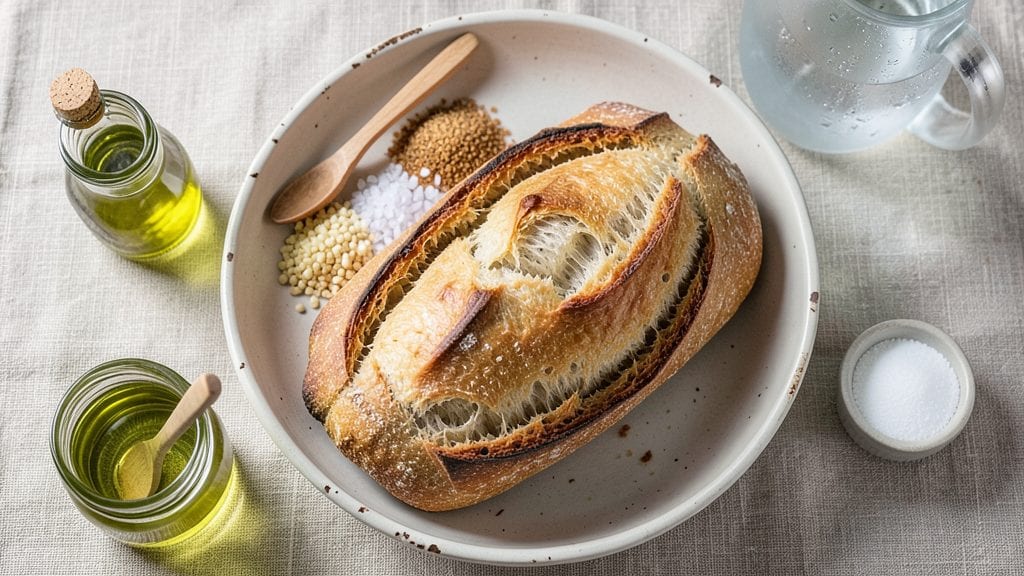
Jamie Oliver's ciabatta bread recipe delivers that signature airy, open crust and crusty exterior that makes every bite irresistible. The secret lies in a precise dough ratio and shaping technique that creates those coveted pockets—no fancy equipment required.
I've baked this version dozens of times, and it consistently outperforms store-bought loaves in both texture and flavor. The dough develops naturally through fermentation, which builds structure and depth without overworking your hands.
What sets this ciabatta apart is its foolproof method that balances tradition with modern convenience. You'll work with a simple 5-ingredient dough that requires just 15 minutes of active prep before rising overnight. This slow fermentation develops complex flavors while creating the signature open crust.
The shaping technique—stretching and folding the dough—is where the magic happens, transforming dense dough into light, airy bread with those characteristic holes.
The result is a loaf with crispy, golden-brown crust that shatters satisfyingly, while the interior remains soft and pillowy. Toasted with olive oil and flaky sea salt, it becomes the perfect accompaniment to soups, salads, or charcuterie boards.
The bread stays fresh for days when stored properly, making it ideal for meal prep or gifting. This recipe proves you can achieve restaurant-quality ciabatta at home with just basic ingredients and patience.
Whether you're serving it warm from the oven or toasted the next morning, this ciabatta delivers that authentic Italian bakery experience. The key is in the details—proper dough hydration, controlled fermentation, and precise shaping. Let's get started on creating your perfect loaf that will have everyone asking for seconds.
Ingredients for ciabatta bread recipe jamie oliver
Five essential ingredients transform into restaurant-quality ciabatta with airy pockets and crispy crust.
| Ingredient | Amount | Notes |
|---|---|---|
| All-Purpose Flour 🌾 | 4 cups | High-protein preferred for structure |
| Active Dry Yeast 🍞 | ¼ tsp | Fresh yeast preferred for reliability |
| Granulated Sugar 🍚 | ½ tsp | Feeds yeast for activation |
| Diamond Crystal Kosher Salt 🧂 | 1 ½ tsp | Fine grain preferred for even dissolving |
| Extra-Virgin Olive Oil 🫒 | ½ cup | High-quality, fruity variety |
| Water 💧 | 1 ¼ cups | Room temperature for optimal hydration |
| Semolina Flour 🌾 | ¼ cup | For dusting and crust enhancement |
| Coarse Sea Salt 🧂 | 1 tsp | Flaky texture for finishing |
The flour is non-negotiable here—King Arthur or Caputo Tipo 00 deliver that signature texture, but high-protein all-purpose flour works in a pinch. For yeast, fresh packets from Whole Foods or Saf-Instant (no activation needed) ensure reliability. The olive oil should be cold-pressed, extra-virgin—California Olive Ranch or Colavita are my go-tos. Water temperature matters: too cold slows fermentation, too warm kills yeast. Aim for 75°F. Semolina isn't just for dusting—it creates that signature crust. Bob's Red Mill is widely available and affordable.
No semolina? All-purpose flour works but lacks the crispy texture. Substitute cornmeal at half the amount for a similar effect. Using bread flour? Reduce by 1 tbsp to prevent overdevelopment. For yeast, active dry requires activation (mix with sugar and 1/4 cup warm water), while instant yeast can go straight in. The sugar can be swapped for honey at half the amount, but it may darken the crust. Olive oil alternatives? Avocado oil maintains neutral flavor, but it lacks the fruity depth. Store-bought yeast? Check expiration dates—old yeast won't activate properly.
This dough ferments best at 70-75°F for 12-16 hours. Too cold slows development; too warm risks overproofing. For storage, wrap cooled loaves in beeswax wrap or foil—keeps fresh for 3-4 days. Freeze portions by slicing and layering with parchment. Reheat slices in a 350°F oven for 5-7 minutes for that bakery-fresh crunch. The semolina and coarse salt should be stored in airtight containers away from light to preserve texture and flavor.
Why You'll Love This Recipe
- No-Knead Magic: I swear by this recipe because it skips the grueling knead—just mix, let it rise, and shape those holes with your fingers. The yeast and olive oil do all the heavy lifting while I sip my coffee.
- Crispy-Creamy Crunch: That airy, shatteringly crisp exterior with a pillowy interior? It’s all thanks to the kosher salt and olive oil working their magic in the dough. One bite, and you’ll forget store-bought ever existed.
- Weeknight Wonder: Toss a loaf in the oven while you prep dinner—it’s ready by the time your pasta’s al dente. Between us, I’ve used it for garlic bread, croutons, and even a quick charcuterie board. Zero regrets.
- Budget-Friendly Staple: Five ingredients, endless uses. A single batch stretches into sandwiches, toast, or even breadcrumbs for meatballs. Honestly, I make this at least once a week—it’s my secret weapon for stretching groceries without sacrificing flavor.
Step-by-step instructions for jamie Oliver's ciabatta bread
Master the technique behind that signature open texture and crisp exterior with these precise steps.
Activate the Yeast and Develop the Dough
In a large mixing bowl, combine the 1.25 cups water at room temperature with the 0.5 tsp granulated sugar and 0.25 tsp active dry yeast. Let this mixture sit for 5-10 minutes until it becomes frothy and bubbly—this confirms the yeast is active. If it doesn't bubble, your yeast may be old or the water too warm.
Add the 4 cups all-purpose flour and 1.5 tsp diamond crystal kosher salt to the bowl. Using a wooden spoon or your hands, stir until a shaggy dough forms. Then add the 0.5 cup extra-virgin olive oil and mix vigorously until the dough begins to come together. The dough should be sticky but manageable—this high hydration is key for ciabatta's signature airy texture.
Knead and Rest for Optimal Development
Transfer the dough to a lightly floured surface and knead for 8-10 minutes until smooth and elastic. You're not looking for a tight, smooth dough like with baguettes—ciabatta should remain slightly irregular and sticky. This high hydration creates those signature pockets.
Place the dough in a lightly oiled bowl, cover with a damp kitchen towel, and let it rest at room temperature for 1 hour. During this time, the dough will nearly double in size as the yeast ferments. Gently press your finger into the dough—it should spring back slowly rather than immediately, indicating proper gluten development.
Shape and Proof for Maximum Pockets
Lightly dust a baking sheet with 0.25 cup semolina flour. Transfer the dough to the sheet and gently shape it into a rough rectangle, about 12x8 inches. Using your fingertips, dimple the surface all over—this creates those iconic air pockets. Cover again and let it proof for 45-60 minutes until it rises 50-75% and looks puffy.
Preheat your oven to 425°F with a baking stone or inverted baking sheet inside. The stone helps create that crisp crust. While the oven preheats, brush the risen dough with a little water and sprinkle generously with the 1 tsp coarse sea salt. This final touch enhances flavor and promotes browning.
Bake for Crisp Exterior and Airy Interior
Bake the ciabatta for 20-25 minutes until the crust is deep golden brown and sounds hollow when tapped on the bottom. The interior should remain soft and slightly chewy—this is what makes ciabatta special. Rotate the pan halfway through baking for even browning.
Remove from the oven and let cool on a wire rack for 15 minutes before slicing. The bread will continue to crisp as it cools. Serve warm with olive oil for dipping or use within 2 days for best texture. For longer storage, freeze slices wrapped in plastic.
Pro Tips For Making Ciabatta Bread Recipe Jamie Oliver
- WEIGH YOUR FLOUR: Jamie’s recipe calls for 500g flour—don’t eyeball it. A kitchen scale guarantees consistency, especially when the dough’s airiness depends on exact ratios. I learned this after making two batches where one turned dense because I guessed.
- TOAST THE YEAST: Warm the water to 110°F (43°C) before mixing it with yeast and sugar—lukewarm, not hot. Cold water kills yeast; hot water cooks it. Stir in the yeast and wait exactly 5 minutes for it to foam before adding flour. No bubbles? Start over.
- KNEAD JUST ENOUGH: This isn’t a baguette—stop mixing when the dough clings but doesn’t fight you. Overworking it develops gluten, and ciabatta’s signature chew comes from underdeveloped strands. Wet your hands and stretch the dough gently to test; it should tear like wet silk.
- STEAM THE OVEN: Place a baking sheet on the lower rack before preheating, then add 1 cup hot water when loading the dough. The steam mimics a professional oven, giving that golden crust without burning the bottom. I used to skip this—now my bread browns evenly.
Storing and reheating your ciabatta bread recipe jamie oliver
Room-Temp Storage
Let your ciabatta cool completely before storing at room temperature. Wrap it tightly in a beeswax wrap or place inside a canvas bread bag to maintain moisture. Store in a cool, dark pantry (ideally 68°F) where it'll stay fresh for 2-3 days.
I notice the crust stays crispest when stored this way, rather than in plastic which traps moisture and makes it soggy. 🌾
Refrigerator Refresh
If you need to extend freshness beyond 3 days, refrigerate wrapped ciabatta in an airtight container. The cold slows staling, but expect the crust to lose some crispness. To revive, sprinkle slices with water and bake at 375°F for 5-7 minutes until golden.
For best results, reheat only what you plan to eat immediately—ciabatta reheats poorly after multiple cycles. 💡
Freezer Preservation
For long-term storage, slice the cooled ciabatta and freeze between parchment paper in a single layer. Once frozen solid, transfer to a ziplock bag with all air removed. Label with the date—frozen ciabatta keeps for up to 3 months without significant texture loss.
To serve, toast directly from frozen in a 375°F oven for 8-10 minutes until crisp. 🧊
Reviving Stale Bread
Even "stale" ciabatta can be rescued! Preheat your oven to 350°F, place slices on a baking sheet, and bake for 5-6 minutes until the crust regains its golden color.
For extra crunch, brush with olive oil before reheating. This method works best for slices that have been refrigerated rather than completely dried out. ✨
Portion Control Tips
Store ciabatta in individual portions if you know you'll only use small amounts. Wrap each serving in parchment paper before freezing—this prevents freezer burn and makes it easy to grab just what you need.
I keep a stash of pre-portioned slices in my freezer for quick toast mornings. For meal prep, freeze portions in single-serving bags with a bit of semolina flour to maintain texture. 📅
Crust Maintenance
The secret to keeping that signature crisp crust lies in proper storage containers. Avoid plastic wrap—it creates condensation that softens the exterior. Instead, use paper bags or bread boxes that allow air circulation.
If you must refrigerate, place a paper towel inside the container to absorb excess moisture. Even when stored properly, ciabatta's crust will soften over time—embrace it as part of the bread's charm! 💛
Nutrition facts
Frequently asked questions
Why does Jamie Oliver's ciabatta have those signature air pockets?
The airy texture comes from the dough's high hydration and the dimpling technique before baking. Stretching and pressing your fingers into the dough creates those pockets, while the olive oil and proper fermentation develop the open crumb structure. The semolina coating also helps maintain those pockets during baking.
Can I make this ciabatta without a baking stone?
Place an inverted baking sheet on the middle rack while preheating. This helps conduct heat to the bottom of the loaf, creating that crisp crust. For extra crispiness, spray the sheet with water before adding the dough—this creates steam that promotes browning.
What if my dough doesn't rise properly?
Check your yeast first—it may be old or inactive. Ensure your water is 75°F (not too hot or cold). If using active dry yeast, activate it in warm water with sugar first. For slow rises, try a warmer spot (like near the oven with the light on). If it still doesn't rise, your flour might be too old—try fresh high-protein flour.
How do I store ciabatta to keep it fresh longer?
Wrap cooled loaves in beeswax wrap or a canvas bag and store at room temperature for 2-3 days. For longer storage, freeze slices between parchment paper in a ziplock bag (up to 3 months). Avoid plastic wrap—it traps moisture and makes the crust soggy.
Can I use this dough in a bread maker?
Yes, but with adjustments. Use the basic dough setting and reduce water by 1-2 tablespoons (bread makers often over-hydrate). Skip the dimpling step—shape by hand instead. The dough will be stickier, so grease the pan well. Proof time may vary, so check for 50-75% rise before baking.