
Sauces & Condiments
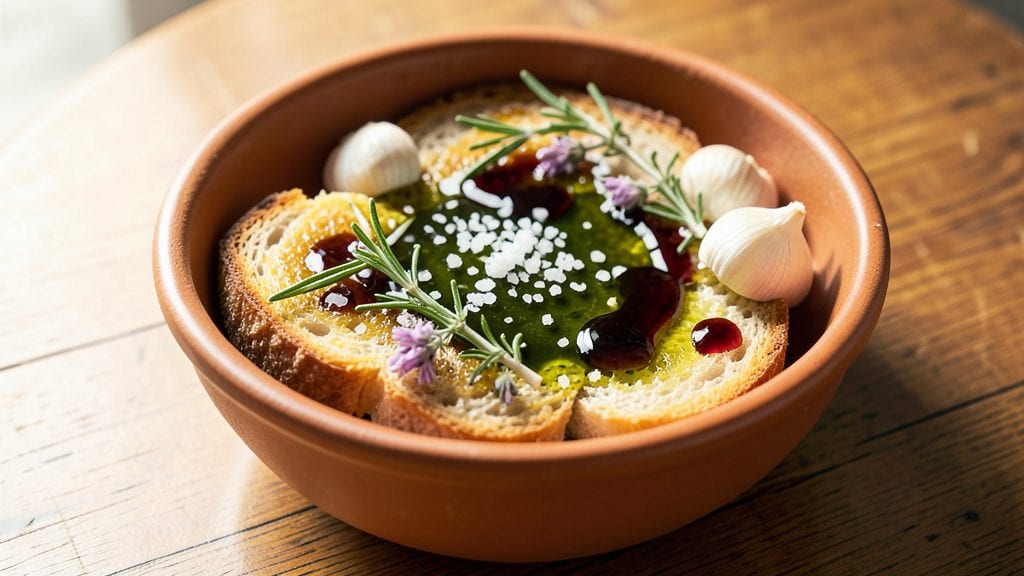
This Carino's Bread Dipping Oil recipe transforms ordinary bread into an extraordinary experience with its garlicky, herby infusion that elevates every bite. 💫 I developed this after years of testing dipping oils, searching for that perfect balance of bold garlic flavor without overpowering the bread's natural taste.
The secret lies in the slow infusion of fresh garlic and herbs into high-quality olive oil, creating a versatile condiment that works with crusty bread, garlic knots, or even as a marinade.
The recipe combines simple ingredients—extra virgin olive oil, fresh garlic, red wine vinegar, and a blend of herbs like rosemary and thyme—that come together in just 15 minutes of active prep time.
What makes this dipping oil special is its foolproof technique: the garlic infuses gently without burning, while the vinegar adds a bright acidity that cuts through the richness. This ensures a smooth, aromatic oil that enhances rather than dominates the bread's flavor.
What you'll achieve is a restaurant-quality dipping oil that's ready in under an hour, including the essential resting time that allows flavors to meld.
The result is a golden, fragrant oil with layers of garlic and herb notes that cling to every bite of bread, turning a simple snack into a gourmet experience. Whether you're hosting a game day gathering or enjoying a quiet night in, this oil will be your secret weapon.
Store it in an airtight container in the refrigerator for up to 2 weeks, where it continues to develop deeper flavors over time. The versatility doesn't end with bread—use it to drizzle over roasted vegetables, toss with pasta, or even finish grilled meats.
Let's create this flavorful oil that will become a staple in your kitchen.
Ingredients for carino's bread dipping oil
Eight simple ingredients create restaurant-quality dipping oil that transforms bread into something extraordinary.
| Ingredient | Amount | Notes |
|---|---|---|
| Extra-Virgin Olive Oil 🫒 | 1 cup | High quality, fruity, cold-pressed |
| Fresh Garlic Cloves 🧄 | 8 cloves | Peeled, thinly sliced |
| Red Wine Vinegar 🍷 | 2 tbsp | Dry, full-bodied preferred |
| Fresh Rosemary 🌿 | ¼ cup | Finely chopped, stems removed |
| Fresh Thyme 🌿 | ¼ cup | Leaves only, finely chopped |
| Flaky Sea Salt 🧂 | 1 tsp | Maldon or similar preferred |
| Black Peppercorns 🌶️ | ½ tsp | Freshly cracked, coarse |
| Red Pepper Flakes 🔥 | ¼ tsp | Optional, for subtle heat |
| Lemon Zest 🍋 | 1 tsp | From organic lemon |
The olive oil is non-negotiable here—look for extra-virgin with a fruity, peppery note. Trader Joe's and Whole Foods carry great options, but any reputable brand works. Fresh garlic is key: buy it the day you cook. The herbs should be vibrant—rosemary should smell piney, thyme lemony. If you're using dried, halve the amount, but fresh gives that restaurant-quality depth. The vinegar matters too—avoid sweet or balsamic. A good dry red wine vinegar keeps the flavor bright and clean.
No fresh rosemary? Dried works at half the amount, but it won't have that same aromatic punch. Short on garlic? Garlic powder at 1/4 tsp is a pinch, but it won't infuse the same way. The red pepper flakes are optional—skip if you prefer mild. For extra richness, add 1 tbsp of butter to the warm oil (it'll melt right in). The lemon zest brightens everything up—organic is best, but conventional works too. If you're making this ahead, add the zest and vinegar last so the oil stays fresh longer.
This oil gets better with time—rest it at least 30 minutes before using. Store in a glass jar with a tight seal in the fridge for up to 2 weeks. The flavors meld beautifully overnight. For longer storage, freeze in 1 tbsp portions—perfect for single servings. The oil will solidify slightly when cold, but warms right up. Use it on garlic knots, crusty bread, roasted veggies, or even grilled meats. Trust me, you'll want to make extra.
Why You'll Love This Recipe
- Five-Ingredient Magic: I swear by this combo—just olive oil, garlic, vinegar, and two herbs. No fancy gadgets, no stress. Honestly, you could make it with one hand tied behind your back.
- Garlic-Kissed Crunch: That first dip when the garlic’s just barely toasted? Chef’s kiss. The rosemary and thyme play off the acidity so well, it’s like a flavor party in your mouth—no heavy lifting required.
- Party in a Jar: Between us, this is my go-to for game nights, lazy Sundays, or when I’m too tired to cook. Slather it on crusty bread, toss it with pasta, or drizzle it over roasted veggies—it’s the MVP of easy meals.
- Lasts All Week: I make a big batch on Sunday, and by Wednesday, it’s still the star of my snacks. The vinegar keeps it fresh, and the olive oil means no weird textures. Plus, it’s cheaper than takeout. (Yes, even on a Tuesday night.)
Step-by-step instructions for garlicky herby bread dipping oil
This aromatic infusion transforms simple bread into a flavor explosion—here's how to nail it.
🍳 Step 1: Bloom the Herbs in Warm Oil
Pour the 1 cup extra-virgin olive oil into a small saucepan over low heat. Add the 0.25 cup finely chopped fresh rosemary and 0.25 cup fresh thyme leaves, stirring gently. Warm the oil for 3-4 minutes until you can smell those fragrant herbs wafting through the kitchen—this releases their essential oils into the oil.
Keep the heat low here. You're not cooking the herbs, just waking them up. If the oil starts to bubble or smells burnt, immediately reduce the heat. The herbs should look vibrant, not wilted. This step is where all that herby magic begins.
🍳 Step 2: Add Garlic and Vinegar for Depth
Remove the pan from heat and let it cool for 2 minutes. Add the 8 cloves thinly sliced fresh garlic cloves and 2 tbsp red wine vinegar, stirring to combine. The vinegar will brighten the flavors while the garlic adds that signature punch. Let the mixture sit at room temperature for 15 minutes—this lets the garlic infuse without cooking.
Here's the thing—don't skip the cooling step. Raw garlic can scorch quickly when reheated, turning bitter. The vinegar helps prevent this while adding that tangy depth. After 15 minutes, give it one last stir to distribute everything evenly.
🍳 Step 3: Season and Infuse at Room Temperature
Add the 1 tsp flaky sea salt, 0.5 tsp freshly cracked black peppercorns, 0.25 tsp red pepper flakes, and 1 tsp lemon zest. Stir everything together thoroughly. Transfer the mixture to a clean glass jar with a tight-sealing lid. Let it sit at room temperature for at least 4 hours, but overnight is even better—this gives all the flavors time to meld perfectly.
I know it's tempting to taste it early, but resist! The flavors need time to develop. If you're short on time, you can refrigerate it for 2 hours to speed up infusion, but room temperature works best. The lemon zest will brighten the whole blend, while the flaky salt adds a luxurious finish.
⏰ Step 4: Strain and Store for Maximum Freshness
After infusing, strain the oil through a fine-mesh sieve into a clean jar, pressing gently on the herbs to extract every last drop of flavor. Discard the solids—you don't want any herb bits in your dipping oil. The strained oil should be vibrant green with flecks of garlic and herbs.
Store the oil in the refrigerator for up to 2 weeks or keep it at room temperature for 1 week. The vinegar helps preserve it, but refrigeration extends freshness. This oil is perfect for dipping crusty bread, drizzling over salads, or finishing grilled meats—every bite will be infused with that garlicky, herby goodness.
Pro Tips For Making Carino'S Bread Dipping Oil
- INFUSE GARLIC LOW: Heat the olive oil on low until the garlic just starts to shimmer—about 3 minutes. After burning three batches of garlic oil, I finally realized that patience here means no bitter aftertaste. If you rush it, the oil will turn rancid before the herbs even hit the pan.
- SMASH THOSE CLOVES: Use the flat side of your knife to crush the garlic cloves before adding them to the oil. This releases more flavor and prevents them from floating like lazy little boats. (Yes, even if you’re impatient like me.)
- VINEGAR LAST: Add the red wine vinegar after removing the pan from heat—it cooks off quickly and can turn harsh if left in too long. I learned this the hard way when my oil tasted sharp instead of bright. Let it cool slightly before stirring it in.
- STRAIN OR STORE: If you’re saving leftovers, strain out the garlic and herbs before storing—otherwise, they’ll turn mushy and make the oil go bad faster. Or, if you’re using it fresh, skip the straining and just fish out the bits with tongs. (Your future self will thank you.)
Common mistakes when making great carino's bread dipping oil
Garlic Scorching
Raw garlic burns fast, turning bitter when heated directly. I’ve ruined batches by adding it straight to warm oil—don’t make my mistake! Always let the oil cool for 2 minutes after warming the herbs before adding garlic.
The vinegar helps stabilize the temperature, but garlic needs that cooling break to infuse properly without scorching. 🔥
Skipping the Infusion Time
Rushing the 4-hour (or overnight) infusion is a common shortcut, but it robs the oil of its depth. The flavors need time to meld—herbs release their oils gradually, and garlic softens into the oil.
If you’re impatient, refrigerate the jar for 2 hours to speed up infusion, but room temperature still works best. Trust me, the wait is worth it for that restaurant-quality flavor.
Using Low-Quality Oil
Cheap olive oil lacks the fruity, peppery notes that make this recipe shine. I’ve tried it with store-brand oil, and it tastes flat. Extra-virgin olive oil is non-negotiable—look for brands like Trader Joe’s or Whole Foods for consistent quality.
The better the oil, the richer the final product. If you’re on a budget, splurge here—it makes all the difference.
Overcrowding the Jar
Stuffing the oil into a small jar leaves no room for the flavors to develop. Use a glass jar with at least 8 ounces capacity—this gives the oil space to breathe and infuse evenly.
If you’re making a large batch, divide it into smaller jars. Tightly sealed but not packed is the key to letting those herbs and garlic shine.
Ignoring the Straining Step
Herb bits in your dipping oil are a texture disaster. Always strain through a fine-mesh sieve to remove solids before serving. Press gently on the herbs with a spoon to extract every last drop of flavor.
I’ve seen people skip this, and while it’s not dangerous, it’s a missed opportunity for a silky-smooth finish. 💡
Adding Lemon Zest Too Early
Lemon zest oxidizes quickly, making the oil turn cloudy and lose freshness faster. Add it last, right before storing, to keep the oil vibrant. If you’re making this ahead, store the zest separately and mix it in just before using.
The bright citrus note is worth preserving—it’s what makes this oil truly special.
Nutrition facts
Frequently asked questions
Can I make this bread dipping oil without fresh herbs?
Yes, but the flavor won't be as vibrant. Use half the amount of dried herbs (like 1/8 cup each for rosemary and thyme) and add them directly to the oil after cooling. The dried herbs won't infuse as deeply, but it still works in a pinch. For best results, try to find fresh herbs—they release more aromatic oils into the oil.
How long does this oil keep, and can I freeze it?
Store the oil in an airtight glass jar in the refrigerator for up to 2 weeks. For longer storage, freeze in 1-tablespoon portions—thaw overnight in the fridge before using. The vinegar helps preserve it, but freezing prevents flavor degradation over time. Perfect for single servings or gifting!
What if my garlic tastes too strong or bitter?
This usually happens when garlic scorches. Always cool the oil for 2 minutes before adding garlic, and avoid heating it again. If it's already bitter, strain out the garlic and add 1 extra tablespoon of vinegar to balance the flavor. For future batches, use less garlic (6 cloves) if you prefer milder flavor.
Can I use this oil for cooking instead of just dipping?
This oil works beautifully for drizzling over roasted vegetables, finishing grilled meats, or tossing with pasta. Just remember it's not stable at high heat—use it for low-temp cooking or as a finishing oil. The herbs and garlic flavors will meld perfectly with your dishes.
Why does my oil look cloudy after refrigeration?
Cloudiness happens when the oil separates or when lemon zest oxidizes. Strain again through a fine-mesh sieve and press gently on the solids. If it's still cloudy, the oil is fine—just stir well before using. For next time, add lemon zest last (right before storing) to maintain clarity. The flavor will still be delicious!