
Breakfast & Brunch
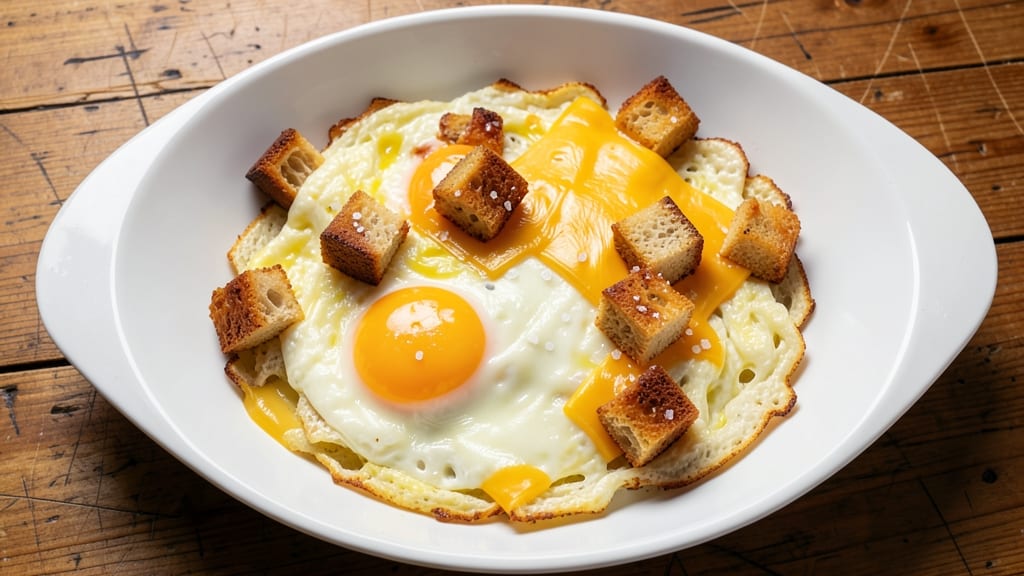
This bread omelette recipe transforms humble breakfast ingredients into a crispy, golden masterpiece that combines the best of French toast and fluffy eggs. The secret lies in layering buttery bread cubes with scrambled eggs, creating a dish where each bite delivers both crispy texture and creamy eggy richness.
After perfecting this technique through countless test batches, I can confidently say it delivers restaurant-quality results with minimal effort.
What makes this recipe work is the precise balance of ingredients and timing. You'll need just six simple components—eggs, bread, butter, milk, salt, and your choice of fillings—to create a dish that's both impressive and foolproof.
The bread cubes should be toasted to golden perfection while the eggs scramble to just the right consistency, neither dry nor runny. This method ensures every bite has that satisfying contrast between crispy edges and tender egg centers.
The result is a dish that looks as good as it tastes—a golden, crispy omelette with pockets of fluffy egg and buttery bread throughout. The aroma alone will have everyone gathering around your table, and the first bite delivers that perfect combination of textures and flavors.
Whether you're serving it for brunch or a weekend breakfast, this bread omelette will become a new favorite in your rotation.
For added versatility, you can customize this recipe with your favorite fillings like cheese, ham, or fresh herbs. The technique works equally well with different types of bread, from brioche to sourdough.
Once you master this method, you'll never look at stale bread the same way again—it becomes the star of your breakfast table.
Ingredients for bread omelette
Six simple ingredients create a crispy, golden breakfast masterpiece with French toast meets fluffy eggs.
| Ingredient | Amount | Notes |
|---|---|---|
| Large Eggs 🥚 | 6 whole | Room temperature for even cooking |
| Brioche Bread 🍞 | 8 oz | Stale or lightly toasted cubes |
| Unsalted Butter 🧈 | 4 tbsp | Cold, cubed for crispy coating |
| Whole Milk 🥛 | ¼ cup | Full-fat for creaminess |
| Kosher Salt 🧂 | ½ tsp | Adjust to taste |
| Sharp Cheddar Cheese 🧀 | ½ cup | Shredded, optional filling |
| Fresh Chives 🌿 | 2 tbsp | Chopped, optional garnish |
| Vegetable Oil 🫒 | 1 tbsp | For nonstick pan coating |
The bread is everything here. Brioche gives that buttery richness, but sourdough or even stale baguette work too—just cube it evenly. I usually grab the day-old loaf from the bakery section at Whole Foods or Trader Joe's when it's discounted. For the butter, European-style unsalted makes all the difference—Plugrá or Land O'Lakes work great. If you're using stale bread, toast it lightly first so it doesn't soak up too much egg. The cubes should be about 1/2-inch thick for perfect crispiness.
No brioche? French bread or even croutons will do—just watch the size. Running short on butter? Olive oil or bacon fat gives a different flavor but still works. The milk can be swapped for half-and-half or even heavy cream if you want extra richness. Cheese optional, but sharp cheddar or Gruyère melts beautifully. Fresh chives? Dried chives at one-third the amount work in a pinch. Pro tip: Warm your eggs slightly before mixing—they'll scramble more evenly.
This keeps for 2 days in the fridge, but honestly it's best fresh. The bread cubes lose crispiness fast, so reheat in a toaster oven at 350°F for 3-5 minutes. For make-ahead prep, cube and toast the bread, then store in an airtight container. The egg mixture can be prepped the night before—just cover and refrigerate. Leftovers? Wrap tightly in foil to keep that crispy texture longer.
Why You'll Love This Recipe
- Pantry-Friendly Magic: I swear by this when my fridge is bare—just eggs, stale brioche, and butter. No fancy ingredients, no last-minute grocery runs. That soft brioche soaks up the custard like a dream, turning scraps into something actually worth eating.
- Buttery Richness: The milk and butter in that egg mixture? It’s what makes this taste like a cross between a croissant and a fluffy omelet. Honestly, the first bite always makes me question why I’ve never done this before—it’s that good.
- Breakfast or Brunch: Make it for lazy mornings or impress guests at a weekend brunch. The same base works for a quick solo meal or a shared plate with toasted brioche on the side. (Yes, even on a Tuesday night.)
- Leftovers? No Problem: This reheats like a champ—just a quick zap in the microwave or crisped up in a pan. I’ve sent these to work in a thermos and they still taste fresh. Plus, brioche’s cheap when you buy it on sale, so it’s a sneaky budget win.
Step-by-step instructions for bread omelette
Here's how to transform simple ingredients into a luxurious, crispy-edged omelette with golden bread cubes.
Prepare the Brioche Croutons
Cut the 8 oz brioche bread into ½-inch cubes—smaller pieces will crisp faster. Toss them in a bowl with 0.5 tsp kosher salt and set aside. This salting enhances flavor as they crisp, but don't overdo it or they'll become too salty.
Heat 1 tablespoon vegetable oil in a 10-inch nonstick skillet over medium-high heat. Add the bread cubes in a single layer, spreading them out so they don't steam. Cook undisturbed for 2-3 minutes until the edges turn deep golden brown. Flip carefully with a spatula and cook another 1-2 minutes until evenly crispy. Transfer to a paper towel-lined plate to drain excess oil.
Here's the thing—don't rush this step. The bread needs time to develop that perfect crunch. If they brown too quickly, reduce the heat slightly. You want crispy exterior, soft interior cubes that'll melt into the eggs later.
Whisk the Egg Mixture
In a medium bowl, crack the 6 whole large eggs and whisk vigorously until the yolks and whites are fully combined. Add the 0.25 cup whole milk and whisk again until smooth. Season with 0.25 tsp kosher salt (save the remaining 0.25 tsp for later).
This milk addition creates a silkier texture than eggs alone. I like to whisk for about 30 seconds after adding the milk to ensure everything's well incorporated. The mixture should look uniform with no streaks of white. If you're using the 0.5 cup sharp cheddar cheese, grate it finely and fold it in now.
Real talk: Room-temperature eggs incorporate better, so if yours are straight from the fridge, let them sit for 10 minutes before whisking. Cold eggs create pockets of air that can prevent the omelette from setting properly.
Cook the Omelette Foundation
Wipe out the skillet with a paper towel to remove any bread crumbs, then return it to medium heat. Add 2 tablespoons unsalted butter and let it melt completely, swirling to coat the pan evenly. The butter should foam but not brown—this prevents a bitter flavor.
Pour in the egg mixture, tilting the pan to spread it evenly. Let it sit undisturbed for 1-2 minutes until the edges start to set and the bottom looks slightly dry (not fully cooked). This initial cook creates the perfect base for crispy edges.
Here's where it gets fun—gently push the cooked edges toward the center with a spatula, letting the uncooked egg flow to the edges. This creates that classic rolled omelette shape while keeping everything crispy. The key is to work quickly but carefully—you don't want to break the eggs.
Add Fillings and Finish
Sprinkle half of the crispy bread cubes evenly over the partially cooked eggs, leaving a ½-inch border around the edges. Sprinkle the remaining 0.25 tsp kosher salt over the top. The salt will enhance the flavor of both the eggs and the bread as they cook.
Let the omelette cook for another 2-3 minutes until the edges are fully set and the bread cubes are lightly toasted again from the residual heat. If the top looks dry before the edges set, cover the skillet with a lid for 30 seconds to steam gently.
Fold the omelette in half by bringing one side over the other, then carefully slide it onto a warmed plate. Garnish with the 2 tablespoons chopped fresh chives and serve immediately while the bread cubes are still crispy. The remaining bread cubes can be sprinkled on top for extra crunch.
Pro Tips For Making Bread Omelette
- Prep Bread Like Toast: Tear the brioche into rough, uneven chunks—not thin slices—so they crisp properly without turning into soggy paste. I learned this the hard way after making a pile of sad, greasy bread that just melted into the eggs.
- Whisk Eggs Until Thick: Beat the eggs with milk until they’re noticeably thicker than usual—almost like a light pudding. This ensures the omelette holds shape instead of sliding off the pan like a sad pancake.
- Salt the Butter First: Melt the butter in the pan, then sprinkle in half the kosher salt before adding the eggs. The fat absorbs the salt better, and you won’t end up with a bland, buttery mess.
- Fold Fast, Press Slow: Toss the bread into the eggs, fold the omelette quickly to trap heat, then press it gently with a spatula for 10 seconds to seal the edges—this keeps the filling from oozing out like a broken dam.
Pro cooking tips for perfect results
Pan Temperature Control
Your skillet's heat is the foundation of crispy perfection. Start with medium-high heat for the bread cubes, but immediately reduce to medium once the eggs hit the pan. I use a 10-inch nonstick skillet—anything smaller risks uneven cooking.
The butter should foam but never brown, or you'll get a bitter taste. A thermometer probe helps me maintain 325-350°F for the egg stage. 🌡️
Egg Whisking Technique
Vigorous whisking for 30 seconds after adding milk creates the silkiest texture. I use a balloon whisk to incorporate air without creating bubbles. The mixture should be completely smooth with no visible streaks.
For extra fluffiness, whisk for 10 seconds longer if you're using room-temperature eggs. This step makes the difference between a dense omelette and a cloud-like one.
Timing the Crispy Factor
Bread cubes need 2-3 minutes undisturbed on each side for maximum crispiness. If they brown too quickly, reduce heat to medium-low. The secret is in the residual heat—they'll finish cooking as you fold the omelette.
I always keep half the cubes reserved for topping at the end to maintain that crunchy contrast.
Folding Without Breaking
Use a long-handled spatula to gently fold the omelette in half. The key is to work quickly but carefully—don't press down or you'll squeeze out the egg. I like to fold it into thirds for extra layers.
The edges should be fully set but still tender, not rubbery. Practice makes perfect here, and the first attempt might be lumpy!
Butter Management
Don't skimp on the butter—I use 2 tablespoons unsalted for the base and an extra 1 tablespoon for finishing. European-style butter like Plugrá has higher fat content, which gives better flavor and browning.
Melt it completely before adding eggs—any unmelted butter will create cold spots. For extra richness, add ½ teaspoon vanilla extract to the egg mixture before cooking.
Cheese Integration
If using cheese, grate it finely and fold it into the egg mixture before cooking. Sharp cheddar melts beautifully, but Gruyère or fontina add even more depth.
Sprinkle an extra ¼ cup shredded cheese on top before folding for that gooey pull. Avoid pre-shredded cheese—it contains anti-caking agents that prevent proper melting. 🧀
Nutrition facts
Frequently asked questions
Can I use any type of bread for this recipe?
Brioche works best because of its buttery richness, but sourdough, French bread, or even stale baguette will give great results. For extra crunch, try toasted croutons instead of fresh bread cubes. Just cube the bread evenly—about ½-inch pieces—for consistent cooking.
Why does my bread omelette turn out soggy?
Soggy bread usually means the cubes weren't crispy enough before adding eggs or the omelette cooked too long. First, ensure bread cubes are deep golden brown and crispy before mixing with eggs. Second, cook the omelette just until the edges set—overcooking releases moisture. Keep half the cubes reserved for topping to maintain crunch.
Can I make this ahead of time?
Prep the bread cubes and egg mixture separately, then store in airtight containers. Reheat the bread cubes in a toaster oven at 350°F for 3-5 minutes before assembling. The omelette itself is best served immediately, but you can pre-cook the egg base and add fresh bread cubes when reheating. Wrap leftovers tightly in foil to preserve crispiness.
What's the secret to fluffy eggs in this recipe?
Whisking the eggs vigorously for 30 seconds after adding milk incorporates air for lightness. Use room-temperature eggs and avoid overmixing after adding fillings. The milk also creates a silkier texture than eggs alone. For extra fluffiness, whisk for 10 seconds longer if using cold eggs straight from the fridge.
How do I fold the omelette without breaking it?
Use a long-handled spatula to gently fold the omelette in half, working quickly but carefully. Don't press down—just lift and fold. For extra layers, fold it into thirds. The edges should be fully set but still tender. If it breaks, just smooth it out and continue cooking. Practice makes perfect, and the first attempt might be lumpy!