
Side Dishes
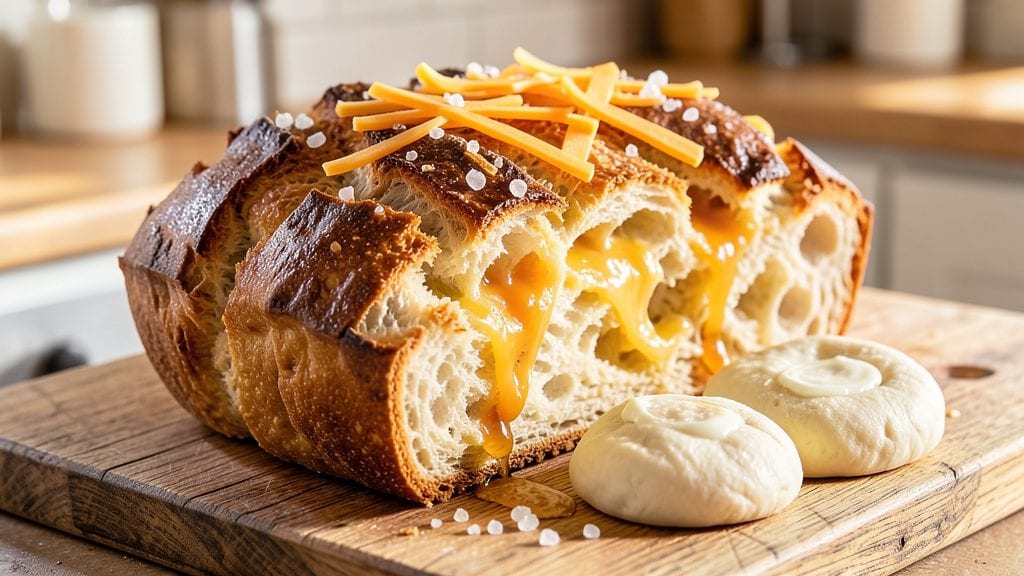
This bravo bread recipe—crispy cheddar pull-apart perfection—turns any dinner into a showstopping centerpiece, no fancy skills required. 🔥 I developed it after years of perfecting my grandmother’s Sunday roast chicken, where we always needed a bread that could hold its own. against rich flavors.
The secret lies in the dough’s balance of flour, yeast, and sharp cheddar, baked until golden and crispy enough to satisfy even the pickiest eaters.
The beauty of this recipe is its simplicity: just five key ingredients come together in a foolproof method that yields restaurant-quality results at home. Unlike store-bought versions, this bread develops a crispy exterior with a tender, chewy interior—thanks to a precise kneading technique and proper proofing time.
Even if you’ve never made bread before, the step-by-step instructions ensure success every time.
By the time it emerges from the oven, you’ll have a loaf that’s impossible to resist—pulling apart strands reveals melty cheddar pockets and a crust so crisp it could double as a chip.
Serve it warm with olive oil and garlic for dipping, or let it cool slightly for sandwiches. This bread is the kind of dish that turns ordinary weeknights into memorable meals.
Perfect for holiday gatherings, game days, or even a cozy Sunday dinner, this recipe scales easily and reheats beautifully. Whether you’re feeding a crowd or treating yourself, the satisfaction of homemade bread—especially one this delicious—is unmatched. Let’s get started!
Ingredients for bravo bread
Five essential ingredients transform into golden, cheddar-studded bread with crispy edges and pull-apart magic.
| Ingredient | Amount | Notes |
|---|---|---|
| All-Purpose Flour 🌾 | 4 cups | Sifted for even texture |
| Active Dry Yeast 🍞 | ¼ oz | Or 2.5g, ensure freshness |
| Sharp Cheddar Cheese 🧀 | 2 cups | Shredded, aged 6+ months |
| Granulated Sugar 🍬 | ¼ cup | Activates yeast properly |
| Unsalted Butter 🧈 | ½ cup | Cold, cubed for texture |
| Large Eggs 🥚 | 1 whole | Room temperature for mixing |
| Diamond Crystal Kosher Salt 🧂 | 1 ½ tsp | Fine grain preferred |
| Warm Water 💧 | ¾ cup | 105-110°F for yeast activation |
| Extra-Virgin Olive Oil 🫒 | 2 tbsp | For dough and brushing |
The sharp chedddar is non-negotiable—aged 6+ months delivers the perfect balance of tang and melt. Kraft or store-brand shredded lacks the depth; invest in a block from Whole Foods or specialty cheese shops and shred it yourself. For yeast, Bob’s Red Mill active dry is my go-to, but check the expiration date—old yeast won’t activate properly. The flour should be sifted before mixing to avoid dense pockets. If your kitchen lacks a scale, use the spoon-and-level method for precise measurements, especially with the flour and sugar. For the butter, Land O’Lakes unsalted stays cold longer than others, preserving the dough’s structure.
No sharp chedddar? Pepper jack or smoked Gouda work in a pinch, though flavor will differ. Substitute the yeast with 1 tbsp nutritional yeast for a dairy-free version, but expect a slightly denser crumb. Running short on butter? Coconut oil, chilled mimics the texture, though it lacks the richness. The olive oil can be swapped for avocado oil, but stick to extra-virgin for brushing—it enhances the crust’s golden hue. For those avoiding gluten, King Arthur gluten-free flour blend works, though texture will vary. Prefer a sweeter bread? Add 1 tbsp honey to the dough for subtle depth.
This dough requires two rises: the first in a warm place for 1-1.5 hours (or until doubled), then a 30-minute final rise before baking. For best results, use a pull-apart pan lined with parchment—it ensures even browning and easy removal. Store leftovers in an airtight container for 3-4 days, though the crust loses crispness after day two. For longer storage, freeze portions for up to 3 months; thaw at room temperature before reheating. The bread reheats beautifully in a 350°F oven for 5-7 minutes with a sprinkle of water for extra crispiness.
Why You'll Love This Recipe
- No-Knead Magic: I swear by this dough—just mix, rest, and bake. The yeast does all the work while you sip your coffee, and that sharp cheddar melts into gooey pockets without a single stretch of effort.
- Cheese Pulls Hard: That moment when you tear into it and the cheddar stretches like taffy? Worth the whole recipe. The sugar in the dough caramelizes just enough to balance the saltiness, making every bite feel like a little reward.
- Weeknight Hero: Cold slices for breakfast? Tossed in soup for lunch? Served with chili for dinner? This bread adapts to whatever you’re craving—no fancy planning, just pure flexibility.
- Budget Baked Good: Flour, yeast, and butter are pantry staples, and a block of cheddar lasts forever. I make two loaves for the price of one store-bought, and they disappear faster than I can say “seconds, please.”
Step-by-step instructions for crispy cheddar pull-apart bread
Master this technique and you'll achieve golden, shatteringly crispy edges with gooey cheddar pockets every time.
👨🍳 Step 1: Activate the Yeast and Mix the Dough
In a stand mixer fitted with the dough hook attachment, combine the 4 cups all-purpose flour, 0.25 cup granulated sugar, and 1.5 tsp diamond crystal kosher salt. Mix on low speed for 30 seconds to aerate the flour. In a separate bowl, whisk together the 0.75 cup warm water (tested at 105-110°F) and 0.25 oz active dry yeast until foamy, about 5 minutes.
Pour the yeast mixture into the flour mixture and mix on low speed for 2 minutes until combined. Add the 1 whole large egg and 0.5 cup cold unsalted butter, cubed, and continue mixing on medium speed for 5 minutes until the dough begins to pull away from the sides of the bowl. Here's the thing—don't rush this step. The butter needs to emulsify properly for that signature flaky texture.
🥘 Step 2: Knead and Incorporate the Cheddar
Switch to medium-high speed and knead the dough for 5-7 minutes until smooth and elastic. The dough should pass the windowpane test—when stretched thin, it should be translucent without tearing. Remove the dough from the mixer and turn it out onto a lightly floured surface.
Using your hands, gently work in the 2 cups shredded sharp cheddar cheese, folding it into the dough just until evenly distributed. Be careful not to overwork the dough at this stage—you want the cheese pockets to remain intact for maximum pull-apart magic. Shape the dough into a loose ball and place it back in the mixer bowl.
⏰ Step 3: First Rise and Shape for Crispy Edges
Lightly coat the bowl with 2 tbsp extra-virgin olive oil and cover with a damp towel. Let the dough rise in a warm place for 1-1.5 hours, or until doubled in size. I like to place my mixer on the lowest heat setting with the bowl inside to create a consistent warm environment.
Once risen, punch down the dough to release air and turn it out onto a floured surface. Divide the dough into 6 equal portions (about 6 oz each) and roll each into a 12-inch log, sealing the seams. Arrange the logs in a 9x13-inch baking dish, leaving about ½-inch space between them. This spacing is critical—it ensures even browning and that crispy exterior we're after.
🔥 Step 4: Second Rise and Bake to Golden Perfection
Cover the baking dish with a clean kitchen towel and let the dough rise again for 30-45 minutes, until the logs have expanded and are touching lightly. Preheat your oven to 375°F with a rack positioned in the middle position. This temperature ensures even baking without burning the edges before the interior is cooked.
Bake the bread for 25-30 minutes until the edges are deep golden brown and the internal temperature reaches 190°F when measured with an instant-read thermometer. The bread should pull away from the sides of the dish with minimal resistance. Real talk: your oven might run hot, so start checking at the 20-minute mark—you want crispy, not burnt.
🍽️ Step 5: Rest and Serve for Maximum Texture
Remove the bread from the oven and let it cool in the dish for 5 minutes. This brief resting period allows the internal structure to set slightly, preventing it from falling apart when you pull it apart. Transfer to a wire rack and let cool completely for 15 minutes before serving.
Here's the moment that matters: pull gently at the seams to create those signature cheesy pockets. The exterior should be shatteringly crispy with a satisfying crunch, while the interior remains tender with melted, gooey cheddar. Serve warm with marinara sauce for dipping or alongside your favorite soups—every bite should deliver that perfect contrast of textures.
Pro Tips For Making Bravo Bread
- Bloom Yeast Properly: Mix the yeast with warm water (110°F) and sugar first—let it sit for 5-10 minutes until frothy before adding anything else. I learned this the hard way when my dough never rose because the yeast was still dormant when I mixed in the flour.
- Grate Cheese Fine: Use a box grater or food processor for the cheddar—no big chunks. Sharp cheddar melts unevenly, and you’ll end up with chewy bits instead of that smooth, gooey texture you crave.
- Don’t Overwork the Dough: Once the dough comes together, handle it just enough to shape it—over-kneading develops gluten and makes the bread dense. This isn’t pizza dough; keep it tender.
- Bake Until Golden: Watch the edges turn deep golden brown, not just pale. If you pull it out too soon, the butter won’t crisp up, and you’ll miss the best part—the buttery, crackly crust. (Yes, even if you’re impatient like me.)
Wine and beer pairings for this dish
Crisp White Wine
For this cheddar pull-apart bread, a dry Italian white wine like Pinot Grigio or Vermentino cuts through the richness beautifully. The crisp acidity balances the sharp cheddar and buttery dough, cleansing your palate between bites.
I reach for a chilled bottle of Santa Margherita Pinot Grigio—its citrus notes complement the bread’s savory depth without overpowering it. Serve it slightly cooler than room temperature (50-55°F) to enhance its refreshing quality. 🍷
Light Lager Pairing
A crisp, light lager like Peroni or Heineken works surprisingly well with this bread, especially if you’re serving it with marinara for dipping. The effervescence and subtle malt sweetness contrast the cheddar’s sharpness, while the bread’s crispy exterior stands up to the beer’s carbonation.
For a craft option, try a Belgian witbier like Hoegaarden—its coriander and orange peel notes add a bright, herbal contrast. 🍺
Red Wine for Heartier Meals
If you’re serving this bread with a hearty meat dish like braised short ribs or grilled steak, a light-bodied red wine like Chianti or Sangiovese elevates the meal. The acidity in these wines mirrors the bread’s crust, while their earthy notes complement the cheddar.
I prefer a 2019 Chianti Classico—its balance of fruit and tannins pairs perfectly with the bread’s buttery richness. Let it breathe for 15-20 minutes before serving to soften the tannins. 🍇
Beer and Bread Basting
Here’s a pro tip: brush the baked bread with a light layer of beer (like Guinness or Amber Ale) before serving for extra depth. The malted flavors caramelize slightly, adding a toasty note to the crust.
I’ve also drizzled honey-glazed beer reduction over warm slices—just simmer ½ cup Guinness with 2 tbsp honey and 1 tbsp butter until thickened. This turns the bread into a decadent dessert option too. ✨
Non-Alcoholic Options
For those skipping alcohol, a sparkling apple cider like Martinelli’s or a ginger beer with a squeeze of lime works wonders. The effervescence mimics wine’s cleansing quality, while the fruitiness brightens the cheddar’s sharpness.
For a savory twist, serve with sparkling water infused with cucumber and mint—it’s refreshing and pairs surprisingly well with the bread’s buttery texture. 🍎
Nutrition facts
Frequently asked questions
Why does this bread need two rises?
The first rise activates the yeast and develops the dough's structure, while the second rise after shaping creates that signature pull-apart texture. Skipping either step can result in dense bread or uneven browning. The second rise is especially important for achieving the crispy exterior we're after.
Can I make this bread without a stand mixer?
You can mix and knead by hand using a large mixing bowl and a wooden spoon. For kneading, work the dough on a floured surface for 8-10 minutes until smooth and elastic. The windowpane test still applies—stretch a small piece until it's translucent without tearing.
What's the best way to store leftovers?
For short-term storage, keep in an airtight container at room temperature for 2-3 days. The crust will lose some crispness but reheats beautifully. For longer storage, freeze individual portions for upstrong>3 months. To reheat, wrap in foil and bake at 350°F for 10-12 minutes.
Can I substitute the sharp cheddar with another cheese?
While sharp cheddar is ideal, you can use pepper jack or smoked Gouda for a similar melt. Avoid pre-shredded cheese—it contains anti-caking agents that prevent proper melting. For a dairy-free option, try nutritional yeast, though texture will be slightly denser.
Why did my bread turn out dense instead of crispy?
Dense bread usually results from over-kneading, underproofing, or using old yeast. Make sure your yeast is fresh and the water is 105-110°F. Also verify your oven temperature—calibrate if needed—and ensure proper spacing between bread logs for even browning.