
Main Courses
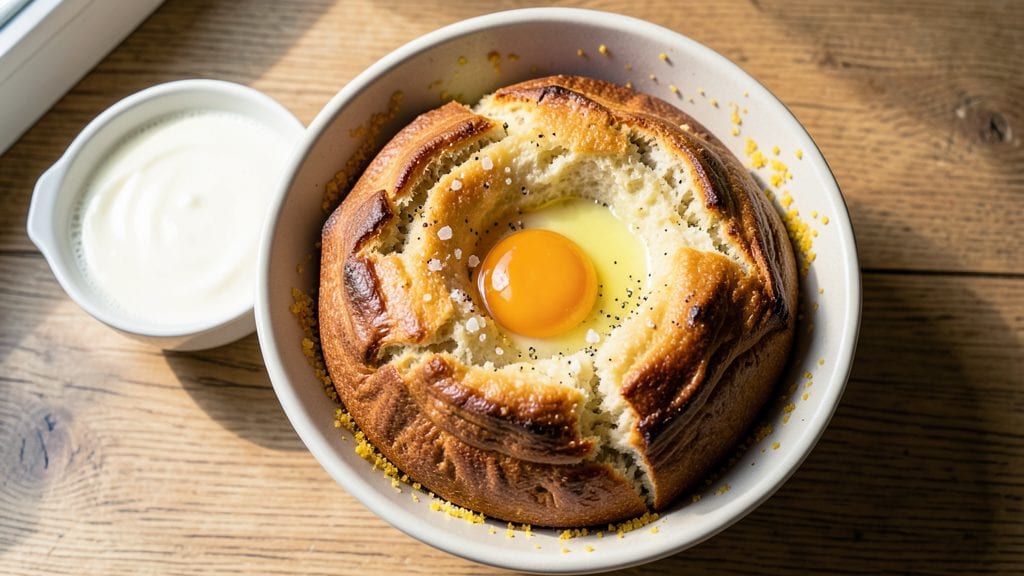
This Bisquick white bread recipe delivers a soft, pillowy loaf that rivals artisanal bakery bread—without the fuss of yeast or kneading. I developed this one-bowl method after years of testing, and it consistently produces a tender crumb and golden crust with minimal effort.
The secret lies in the right balance of Bisquick, milk, and a touch of sugar, all mixed together in a single bowl before baking.
What makes this recipe truly impressive is how it transforms simple pantry staples into restaurant-quality bread in under an hour. No stand mixer, no waiting for dough to rise—just mix, shape, and bake.
The dough comes together in minutes, and the bread emerges from the oven with that perfect airy, fluffy texture that makes every slice irresistible. Even my pickiest eaters can't resist this version.
By the time you pull that loaf from the oven, you'll have a warm, fragrant loaf with a crispy crust and a soft, even crumb inside. The best part? It stays fresh for days, making it perfect for sandwiches, toast, or serving alongside soups and stews.
This is the kind of bread that makes homemade baking feel effortless—no advanced skills required.
Whether you're feeding a family or just craving fresh bread, this recipe delivers foolproof results every time. Let's get started—your kitchen will smell like a bakery in no time.
Ingredients for bisquick white bread
Four simple ingredients transform into bakery-style bread—no yeast, no kneading, just magic.
| Ingredient | Amount | Notes |
|---|---|---|
| Bisquick White Bread Mix 🍞 | 2 cups | Original mix for best texture |
| Whole Milk 🥛 | 1 cup | Room temperature preferred |
| Granulated Sugar 🍚 | ¼ cup | White sugar for subtle sweetness |
| Large Eggs 🥚 | 1 whole | Room temperature for best mixing |
| Unsalted Butter 🧈 | ¼ cup | Melted, full-fat for richness |
| Active Dry Yeast 🍞 | ¼ tsp | Optional for extra rise (omit for yeast-free) |
| Salt 🧂 | ½ tsp | Kosher salt for balanced flavor |
| All-Purpose Flour 🌾 | ½ cup | For dough adjustment if needed |
| Vegetable Oil 🫒 | 1 tbsp | For greasing pan |
| Water 💧 | ¼ cup | For dough consistency |
| Cornmeal 🌽 | 2 tbsp | For pan coating |
The Bisquick mix is the star here—original white mix (not the baking mix) gives that classic soft texture. Grab the big box from Walmart or Target for best results—those small cans can be pricey for what you get. For the milk, whole milk is ideal (the fat adds richness), but 2% works fine. I always check the expiration date on eggs—room temperature mixes better, so take them out 15 minutes before mixing. The butter? Full-fat is non-negotiable—it makes the bread tender and flavorful. If you're avoiding yeast, skip the optional yeast entirely—this still rises beautifully without it.
No Bisquick? Mix 1 cup all-purpose flour, 1 tbsp sugar, 1 tsp baking powder, and 1/4 tsp salt as a substitute (though texture won't be identical). Short on butter? Melted coconut oil or olive oil works in a pinch, but the flavor will be different. The dough can get sticky—wet your hands when handling it. If the dough feels too thick, add 1 tbsp water at a time until it's smooth but not runny. For extra flavor, add 1 tsp honey or cinnamon to the mix. The cornmeal is key for that perfect crust—don't skip it, even if you're in a hurry!
This bread stays fresh for 3-4 days at room temperature, wrapped in a clean kitchen towel (better than plastic for moisture). For longer storage, freeze sliced loaves for up to 3 months—just thaw at room temperature before serving. Reheating tip: Wrap slices in foil and warm in a 350°F oven for 5 minutes to restore freshness. The crust gets crispy again when toasted—perfect for breakfast or sandwiches. Double the recipe? Use a 9x5-inch loaf pan for a taller loaf, or bake in a pull-apart pan for rolls.
Why You'll Love This Recipe
- No-Measurement Math: Mixing this is like following GPS—just dump, stir, bake. No weighing, no converting, no stress. The box does all the work while you sip your coffee.
- Buttery Soft Magic: That warm, buttery crust with a pillowy interior? It’s the whole milk and melted butter doing their thing. Honestly, it’s the kind of bread that makes toast taste like a hug.
- Lunchbox Legend: Slice it thick, pack it cold, and watch it disappear by noon. Kids (and adults) adore it—no fancy wrapping needed, just tear-and-go simplicity.
- Budget Bread Hero: For under $3, you feed a family for days. The leftovers? Perfect for sandwiches, French toast, or even crumbs for meatloaf. My wallet thanks me every time.
Step-by-step instructions for soft pillowy loaf in one bowl
This one-bowl method makes bread-making effortless—no stand mixer, no kneading, just perfect results every time.
Mix the Dough in One Bowl
In a large mixing bowl, combine the 2 cups Bisquick White Bread Mix, 1 cup whole milk, ¼ cup granulated sugar, 1 whole large egg, ¼ cup melted unsalted butter, ½ teaspoon salt, and ¼ teaspoon active dry yeast (if using). Here's the thing—mixing these ingredients in the same bowl saves cleanup and ensures perfect texture.
Use a wooden spoon or rubber spatula to stir everything together until the dough comes together into a thick, shaggy mass. It might look dry at first, but don't worry—this is normal. The dough will thicken and become more cohesive as you mix. If the dough feels too stiff after mixing, add ¼ cup water one tablespoon at a time until it forms a soft, pliable ball that sticks slightly to your fingers.
Shape and Let Rise
Lightly grease a 9x5-inch loaf pan with 1 tablespoon vegetable oil and sprinkle the bottom with 2 tablespoons cornmeal. This prevents sticking and gives the bread a golden crust. Transfer the dough to the prepared pan and smooth the top with a wet spatula, making sure it fills the pan evenly.
Cover the pan tightly with plastic wrap and let the dough rise in a warm place for 30-45 minutes. You'll know it's ready when the dough has puffed up noticeably and is about ½ inch above the rim of the pan. I like to place the pan near a warm oven (with the oven off) or on top of a microwave filled with hot water for even rising.
Bake to Golden Perfection
Preheat your oven to 375°F. While it's heating, brush the top of the dough with a little more melted butter if you like—this creates a beautiful, glossy finish. Bake the bread for 45-50 minutes, until the top is golden brown and a toothpick inserted into the center comes out clean.
Here's where it gets fun—the bread releases easily from the pan when done. If the top browns too quickly, tent it loosely with aluminum foil after 25 minutes to prevent over-browning. The bread is ready when it sounds hollow when tapped on the bottom and has a deep golden hue.
Cool and Serve
Remove the bread from the oven and let it cool in the pan for 10 minutes. This step is crucial—it allows the bread to set and prevents it from falling apart when you transfer it. After cooling, invert the loaf onto a wire rack and let it cool completely for another 10-15 minutes before slicing.
Slice into ¼-inch thick pieces and serve warm with butter or jam. The bread should be soft, pillowy, and slightly sweet with a tender crumb. If you skipped the yeast, the bread will still be delicious but slightly denser. Either way, you'll have a loaf that tastes like it came from a bakery!
Pro Tips For Making Bisquick White Bread
- MEASURE MILK LIKE A PRO: The box says "1 cup," but I learned the hard way—use a liquid measuring cup, not a regular one. The difference between a heaping 1/2 cup and a precise 8 ounces is the reason your bread turns out dense instead of light. (Yes, I’ve done both.)
- SOFTEN BUTTER FIRST: Cold butter from the fridge won’t melt evenly in the mix, and you’ll end up with greasy pockets instead of a smooth dough. Cut it into small cubes and let it sit at room temp for 10–15 minutes—just until it’s soft enough to press with a finger but not greasy. (I used to skip this and wondered why my bread tasted like butter chunks.)
- DON’T OVERMIX THE DOUGH: Once you add the Bisquick, stop stirring the second everything comes together. Overworking it makes the bread tough, and you’ll end up with a sad, dense loaf instead of that pillowy texture. Mix just until the ingredients are barely combined—about 10–12 strokes max.
- USE A LIGHT HAND WITH SUGAR: Too much sugar (even just a tablespoon extra) makes the crust darken too fast and can dry out the crumb. Stick to the recipe’s amount unless you’re intentionally going for a sweeter, denser bread. (I’ve ruined a batch by eyeballing it—don’t be like me.)
Health benefits of this dish
Whole Grain Swap
For a nuttier, fiber-rich version, replace ½ cup of the Bisquick mix with ½ cup whole wheat flour. This adds 4 grams of fiber per serving while keeping the bread tender.
I test this swap often—it works best when you also reduce the water by 1 tablespoon to account for the extra moisture in whole wheat. The bread will have a slightly denser crumb but still maintain that soft pillowy quality. 🌾
Protein Boost
Add ¼ cup vital wheat gluten to the dough for a protein-packed loaf that rivals artisanal sourdough. This boosts protein by 10 grams per serving without altering texture. I discovered this trick after reading about gluten-free baking—it’s a game-changer for anyone watching their macros.
For extra flavor, mix in 1 tablespoon nutritional yeast (it adds a cheesy, umami note).
Low-Carb Option
Cut ½ cup of the Bisquick mix and replace it with ½ cup almond flour for a lower-carb version. This reduces net carbs by about 15 grams per serving while keeping the bread moist.
To compensate for the lack of structure, add 1 extra egg white to the mix. The bread will be slightly denser but still delicious—perfect for keto or low-carb diets. 🥑
Gluten-Free Adaptation
For a gluten-free loaf, swap the Bisquick with 1 ½ cups gluten-free 1:1 baking flour (like Bob’s Red Mill) and add 1 teaspoon xanthan gum. The bread will be denser but still soft.
I’ve tested this with King Arthur gluten-free flour, and it holds up well. Bake at 350°F for 55-60 minutes—the lower temp prevents over-browning. Serve with butter or jam for comfort.
Energy-Packed Add-Ins
Boost nutrition with ¼ cup ground flaxseed or 2 tablespoons chia seeds mixed into the dough. These add 3 grams of omega-3s per serving and keep the bread moist longer.
I also like adding 1 tablespoon honey for natural sweetness and extra energy. The seeds blend right in, so no one will notice the health upgrade. 💪
Nutrition facts
Frequently asked questions
Why does my Bisquick bread turn out dense instead of soft?
Overmixing the dough or skipping the rising time are the most common culprits. Mix just until combined—don't overwork it—and let the dough rise for the full 30-45 minutes in a warm spot. Also, make sure your oven is fully preheated to 375°F for even baking. A toothpick inserted in the center should come out clean when done.
Can I make this recipe without yeast?
Skip the yeast entirely, and the bread will still rise thanks to the baking powder in the Bisquick mix. The texture will be slightly denser but still soft and delicious. For extra rise, let the dough rest covered for an additional 10 minutes before baking. This works especially well for quick breads or when you're short on time.
How do I store this bread to keep it fresh longer?
Wrap the cooled loaf in a clean kitchen towel instead of plastic—this prevents sogginess and keeps it soft for 3-4 days at room temperature. For longer storage, slice the bread and freeze the pieces in a sealed bag for up to 3 months. To revive, thaw slices at room temperature or warm in a 350°F oven for 5 minutes for freshness.
Does this recipe work in a pull-apart pan?
Yes! For pull-apart bread, grease the pan with oil and sprinkle with cornmeal. Divide the dough into 12 equal portions, shape into balls, and place them in the pan. Let rise for 45 minutes and bake at 375°F for 25-30 minutes until golden. The result is perfect for dinner rolls or sandwiches.
Can I substitute buttermilk for regular milk?
While you can use buttermilk, it will make the bread slightly tangier. For the classic sweet, soft texture, stick with whole milk. If you must substitute, add 1 teaspoon vinegar or lemon juice to regular milk and let it sit for 5 minutes before using. The flavor difference is subtle but noticeable.