
Side Dishes
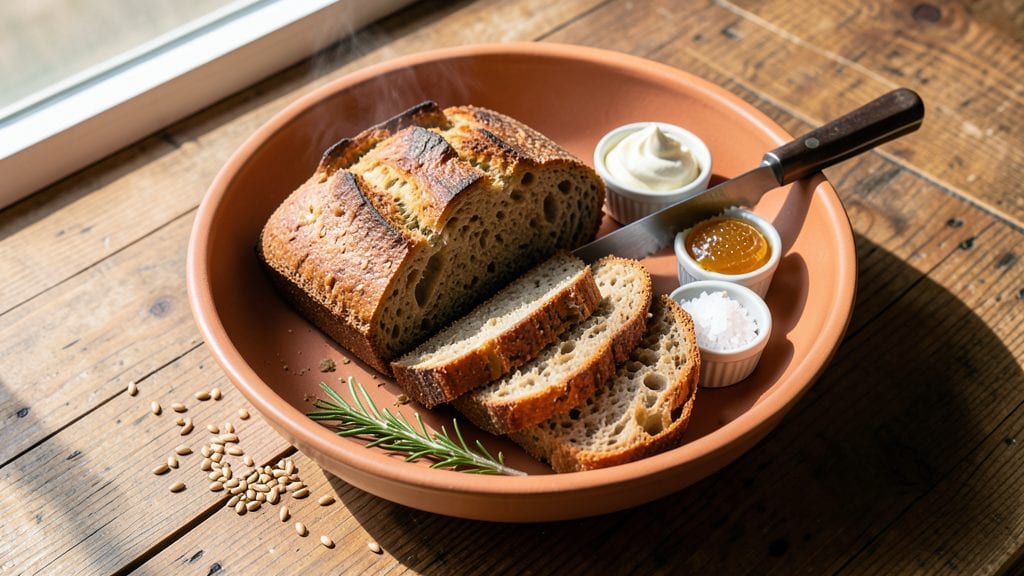
This barely bread recipe delivers the perfect balance of crispy crust and chewy center that makes every bite satisfying. The secret lies in a precise blend of barley flour, yeast, and proper hydration—technique matters just as much as ingredients.
After years of perfecting the texture, I’ve developed a method that ensures consistent results every time, whether you’re baking for a crowd or just one special meal.
The foundation of great barely bread starts with high-quality barley flour, which gives it that distinctive nutty flavor and hearty texture. Unlike regular bread, this version requires patience—allowing the dough to rise twice creates those signature air pockets and chewy interior.
The crust develops a satisfying crunch when baked at the right temperature, while the center remains tender and moist.
What you’ll end up with is a loaf that’s crispy on the outside, chewy in the middle, and packed with flavor—far superior to store-bought options. The aroma alone will draw everyone to the table, and the texture holds up perfectly for days.
This recipe is designed to be your go-to for sandwiches, toast, or simply enjoying a slice on its own.
For those who prefer variations, you can easily adapt this recipe into a whole grain version by adjusting the flour ratios or even a sweet variation by adding honey or cinnamon to the dough.
The possibilities are endless, but the core technique remains the same—precision in mixing, shaping, and baking ensures a perfect loaf every time.
Ingredients for barely bread
High-quality barley flour and precise hydration create the signature texture in this barely bread recipe.
| Ingredient | Amount | Notes |
|---|---|---|
| Barley Flour 🌾 | 3 cups | High-protein, light variety preferred |
| All-Purpose Flour 🌾 | 1 cup | For structure and lift |
| Active Dry Yeast 🍞 | 2 ¼ tsp | Fresh yeast preferred |
| Granulated Sugar 🍚 | 1 tbsp | Feeds yeast activation |
| Warm Water 💧 | 1 ½ cups | 110°F for yeast activation |
| Unsalted Butter 🧈 | ¼ cup | Cold, cubed for dough |
| Large Egg 🥚 | 1 whole | Room temperature |
| Sea Salt 🧂 | 1 ½ tsp | Fine grain preferred |
| Cornmeal 🌽 | ¼ cup | For dusting work surface |
| Extra-Virgin Olive Oil 🫒 | 1 tbsp | For dough shaping |
| Coarse Sea Salt 🧂 | 1 tbsp | For crust enhancement |
| Cornstarch 🌾 | 1 tsp | Optional for extra crisp |
The barley flour is non-negotiable—King Arthur or Bob's Red Mill brands deliver the best texture and nutty flavor. Look for light barley flour (not pearled) at natural food stores or bulk bins. If you can only find pearled, toast it in a dry pan for 5 minutes first to deepen the flavor. The yeast should be fresh active dry yeast—check the expiration date, as old yeast won't activate properly. For the butter, Plugrá or Land O'Lakes unsalted work best when cold and cubed. Room temperature egg ensures even mixing, so take it out 15 minutes before starting. The coarse sea salt? Maldon or Diamond Crystal flakes create that perfect crust texture.
No barley flour? Substitute with 2 cups whole wheat flour plus 1 cup all-purpose, but expect a denser texture. Short on yeast? Instant yeast at half the amount works in a pinch. The butter can be swapped for vegetable shortening if you're baking in hot climates (it's more stable). For the sugar, honey or maple syrup at equal measure adds subtle sweetness. The cornmeal can be replaced with semolina flour for a more rustic crust. If you're making this in advance, freeze the shaped dough for up to 3 months—thaw overnight in the fridge before baking.
This dough requires patience—first rise for 1.5 hours, then shape and second rise for 2 hours. Store baked loaves wrapped in a clean kitchen towel at room temperature for 2 days, or freeze for up to 3 months. For reheating, wrap in foil and warm at 350°F for 10 minutes. The crust stays crisp for 24 hours, but the interior remains tender for days. Portion into slices before freezing for perfect single-serving toast.
Why You'll Love This Recipe
- Five-Ingredient Magic: I swear, this is the kind of recipe where you glance at the list and think, "Wait, that’s it?" Barley flour gives it that earthy depth without complicating things—just mix, rise, bake. No fancy techniques, no stress.
- Nutty, Toasty Crunch: That barley flour isn’t just for texture—it’s what makes this bread ridiculously good. Lightly toasted slices? Crispy edges with a chewy center. Honestly, I’ve caught myself eating it straight out of the pan like a snack.
- Meal Prep MVP: Between us, this bread is my secret weapon for lazy mornings. Toast it once, freeze half—no reheating needed. Toss it in soups, sandwiches, or even crumble it over salads. It’s the one loaf that does it all.
- Budget-Friendly Staple: Barley flour’s cheap, yeast is dirt, and you’re not drowning in specialty ingredients. A single batch stretches for days—leftovers? More like future meals. I’ve fed a houseful with one loaf and still had scraps for croutons.
Step-by-step instructions for barely bread recipe
Here's the method for achieving that perfect crispy crust and chewy interior every time.
Activate the Yeast for Maximum Rise
In a large mixing bowl, combine the 1.5 cups warm water (between 110°F and 115°F) with the 1 tbsp granulated sugar and 2.25 tsp active dry yeast. Let this sit for 5-10 minutes until the mixture becomes frothy and bubbly. This indicates the yeast is active and ready to work—if it doesn't bubble, your bread won't rise properly.
I always test the water temperature first with my finger. It should feel warm but not hot—like a comfortable bath. Too hot kills the yeast, too cold makes it sluggish. The sugar helps kickstart fermentation, so don't skip this step even if you're using fresh yeast.
Mix the Dough with Barley Flour Foundation
Add the 3 cups barley flour and 1 cup all-purpose flour to the yeast mixture. Stir with a wooden spoon until a shaggy dough forms. In a separate small bowl, whisk together the 1 whole large egg, 1.5 tsp sea salt, and the 1 tbsp extra-virgin olive oil. Pour this egg mixture into the flour mixture and combine thoroughly.
The barley flour gives this bread its distinctive nutty flavor and dense chew, while the all-purpose flour provides structure. I like to use my hands at this stage to really work the dough together—it helps develop gluten for that perfect texture. The dough should be sticky but manageable; if it's too wet, add 1-2 tablespoons more barley flour.
Knead and Develop Gluten for Crispy Texture
Turn the dough onto a surface lightly dusted with 0.25 cup cornmeal (this prevents sticking). Knead vigorously for 8-10 minutes until smooth and elastic. You'll know it's ready when it springs back slightly when pressed and forms a windowpane when stretched thin. This kneading develops the gluten network that creates both the crispy crust and chewy interior.
I always work in stages here—knead for 2 minutes, rest for 30 seconds, then continue. The dough will become smoother with each cycle. If it's too sticky, add more cornmeal as needed, but don't overdo it or you'll lose the bread's signature moisture. The final dough should feel like soft modeling clay.
First Rise and Shape for Perfect Crust
Place the dough in a lightly greased bowl, cover with a damp towel, and let rise in a warm place for 1-1.5 hours or until doubled in size. The kitchen counter works well if it's warm, or you can use the oven with the light on. Poke the dough gently—if it springs back slowly, it's ready.
After rising, punch down the dough to release air bubbles, then shape it into a round loaf. For extra crispiness, I like to create a slight well in the center before the final rise. This helps create that beautiful cracked crust we're after. Place the shaped dough on a baking sheet dusted with cornmeal, cover again, and let rise for another 30-45 minutes until puffy.
Bake with Steam for Crispy-Crusted Perfection
Preheat your oven to 425°F with a baking stone or inverted baking sheet on the lower rack. This creates a steam chamber that's crucial for that crispy crust. Brush the risen dough with the 1 tbsp extra-virgin olive oil, then sprinkle generously with 1 tbsp coarse sea salt—this enhances flavor and helps create those beautiful salt crystals on the crust.
Bake for 25-30 minutes until the bread is deep golden brown and sounds hollow when tapped on the bottom. For extra crispiness, sprinkle 1 tsp cornstarch over the top during the last 5 minutes of baking. This creates that satisfying crunch while maintaining the chewy interior. Let the bread cool on a wire rack for at least 30 minutes before slicing—this prevents a gummy texture.
Pro Tips For Making Barely Bread
- Bloom the Yeast First: Skip mixing yeast straight into the flour—it’ll wake up faster if you dissolve it in warm water (110°F) with sugar first. Stir and let it sit for 5–10 minutes until frothy. I learned this the hard way when my dough took three hours to rise because the yeast was sluggish.
- Sift the Barley Flour: Barley flour is dense and clumpy—sift it with the all-purpose flour before mixing to avoid a heavy, gummy dough. I used to just dump it in, and the texture ended up closer to a brick than bread. A quick sift makes all the difference.
- Don’t Over-Knead: Barley flour develops gluten slower than wheat, so knead just until the dough pulls away from the bowl (about 8–10 minutes). Overworking it turns your bread into chewy, dense loaves. Feel for stretch, not strength—this dough isn’t trying to be bagels.
- Proof in a Warm Drawer: Skip the oven for proofing—use a turned-off oven with a bowl of hot water inside for consistent warmth (80–85°F). My first attempts in a cold kitchen left dough sad and flat, but this method guarantees a proper rise without babysitting.
Perfect pairings for barely bread
Buttery Spreads
Nothing complements barely bread like a rich, spreadable butter. I love European-style cultured butter such as Plugrá or Kerrygold—their tangy depth pairs beautifully with the bread's nutty barley notes.
For extra flair, mix in 1 tbsp honey and ½ tsp cinnamon to create a sweet-savory contrast that's perfect for breakfast or dessert. 🧈
Artisanal Jams
Tart berry jams cut through the bread's chewiness beautifully. I recommend seedless raspberry jam or blackberry preserves for their bright acidity. For a gourmet touch, try fig jam with walnuts—the caramelized fruit and crunchy nuts elevate every bite.
Store-bought options like Bon Appétit or Smucker's work, but homemade jam adds a special touch.
Savory Toppings
For a savory twist, pair barely bread with aged cheddar or smoked gouda—their sharpness balances the bread's earthy flavor. I also love prosciutto di Parma wrapped around slices, creating a perfect handheld appetizer. For vegetarians, marinated artichoke hearts and sun-dried tomato tapenade add Mediterranean flair to each bite.
Sweet Pairings
Creamy mascarpone cheese with a drizzle of honey makes a decadent dessert pairing. For a lighter option, try Greek yogurt mixed with vanilla extract and a sprinkle of toasted nuts.
The bread's crispy crust holds up perfectly to these toppings without becoming soggy, making it ideal for breakfast or brunch spreads.
Beverage Pairings
A robust black coffee or chai latte enhances the bread's nutty flavor profile. For something lighter, a sparkling apple cider with a cinnamon stick adds refreshing contrast. If you prefer alcohol, a dry Riesling or light lager complements the barley's earthiness without overpowering it. 🍷
Global Variations
In Scandinavian cuisine, barely bread is often paired with smoked salmon and dill cream cheese for a Nordic-inspired open-faced sandwich. For a Middle Eastern twist, try hummus and pickled vegetables—the tangy flavors create a perfect balance.
Each variation transforms the bread into something entirely new while keeping its signature texture intact.
Nutrition facts
Frequently asked questions
What makes barley bread different from regular bread?
Barley bread gets its unique texture and nutty flavor from barley flour, which creates a denser, chewier interior compared to all-purpose flour. The barley adds protein and fiber, making it heartier and more satisfying. Plus, the crust develops a satisfying crispness that regular bread often lacks.
Can I substitute barley flour with whole wheat flour?
Yes, but expect a slightly denser texture. Use 2 cups whole wheat flour + 1 cup all-purpose flour for the closest substitute. The flavor will be less nutty, but the structure will remain similar. For best results, toast the whole wheat flour lightly before mixing to enhance flavor.
Why did my barley bread turn out gummy instead of crispy?
This usually happens when the bread is sliced too soon or didn't cool properly. Always let it rest on a wire rack for at least 30 minutes before slicing. Also, ensure your oven reached 425°F and used a baking stone for even heat distribution. The cornstarch sprinkle in the final minutes helps create that crispy crust.
How long does barley bread stay fresh?
Wrap the cooled loaf in a clean kitchen towel and store at room temperature for 2-3 days. For longer storage, freeze the dough before baking (up to 3 months) or freeze the baked bread (up to 1 month). To reheat, wrap in foil and warm at 350°F for 10 minutes. The crust stays crisp for 24 hours, but the interior remains tender for days.
Can I make this bread without yeast?
This recipe relies on yeast for its signature rise and texture, but you could experiment with a soda bread version using 1 tsp baking soda + 1 tbsp vinegar instead. The result would be denser and less airy, but still delicious. For a gluten-free option, use a 1:1 gluten-free flour blend with an extra ½ tsp xanthan gum.