
Side Dishes
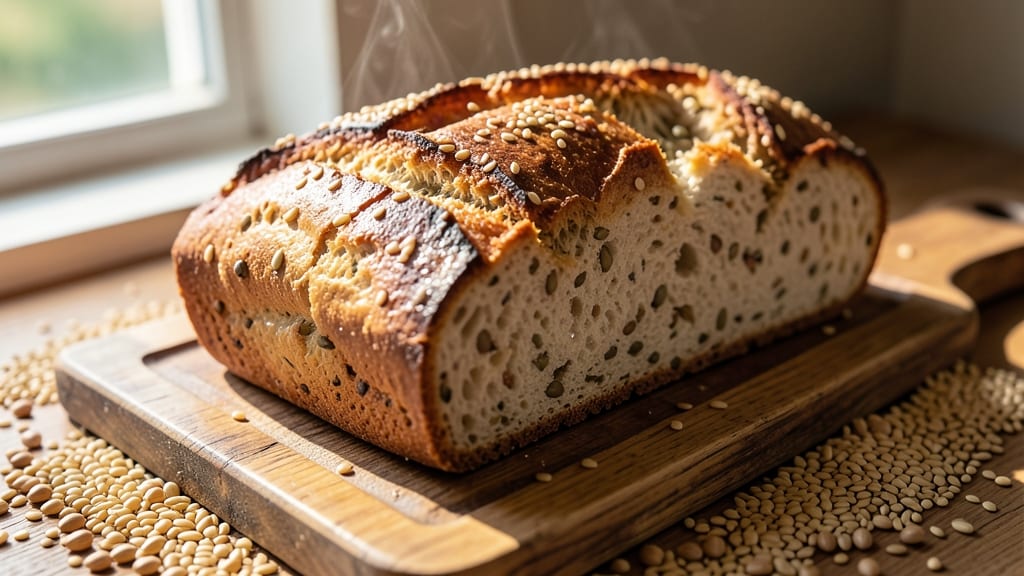
This authentic Ezekiel bread recipe brings ancient grains to life with a nutty depth and biblical history. 🌾 The secret lies in sprouting whole grains—wheat, barley, millet, and lentils—before blending them into a dense, protein-rich dough.
Unlike traditional bread, Ezekiel flour is made from living, sprouted ingredients, unlocking enzymes that improve digestion and flavor.
What makes this recipe truly special is the nutty, complex taste that develops from the sprouting process. No yeast is needed for a traditional version, though optional yeast creates a lighter loaf.
The dough requires patience—soaking grains for 12 hours and blending them into a thick batter—but the result is worth every step. Baking at 350°F for 50-60 minutes yields a dense, hearty loaf with a crisp crust and moist interior.
This bread pairs beautifully with hummus, avocado, or as a sandwich base for high-protein meals. Its vegan, gluten-free-friendly nature (with proper substitutions) makes it a versatile staple for health-conscious eaters. The texture is denser than traditional bread, but the flavor—rich, earthy, and slightly sweet—makes it unforgettable.
Perfect for those seeking nutrient-dense, ancient-grain bread with a story as rich as its taste. Let’s get started on this transformative loaf that bridges tradition and modern nutrition.
Ingredients for authentic ezekiel bread
Ancient grains meet modern nutrition in this nutrient-dense Ezekiel loaf recipe.
| Ingredient | Amount | Notes |
|---|---|---|
| Organic Whole Wheat Berries 🌾 | 1 cup | Uncooked, sprouted for 12 hours |
| Organic Barley Grains 🌾 | ½ cup | Uncooked, sprouted for 12 hours |
| Organic Millet Seeds 🌾 | ½ cup | Uncooked, sprouted for 12 hours |
| Green Lentils 🌾 | ¼ cup | Uncooked, sprouted for 12 hours |
| Filtered Water 💧 | 3 cups | Room temperature for hydration |
| Raw Sesame Seeds 🌰 | 2 tbsp | For crust enhancement |
| Ground Flaxseed 🌾 | 1 tbsp | As egg replacer binder |
| Apple Cider Vinegar 🍏 | 1 tbsp | For dough acidity balance |
| Sea Salt 🧂 | 1 ½ tsp | Diamond Crystal preferred |
| Optional Active Dry Yeast 🍞 | 1 tsp | For lighter texture (optional) |
| Extra-Virgin Olive Oil 🫒 | 1 tbsp | For dough elasticity |
| Ground Cinnamon 🌿 | ½ tsp | For subtle sweetness |
| Unsweetened Almond Milk 🥛 | ¼ cup | For dough hydration |
The foundation lies in properly sprouted grains—look for organic, whole berries at specialty markets like Whole Foods or bulk bins at Sprouts. Sprouting unlocks enzymes that transform these grains into a digestible, flavor-rich base. For the lentils, green lentils provide the best texture, while millet adds that signature nutty depth. If sourcing whole grains feels daunting, Bob's Red Mill sells pre-sprouted Ezekiel flour blends—just verify the ingredients list contains only sprouted grains. The yeast, while optional, should be freshly purchased for optimal fermentation.
No sesame seeds? Sunflower seeds or pumpkin seeds work equally well for the crust. Substituting almond milk? Oat milk or cashew milk maintains the dough's moisture without altering flavor. For those avoiding gluten, ensure your wheat berries are certified gluten-free. The flaxseed binder is non-negotiable—it's what creates that signature dense yet moist texture. If you're making a large batch, double the water content gradually to maintain proper hydration without overworking the dough. The olive oil should be extra-virgin—its fruity notes complement the nutty grain profile.
Store the dough in an airtight container in the fridge for up to 24 hours before baking—this allows flavors to meld further. Once baked, the loaf keeps beautifully for 5-7 days at room temperature, wrapped in a cotton towel to maintain crispness. For longer storage, slice and freeze portions for up to 3 months. The bread reheats beautifully in a 350°F oven for 5-10 minutes—perfect for toast or sandwiches. This recipe makes two 9-inch loaves, so consider halving the batch if you're testing your technique.
Why You'll Love This Recipe
- I’ll be real: soaking the whole wheat berries and barley overnight sounds intimidating, but it’s just water and time—no stirring, no stress. The next morning, you dump, rinse, and blend. That’s it. No kneading, no waiting for dough to rise. Honestly, my lazy Sunday mornings now include this as a ritual.
- No-Fuss Soaking: I’ll be real: soaking the whole wheat berries and barley overnight sounds intimidating, but it’s just water and time—no stirring, no stress. The next morning, you dump, rinse, and blend. That’s it. No kneading, no waiting for dough to rise. Honestly, my lazy Sunday mornings now include this as a ritual.
- Nutty Earthy Richness: The millet seeds and green lentils give this bread a depth you won’t find in store-bought loaves. It’s got that chewy, satisfying bite—less like cardboard, more like a hearty, wholesome hug. Toast it, and the barley adds a caramelized crunch that makes it irresistible.
- Meal Prep MVP: This keeps perfectly for a week, whether wrapped in a towel or stored in the fridge. I slice it fresh for breakfast, pack it for lunches, or even use it as a base for sandwiches—no soggy bread here. Between us, it’s my go-to for avoiding takeout when I’m swamped.
Step-by-step instructions for authentic Ezekiel bread
Transform your sprouted grains into a dense, nutritious loaf with authentic Ezekiel bread technique.
👨🍳 Step 1: Prepare the Sprouted Grain Base
Combine the 1 cup Organic Whole Wheat Berries, 0.5 cup Organic Barley Grains, 0.5 cup Organic Millet Seeds, and 0.25 cup Green Lentils in a large bowl. Cover with the 3 cups Filtered Water and let soak for 12 hours at room temperature. This hydration period activates enzymes and reduces phytic acid, creating a more digestible and flavorful loaf.
After soaking, drain any excess water through a fine-mesh strainer, then transfer the sprouted grains to a food processor. Pulse until you achieve a coarse, mealy texture—think chunky oatmeal consistency. Avoid over-processing, as this can develop gluten and create a gummy dough. The result should resemble wet sand with visible grain particles.
🥘 Step 2: Mix the Dough with Binders and Hydrators
In a separate bowl, whisk together the 1 tbsp Ground Flaxseed, 1 tbsp Apple Cider Vinegar, 1.5 tsp Sea Salt, 0.5 tsp Ground Cinnamon, and 1 tsp Optional Active Dry Yeast (if using). The vinegar creates acidity that activates later, while the yeast (if included) adds lift—though Ezekiel bread traditionally relies on natural fermentation. Add the 1 tbsp Extra-Virgin Olive Oil and 0.25 cup Unsweetened Almond Milk to this mixture.
Combine the wet ingredients with the processed sprouted grains, mixing with a wooden spoon until fully incorporated. The dough will be thick and sticky—this is normal. For best results, work quickly to prevent the flaxseed from absorbing too much moisture. If the dough feels too dry, add 1 tablespoon of water at a time until it reaches a thick paste consistency that clings to the spoon.
🔥 Step 3: Shape and Proof the Loaf
Line a standard loaf pan (9x5 inches) with parchment paper, leaving an overhang for easy removal. Transfer the dough to the prepared pan and spread it evenly, pressing down gently to eliminate air pockets. Sprinkle the 2 tbsp Raw Sesame Seeds evenly over the top—these will create a distinctive crust and add nutty flavor.
Cover the pan with a damp kitchen towel and let the dough proof at room temperature for 4-6 hours, or until it has risen noticeably (about ½ to 1 inch above the pan's edge). The proofing time depends on your kitchen's humidity—warmer environments will speed this process. Avoid refrigerating during proofing, as cold temperatures slow fermentation and can result in a dense loaf. If using yeast, you'll see slight bubbles forming on the surface.
🔥 Step 4: Bake for Dense, Nutritious Perfection
Preheat your oven to 350°F and place a baking stone or inverted baking sheet on the middle rack. This creates steam that prevents the loaf from drying out. Bake the covered loaf (with the towel still on) for 45 minutes, then remove the towel and bake uncovered for an additional 25-30 minutes until the top is deep golden brown and the internal temperature reaches 205°F.
To test doneness, tap the loaf gently—it should sound hollow. The crust should be crisp, and the interior should have a moist, dense crumb with visible grain specks. If the top browns too quickly, tent loosely with foil during the final baking period. Remove from the oven and let cool in the pan for 10 minutes before transferring to a wire rack. The bread will continue to firm up as it cools, developing its characteristic dense yet tender texture.
⏰ Step 5: Rest and Serve for Optimal Texture
Allow the loaf to cool completely before slicing—this prevents a gummy crumb. Ezekiel bread benefits from resting for at least 1 hour at room temperature, which lets the starches set properly. Once cooled, slice with a serrated knife for clean cuts that reveal the nutty grain layers.
Serve the bread warm or at room temperature with your favorite spreads or as a base for sandwiches. The dense texture makes it ideal for toast or as a hearty side. Store leftovers wrapped in a clean kitchen towel in the refrigerator for up to 5 days or freeze for longer storage—this bread actually improves in flavor as it stales slightly, developing deeper nutty notes.
Pro Tips For Making Authentic Ezekiel Bread
- SOAK GRAINS OVERNIGHT: I learned this the hard way—skipping the overnight soak leaves your wheat berries and barley grains stubbornly chewy. Use filtered water and cover loosely (they’ll expand), then drain and rinse thoroughly before mixing. This isn’t just about texture; it’s what makes the bread digestible and light.
- COOK LENTILS UNTIL SOFT: Don’t just simmer those green lentils until they’re “mostly done”—push them until they’re almost falling apart. Undercooked lentils turn your dough gummy, and nobody wants Ezekiel bread that fights back. A fork should pierce them easily; if not, add 10 more minutes. (Yes, even if you’re impatient like me.)
- KNEAD JUST ENOUGH: This isn’t pie dough—overworking the batter ruins the delicate structure. Mix the soaked grains, lentils, and water until combined, then stop. A few gentle folds are all you need; the gluten in whole wheat berries and barley is already limited. Over-kneading turns your loaf dense, and that’s the opposite of what you’re going for.
- BAKE LOW AND SLOW: Crank the oven to 350°F and bake for 50–60 minutes—no peeking! Ezekiel bread needs steady heat to rise properly. If you open the door early, the loaf will collapse like a sad soufflé. A toothpick should come out clean, but the center should still feel slightly springy. (Your future self will thank you.)
Essential equipment for perfect results
Essential Mixing Tools
Your food processor is the MVP for this recipe—no blender or mortar and pestle will give the same consistent texture. I use a Cuisinart DFP-14BCNY with a stainless steel blade because it handles the coarse grain structure without overheating.
For smaller batches, a high-powered Vitamix works too, but pulse frequently to avoid over-processing. 🌾
Proofing Essentials
A damp kitchen towel is non-negotiable for proofing—it maintains humidity without trapping excess moisture. I keep a stack of linen tea towels (like those from Pottery Barn) on hand specifically for this purpose.
For humidity control, place a small bowl of hot water near the proofing pan if your kitchen runs dry. A digital kitchen scale (like the OXO Good Grips) ensures accurate measurements when adjusting dough consistency.
Baking Setup
Your oven thermometer is critical—home ovens often run 25-50°F hotter than set. I recommend the Thermoworks Oven Thermometer for precision. For even baking, use a 9x5-inch loaf pan with a removable bottom (like Nordic Ware) to avoid sticking.
A baking stone or inverted sheet pan on the middle rack creates that perfect steam environment for crust development.
Cooling and Storage
Invest in a wire cooling rack with high sides (like the Amazon Basics) to prevent soggy bottoms. For long-term storage, vacuum-sealed bags (from FoodSaver) preserve freshness for up to 3 months in the freezer.
I also keep a cotton bread bag (like Breadtop) on hand to maintain crispness when storing at room temperature.
Optional Upgrades
For a lighter texture, a proofing box (like Breville) maintains 85-90°F humidity—ideal for yeasted versions. A digital thermometer with probe (like Meater Plus) tracks internal temp accurately.
For gluten-free versions, a stand mixer with dough hook helps incorporate extra binders like psyllium husk without overworking the delicate dough. 💡
Nutrition facts
Frequently asked questions about authentic Ezekiel bread
Why does Ezekiel bread taste different from regular bread?
The unique flavor comes from sprouting the whole grains before blending. This process unlocks enzymes that create a nutty, slightly sweet depth missing in regular bread. The combination of wheat, barley, millet, and lentils also adds complex earthy notes that develop during the 12-hour soak. The absence of refined flour means no artificial sweetness or bleaching agents either!
Can I make Ezekiel bread without a food processor?
Yes, but the texture will be less consistent. Use a mortar and pestle for the grains or a high-powered blender with short pulses to avoid overheating. For the lentils, soak them separately and mash them by hand. The dough will be slightly coarser, but still delicious. Just be prepared for more manual work during mixing!
How do I know when my Ezekiel bread is fully sprouted?
Look for tiny white sprouts (about 1/8-inch long) on the grains after 12 hours of soaking. The grains should also feel slightly softer and smell fresh, like almonds or fresh grass. If you don't see sprouts, soak for another 2-4 hours—this is crucial for the bread's digestibility and flavor. Discard any grains that smell sour or have mold.
Why did my Ezekiel bread turn out dense and heavy?
This usually happens from over-processing the grains (creating gluten) or under-proofing. For the first, pulse the food processor just until coarse. For the second, let the dough proof until it rises ½ to 1 inch above the pan. Also check your oven temperature—Ezekiel bread needs 350°F for even baking. A baking stone helps create steam for a lighter texture.
Can I substitute any of the grains in this recipe?
Yes, but maintain the 1:1:1:1 ratio of wheat:barley:millet:lentils for best results. Swap millet for buckwheat or quinoa (though texture differs), or replace lentils with chickpeas. Avoid rice or corn—they lack the nutty depth. For gluten-free versions, use certified GF oats and spelt instead of wheat. Always soak substitutes for the same 12-hour period.