
Desserts
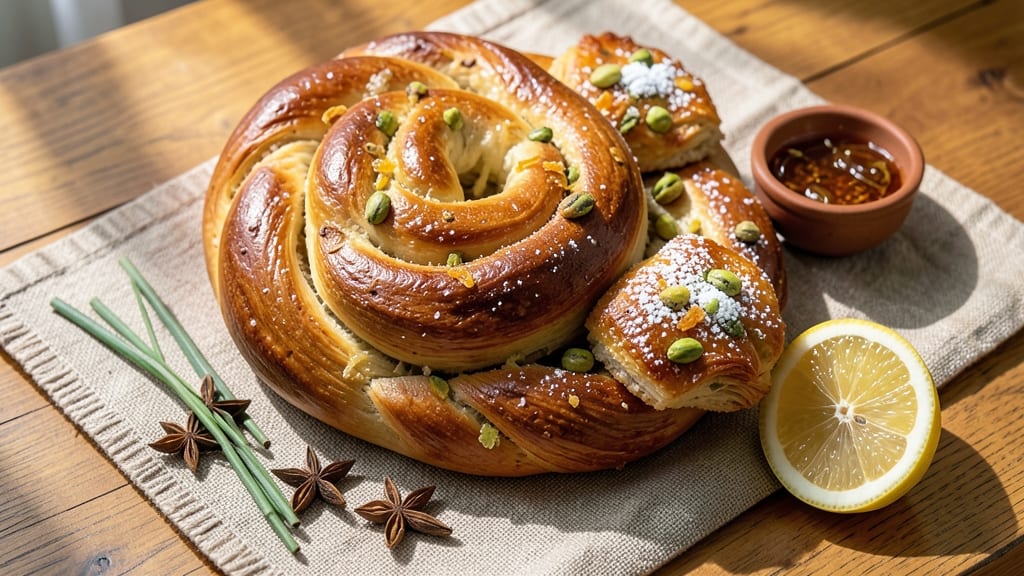
The Armenian Easter bread choreg recipe brings centuries of tradition to your kitchen with its golden, cardamom-scented sweetness. 🌟 This braided bread, enriched with butter and eggs, carries deep cultural significance as a symbol of new beginnings and family gatherings during Easter celebrations.
The foil-sealed rise creates a perfectly domed shape, ensuring that every bite delivers tender, flaky layers infused with warm spices.
What sets choreg apart is its unique preparation method—kneading the dough until silky smooth, shaping it into intricate braids, and allowing it to rise slowly for maximum flavor development.
The cardamom and citrus zest create a fragrant aroma that fills your home, while the honey glaze adds a touch of elegance before baking. This recipe balances tradition with approachability, making it possible to create an authentic Easter centerpiece without specialized equipment.
By the time it emerges from the oven, choreg will have a golden crust and a tender, slightly sticky interior that melts in your mouth.
Served warm with honey, jam, or a glass of Armenian wine, it becomes the heart of Easter celebrations—connecting generations through shared memories and the comforting taste of home. The braided design isn't just decorative; it represents unity and the weaving together of family bonds.
Whether you're celebrating Easter or simply craving a special treat, this choreg recipe delivers restaurant-quality results with a touch of cultural heritage. The process is methodical but rewarding, ensuring that every step contributes to a bread that's as beautiful as it is delicious. Let's create something meaningful together.
Ingredients for armenian easter bread choreg
Eighteen ingredients transform tradition into golden, cardamom-scented choreg perfection for Easter celebrations.
| Ingredient | Amount | Notes |
|---|---|---|
| All-Purpose Flour 🌾 | 6 cups | High-protein for chewiness, sifted |
| Granulated Sugar 🍚 | 1 cup | White or light brown preferred |
| Unsalted Butter 🧈 | 1 cup | Cold, cubed for easier mixing |
| Large Eggs 🥚 | 4 whole | Room temperature for even blending |
| Cardamom Pods 🌿 | 2 tbsp | Ground finely, aromatic intensity |
| Lemon Zest 🍋 | 1 tbsp | Freshly grated, vibrant flavor |
| Orange Zest 🍊 | 1 tbsp | Bright citrus aroma |
| Active Dry Yeast 🍞 | 2 ¼ tsp | Freshly opened, proofed in warm milk |
| Warm Whole Milk 🥛 | 1 cup | 110°F, not hot to kill yeast |
| Diamond Crystal Kosher Salt 🧂 | 1 ½ tsp | Fine grain for even distribution |
| Honey 🍯 | ¼ cup | For glaze, mild clover variety |
| Heavy Cream 🥛 | ¼ cup | For glaze richness |
| Almond Slices 🌰 | ½ cup | Toasted, for decorative topping |
| Pistachios 🌿 | ¼ cup | Chopped, for garnish |
The flour is non-negotiable—King Arthur or Caputo Tipo 00 create that signature chewiness. Cardamom matters here: spice merchants or specialty stores carry the best quality pods, which you must grind yourself for maximum aroma. The butter should be cold and cubed—this prevents the dough from becoming too soft during the long rise. For the citrus zest, organic lemons and oranges yield the brightest flavor, and always use a fine grater to avoid bitter pith. The yeast requires warm milk (110°F)—test with your finger, not a thermometer, for perfect proofing conditions.
No cardamom? One teaspoon cinnamon plus 0.25 teaspoon nutmeg mimics the warmth, though purists will notice the difference. Substitute honey glaze with equal parts powdered sugar and water, but the texture won't be as glossy. For nut toppings, pecans or walnuts work beautifully if almonds aren't available. The dough is particularly forgiving—if it's too sticky, add 1 tablespoon more flour gradually. For a lighter crumb, proof the yeast in milk for 5 minutes before adding to the dough mixture, ensuring it's foamy but not bubbling over.
The dough requires 3-4 hours of cold proofing in the fridge for optimal flavor development. Once shaped, cover with a damp towel and let rise at room temperature for 1-1.5 hours before baking. Store baked choreg in an airtight container at room temperature for 3 days or freeze for up to 3 months. For reheating, wrap slices in foil and warm in a 200°F oven for 5 minutes—this restores the bread's tender texture without drying it out.
Why You'll Love This Recipe
- No-Knead Magic: I swear by this dough—just mix, rest, and shape. No stand mixer, no fuss, just a bowl and your hands. That butter-rich dough stretches like silk when you roll it, and the cardamom aroma alone makes the whole kitchen smell like Easter morning.
- Sweet Spice Bomb: The cardamom isn’t just a garnish—it’s the star. Lightly toasted pods cracked into warm butter? That floral, citrusy punch cuts through the sugar’s sweetness, giving it this grown-up, baklava-adjacent depth. (Yes, even my non-spice-loving husband steals slices.)
- Weekend or Weeknight: Bake it fresh for breakfast with jam, or shape it into a loaf and freeze it for lazy mornings. The dough keeps for days in the fridge, so I often make two batches—one for Easter brunch, one for sneaky afternoon snacks. (My kids call it "fancy bread," so it’s basically foolproof.)
- Budget-Friendly Luxury: You’re using pantry staples—flour, sugar, butter—so it’s cheap to make but feels special. A single batch feeds six, and leftovers toast into crispy, buttery perfection. Honestly, it’s the kind of treat that makes you feel like you’re celebrating without breaking the bank.
Step-by-step instructions for Armenian Easter bread choreg
Master the traditional foil-sealed rise technique for a tender, aromatic loaf with perfect cardamom infusion.
👨🍳 Step 1: Prepare the Cardamom-Infused Yeast Mixture
In a small bowl, combine the 2.25 tsp active dry yeast with the 1 cup warm whole milk (about 110°F) and 1 tbsp granulated sugar. Let it sit for 5-10 minutes until foamy—this confirms the yeast is active. While waiting, grind the 2 tbsp cardamom pods into a fine powder using a mortar and pestle or spice grinder. The aroma should be intense and aromatic.
This step is critical for flavor development. If the mixture doesn't foam, your yeast may be inactive—start over with fresh yeast. The cardamom's warmth will permeate the entire dough, creating that signature Armenian spice profile. Keep the yeast mixture at room temperature while you prepare the rest of the ingredients.
👨🍳 Step 2: Create the Dough Base with Wet and Dry Ingredients
In the bowl of a stand mixer fitted with the paddle attachment, combine the 6 cups all-purpose flour, 1.5 tsp diamond crystal kosher salt, and the ground cardamom. Mix on low speed for 30 seconds to distribute the spices evenly. In a separate bowl, whisk together the 4 whole large eggs, 1 cup granulated sugar, 1 cup unsalted butter (softened but still cool), 1 tbsp lemon zest, and 1 tbsp orange zest until smooth and pale.
The citrus zest adds brightness that balances the cardamom's warmth, while the cool butter prevents gluten overdevelopment. Add the yeast mixture to the wet ingredients and mix until combined. With the mixer on low speed, gradually add the dry ingredients to the wet, mixing just until the dough comes together. Avoid overmixing—you want a soft, slightly sticky dough that pulls away from the sides of the bowl.
🥘 Step 3: Knead and Rest the Dough
Switch to the dough hook attachment and knead on medium speed for 5-7 minutes until the dough is smooth and elastic. It should pass the windowpane test—when you stretch a small piece, it should thin enough to see light through without tearing. Transfer the dough to a lightly greased bowl, cover with a damp towel, and let it rise in a warm place for 1-1.5 hours or until doubled in size.
This resting period allows the gluten to relax and the flavors to meld. I like to place the bowl in a slightly warm oven (70°F) with a cup of hot water on the bottom shelf to create a consistent environment. The dough should puff gently and feel light when pressed—if it springs back slowly, it's ready for the next step.
🔥 Step 4: Shape and Seal for the Foil Rise
Punch down the risen dough to release air, then divide it into two equal portions. Shape each into a round loaf, about 8 inches in diameter, with slightly thicker edges. Place each loaf on a parchment-lined baking sheet. Cover each tightly with aluminum foil, sealing the edges completely. This foil seal traps steam and creates the bread's signature tender crumb.
The foil creates a controlled environment that prevents the bread from developing a crust too quickly, allowing it to rise evenly and develop a fine, even texture. Let the foil-sealed loaves rise again for 30-45 minutes until they've expanded by about 50%. They should feel firm to the touch but still yield slightly when pressed.
🔥 Step 5: Bake and Glaze for Golden Perfection
Preheat your oven to 350°F. Remove the foil and bake the loaves for 25-30 minutes until they're golden brown and sound hollow when tapped on the bottom. While they bake, prepare the glaze by combining the 0.25 cup honey, 0.25 cup heavy cream, and 1 tsp lemon zest in a small saucepan. Warm over low heat for 2-3 minutes until smooth, then brush generously over the warm loaves.
For the final touch, toast the 0.5 cup almond slices and 0.25 cup pistachios in a dry skillet over medium heat for 2-3 minutes until fragrant, then sprinkle them over the glaze while still warm. The nuts add crunch and visual contrast to the soft, golden bread. Let the choreg cool for 10 minutes before slicing—this ensures clean cuts and prevents the glaze from sliding off.
Pro Tips For Making Armenian Easter Bread Choreg
- Soften Butter Properly: Choreg demands room-temperature butter—no cold chunks, no melted sludge. Cut the butter into small cubes, let it sit for 1 hour before creaming, and use the back of a fork to press it into the flour. I learned this the hard way when my dough turned greasy and refused to hold shape.
- Toast the Cardamom: Whole cardamom pods add depth, but they need a quick toast first. Lightly crush them in a dry skillet over medium heat for 30 seconds—just until fragrant—before grinding. This releases their oils and prevents a bitter aftertaste. (Yes, even if you’re impatient like me.)
- Knead Until Silky: Choreg dough should stretch like wet silk, not tear like dry pastry. Work it for 8–10 minutes by hand or until it passes the "windowpane test" (stretch a small piece—it should thin without ripping). Over-kneading? The dough fights back. Under-kneaded? Your loaf collapses. Find that sweet spot.
- Proof in Two Stages: First rise at room temp (1 hour) until doubled, then move to the fridge overnight. The cold slows fermentation, letting flavors meld without overproofing. I was skeptical until I tried it—the crust stayed crisp, and the crumb was airy, not dense. (Your future self will thank you.)
Pro cooking tips for armenian easter bread choreg
Cardamom Grinding Mastery
Freshly ground cardamom makes all the difference in choreg's aroma. Use a mortar and pestle or high-quality spice grinder like the KitchenAid Spice Grinder—pre-ground cardamom loses potency quickly. Grind the pods just before mixing with warm milk to release maximum flavor.
For extra intensity, toast the pods in a dry skillet over medium heat for 30 seconds before grinding. 🌿
Foil-Seal Technique
The foil-sealed rise is choreg's secret weapon for tender texture. Use heavy-duty aluminum foil and seal edges completely to trap steam. I recommend Reynolds Wrap for its durability—it won't tear when shaping.
Place loaves on parchment-lined sheets to prevent sticking during the 30-45 minute second rise. The foil creates a controlled environment that prevents crust formation while allowing even expansion.
Dough Temperature Control
Keep your dough between 75-80°F during mixing and kneading for optimal gluten development. If your kitchen is warm, chill the butter and milk slightly before combining. Use a candy thermometer to monitor milk temperature—110°F is ideal for yeast activation.
Cold dough handles better when shaping and rises more predictably during the foil-seal stage.
Glaze Consistency
The honey-cream glaze should be thick enough to coat but not drip excessively. Warm the mixture over low heat for 2-3 minutes until it reaches 140°F. For extra shine, add ½ teaspoon lemon juice to the glaze before brushing.
Apply while the bread is still warm—this creates a glossy finish that sets beautifully. Brush in gentle strokes to avoid tearing the crust.
Nut Toasting Tips
Toast almonds and pistachios separately for even browning. Use a non-stick skillet over medium heat and shake the pan frequently to prevent burning. They're ready when fragrant and just beginning to turn golden—about 2-3 minutes.
Sprinkle immediately after glazing while nuts are still warm to enhance their aroma and prevent sliding off the bread.
Baking Time Adjustments
Choreg's internal temperature should reach 190-195°F for perfect doneness. If your oven runs hot, reduce temperature to 325°F and bake for 35-40 minutes. Use an oven thermometer to verify accuracy—many home ovens vary by 25°F.
The bread is done when it sounds hollow when tapped on the bottom and pulls away from the pan edges.
Nutrition facts
Frequently asked questions
Why does choreg need two rises?
The first rise develops the yeast and gluten, while the foil-sealed second rise creates the signature tender crumb. The foil traps steam, preventing crust formation and allowing even expansion for that perfect dome shape. This two-step process is key to choreg's texture and flavor development.
Can I make choreg without cardamom?
Yes, but the flavor will differ. Replace the 2 tbsp cardamom with 1 tsp cinnamon plus 0.25 tsp nutmeg for warmth. For authenticity, use whole cardamom pods—ground versions lose potency quickly. The spice is essential for choreg's traditional aroma.
How do I store leftover choreg?
Keep it in an airtight container at room temperature for 3 days or freeze for up to 3 months. To reheat, wrap slices in foil and warm at 200°F for 5 minutes. This preserves the bread's tender texture better than microwave reheating.
What's the difference between choreg and lavash?
Choreg is a sweet, enriched Easter bread with braided shapes and cardamom, while lavash is a thin, flatbread used for wrapping. Choreg contains butter, eggs, and sugar—lavash is simple with just flour, water, and salt. They serve completely different purposes in Armenian cuisine.
Can I make choreg gluten-free?
Traditional choreg requires gluten for its structure, but you can adapt it with 1:1 gluten-free flour blend plus 1 tsp xanthan gum. Expect a denser texture—choreg's signature flakiness depends on gluten development. For best results, use a blend with high protein content like King Arthur Measure for Measure.