
Desserts
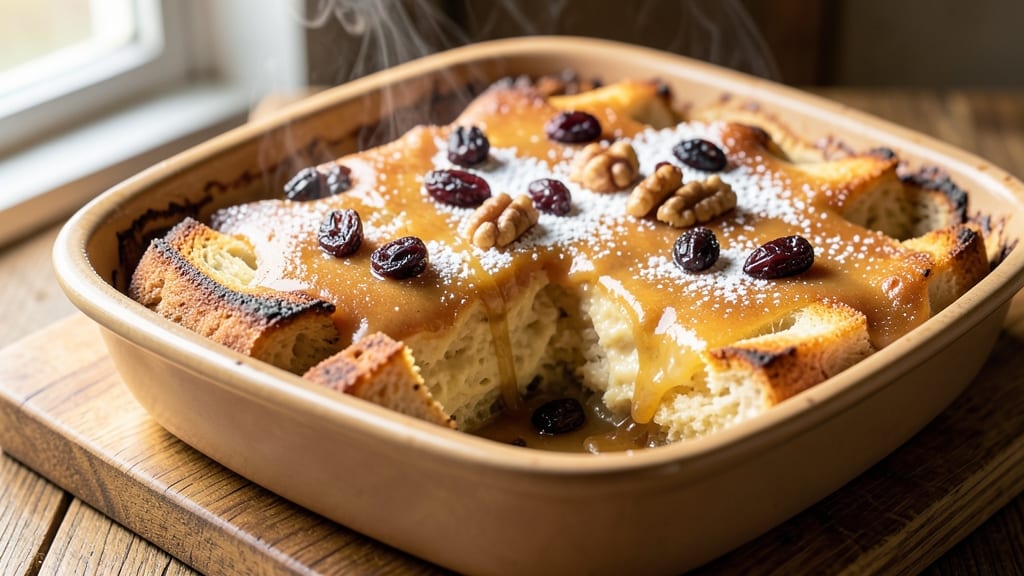
Antoine's bread pudding recipe delivers that signature crispy top and velvety custard—just like the New Orleans classic. The bourbon-infused twist adds depth without overpowering, while a simple technique ensures foolproof results every time. This dessert balances rich textures and warm spices for a crowd-pleaser that feels indulgent yet approachable.
The secret to that signature crispy crust lies in a combination of stale bread, melted butter, and a touch of bourbon—cooked until golden and caramelized. Inside, the custard remains tender and creamy, with vanilla and cinnamon adding warmth.
Unlike many versions, this recipe skips heavy spices, letting the bourbon and butter shine as the star flavors.
By the time it emerges from the oven, you’ll have a dessert that’s crispy on top and creamy inside, with just the right amount of sweetness. The bourbon adds a subtle, sophisticated note that elevates it beyond basic bread pudding.
Serve with vanilla ice cream or whipped cream for the full Antoine’s experience.
Perfect for holidays, dinner parties, or a cozy weeknight treat, this recipe scales easily and reheats beautifully. The instructions are straightforward, but the result feels like a restaurant-quality dessert. Let’s make it—your taste buds will thank you.
Ingredients for antoine's bread pudding
Twelve ingredients transform stale bread into New Orleans-style bread pudding with bourbon-kissed crisp and velvety custard.
| Ingredient | Amount | Notes |
|---|---|---|
| Stale French Bread Loaf 🍞 | 1 whole | Day-old crusty bread preferred |
| Unsalted Butter 🧈 | ¾ cup | Cold, cubed for even browning |
| Large Eggs 🥚 | 6 whole | Room temperature for smooth custard |
| Heavy Cream 🥛 | 1 ½ cups | Full-fat for richness |
| Whole Milk 🥛 | ½ cup | Warmed for better incorporation |
| Granulated Sugar 🍚 | 1 cup | Light brown sugar for depth |
| Bourbon Whiskey 🥃 | ¼ cup | 80-proof minimum for balance |
| Pure Vanilla Extract 🌿 | 1 tbsp | High-quality Madagascar preferred |
| Ground Cinnamon 🌶️ | 1 tsp | Freshly ground for warmth |
| Diamond Crystal Kosher Salt 🧂 | ½ tsp | Adjust to taste |
| Vanilla Ice Cream 🍦 | 2 cups | For serving, optional |
| Powdered Sugar 🍚 | 2 tbsp | For dusting, optional |
The bread is non-negotiable—stale French bread with a thick crust delivers that signature crunch. Breads with seeds or nuts add texture, but classic sourdough or baguette works best. For butter, European-style unsalted (like Plugrá) melts cleaner than American brands. Bourbon should be 80-proof or higher—avoid cooking liquors. The vanilla extract matters too: Madagascar Bourbon from Lalique or McCormick elevates the flavor profile beyond imitation extracts. If you can't find French bread, challah or brioche work as substitutes, but expect slightly different textures.
No bourbon? Apple cider or dark rum at half the amount mimics the depth, though bourbon's caramel notes are irreplaceable. Heavy cream can be swapped for half-and-half (texture will be lighter), but full-fat is ideal. For a dairy-free option, coconut cream works but alters the richness. The sugar ratio is precise—light brown sugar adds subtle molasses notes, but granulated is fine in a pinch. If your custard seems too thin, whisk in 1 extra egg yolk for stability. The ice cream pairing is flexible: homemade vanilla bean or coffee ice cream both complement the bourbon flavors beautifully.
Prep ahead for maximum flavor. Soak the bread overnight for a more intense custard, but 2 hours works in a pinch. Store leftovers covered at room temperature for up to 3 days—they actually improve as flavors meld. For longer storage, freeze portions for up to 2 months (thaw overnight in the fridge). Reheat gently in the oven at 300°F for 15 minutes to restore crispiness. The powdered sugar dusting is optional but adds a restaurant-worthy finish—use a fine-mesh sieve for even coverage.
Why You'll Love This Recipe
- No Stale Bread Wasted: That crusty French loaf you’ve been meaning to toss? This recipe turns it into something golden and irresistible. No fancy prep—just tear, soak, and bake.
- Rich Without the Fuss: The eggs and heavy cream create that signature custardy texture, but here’s the magic: a single stick of butter melts into the bread, making every bite buttery and dreamy. (Yes, even on a Tuesday night.)
- Weeknight Crowd-Pleaser: Serve it warm with vanilla ice cream for dessert or slice it cold for breakfast—no one will question why you’re making it twice in one week. Honestly, my roommates started bringing stale bread to my place.
- Budget Baking Gold: Eggs, milk, and a loaf of bread? This is the kind of recipe that stretches a grocery budget without sacrificing flavor. Leftovers reheat beautifully, so you’ll have seconds (or thirds) without extra effort.
Step-by-step instructions for Antoine's bread pudding
Here's the precise method for achieving that signature crispy top and velvety custard.
Cube and Prepare the Bread
Cut the 1 whole Stale French Bread Loaf into 1-inch cubes, working quickly so the bread doesn't dry out further. For best texture, use a serrated bread knife and cut through the crust as well as the soft interior. Arrange the cubes in a single layer on a baking sheet and lightly toast in a 350°F oven for 5-7 minutes until just warmed through. This step prevents a gummy center by removing excess moisture before mixing.
While the bread toasts, warm the 0.5 cup Whole Milk in a small saucepan over low heat until it reaches 110°F—just warm to the touch. This temperature ensures the milk incorporates smoothly into the custard without scrambling the eggs. Keep the warm milk nearby as you'll need it in the next step.
Mix the Custard Base
In a large mixing bowl, whisk together the 6 whole Large Eggs, 1 cup Granulated Sugar, 1 tbsp Pure Vanilla Extract, 1 tsp Ground Cinnamon, and 0.5 tsp Diamond Crystal Kosher Salt until completely smooth. The mixture should be pale yellow and homogeneous. Add the warm 0.5 cup Whole Milk and whisk vigorously for 30 seconds until fully combined and slightly thickened.
Next, carefully pour in the 0.25 cup Bourbon Whiskey while whisking continuously. The alcohol will evaporate during baking, but it adds depth of flavor to the custard. Fold in the toasted bread cubes using a silicone spatula, ensuring each piece is well coated in the custard mixture. The bread should absorb the liquid but remain moist—not soggy. If the mixture appears too thick, add 1-2 tablespoons of the reserved warm milk to reach a pourable consistency.
Layer and Bake for Crispy Top
Generously butter a 9x13-inch baking dish with the 0.75 cup Unsalted Butter, coating the bottom and sides thoroughly. This butter layer is critical for creating that signature crispy top. Transfer the bread mixture to the prepared dish, pressing down gently to compact the cubes and ensure even baking. The custard should just coat the bread without pooling at the bottom.
Bake in a 350°F oven for 40-45 minutes, until the edges are deep golden brown and the custard is set but still slightly jiggly in the center. Here's the key: in the last 5 minutes of baking, increase the oven temperature to 400°F to promote browning and crispiness on top. Watch closely—you want a crusty, caramelized exterior without burning.
Finish with Creamy Topping
While the bread pudding bakes, heat the 1.5 cups Heavy Cream in a small saucepan over medium heat until it just begins to simmer. Remove from heat and stir in 2 tbsp Powdered Sugar until dissolved. The cream should be warm but not boiling—just hot enough to create a silky sauce.
Once the bread pudding is removed from the oven, immediately pour the warm cream mixture evenly over the top. The contrast between the crispy crust and creamy topping is what makes this dessert exceptional. Let the pudding rest for 10 minutes before serving to allow the cream to set slightly and the layers to meld.
Serve with Ice Cream (Optional)
Serve the bread pudding warm, straight from the baking dish, with a scoop of 2 cups Vanilla Ice Cream on the side. The ice cream cuts through the richness of the custard and complements the bourbon notes. Dust with an additional 1 tbsp Powdered Sugar for a touch of elegance, if desired. Each bite should deliver a perfect balance of crispy, creamy, and custardy textures with a hint of smoky bourbon.
Pro Tips For Making Antoine'S Bread Pudding
- Cube Bread Evenly: Use a serrated knife and cut the French loaf into 1-inch cubes—no smaller, or they’ll turn to mush. I learned this the hard way when my first batch dissolved into a sad, soupy mess halfway through baking.
- Whisk Eggs Cold: Beat the eggs and cream mixture before adding the warm milk—cold eggs emulsify better and prevent curdling. After burning three batches, I finally figured out that lukewarm liquid is the enemy here.
- Butter the Dish First: Generously coat your baking dish with melted butter before adding the bread—this guarantees a golden crust and prevents sticking. My grandmother swore by this, and she was right: skip it, and you’ll spend 10 minutes scraping pudding off the sides.
- Bake Low and Slow: Start at 350°F (175°C) for 40 minutes, then drop to 325°F (160°C) for the last 20—this ensures the center sets without drying out. Sounds weird, but it works: high heat at the end turns bread pudding into a science experiment.
Essential equipment for this recipe
Baking Dish Essentials
A 9x13-inch baking dish is non-negotiable for even baking and that signature crispy top. I recommend using ceramic or heavy-duty stainless steel—they distribute heat evenly and prevent burning. Avoid dark-colored dishes, as they absorb heat too quickly and can over-browning the edges.
For a restaurant-quality finish, I use Corelle stoneware—it creates a beautiful caramelized crust while keeping the custard creamy inside. 🍞
Butter Tools
You’ll need cold, cubed unsalted butter for maximum flavor and browning. I prefer European-style butter like Plugrá or President—it has a higher fat content and melts more cleanly than American brands. Use a sharp paring knife to cut the butter into ½-inch cubes for even distribution.
For extra crispiness, consider using a pastry brush to coat the bread cubes with melted butter before baking. 🧈
Mixing Essentials
A large mixing bowl (at least 8-quart capacity) is crucial for combining the custard and bread without spills. I use stainless steel for durability, but glass bowls work too.
A silicone spatula helps fold in the bread cubes gently—avoid metal utensils, which can scratch the bowl or overmix the eggs. For whisking the custard, a balloon whisk ensures smooth incorporation of air, giving the pudding a lighter texture. 🥚
Temperature Control
An instant-read thermometer is your best friend for nailing the custard’s doneness. The center should reach 165°F—any higher, and the custard risks becoming dry. I use a ThermoWorks ThermoPop because it’s precise and easy to read.
For the oven, a digital thermometer (like Oven Thermometer by Taylor) ensures accurate temperature control—home ovens often run 25°F hotter or colder than set. 🌡️
Optional Extras
For the creamy topping, a small saucepan (2-quart) with medium heat control prevents scorching the cream. A fine-mesh sieve is perfect for dusting powdered sugar evenly over the finished pudding. If you’re serving with ice cream, a serrated knife helps create clean slices without crushing the bread.
Pro tip: Keep a small bowl of ice water nearby to quickly chill the whisk or spatula if the custard starts to thicken too fast. 🍦
Nutrition facts
Frequently asked questions
Why does this recipe use stale bread instead of fresh?
Stale bread is essential for the perfect texture—it absorbs the custard without turning mushy. Fresh bread releases too much moisture, resulting in a gummy center. The slight dryness of day-old bread creates that signature crispy crust while keeping the inside creamy and tender.
Can I make this bread pudding ahead of time?
This dessert actually tastes better the next day as the flavors meld. Prepare it up to 2 days ahead and store it covered at room temperature. For longer storage, freeze portions for up to 2 months—just thaw overnight in the fridge before reheating.
What if I don't have bourbon?
No problem! Substitute with apple cider or dark rum (use half the amount). While bourbon adds depth, these alternatives still enhance the flavor profile. For a non-alcoholic version, try vanilla extract + 1 tsp cinnamon for warmth.
How do I get an extra-crispy top?
The secret is in the butter and final baking step. Use cold, cubed butter on the bread cubes and increase the oven to 400°F for the last 5 minutes. Also, press the bread down firmly in the baking dish before baking for even browning.
Can I use a different type of bread?
While French bread is ideal, you can substitute with challah, brioche, or even sourdough. Avoid soft breads like brioche—look for something with structure. For extra texture, try adding 1 tbsp chopped nuts or raisins to the bread cubes before baking.