
Side Dishes
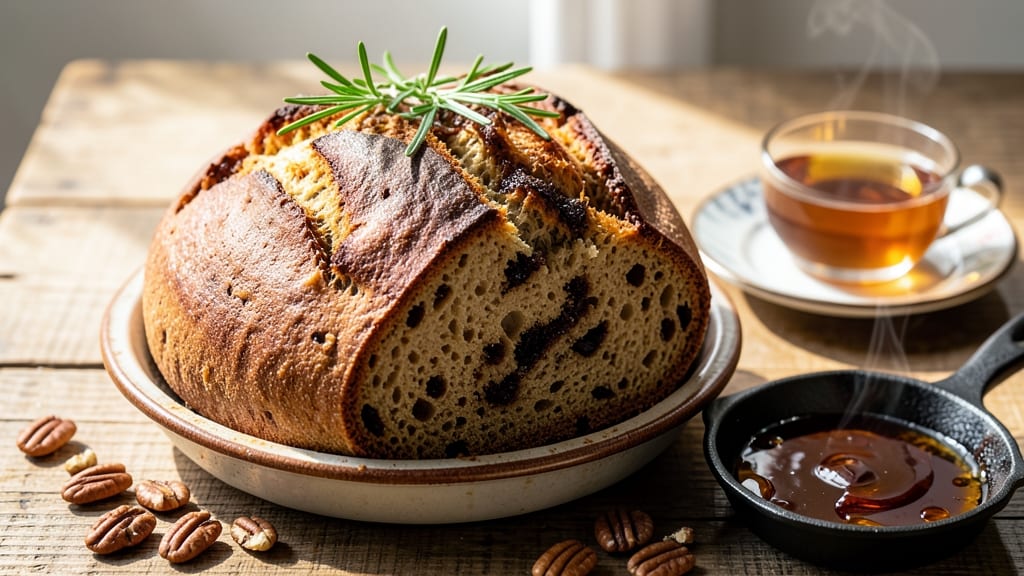
This Antigua Sunday bread recipe brings the warm, spiced aromas of the Caribbean right to your kitchen table—perfect for a leisurely Sunday morning. 🌟 The secret lies in the blend of molasses, rum, and warm spices that create a moist, tender loaf with a hint of caramelized sweetness at every bite.
This traditional quick bread has been a beloved staple in Antigua for generations, offering comfort and tradition with every slice.
The magic happens when the rum infuses the dough, adding depth and warmth that transforms simple ingredients into something extraordinary. Baking time is minimal, but the flavors develop as it cools, making it ideal for breakfast or a light dessert.
The texture is soft yet sturdy, with a subtle crumb that melts in your mouth, and the aroma alone will fill your home with nostalgia and warmth.
What makes this recipe special is its versatility—serve it plain for a rustic touch or sprinkle with cinnamon, raisins, or citrus zest for added brightness. It pairs beautifully with tea, coffee, or even as a side to hearty breakfasts.
The best part? You can prepare it ahead and enjoy it all week, making it a perfect Sunday project that feels like a hug in bread form.
Whether you're celebrating a special occasion or simply craving a taste of the Caribbean, this loaf delivers the perfect balance of sweetness and spice. The instructions are straightforward, ensuring you achieve that coveted moist crumb and caramelized top every time. Let’s get started on creating this timeless classic!
Ingredients for antigua sunday bread
Warm spices, rich molasses, and rum create this Caribbean-inspired Sunday loaf—soft, fragrant, and perfect for sharing.
| Ingredient | Amount | Notes |
|---|---|---|
| All-Purpose Flour 🌾 | 4 cups | Sifted for light texture |
| Dark Brown Sugar 🍚 | 1 ½ cups | Packed firmly for sweetness |
| Molasses 🍯 | ½ cup | Unsulphured for authentic flavor |
| Dark Rum 🍹 | ½ cup | Aged 3-5 years preferred |
| Active Dry Yeast 🍞 | 2 ¼ tsp | Fresh yeast for best results |
| Warm Water 💧 | 1 ½ cups | 110°F for yeast activation |
| Unsalted Butter 🧈 | ½ cup | Cold, cubed for even mixing |
| Large Eggs 🥚 | 2 whole | Room temperature for blending |
| Ground Cinnamon 🌿 | 1 tsp | Freshly ground for warmth |
| Ground Ginger 🌶️ | ½ tsp | Freshly ground preferred |
| Ground Allspice 🌶️ | ½ tsp | For Caribbean warmth |
| Salt 🧂 | ½ tsp | Fine sea salt preferred |
| Vanilla Extract 🌸 | 1 tsp | Pure vanilla for depth |
| Chopped Walnuts 🥜 | ½ cup | Toasted for crunch (optional) |
The rum is non-negotiable here—it’s what gives this bread its signature depth. Local Caribbean rums from stores like Whole Foods or Trader Joe's work best, but any aged 3-5 year rum will do. If you can’t find unsulphured molasses, regular molasses still works, but the flavor will be slightly less authentic. For the spices, Penzeys or bulk bins at natural food stores are your best bets—freshly ground cinnamon and allspice make all the difference. The butter should be cold when you mix it in; this keeps the dough from getting too soft and helps create that tender crumb.
No rum? Extra molasses plus a splash of orange juice mimics the depth, though it won’t be identical. Want more crunch? Toasted pecans or candied ginger are great swaps for walnuts. If you’re short on vanilla, vanilla bean paste gives even more flavor. The yeast is crucial—if it’s old or expired, your bread won’t rise properly. To test, drop a pinch in warm water with a pinch of sugar; it should foam within 5 minutes. If not, toss it and start fresh. The dough should be sticky but manageable; don’t overwork it, or you’ll toughen the texture.
This bread tastes even better the next day as the flavors meld. Store it wrapped in a clean kitchen towel at room temperature for 3-4 days—the towel keeps it soft. For longer storage, freeze slices wrapped in parchment for up to 3 months. I always make a double batch because it disappears fast—perfect for breakfast toast, tea-time snacks, or even as a dessert with a dusting of powdered sugar. The aroma alone is worth the effort; it’ll have your whole house smelling like a Caribbean Sunday morning.
Why You'll Love This Recipe
- One-Bowl Wonder: I swear, this bread comes together in a single bowl—no messy countertop juggling. Just mix, let the yeast and molasses do their magic, and bake. That’s it. No fancy equipment, no stress.
- Molasses-Rum Magic: The dark brown sugar and molasses give it this deep, caramelized sweetness, while the dark rum adds a warm, boozy richness that lingers. It’s like a hug in bread form—especially when you toast a slice the next morning.
- Sunday Morning Star: This is the kind of bread that makes your kitchen smell like a Caribbean holiday. Serve it fresh with breakfast, tear into it for sandwiches all week, or even freeze slices for quick toast later. Honestly, it’s the MVP of easy meals.
- Budget-Friendly Staple: Flour, sugar, and yeast? Check. Molasses and rum? Check. This recipe uses pantry basics, and one loaf lasts my family for days. Plus, the leftovers reheat perfectly—no sad, dry bread here.
Step-by-step instructions for Antigua Sunday bread
This spiced rum-infused loaf delivers perfect caramelized crust and moist crumb every time—just like Grandma used to make!
👨🍳 Step 1: Activate the Yeast and Mix Wet Ingredients
In a small bowl, whisk together 1.5 cups warm water (about 110°F—test by dropping a bit on your wrist—it should feel warm but not hot) with the 2.25 tsp active dry yeast. Let it sit for 5-10 minutes until frothy. This is your signal the yeast is alive and ready to work its magic!
In a separate large bowl, combine the 1.5 cups dark brown sugar, 0.5 cup molasses, 0.5 cup dark rum, 0.5 cup unsalted butter (cubed), and 2 whole large eggs. Mix until the butter is fully incorporated and the mixture is smooth. Here's where it gets fun—the rum adds incredible depth, but don't worry if it smells strong now. The baking will mellow it into something divine.
👨🍳 Step 2: Combine Dry Ingredients and Form the Dough
In a separate bowl, whisk together the 4 cups all-purpose flour, 1 tsp ground cinnamon, 0.5 tsp ground ginger, 0.5 tsp ground allspice, 0.5 tsp salt, and 1 tsp vanilla extract. Sift the flour mixture directly into your mixing bowl with the wet ingredients. Add the yeast mixture and gently fold everything together with a wooden spoon until just combined.
Turn the dough out onto a lightly floured surface and knead for 5-7 minutes until smooth and elastic. You'll know it's ready when it springs back when poked. If the dough feels sticky, add just enough flour to make it manageable—about 1-2 tablespoons at a time. Fold in the 0.5 cup chopped walnuts during the last minute of kneading for even distribution.
🥘 Step 3: First Rise and Shape the Loaf
Lightly grease a 9x5-inch loaf pan and place the dough inside, shaping it gently to fit. Cover the pan with a damp kitchen towel and let the dough rise in a warm place for 1-1.5 hours, or until it's puffed about 1 inch above the pan. I like to place my oven light on during this time to keep things cozy—it creates the perfect environment for the dough to grow.
Here's the thing—don't rush this step. The longer the rise, the more flavor develops. If your kitchen is cold, extend the rising time to 2 hours. The dough should feel light and airy when you press it gently with a finger—it should leave a slight indentation that slowly fills back in.
🔥 Step 4: Bake to Golden Perfection
Preheat your oven to 350°F. Once the dough has risen, brush the top with a little water and sprinkle with extra cinnamon if you like. Bake for 50-55 minutes until the top is deep golden brown and a toothpick inserted in the center comes out clean. The house should smell like heaven—warm spices, caramelized sugar, and just a hint of rum.
I always check for doneness at the 45-minute mark because ovens vary. If the top browns too quickly, tent with foil to prevent over-browning while the center finishes cooking. The bread is perfect when it sounds hollow when tapped on the bottom—like knocking on wood!
⏰ Step 5: Cool and Serve with Pride
Remove the bread from the pan and place it on a wire rack to cool for at least 30 minutes. This resting time is crucial—it allows the moisture to redistribute so each slice is perfectly tender. I know it's tempting to cut into it immediately, but trust me, waiting makes all the difference.
Slice the warm loaf into thick pieces and serve with butter or jam. The texture should be moist and slightly dense in the center with a crisp caramelized crust. Each bite delivers that perfect balance of sweetness from the brown sugar and molasses, warmth from the spices, and just a whisper of rum that makes this bread truly special.
Pro Tips For Making Antigua Sunday Bread
- Bloom the Yeast First: Skip the guesswork—mix your warm water, yeast, and a pinch of brown sugar (yes, use the same dark brown sugar from the recipe) in a separate bowl first. If it doesn’t foam within 5–10 minutes, your yeast is dead, and you’ll end up with dense, flat bread that tastes like a brick. Trust me, this 10-minute check saves hours of frustration later.
- Warm the Molasses: Cold molasses is thick enough to clog your measuring spoons and make your dough stiff as a board. Microwave it for 20 seconds or warm it in a small pot—just until it flows like honey. The dough will come together smoother, and the flavor will integrate better without fighting you.
- Don’t Overmix the Dough: Once the flour goes in, stop stirring the second everything clumps. Antigua Sunday Bread relies on that rustic, slightly uneven texture—overworking it makes it tough and dry. Use a wooden spoon or your hands to gently fold in the rum and molasses until just combined. Less effort, better crumb.
- Bake Until Internal Temp Hits 190°F: The bread’s done when the center reads 190°F (yes, higher than most recipes say). The molasses and rum keep it moist, so it won’t dry out like regular bread—but if you pull it out at 180°F, it’ll taste gummy and underbaked. A meat thermometer is your friend here; no more guessing.
Creative variations of this recipe
Caribbean Rum Variations
Swap the dark rum for light rum if you prefer a milder flavor—just reduce the amount to ¼ cup and add 1 tsp orange zest for brightness. For a boozy twist, brush the baked loaf with an extra 2 tbsp rum mixed with 1 tbsp honey while still warm.
I’ve also tried spiced rum (like Captain Morgan) for a ready-made Caribbean kick—it adds warmth without extra effort. 🍹
Spiced Citrus Twist
Boost the brightness with 1 tbsp fresh lime or lemon zest mixed into the wet ingredients. Pair it with ½ cup dried cranberries instead of walnuts for a tart-sweet contrast.
For extra zing, add 1 tsp grated fresh ginger to the dough—it cuts through the richness beautifully. The citrus pairs perfectly with the molasses and rum for a refreshing balance.
Nut-Free Adaptations
Skip the walnuts entirely and replace them with ½ cup dried apricots or chopped dates for natural sweetness. For crunch without nuts, try toasted coconut flakes (½ cup) or pumpkin seeds—both add texture while keeping the dish allergen-friendly.
The key is to maintain moisture, so avoid overly dry substitutions like breadcrumbs.
Gluten-Free Option
Use a 1:1 gluten-free flour blend (like King Arthur Measure for Measure) and reduce the flour to 3.5 cups. Add ½ tsp xanthan gum to improve texture. Keep all other ingredients the same, but expect a slightly denser crumb.
For extra moisture, increase the molasses to ⅔ cup and add 2 tbsp applesauce to the wet mixture. 🌱
Savory Herb Version
Transform this into a savory loaf by replacing the brown sugar with 1 cup honey, omitting the molasses, and adding 2 tbsp fresh rosemary and 1 tbsp thyme to the dry ingredients.
Swap the rum for ½ cup apple cider and top with grated Parmesan before baking. This version pairs perfectly with soups or roasted meats—like a Caribbean-inspired sourdough.
Seasonal Fruit Additions
In summer, fold in ½ cup diced peaches or pineapple for tropical sweetness. For fall, try ½ cup chopped dried figs or candied yams (¼ cup). Winter calls for ½ cup chopped dried cherries and a pinch of nutmeg in the dry mix.
Always toss fruit in 1 tsp flour first to prevent sinking during baking.
Nutrition facts
Frequently asked questions
Why does Antigua Sunday bread use rum instead of other liquids?
The rum isn't just for flavor—it's the heart of this Caribbean classic! The alcohol evaporates during baking, leaving behind deep, warm notes that balance the sweetness. It also helps tenderize the crumb and adds that signature molasses-rum harmony that makes this bread taste like Sunday mornings in Antigua. Plus, it's a nod to the island's rum traditions!
Can I make this bread without molasses? What's the best substitute?
If you can't find unsulphured molasses, use dark corn syrup or honey in equal amounts. For a closer match, mix ½ cup brown sugar with 2 tbsp water to mimic molasses' stickiness. The bread will still be delicious—just slightly less complex in flavor. The key is maintaining the moisture and sweetness balance.
How do I know when the bread is fully baked?
Look for three signs: deep golden brown crust, a hollow sound when tapped on the bottom (like knocking on wood!), and a clean toothpick when inserted in the center. The bread should feel firm to the touch but still warm inside. If it browns too quickly, tent with foil to prevent over-browning while the center finishes cooking.
Why does my dough feel too sticky? Can I add more flour?
Sticky dough is normal—it means your yeast is active and the gluten is developing! Add flour 1 tablespoon at a time only if the dough is truly unmanageable. Over-flouring makes the bread dense. Instead, try wetter hands or a lightly floured surface. The dough should be tacky but not gluey—like a well-kneaded cookie dough.
Can I make this bread in a different pan shape?
Yes! While a 9x5-inch loaf pan gives the classic shape, try a round cake pan for a freeform look or a 9-inch square pan for easier slicing. For a rustic touch, shape the dough into a boule and bake on a parchment-lined sheet. Just reduce baking time by 10-15 minutes—smaller pans bake faster.