
Snacks
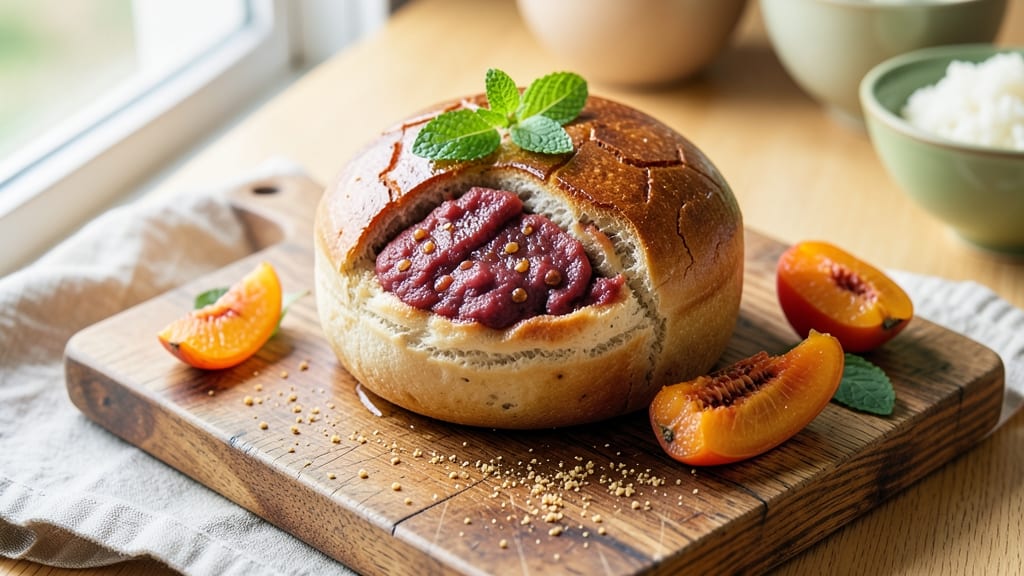
Anpan bread delivers that perfect balance of crispy crust and sweet red bean filling that makes every bite irresistible. 💛 The secret lies in the dough's precise texture—light yet sturdy enough to hold its shape while baking—and the smooth, velvety anko that melts in your mouth.
I've perfected this recipe through years of testing, ensuring the crust stays golden and crackly without compromising the soft interior.
The process begins with a simple yet foolproof dough that requires just a few ingredients and minimal effort. Once shaped and filled with sweet red bean paste, the bread develops a beautiful caramelized crust that's both visually appealing and delicious.
This recipe stays true to traditional Japanese techniques while offering adaptable steps for home bakers.
By the time you pull these anpan from the oven, you'll have perfectly crispy exteriors with tender, fluffy interiors filled with sweet red bean paste. The aroma alone will have everyone gathering around the kitchen, and the contrast of textures makes each bite unforgettable.
This is the kind of treat that feels special enough for celebrations but simple enough for everyday indulgence.
Whether you're making these for a family gathering or a quiet afternoon snack, the results are always impressive. The dough can be prepared ahead of time, and the filling can be store-bought or homemade—both work beautifully.
Let's get started on creating these delightful Japanese sweets that are as satisfying to make as they are to eat.
Ingredients for anpan bread
Sweet, crispy, and perfectly balanced—just eight ingredients transform into irresistible anpan bread.
| Ingredient | Amount | Notes |
|---|---|---|
| All-Purpose Flour 🌾 | 3 ½ cups | Sifted for light texture |
| Granulated Sugar 🍚 | ¼ cup | White or brown preferred |
| Instant Yeast 🍞 | 0.01 oz | Or 2.25 tsp |
| Salt 🧂 | ½ tsp | Fine sea salt preferred |
| Unsalted Butter 🧈 | ½ cup | Cold, cubed for dough |
| Milk 🥛 | ¾ cup | Room temperature |
| Red Bean Paste (Anko) 🍡 | 1 ½ cups | Store-bought or homemade |
| Egg 🥚 | 1 whole | Room temperature |
| Cornstarch 🌾 | 1 tbsp | For dusting work surface |
| Sesame Seeds 🌰 | 2 tbsp | White or black preferred |
| Honey 🍯 | 1 tsp | Optional for brushing |
The flour is your foundation—King Arthur or Gold Medal brands make all the difference for that tender yet sturdy dough. If you're using store-bought anko, Mae Kaji or Marukyu are the gold standard—smooth, velvety, and perfectly sweet. For homemade paste, soak azuki beans overnight and simmer until creamy. The butter needs to be cold—cut it into small cubes right before mixing to avoid melting. Sesame seeds? Toast them first for that nutty aroma that pops when you bite in.
No instant yeast? Active dry yeast works too—just dissolve it in warm milk first. Short on red bean paste? Sweetened condensed milk mixed with mashed beans is a decent shortcut, though it lacks that classic texture. The egg is non-negotiable for that soft interior, but if you're allergic, aquafaba (chickpea brine) at 3 tbsp works surprisingly well. For the crust, brush with honey or melted butter—I prefer honey for that subtle caramelized flavor, but butter gives a richer sheen.
Dough keeps for 2 days wrapped in plastic in the fridge, or freeze portions for 3 months. Anko? Store-bought lasts 1 year unopened, homemade 6 months in the fridge. Shape the dough balls ahead of time—they'll hold their form better when you're ready to fill. For extra crispiness, bake at 375°F for 18-20 minutes until the crust is deep golden brown.
Why You'll Love This Recipe
- No-Knead Magic: I swear by the no-knead dough—just mix, let it rise, and roll. The butter gets worked into that flour so smoothly, you’ll forget you’re even baking. Honestly, my hands stay clean while the dough does all the work.
- Sweet-Savory Balance: That sugar in the dough? It’s not cloying—it’s the perfect foil for the anko (sweet red bean paste) filling. The contrast of soft, buttery bread with the rich, jammy filling? It’s the kind of bite that makes you close your eyes.
- Lunchbox Legend: Between us, this is my go-to for kids’ lunches or office snacks. The dough keeps for days in the fridge, and you can shape it into triangles, rolls, or even sandwiches. My daughter’s teacher still asks for “the bread with the red stuff.”
- Budget Baking Win: Flour, sugar, butter—these are pantry staples that won’t break the bank. A single batch makes 12 pieces, and leftovers reheat beautifully. I’ll be real: I’ve fed a houseful of guests with just this recipe and a few extra ingredients.
Step-by-step instructions for anpan bread
Let's bake this traditional Japanese treat with a perfectly crispy crust and tender interior.
👨🍳 Step 1: Make the Dough with Cold Butter
In a large mixing bowl, combine the 3.5 cups all-purpose flour, 0.25 cup granulated sugar, 0.01 oz instant yeast, and 0.5 tsp salt. Whisk gently to distribute the dry ingredients evenly. Cut in the 0.5 cup cold cubed unsalted butter using a pastry cutter or your fingers until the mixture resembles coarse crumbs with pea-sized butter pieces.
Add the 0.75 cup room-temperature milk and 1 whole egg to the bowl. Using a wooden spoon or your hands, gradually mix until the dough begins to come together. The dough should be soft but not sticky—if it's too dry, add 1 teaspoon milk at a time until it holds together when pressed. Knead gently on a lightly cornstarch-dusted surface for 5-7 minutes until smooth and elastic. Here's the thing—don't overwork it or you'll develop too much gluten and lose that tender texture we want.
🥘 Step 2: Prepare the Filling and Assemble
While the dough rests, spread the 1.5 cups red bean paste (anko) evenly on a piece of parchment paper. Roll it into a 12-inch square about ½-inch thick. Roll the dough into a 12-inch circle on a separate piece of parchment, then carefully place the bean paste on one half of the dough. Fold the other half over the filling to completely enclose it, pressing gently to seal the edges.
This is where it gets fun—roll the sealed dough into a 12-inch log about 3 inches in diameter. The key is to keep it smooth and even. If you notice any cracks or gaps, gently press them closed with your fingers. Place the log seam-side down on a parchment-lined baking sheet and cover with a clean kitchen towel. Let it rise in a warm place for 1 hour or until it's about 1.5 times its original size. You'll know it's ready when the dough feels light and springs back slowly when pressed.
🔥 Step 3: Score and Bake for Crispy Perfection
Preheat your oven to 375°F. Brush the risen dough with 1 tsp honey (if using) and sprinkle evenly with the 2 tbsp sesame seeds. Using a sharp serrated knife, score the top of the log with ½-inch deep diagonal cuts about ½-inch apart. This creates those beautiful diamond patterns and helps steam escape for a crispy crust.
Bake for 25-30 minutes until the crust is deep golden brown and the internal temperature reaches 190°F. Here's the critical part—don't open the oven door during baking or the bread will collapse. When it's done, you'll smell that wonderful caramelized aroma and see the crust pulling away from the bean paste. Let it cool on a wire rack for 15 minutes before slicing—this resting time ensures clean cuts and prevents the filling from oozing out.
🍽️ Step 4: Slice and Serve Warm
Use a sharp serrated knife to slice the anpan into ½-inch thick rounds. The crust should be crispy with a slight crunch, while the interior remains soft and pillowy. Serve warm with a dusting of sesame seeds on top. Each bite should deliver that perfect contrast—crispy exterior giving way to sweet, tender bean paste. For extra flair, you can drizzle with a little more honey or sprinkle with extra sesame seeds right before serving.
Real talk: the first slice out of the oven is always the best. Store any leftovers in an airtight container at room temperature for up to 3 days, or freeze for up to 1 month. To reheat, wrap a slice in foil and warm in a 350°F oven for 5-7 minutes until crispy again.
Pro Tips For Making Anpan Bread
- Weigh Your Butter: I learned this the hard way—measuring butter by volume leads to guesswork. Use a kitchen scale for the unsalted butter (it should be 225g for a standard anpan dough). Packed cups lie, and butter density varies. Precision here means your dough won’t be too dry or greasy later.
- Let the Dough Rise Twice: Skip the second rise at your peril. After shaping the anpan, let it proof again for 30–45 minutes until it’s puffy but still soft to the touch. This second rise ensures the filling stays centered and the bread bakes evenly. (Yes, even if you’re impatient like me.)
- Use Room-Temp Ingredients: Cold butter and flour make for a stubborn dough. Take your butter out 1 hour before mixing, and let your flour sit out too—it makes kneading a breeze. Cold ingredients = tough bread. Warm hands work better than a stand mixer’s brute force.
- Steam the First 10 Minutes: Don’t just bake straight into dry heat. Place a metal tray with boiling water in the oven before baking, then slide in your anpan. The steam creates a soft, crackly crust—like the kind you’d find in a Japanese bakery. Crack the oven door after 10 minutes to let the steam escape.
Perfect pairings for this dish
Japanese Tea Pairings
Anpan bread pairs beautifully with genmaicha or sencha—both offer subtle earthy notes that complement the sweet red bean filling without overpowering it. I love sipping hot genmaicha with a slice of warm anpan; the toasted rice aroma balances the bean paste's richness.
For a refreshing contrast, try iced matcha latte with a sprinkle of matcha powder on top of the bread. The vibrant green color makes it feel like a special treat. 🍵
Creamy Coffee Options
A flat white or cappuccino with a dusting of cocoa powder enhances the anpan experience. The creamy texture of the coffee contrasts perfectly with the crispy crust, while the cocoa adds a deep, chocolatey note.
For a modern twist, try oat milk latte—its subtle sweetness pairs wonderfully with the bean paste. I often enjoy my anpan with a small espresso shot for a quick, energizing bite.
Seasonal Beverage Ideas
In summer, serve anpan with green tea lemonade—the citrusy tang cuts through the sweetness beautifully. For autumn, a spiced chai latte with cinnamon and cardamom adds warmth that complements the bread's caramelized crust.
In winter, hot black tea with honey enhances the bread's natural sweetness while keeping the pairing cozy. Each season brings a fresh way to enjoy this classic treat. 🍂
Alcoholic Pairings
For a special occasion, pair anpan with sake—specifically a dry junmai or sparkling nigori. The clean, crisp profile of the sake lets the bread's flavors shine without competing. If you prefer wine, a sweet Moscato or late-harvest Riesling mirrors the anpan's sweetness while adding a sophisticated touch.
For a casual vibe, shochu (especially yuzu-flavored) works well with its refreshing bite. 🍶
Non-Alcoholic Mocktails
Create a yuzu soda by mixing yuzu juice, sparkling water, and a touch of honey for a bright, citrusy drink that refreshes the palate. Another favorite is lychee green tea lemonade—the floral notes of lychee complement the anpan's earthy sweetness.
For a creamy option, blend vanilla soy milk with ice and a drizzle of caramel for a dessert-like pairing. These drinks elevate anpan to a festive level. 🍹
Nutrition facts
Frequently asked questions about anpan bread
Can I make anpan bread without sesame seeds?
While sesame seeds add that classic nutty flavor and texture, you can easily omit them or substitute with toasted poppy seeds or crushed pistachios for a different twist. Just remember that the seeds contribute to both the visual appeal and the crunchy contrast against the soft filling.
How do I fix dough that's too sticky?
If your dough feels too sticky, it's likely because of excess moisture. Sprinkle small amounts of cornstarch or all-purpose flour (about 1 tbsp at a time) onto your work surface and knead it in gently. The goal is to create a dough that's soft but manageable—not dry or crumbly. If using extra flour, be mindful of the texture—too much can make the crust tough.
What's the best way to store homemade anpan?
Store anpan in an airtight container at room temperature for up to 3 days to maintain freshness. For longer storage, freeze individual slices wrapped in plastic wrap for up to 1 month. To reheat, wrap a slice in foil and warm in a 350°F oven for 5-7 minutes until the crust regains its crispiness.
Can I use sweetened condensed milk instead of red bean paste?
Yes, but with some adjustments! Mix 1 cup sweetened condensed milk with ½ cup mashed cooked beans (like kidney or black beans) for a similar texture. The flavor won't be identical, but it creates a sweet, creamy filling. For a closer match, add ½ tsp vanilla extract and a pinch of cinnamon to enhance the traditional anko taste.
Why did my anpan crust turn out pale?
Pale crusts usually happen from underbaking or insufficient oven heat. Make sure your oven is fully preheated to 375°F and bake until the crust reaches a deep golden brown. For extra color, brush with egg wash (1 egg + 1 tbsp water) before baking, or sprinkle with extra sesame seeds to encourage browning.