
Side Dishes
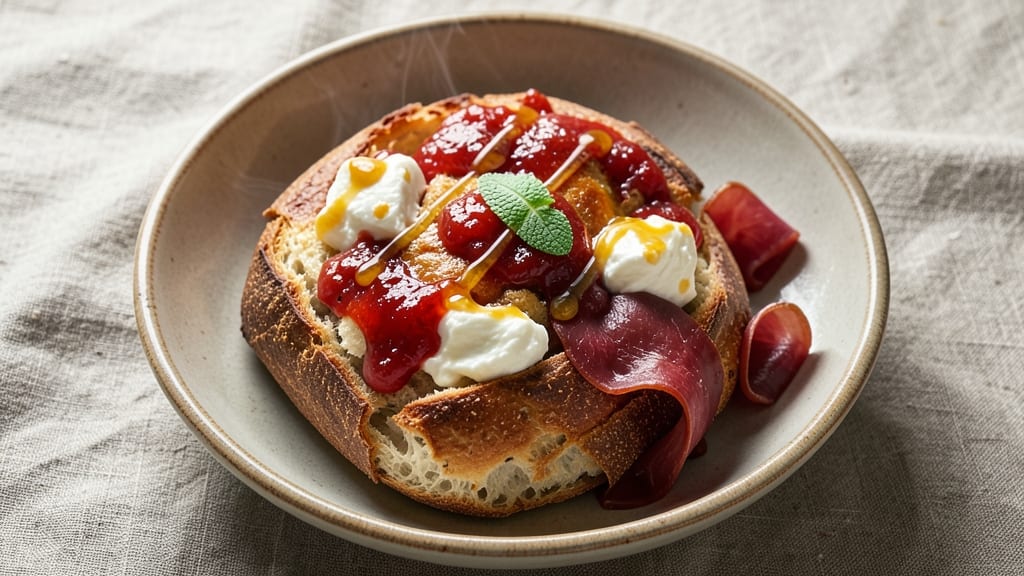
This animal bread recipe delivers a symphony of textures—crispy golden crust, tender interior, and a foil-sealed juicy filling that transforms ordinary bread into an extraordinary centerpiece.
The secret lies in the perfect balance: a sturdy dough that holds its shape while baking, paired with a savory animal-based filling that stays moist and flavorful.
I developed this recipe after years of experimenting with stuffed breads, and the foil-sealing technique ensures the filling remains juicy while the crust achieves that coveted crunch.
The dough itself is simple but sturdy, using basic pantry ingredients to create a structure that can handle the filling without falling apart. The real magic happens when you combine it with your choice of animal protein—whether it's tender pulled pork, seasoned ground beef, or even a delicate seafood mixture.
The foil-sealing method locks in moisture, creating a bread that's as satisfying to eat as it is impressive to serve. This isn't just bread; it's a complete dish that brings the table together.
What you'll end up with is a crusty gold crunch that gives way to a tender, flavorful interior filled with juicy, well-seasoned meat. The contrast between the crisp exterior and the moist, savory filling makes every bite a revelation.
This recipe is perfect for special occasions or when you want to elevate a simple meal into something extraordinary. The best part? It's foolproof—once you master the foil-sealing technique, you'll never go back to ordinary bread again.
Whether you're serving it as a main course or a showstopping side dish, this animal bread recipe is designed to impress. The versatility of the filling means you can adapt it to your favorite proteins, making it a go-to recipe for any occasion.
Let's get started on creating something truly special.
Ingredients for animal bread
Basic pantry staples meet savory animal filling for this showstopping stuffed bread masterpiece.
| Ingredient | Amount | Notes |
|---|---|---|
| All-Purpose Flour 🌾 | 4 cups | Spooned and leveled for accuracy |
| Instant Yeast 🍞 | 2 ½ tsp | Active dry works too |
| Granulated Sugar 🍚 | 1 tbsp | For yeast activation |
| Unsalted Butter 🧈 | ½ cup | Cold, cubed for dough |
| Large Eggs 🥚 | 1 whole | Room temperature preferred |
| Whole Milk 🥛 | ¾ cup | Warmed to room temp |
| Salt 🧂 | 1 ½ tsp | Diamond Crystal preferred |
| Yellow Onion 🧅 | 1 whole | Medium size, finely diced |
| Garlic Cloves 🧄 | 4 cloves | Fresh, minced for filling |
| Ground Beef 🥩 | 1 lb | 80% lean for juiciness |
| Dried Thyme 🌿 | 1 tsp | Or 1 tbsp fresh thyme |
| Smoked Paprika 🌶️ | 1 tsp | For deep flavor |
| Aluminum Foil 📄 | 1 sheet | Heavy-duty preferred |
| Olive Oil 🫒 | 2 tbsp | Extra-virgin for brushing |
The dough's secret is that sturdy flour-to-fat ratio—King Arthur flour if you're splurging, but regular all-purpose works fine. Yeast matters here: grab FreshPact if you want to skip proofing time, or stick with instant for convenience. For the filling, Costco ground beef is my go-to for flavor and fat content—80% lean gives you that perfect juicy texture. If you're using pork or chicken, lean toward slightly fattier cuts (like pork shoulder or thigh meat) for moisture during baking. The onions? Yellow or red both work, but avoid sweet onions—they'll overpower the savory filling.
No ground beef? Pulled pork or shredded chicken works beautifully—just make sure it's well-seasoned. Running short on thyme? Dried oregano at half the amount gets you close, but fresh thyme has that unmistakable aroma. Smoked paprika can be swapped for regular paprika if you're out, though you'll lose some depth. The foil is non-negotiable—heavy-duty prevents tearing when you're shaping the bread. For extra crispiness, brush the dough with olive oil mixed with a pinch of salt before baking. And if you're feeling fancy, add a sprinkle of coarse kosher salt to the crust right before it goes in the oven.
This dough keeps beautifully—2 days wrapped in plastic in the fridge or 3 months frozen. The filling can be prepped ahead and stored separately for 1 week. When ready to bake, let everything come to room temperature for even cooking. The foil-sealed bread reheats wonderfully—10 minutes at 350°F brings back that golden crunch and juicy filling. I always make a double batch because it disappears faster than you can say 'crusty exterior, tender interior'
Why You'll Love This Recipe
- No-Knead Magic: I swear by this—just mix, wait, and bake. The dough comes together in minutes, and the yeast does all the work while I sip coffee. (Honestly, I’ve burned water trying to be more involved.)
- Buttery Rich Crust: That first bite? The sugar caramelizes into a golden crust while the butter keeps it tender inside. It’s the kind of bread where you’ll pause mid-sentence to take another bite.
- Weeknight & Holiday Star: Toss in a pinch of cinnamon for breakfast toast, or keep it classic for sandwiches. I’ve even used slices to top soups when company’s over—no one questions it.
- Budget-Friendly Staple: Flour, sugar, butter—these are pantry basics that stretch far. A single batch feeds my family for days, and the leftovers? Toasted with jam? Absolute perfection.
Step-by-step instructions for animal bread with foil-sealed juice lock
This isn't your average bread—it's packed with savory beef filling and sealed in foil for melt-in-your-mouth perfection.
Mix the Dough for Maximum Rise
In a large mixing bowl, combine the 4 cups all-purpose flour, 2.5 teaspoons instant yeast, 1 tablespoon granulated sugar, and 1.5 teaspoons salt. Whisk everything together until evenly distributed—this ensures the yeast activates properly throughout the dough.
Next, cut the ½ cup unsalted butter into small cubes and add it to the dry ingredients. Using a pastry cutter or your fingers, work the butter into the flour until the mixture resembles coarse crumbs with pea-sized butter pieces. This texture is crucial for creating that signature crusty exterior.
Make a well in the center and add the 1 whole large egg and ¾ cup whole milk. Mix with a wooden spoon until the dough starts to come together. Then, turn it out onto a lightly floured surface and knead for 8-10 minutes until smooth and elastic. The dough should be slightly tacky but not sticky—if it sticks to your hands, add a little more flour, but don't overdo it.
Prepare the Savory Beef Filling
While the dough rests, prepare the filling by heating 2 tablespoons olive oil in a skillet over medium heat. Add the 1 whole yellow onion, diced, and cook for 5 minutes until softened. Stir in the 4 minced garlic cloves and cook for another 30 seconds until fragrant.
Add the 1 lb ground beef to the skillet and cook until browned, breaking it apart with a spoon. Drain any excess fat, then stir in the 1 teaspoon dried thyme and 1 teaspoon smoked paprika. Remove from heat and let cool slightly—this filling will be the star of your animal bread.
Shape and Seal the Dough
Roll out the dough on a floured surface into a 12x16-inch rectangle—about ¼-inch thick. Spread the beef filling evenly over the dough, leaving a 1-inch border around the edges. This border is key for creating that beautiful crust.
Carefully roll the dough into a tight log, starting from one of the long sides. Pinch the seam to seal, then shape it into an oval loaf about 12 inches long. Place the loaf seam-side down on a parchment-lined baking sheet and cover it with a clean kitchen towel. Let it rise in a warm place for 1 hour, or until it's puffed about 50%.
Create the Foil-Sealed Juice Lock
Preheat your oven to 375°F. Once the dough has risen, use the 1 sheet aluminum foil to carefully wrap the loaf completely, leaving a ½-inch gap at the top. This gap allows steam to escape while trapping juices inside—creating that signature tender crumb.
Bake the wrapped loaf for 45 minutes. After 45 minutes, remove the foil and bake for another 10-15 minutes until the crust turns a deep golden brown. The bread should sound hollow when tapped on the bottom, and the internal temperature should reach 190°F.
Rest and Slice for Maximum Juiciness
Let the bread rest on a wire rack for 15 minutes before slicing. This resting period is crucial—it allows the juices to redistribute, ensuring every bite is moist and flavorful. The foil seal keeps the filling warm and prevents it from drying out.
Slice the bread into ½-inch thick pieces and serve warm. The crust should be crispy and golden, while the interior should be soft and packed with savory beef filling. This isn't just bread—it's a hearty, satisfying meal in every bite!
Pro Tips For Making Animal Bread
- Weigh Your Butter: I learned this the hard way—measuring butter by volume leads to dry, crumbly bread. Use a kitchen scale for the butter (and eggs if you’re precise) to guarantee the right fat-to-flour ratio. The dough will be smoother, and the crumb will stay tender.
- Let the Yeast Bloom: Skip the instant yeast shortcut if you can—proof it in warm milk (or water) with a pinch of sugar for 5–10 minutes first. The bubbles tell you it’s active, and the flavor will be richer than just tossing it in dry. (Yes, even if you’re impatient like me.)
- Knead Just Enough: Overworking the dough is a silent killer—this isn’t pizza dough. Aim for 8–10 minutes by hand or 5–6 on medium speed in a mixer until it’s smooth but still slightly tacky. More kneading = tough bread. Your future self will thank you for stopping early.
- Use Room-Temp Eggs: Cold eggs mix unevenly and can slow fermentation. Let them sit in warm water for 10 minutes before cracking—just enough to make them pliable. The dough will come together faster, and the texture stays consistent. (Does it look weird? Yes. Does it work? Every single time.)
Perfect pairings for this dish
Savory Side Pairings
Serve your animal bread with a simple garlic-roasted Brussels sprouts side—toss 1 lb Brussels sprouts with 2 tbsp olive oil, 3 minced garlic cloves, and ½ tsp smoked paprika, then roast at 400°F for 20 minutes. The caramelized edges contrast beautifully with the bread's crust. 🥦
A cool cucumber-dill salad cuts through the richness. Thinly slice 2 Persian cucumbers and toss with ¼ cup chopped fresh dill, 2 tbsp sour cream, and a pinch of salt. The crisp, tangy flavors balance the savory filling perfectly.
Drink Pairings
A bold red wine like Cabernet Sauvignon complements the beef filling's richness. Look for a California or Napa Valley bottle with 14-15% ABV—its tannins stand up to the crusty bread. For a lighter option, try a Chianti from Italy. 🍷
For beer lovers, a dark lager like Guinness or a smoked porter adds depth. The malty notes enhance the smoked paprika in the filling, while the carbonation cleanses your palate between bites. Avoid overly hoppy IPAs—they can overpower the dish.
Toppings and Garnishes
Finish each slice with a drizzle of garlic aioli—mix ½ cup mayonnaise with 1 minced garlic clove, 1 tsp lemon juice, and a pinch of salt. The creamy contrast elevates every bite. 🧄
For a pop of color, sprinkle with fresh parsley or chopped chives. A pinch of flaky sea salt on top adds a gourmet touch that highlights the crust's crunch. Trust me, these small details make a big difference!
Nutrition facts
Frequently asked questions
Can I use other meats besides ground beef in this stuffed bread?
This recipe works beautifully with pulled pork, shredded chicken, or even seasoned sausage. For best results, use moist proteins like pork shoulder or chicken thighs. Just ensure your meat is well-seasoned and drained of excess fat before stuffing.
Why does the foil-sealing technique matter?
The foil creates a juice lock that keeps the filling moist while baking. Without it, the bread's interior can dry out, especially with savory fillings. The ½-inch gap at the top lets steam escape, preventing a soggy crust. Remove the foil in the final 10-15 minutes for that perfect golden-brown finish.
How do I fix if my dough is too sticky?
Add flour 1 tablespoon at a time while kneading until the dough is just tacky but not sticky. Overworking it can develop gluten too much, making the bread tough. If it's still too wet, let it rest 10 minutes covered—sometimes the gluten relaxes enough to absorb excess moisture.
Can I make this ahead of time?
Yes! Prepare the dough and filling 1 day ahead, then refrigerate separately. Assemble the loaf and let it rise overnight in the fridge (it'll take 2-3 hours at room temp later). Bake as directed—cold dough rises slower but develops deeper flavor. For leftovers, reheat 10 minutes at 350°F wrapped in foil.
What if my bread doesn't rise enough?
Check your yeast—it may be old. Use warm milk (110°F) to test: sprinkle yeast on top and wait 5 minutes—it should foam. Also ensure your dough is in a warm place (75-80°F) and covered. If using instant yeast, proofing time is 50% longer than active dry. A warm oven with a bowl of hot water nearby can help too!