
Main Courses
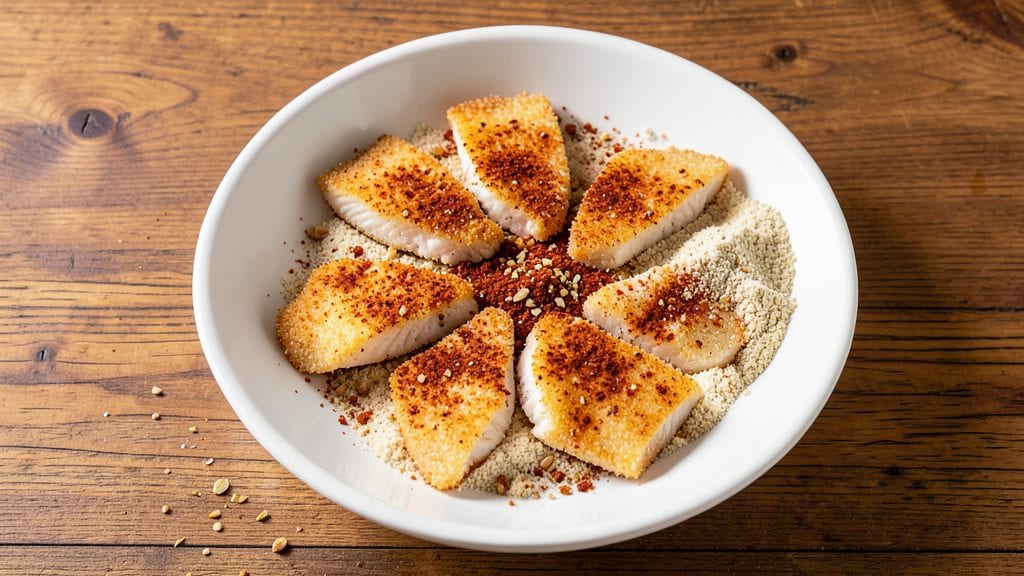
Andy's fish breading recipe delivers that crispy-golden crunch without deep-frying—just a simple technique that transforms ordinary fish into restaurant-worthy bites.
I perfected this method after years of testing, and the secret lies in the right flour blend and oven-baking method that creates a perfectly crisp exterior while keeping the fish tender inside. The result? A breading so satisfying it’ll have you reaching for seconds.
What sets this recipe apart is the foolproof process that works with any white fish fillet—no special equipment needed beyond a baking sheet and a wire rack.
The breading mixture combines all-purpose flour, cornstarch (for extra crunch), and a touch of paprika for color, creating a coating that stays crispy even after baking. This method also cuts down on mess and oil splatter, making it ideal for weeknight dinners.
By the time you pull it from the oven, you’ll have fish with a shatteringly crisp breading that holds its shape, golden edges that crackle with each bite, and flaky, moist fish underneath.
The aroma alone will have everyone gathering around the table—this is the kind of dish that elevates simple weeknight meals into something special without requiring deep-frying skills.
Serve with lemon wedges, tartar sauce, or a fresh salad to balance the richness. The beauty of this recipe is its versatility—it works for haddock, cod, tilapia, or even shrimp, making it a go-to for any seafood lover. Let’s get started on creating that perfect crunch.
Ingredients for andy's fish breading
The secret to Andy's crispy-golden fish lies in these simple ingredients that transform ordinary fillets into restaurant-quality bites.
| Ingredient | Amount | Notes |
|---|---|---|
| White Fish Fillets 🐟 | 1 ½ lb | Haddock, cod, or tilapia preferred |
| All-Purpose Flour 🌾 | 1 cup | For light, crispy coating |
| Cornstarch 🌾 | ¼ cup | Essential for extra crunch |
| Paprika 🌶️ | 1 tbsp | Smoked or sweet variety |
| Garlic Powder 🧄 | 1 tsp | Freshly ground preferred |
| Onion Powder 🧅 | 1 tsp | For subtle depth of flavor |
| Salt 🧂 | 1 tsp | Kosher or sea salt |
| Black Pepper 🌶️ | ½ tsp | Freshly ground for best flavor |
| Large Eggs 🥚 | 2 whole | Room temperature for best coating |
| Extra-Virgin Olive Oil 🫒 | 2 tbsp | For light brushing |
| Lemon Juice 🍋 | 1 tbsp | Freshly squeezed for brightness |
The fish selection matters—haddock or cod hold up best to the baking process, but tilapia or even shrimp work too. Whole Foods or local fishmongers often carry the freshest cuts, but the seafood counter at your grocery store will do. Look for fillets with bright, translucent flesh and minimal fishy odor. If you're using frozen fish, thaw it overnight in the fridge—never at room temperature, as that promotes bacterial growth. The cornstarch is non-negotiable; it creates that signature shatteringly crisp texture that sets this apart from regular flour breading.
No cornstarch? Arrowroot powder at half the amount works in a pinch, though the texture will be slightly less crisp. The paprika adds color and a subtle smokiness—smoked paprika gives more depth than sweet. For the eggs, room temperature is key; they'll coat the fish more evenly. Trader Joe's has excellent quality at a reasonable price, or use whatever you have on hand. The olive oil should be extra-virgin—cheaper oils can make the breading greasy. If you're short on time, skip the lemon juice in the breading and serve it on the side instead—it brightens everything up.
Store any leftover breading mixture in an airtight container for up to 3 days in the fridge. The fish itself keeps for 1-2 days in the fridge, but it's best served fresh. For meal prep, bake an extra batch of fillets and freeze them on a tray before transferring to a bag—3 months in the freezer with no loss of crispiness. Reheat in the oven at 400°F for 8-10 minutes to revive that golden crunch.
Why You'll Love This Recipe
- No-Fuss Breading: I swear by the cornstarch trick—it gives that golden, shatteringly crisp crust without drowning the fish. Just mix the flour, cornstarch, and spices in a bag, shake it on, and you’re done. Honestly, I’ve done it in my pajamas while waiting for dinner to be ready.
- Garlic-Paprika Magic: That smoky paprika and garlic powder combo? It’s the secret weapon. The fish comes out with this warm, earthy crunch that pairs perfectly with lemon or tartar sauce—like a hug for your taste buds. (Yes, even on a Tuesday night.)
- Leftovers That Still Shine: Fry up a big batch, and you’ve got crispy fish for sandwiches, salads, or tacos all week. I’ll be real: my kids beg for the reheated version because it’s just as good cold as it is fresh. The breading stays sturdy, so it doesn’t turn soggy.
- Budget Meal, Big Impact: White fish fillets are affordable, and this recipe stretches them far. A single bag of flour and spices covers multiple meals, and you’re not sacrificing flavor—just solid, satisfying bites for half the cost of restaurant fish. My wallet thanks me every time.
Step-by-step instructions for Andy's crispy fish breading
Here's the method for achieving that perfect golden crust without deep-frying.
Prepare the Breading Station
Start by combining the 1 cup all-purpose flour, 0.25 cup cornstarch, 1 tablespoon paprika, 1 teaspoon garlic powder, 1 teaspoon onion powder, 1 teaspoon salt, and 0.5 teaspoon black pepper in a shallow bowl. The cornstarch is what creates that extra crunch, so don't skip it. Mix everything thoroughly with a whisk or fork until there are no more flour streaks visible.
In a separate shallow bowl, lightly beat the 2 whole large eggs until just combined. Add the 1 tablespoon lemon juice and stir gently. The lemon juice adds brightness that cuts through the richness of the breading. Keep both bowls ready on your work surface - you'll need to move quickly between them.
Prep the Fish for Maximum Crispiness
Pat the 1.5 lb white fish fillets completely dry with paper towels. This step is absolutely critical - any moisture on the fish will prevent the breading from adhering properly and will create steam instead of crispiness when cooking. Work quickly but carefully, especially with delicate fish like cod or haddock.
Brush both sides of each fillet lightly with 2 tablespoons extra-virgin olive oil. This creates a barrier that helps the breading stick better and adds a subtle flavor. Don't overdo it - just enough to coat the surface lightly. Let the oiled fish sit for 5 minutes while you prepare your cooking surface.
Create the Perfect Crispy Coating
Heat a large skillet over medium heat until it's hot but not smoking. You want the oil to be hot enough to sizzle when the fish touches it, but not so hot that it burns the breading immediately. A good test is when you flick a drop of water onto the pan and it sizzles and evaporates instantly.
Dredge each fish fillet first in the egg mixture, letting any excess drip off, then immediately in the flour mixture. Press the flour mixture gently but firmly onto both sides of the fish. This ensures an even coating that will create that perfect golden crust. Place the coated fillets on a wire rack set over a plate to keep them from sticking together.
Cook to Golden Perfection
Carefully place the coated fish fillets in the hot skillet. Cook for 3-4 minutes per side until the breading is deep golden brown and crispy. You'll know it's ready when you can see the fish peeking through in some spots and the breading releases easily from the pan. Don't move the fish around too much - let it develop that beautiful crust.
Transfer the cooked fish to a paper towel-lined plate to drain any excess oil. The breading will continue to crisp up slightly as it drains. Serve immediately while the breading is at its crispest. The lemon juice in the egg wash will keep the fish from becoming too dry while maintaining that bright, fresh flavor.
Pro Tips For Making Andy'S Fish Breading
- PAT THE FISH DRY: Grab paper towels and press the heck out of those fillets before breading—wet skin means soggy crust. I learned this the hard way when my first batch turned into a sad, limp mess after frying.
- MIX THE DRY STUFF: Whisk the flour, cornstarch, paprika, and garlic powder together before dredging. Separate them, and you’ll end up with uneven coating—some spots crispy, others floury. Do it in a shallow dish, not a pile.
- DON’T OVERCROWD THE PAN: Fry one fillet at a time in 350°F oil, or the temperature drops like a rock. I used to stuff the pan, and the breading turned greasy instead of golden. Patience here means perfect results.
- REST THE FILLETS: Let the breaded fish sit for 10 minutes before frying—this helps the coating stick. I skipped it once, and half the seasoning slid off in the oil. (Yes, even if you’re impatient like me.)
Storing and reheating this recipe
Fridge Storage Tips
Store leftover breaded fish in an airtight container with a paper towel pressed between layers to absorb moisture. Keep it refrigerated for up to 2 days—the breading stays crispier longer if you reheat it promptly. I always portion individual servings to avoid sogginess from repeated reheating. 🥪
Freezer Prep
For longer storage, bake an extra batch, let cool completely, then freeze on a tray before transferring to a freezer bag (remove excess air). Label with the date—these keep 3 months without losing that golden crunch. Thaw overnight in the fridge before reheating for best results. 🧊
Reheating Methods
Oven reheating works best: place frozen or thawed fish on a wire rack over a baking sheet at 400°F for 8-10 minutes until the breading is crisp again. For quick meals, use the stovetop—heat a dry skillet over medium heat for 2-3 minutes per side until golden.
Microwave reheating (covered for 30-45 seconds) works in a pinch but may make the breading slightly softer. 🔥
Reviving Crispiness
If reheated fish feels limp, broil for 1-2 minutes under a preheated broiler to restore crispness. Spritz with a tiny bit of olive oil spray before broiling for extra crunch. I also keep a small bowl of breadcrumbs nearby to sprinkle on top before reheating—it mimics fresh breading texture. ✨
Sauce Pairings
Serve with lemon aioli or tartar sauce to complement the crispy texture. The acidity cuts through the richness, keeping each bite bright. I like to reheat the sauce separately and drizzle it over the fish just before serving.
Store sauces in separate containers to maintain their freshness alongside the fish. 🍋
Meal Prep Hack
Prep breading components ahead: mix dry ingredients in a ziplock bag and store in the fridge. Keep eggs and lemon juice separate. When ready to cook, simply assemble the station—this cuts active prep time to 10 minutes.
The fish itself can be prepped and stored uncooked in the fridge for 1 day before breading. 💡
Nutrition facts
Frequently asked questions
What type of fish works best with this breading recipe?
This recipe shines with firm white fish like haddock, cod, or tilapia—they hold up best to the crispy coating. For extra tenderness, avoid delicate fish like flounder. Even shrimp or scallops work if you adjust cooking time to 2-3 minutes per side instead.
Can I make this breading gluten-free?
Yes! Replace the all-purpose flour with a 1:1 gluten-free flour blend (like Bob's Red Mill) and use 0.5 cup cornstarch instead of 0.25 cup. The extra starch ensures that signature crunch. Just press the coating firmly onto the fish for better adhesion.
Why did my breading turn out soggy instead of crispy?
Soggy breading usually means moisture got trapped—either from not patting the fish dry enough or overcrowding the pan. Always use a wire rack for cooking, and never stack fillets. Also, ensure your pan isn't too hot (test with a water droplet—it should sizzle instantly but not smoke).
How can I make this recipe air fryer-friendly?
Preheat your air fryer to 375°F and spray the basket lightly with oil. Cook the breaded fish for 8-10 minutes, flipping halfway, until golden and crisp. The air fryer works beautifully here—just avoid overcrowding to maintain even crispiness.
What’s the best way to keep the breading crispy when serving?
Serve immediately after cooking, but if you need to hold it, place fillets on a wire rack over a baking sheet in a 200°F oven for up to 15 minutes. For parties, keep cooked fish warm in the oven while you finish the rest—this preserves that perfect crunch.