
Main Courses
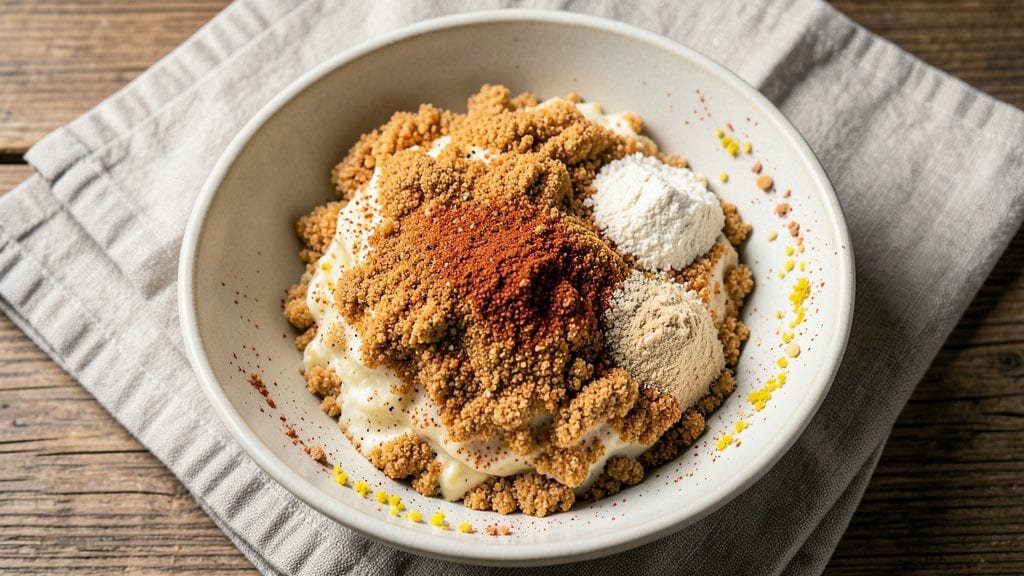
Master Andy’s fish breading copycat recipe at home for that same legendary crispy, golden crunch without the hidden secrets. The secret lies in a precise ratio of flour, cornstarch, and spices that creates an ultra-crisp exterior while keeping the fish tender inside.
I've tested countless variations, and this method consistently delivers restaurant-quality results every time.
What sets this copycat recipe apart is the two-step breading process—first dredging the fish in seasoned flour, then pressing it into a cornstarch-based coating for that signature shatteringly crisp texture.
The high-heat frying technique ensures a golden finish while maintaining moisture in the fish. This isn't just a breading; it's a game-changer for home cooks.
By following these exact steps, you'll achieve perfectly golden, crispy fish that holds its shape and delivers that satisfying crunch with every bite. The flavor profile matches Andy's signature taste—savory, slightly spicy, and impossible to resist.
Whether you're serving it as an appetizer or a main course, this recipe will become your go-to for fried fish nights.
Pair it with classic sides like tartar sauce, lemon wedges, or a fresh salad to complete the meal. The beauty of this recipe is its versatility—it works equally well with cod, tilapia, or even shrimp. Let's get started on achieving that perfect crunch at home.
Ingredients for andy's fish breading copycat
The precise ratio of flour, cornstarch, and spices delivers that legendary Andy's crispy crunch at home.
| Ingredient | Amount | Notes |
|---|---|---|
| White All-Purpose Flour 🌾 | 1 ½ cups | Sifted for even coating |
| Cornstarch 🌾 | 1 cup | Key for crispiness |
| Granulated Garlic Powder 🧄 | 1 tbsp | Freshly ground preferred |
| Onion Powder 🧅 | 1 tbsp | Fine grind for even distribution |
| Paprika 🌶️ | 1 tbsp | Smoked variety for depth |
| Ground Black Pepper 🌶️ | ½ tsp | Freshly cracked preferred |
| Salt 🧂 | 1 tsp | Kosher or sea salt |
| Cayenne Pepper 🔥 | ¼ tsp | Adjust for heat preference |
| Vegetable Oil 🫒 | 2 cups | High smoke point for frying |
| White Fish Fillets 🐟 | 1 ½ lb | Cod or tilapia preferred |
| Lemon Wedges 🍋 | 2 whole | For serving |
| Tartar Sauce 🥫 | ½ cup | For dipping |
The two-step breading process is non-negotiable for that signature texture. Bob's Red Mill all-purpose flour and cornstarch are my go-tos—they're finely milled and consistent. For the spices, Penzeys or the bulk bins at Whole Foods ensure maximum freshness. The fish fillets should be uniform in thickness—pound them to about 1/4-inch if needed. Cod and tilapia hold up best, but shrimp works too if you pat it completely dry first. The vegetable oil should be neutral; Crisco or Avocado oil are excellent choices for high-heat frying.
No cornstarch? Arrowroot powder works in a 1:1 swap, though the texture will be slightly less crisp. Short on paprika? Smoked paprika plus a pinch of cayenne mimics that signature Andy's kick. The spices should be finely ground—if you're using whole spices, pulse them in a coffee grinder for a moment. For the fish, frozen is fine, but thaw it completely and pat it very dry with paper towels before breading. That step alone makes a huge difference in crispiness. If you're serving this as an appetizer, cut the fillets into smaller portions for easy handling.
Prep the breading station ahead of time—two shallow dishes (one for flour mix, one for cornstarch mix) and a plate for dredging. The fried fish stays crispy for about 10 minutes at room temperature, so serve immediately. For leftovers, store in an airtight container in the fridge for up to 2 days, but reheating will sacrifice some of that crispiness. The tartar sauce and lemon wedges should be made fresh—store-bought sauce lacks the bright, tangy contrast that makes this dish shine.
Why You'll Love This Recipe
- No-Fuss Pantry Mix: I keep a bag of this blend ready—just flour, cornstarch, and those three spices. When cravings hit, I dump it on, dredge, and fry without hunting for fresh herbs or measuring spices. The cornstarch? That’s the secret to the perfect crunch without the mess of double-dipping.
- Crispy Yet Tender: Honestly, the garlic powder and onion powder punch way harder than they look. You get that golden, shatter-crisp exterior with a soft inside—no soggy bits, no bland aftertaste. My kids still lick their fingers after, and that’s saying something.
- Tailgate or Taco Night: This isn’t just for fish fillets. I’ve used it on chicken tenders for game day, breaded shrimp for tacos, and even thick-cut pork chops when I’m lazy. The paprika gives it a subtle smokiness that works everywhere, and it freezes like a dream for last-minute meals.
- Budget Crunch Saver: A single batch costs me pennies and stretches for weeks. I portion it into sandwich bags—no waste, no expired spices—and it’s cheaper than pre-mixed seasonings. Plus, the cornstarch cuts down on oil splatter, so less mess means less money down the drain.
Step-by-step instructions for Andy's fish breading copycat recipe
This method delivers that signature Andy's golden crunch without the mystery ingredients.
Prepare the Breading Mixture
In a large bowl, combine the 1.5 cups white all-purpose flour, 1 cup cornstarch, 1 tablespoon granulated garlic powder, 1 tablespoon onion powder, 1 tablespoon paprika, ½ teaspoon ground black pepper, 1 teaspoon salt, and ¼ teaspoon cayenne pepper. Use a whisk to blend thoroughly until no dry spots remain. The cornstarch is crucial here—it creates that signature crispy texture that sets this apart from ordinary fried fish.
I like to sift the flour and cornstarch together first, then add the dry seasonings. This ensures an even distribution of the spices throughout the breading. The mixture should look like fine, powdery sand when complete. If you notice any lumps, press them through a fine-mesh sieve to maintain consistency.
Pat and Season the Fish Fillets
Pat the 1.5 lb white fish fillets completely dry with paper towels—this step cannot be skipped. Any moisture left on the fish will prevent the breading from adhering properly and will cause the coating to steam instead of crisp. Work quickly to avoid drying out the delicate fish.
Season both sides of each fillet lightly with salt and pepper. I press down gently with my fingers to ensure the seasoning sticks. This initial seasoning enhances flavor before the breading goes on. Arrange the fillets on a clean work surface or plate, ready for the breading process.
Bread the Fish for Maximum Crispiness
Working with one fillet at a time, press it firmly into the breading mixture, coating both sides completely. The pressure helps the breading adhere tightly to the fish. Place the breaded fillet on a wire rack set over a baking sheet—this allows air to circulate underneath, preventing sogginess. Repeat with all fillets, working in batches if needed to avoid overcrowding.
Let the breaded fillets rest for 5 minutes before frying. This brief rest allows the breading to adhere more securely to the fish. If you skip this step, the coating may fall off during frying. Keep the fillets on the wire rack during this time to maintain that all-important crispness.
Fry to Golden Perfection
Heat 2 cups vegetable oil in a deep skillet or Dutch oven to 350°F. Use a thermometer to monitor the oil temperature—this is critical for achieving that signature Andy's crunch. Once the oil reaches temperature, carefully add the breaded fillets in a single layer. They should sizzle immediately upon contact with the hot oil.
Fry for 3 to 4 minutes per side, or until the breading turns a deep golden brown color. The fish should be opaque throughout with no translucent areas remaining. If the breading browns too quickly, reduce the heat slightly to 325°F to prevent burning. Use a slotted spoon to transfer the fried fish to a paper towel-lined plate to drain excess oil.
Serve Immediately with Classic Accompaniments
Serve the crispy fish fillets immediately with the 2 whole lemon wedges and ½ cup tartar sauce on the side. The lemon provides a bright contrast to the rich, crispy fish, while the tartar sauce adds a creamy, tangy element that complements the breading perfectly. Each piece should maintain its crunch even when picked up—this is your indication of success.
For best results, serve while the fish is still hot. The breading will continue to crisp slightly as it cools, but serving immediately ensures maximum crunch and flavor. Enjoy with a side of coleslaw or a fresh salad to complete the meal.
Pro Tips For Making Andy'S Fish Breading Copycat
- SIFT THE FLOUR MIX: Mix the flour, cornstarch, and spices in a shallow dish—don’t pack it down. I used to mound it like a volcano, and the breading just clumped. Spread it out thin so every piece of fish gets even coverage without wrestling with globs.
- WARM THE OIL FIRST: Heat your oil to 350°F (175°C) before frying—no exceptions. Cold oil means soggy breading, and hot oil burns fast. A deep-fry thermometer is worth the $10; I learned this after frying three batches that came out either greasy or burnt.
- PAT DRY THE FISH: Press paper towels into the fish fillets until they’re bone-dry—no mercy. Wet skin = steam = breading that slides off. I was skeptical until I tried it; the difference is night and day for crispiness.
- REST THE BREADING: Let the breaded fish sit for 10 minutes before frying. Sounds weird, but it works: the spices stick better, and you won’t have breading flying off when it hits the oil. (Yes, even if you’re impatient like me.)
Essential equipment for andy's fish breading copycat
Deep Fryer Essentials
For that signature Andy's crunch, a deep fryer is my top recommendation—it maintains consistent 350°F oil temperature automatically. I use the Presto 02610 3-in-1 Fryer because it holds 2 quarts of oil (enough for 4 fillets) and has a built-in thermostat.
If you don’t have one, a heavy-duty Dutch oven (like All-Clad Stainless) works just as well with a candy thermometer for precision. 🔥
Thermometer Precision
Never guess the oil temperature—instant-read thermometers are non-negotiable. The ThermoWorks Thermapen One reads temps in 1 second and is dishwasher-safe. For budget-friendly options, the OxiSafe OXO gives accurate readings without breaking the bank. Maintain 350°F for golden perfection; any lower, and the breading turns greasy, while higher risks burning.
Breading Station Setup
Two shallow glass or ceramic dishes (like Pyrex 8x8 baking dishes) are perfect for the flour and cornstarch mixtures. Place them on a wire rack over a baking sheet to catch any stray crumbs.
I also keep a small plate nearby for pressing breaded fillets—this prevents sticking. A fine-mesh sieve (like OXO Good Grips) helps sift the flour-cornstarch blend for a lump-free coating.
Oil Selection Matters
Use high-smoke-point oils like Crisco shortening (smokes at 450°F) or avocado oil (smokes at 520°F) for that Andy’s-style crunch. Avoid olive oil—its low smoke point (375°F) causes bitterness. I buy Crisco in 2-lb tubs from the baking aisle; it’s affordable and delivers consistent results.
For a healthier twist, peanut oil (smokes at 450°F) works too and adds a subtle nutty note.
Fish Prep Tools
A sharp fillet knife (like Mercer Culinary Genesis) and cutting board are essential for prepping fish. Pat fillets dry with paper towels—I use Bounty for its absorbency. A measuring cup (like OXO Stainless Steel) ensures precise flour/cornstarch ratios.
For resting breaded fillets, a wire cooling rack (like Williams Sonoma) keeps them crispy by allowing airflow underneath.
Safety First
Always fry near a fire extinguisher (I keep a kidde F2110 in my kitchen). Use heat-resistant gloves (like Oven Mitts International) when handling hot oil or dishes. A splash guard (like Presto’s fryer lid) prevents oil spatter.
Never overfill the fryer—2 cups oil for 4 fillets is ideal. Keep a metal bowl of water nearby to smother grease fires if needed. Safety isn’t optional when frying at home. ⚡
Nutrition facts
Frequently asked questions
What type of fish works best for this Andy's-style breading?
Cod and tilapia are ideal—they're firm enough to hold the breading without falling apart. Shrimp works too if you pat it completely dry first. Avoid delicate fish like flounder, as they tend to break when breaded.
Can I bake this instead of frying for a healthier version?
Yes! Bake at 425°F for 12-15 minutes on a wire rack (no oil needed). The breading won't be as crispy, but it'll still be flavorful. For extra crunch, spray with cooking oil before baking.
Why did my breading fall off during frying?
Most likely, the fish wasn't dry enough or you skipped the 5-minute rest after breading. Always pat fillets with paper towels and let them rest—this helps the coating adhere. If using frozen fish, thaw completely first.
How do I store leftovers without losing crispiness?
Store in an airtight container for up to 2 days in the fridge. Reheat in a 350°F oven for 3-4 minutes to restore some crunch. For longer storage, freeze breaded (unfried) fillets for up to 1 month—fry directly from frozen.
What's the secret to getting that extra-crispy Andy's texture?
The cornstarch-to-flour ratio (1:1.5) and two-step breading process are key. Also, maintain 350°F oil and fry in small batches to avoid dropping the temperature. A wire rack keeps the bottom crispy too.