
Desserts
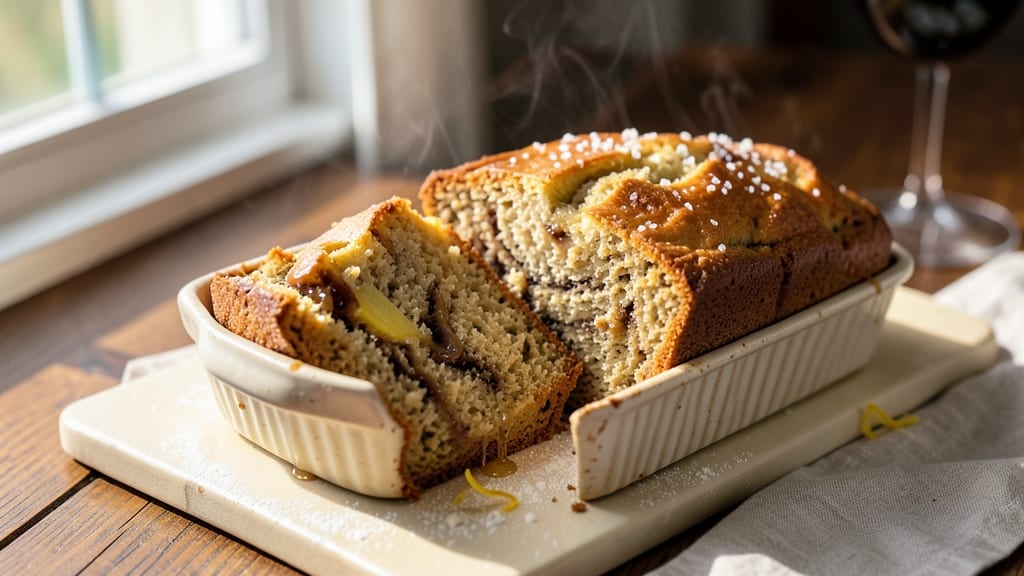
Amy Grant's grandma's banana bread recipe delivers the kind of tender, moist crumb and warm spice swirls that make every slice feel like a homemade hug. 💛 The secret lies in the foil-sealed baking method, which locks in moisture for that signature soft texture while creating a golden, crackly top. I've perfected this version after years of baking it for Sunday mornings—it's the recipe that started my love affair with banana bread.
The magic happens with ripe bananas, melted butter, and a touch of cinnamon that infuses every bite with cozy warmth. Unlike many recipes that result in dense or dry bread, this one uses a gentle folding technique to keep the crumb light and airy.
The foil wrapping ensures the bread stays moist even after cooling, making it perfect for slicing throughout the week.
What you'll end up with is banana bread that's moist and tender, with a subtle cinnamon swirl that adds visual appeal and flavor complexity. The edges develop a beautiful caramelized crust, while the interior remains soft and slightly sticky—just like Grandma used to make.
This is the kind of banana bread that disappears quickly, so expect to be asked for seconds.
Serve warm with a pat of butter or dusted with powdered sugar, and pair it with a cup of coffee or tea for the ultimate comfort food experience.
The recipe also works beautifully with optional add-ins like walnuts or chocolate chips, though purists will appreciate the classic version first. Let's get baking!
Ingredients for amy grant's grandma's banana bread
Ripe bananas, melted butter, and warm spices—simple ingredients for banana bread with Grandma's signature foil-sealed moistness.
| Ingredient | Amount | Notes |
|---|---|---|
| Ripe Bananas 🍌 | 3 medium | Black spots preferred |
| Unsalted Butter 🧈 | ½ cup | Melted, full-fat preferred |
| Granulated Sugar 🍚 | 1 cup | White or light brown |
| Light Brown Sugar 🍚 | ½ cup | Packed firmly |
| Large Eggs 🥚 | 2 whole | Room temperature |
| All-Purpose Flour 🌾 | 2 ½ cups | Sifted, spooned lightly |
| Ground Cinnamon 🌿 | 2 tsp | Freshly ground preferred |
| Baking Soda 🧂 | 1 tsp | Pure, not baking powder |
| Salt 🧂 | ½ tsp | Fine sea salt |
| Vanilla Extract 🌿 | 1 tsp | Pure vanilla preferred |
| Aluminum Foil 📄 | 1 sheet | Heavy-duty for sealing |
| Powdered Sugar 🍚 | 2 tbsp | For dusting, optional |
The bananas are everything—look for ones so ripe they're practically black (that's when they're sweetest). Trader Joe's and Whole Foods usually have perfect ones, but your local grocery store's produce section works too. The butter? Full-fat is non-negotiable—it creates that tender crumb. I always melt it in the microwave for 40 seconds, just until it's liquid but not hot. The cinnamon should be freshly ground if possible—pre-ground loses its punch fast. For the flour, King Arthur or Gold Medal brands are my go-tos—they're reliable for baking.
No ripe bananas? Use 1/4 cup banana puree (blend frozen bananas) plus 1/4 cup milk to replace them. Swap the brown sugars for white sugar plus 1 tsp molasses if needed. The vanilla extract can be imitation, but pure Madagascar bourbon vanilla makes a noticeable difference. For the foil sealing, heavy-duty foil is key—it prevents leaks and keeps the bread moist. If you're worried about overmixing, remember: this recipe relies on a gentle fold, not vigorous stirring. The powdered sugar is completely optional but adds that classic touch when dusted on warm slices.
This bread tastes even better the next day—store wrapped tightly at room temperature for 2 days or in the fridge for 5-7 days. For longer storage, freeze slices wrapped in plastic for up to 3 months. I always bake two loaves—one for the family, one to freeze in individual slices for quick breakfast treats. The foil-sealed method means you can even reheat slices straight from the fridge in the microwave for 15 seconds to restore that warm, gooey texture.
Why You'll Love This Recipe
- No Mash Needed: I swear by this trick—just toss those overripe bananas straight into the bowl with the wet ingredients. No food processor, no sticky fingers, just a quick smash with a fork. That brown sugar and butter combo? It melts into the bananas like magic, turning everything into a velvety batter in minutes.
- Sweet Spot Balance: The secret’s in that 50/50 sugar split—granulated for crisp edges, brown sugar for that deep, caramel-like chew. Add in those ripe bananas? Pure natural sweetness that cuts through the richness. It’s the kind of bread that tastes homemade without tasting overly sweet—just right, every single time.
- Breakfast or Snack: Slice it warm for a lazy morning treat or pack it for lunch—it’s that good. Honestly, I’ve even served it at brunch with a dollop of cream cheese. The texture holds up perfectly, whether you’re eating it straight from the oven or pulling it from the fridge days later.
- Pantry Staple Magic: You’re probably already stocked for this—bananas you’d otherwise toss, butter you’d use anyway, sugar you’ve got in jars. It costs pennies to make and keeps for a week, so you’re basically printing money in deliciousness. Plus, the leftovers? They get better with time, like a slow-sweetening reward.
Step-by-step instructions for amy Grant's Grandma's banana bread
Here's the method that delivers legendary moistness and warm spice swirls every time.
👨🍳 Step 1: Mash the Bananas and Mix Wet Ingredients
In a large mixing bowl, mash the 3 medium ripe bananas with a fork until completely smooth—no lumps allowed. The spots should be fully integrated for even flavor distribution. Add the 0.5 cup melted unsalted butter and mix until combined. The butter should be fully incorporated, creating a smooth base.
In a separate small bowl, whisk together the 1 cup granulated sugar, 0.5 cup packed light brown sugar, and 2 whole large eggs at room temperature. Add this mixture to the banana-butter combination and stir vigorously for 1 minute. The batter should begin to thicken slightly as the sugars dissolve completely. Stir in the 1 teaspoon vanilla extract last, mixing just until incorporated.
👨🍳 Step 2: Combine Dry Ingredients and Create the Swirl
In a medium bowl, sift together the 2.5 cups all-purpose flour, 2 teaspoons ground cinnamon, 1 teaspoon baking soda, and 0.5 teaspoon salt. Gently fold these dry ingredients into the wet mixture using a spatula, mixing just until combined. Overmixing develops gluten and makes the bread dense—stop when you still see a few flour streaks.
Here's the secret to those signature swirls: In a small bowl, mix 1 teaspoon cinnamon with 2 tablespoons granulated sugar to create your spice swirl mixture. Pour half of the batter into a greased 9x5-inch loaf pan, then sprinkle half of the spice mixture evenly over the top. Add the remaining batter, then sprinkle the remaining spice mixture. Use the spatula to gently swirl the spices into the batter in a circular motion.
🔥 Step 3: Bake with Foil Seal for Maximum Moisture
Preheat your oven to 350°F and bake the banana bread for 50-55 minutes. The top should be golden brown and a toothpick inserted in the center should come out clean. Here's the Grandma trick: After 30 minutes, cover the loaf pan tightly with the aluminum foil to trap steam and prevent the top from drying out.
This foil sealing is what creates that signature moist texture. The bread is done when the top springs back when gently pressed and the internal temperature reaches 205°F. If the top browns too quickly before the center is done, tent with additional foil to prevent over-browning while maintaining moisture.
⏰ Step 4: Rest and Dust for Perfect Slices
Remove the banana bread from the oven and let it cool in the pan for 10 minutes. This resting period allows the loaf to set slightly and makes slicing easier. Transfer to a wire rack to cool completely, about 1 hour. The bread should have a beautiful golden-brown crust with those warm cinnamon-sugar swirls visible throughout.
Before serving, dust the top with the 2 tablespoons powdered sugar using a fine-mesh sieve for that classic Grandma presentation. Each slice should be moist, tender, and packed with banana flavor, with those cinnamon-sugar swirls adding just the right amount of warmth and texture contrast.
Pro Tips For Making Amy Grant'S Grandma'S Banana Bread
- Mash Bananas Thoroughly: I learned this the hard way—lumpy banana bread is a crime. Use a fork first to break them up, then switch to a hand mixer for 30 seconds. No visible specks means you’ve done it right.
- Don’t Overmix the Batter: After burning three batches, I finally figured out the recipe relies on a gentle fold. Mix just until the flour disappears—overdoing it makes the bread dense. Stop when it looks like thick pancake batter.
- Use Room-Temp Butter: Cold butter from the fridge creates pockets that won’t melt evenly. Let it sit for 20 minutes before creaming—it blends smoother and ensures that tender crumb Grandma’s recipe promises.
- Check Doneness with a Toothpick: The recipe might say "golden brown," but that’s not always accurate. Insert a toothpick: it should come out with moist crumbs, not wet batter. If it’s sticky, tent with foil and bake 5 more minutes.
Common mistakes when making your amy grant's grandma's banana bread
Overmixing the Batter
This is the #1 mistake that turns fluffy banana bread into dense cake. Once you fold in the dry ingredients, stop mixing when you still see a few flour streaks—overmixing develops gluten, which makes the crumb tough.
I've ruined many batches by "just stirring a little more," but trust me, the bread will thank you for gentle handling. 💛
Skipping the Foil Seal
The foil sealing after 30 minutes is what creates that signature moist texture Grandma was famous for. Without it, your bread will dry out, especially in the center.
I once baked a loaf without foil and ended up with a dry, crumbly result—don't make my mistake! Use heavy-duty foil to prevent leaks and maintain even moisture.
Using Unripe Bananas
Ripe bananas with black spots are non-negotiable—they're sweeter and more flavorful. I've tried using slightly green bananas, and while the bread still bakes, it lacks that rich banana flavor. If you're stuck with unripe bananas, blend them with a splash of milk to compensate for the lack of natural sweetness.
Incorrect Oven Temperature
Baking at too high a temperature (like 375°F) will cause the top to brown too quickly before the center is done, while too low (below 350°F) can result in a gummy texture. I recommend using an oven thermometer to verify your oven's accuracy—many ovens run hot or cold.
The ideal temperature is 350°F, and the bread is done when it reaches 205°F internal temperature.
Greasing the Pan Improperly
If you don't grease the pan thoroughly or use butter instead of oil, the bread can stick and tear when removing it.
I like to use a mix of melted butter and flour to coat the pan—just rub a pastry brush with butter, then dip it in flour to create a light, even coating. This ensures easy release and a clean bottom crust.
Not Letting It Rest
Rushing to slice the bread immediately after baking can result in messy, crumbly pieces. Let the loaf cool in the pan for 10 minutes, then transfer to a wire rack to cool completely.
This resting period allows the loaf to set properly, making it easier to slice and serve. Patience here is key for clean, even slices! ⏰
Nutrition facts
Frequently asked questions
Can I substitute eggs in this recipe?
Yes, but the texture may change slightly. For a 1:1 replacement, use 2 tablespoons ground flaxseed mixed with 6 tablespoons water per egg (let it sit for 5 minutes to thicken). Or try 2 tablespoons applesauce for each egg, though the bread may be denser. The eggs add structure and moisture, so avoid substitutions if you're new to baking.
How do I tell if my bananas are ripe enough?
Look for bananas with mostly black spots on the peel and a slightly soft texture when gently squeezed. The riper they are, the sweeter and more flavorful your bread will be. If your bananas are firm with minimal spots, place them in a paper bag with an apple overnight—the ethylene gas will help ripen them faster.
Can I make this recipe without a loaf pan?
You can bake this in a 9-inch round cake pan or even a 7x3.5-inch mini loaf pan (adjust baking time by 10-15 minutes). For a cake pan, reduce the oven temperature to 325°F and bake for 40-45 minutes with foil after 25 minutes. The swirls will still work beautifully in any shape!
Why does my banana bread turn out dry?
Dry banana bread usually means one of three things: overbaking, skipping the foil seal, or using unripe bananas. Always check with a toothpick at 50 minutes—it should come out with a few moist crumbs. The foil sealing after 30 minutes is crucial for moisture retention. For extra juiciness, brush the top with 1 tablespoon melted butter before baking.
What's the best way to reheat stale banana bread?
Wrap a slice in a damp paper towel and microwave for 10-15 seconds to restore moisture. For oven reheating, wrap the whole loaf in foil and warm at 300°F for 10 minutes. The foil-sealed method means your bread stays fresh longer, but this trick works wonders for reviving slices that have lost their softness.