
Side Dishes
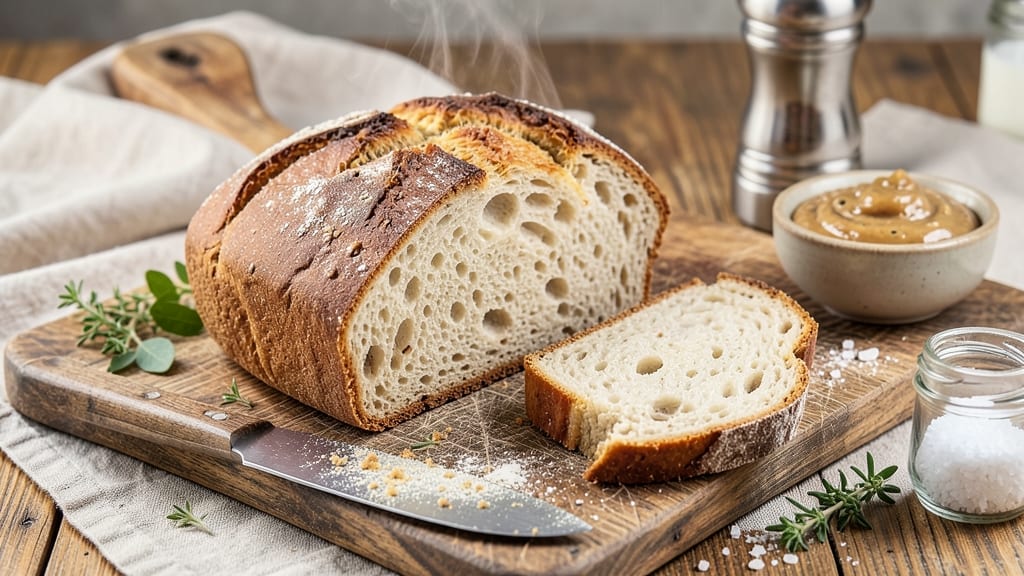
This Amish friendship sourdough bread recipe brings the warmth of community baking to your kitchen with its rustic charm and sweet onion swirls. 🌾 The tradition of sharing dough with neighbors makes it more than just bread—it's a symbol of connection.
Unlike commercial yeast, this recipe relies on a natural sourdough starter, fermented slowly for deep flavor and a signature crackly crust.
What sets this loaf apart is the long fermentation process, which develops complex flavors and a tender crumb. The dough is carefully shaped into a round form with a cross slit, allowing it to expand beautifully in the oven.
Sweet onions baked into the center add a subtle sweetness that pairs perfectly with the bread's rustic texture.
By the time it emerges from the oven, you'll have a golden-brown loaf with a crisp exterior and a moist, flavorful interior. The aroma alone will fill your home, inviting everyone to gather around the table.
This bread is perfect for serving with butter, jam, or alongside soups—it's the kind of dish that makes any meal feel special.
The beauty of this recipe lies in its simplicity and tradition. Whether you're baking for family, friends, or simply treating yourself, the process is rewarding and the results unforgettable. Let's get started on creating this timeless loaf that carries the spirit of friendship with every bite.
Ingredients for amish friendship sourdough bread
Six ingredients transform into a loaf steeped in tradition and sweet onion warmth.
| Ingredient | Amount | Notes |
|---|---|---|
| Active Sourdough Starter 🍞 | 1 cup | Unfed, bubbly starter (100% hydration) |
| All-Purpose Flour 🌾 | 5 cups | White flour, bread flour preferred |
| Whole Wheat Flour 🌾 | 1 cup | For rustic texture and flavor |
| Granulated Sugar 🍚 | ¼ cup | Brown sugar for deeper sweetness |
| Instant Yeast 🍞 | ¼ tsp | Optional, for faster rise |
| Salt 🧂 | 1 ½ tsp | Diamond Crystal preferred |
| Warm Water 💧 | 2 ½ cups | 105-110°F for ideal hydration |
| Sweet Onions 🧅 | 1 whole | Yellow or Vidalia, thinly sliced |
| Unsalted Butter 🧈 | ¼ cup | Cold, cubed for swirl |
| Cornmeal 🌽 | ¼ cup | For dusting dough |
| Coarse Sea Salt 🧂 | 1 tbsp | For sprinkling crust |
| Sesame Seeds 🌿 | 1 tbsp | Optional for topping |
The sourdough starter is the heart of this recipe. If you're new to sourdough, King Arthur or Bob's Red Mill starters are reliable, but a homemade one adds soul. Look for a starter that's bubbly and active—it should float in water. For the flours, King Arthur Bread Flour gives that signature chew, but all-purpose works too. The onions? Vidalia or yellow sweet onions caramelize beautifully, but yellow onions in a pinch work fine. Store-bought pre-sliced onions won't hold up—slice them yourself for the best texture.
No sourdough starter? Instant yeast at half the amount speeds things up, though it won't have the same depth. Swap whole wheat flour for spelt flour if you're avoiding gluten. Running out of butter? Olive oil or coconut oil keeps the swirl moist. For the onions, red onions add color but lack sweetness. The sugar can be honey or maple syrup for variation, but brown sugar gives that classic Amish touch. If your dough feels sticky, add 1 more tablespoon of flour—it should be soft but manageable.
The dough keeps for 3 days in the fridge, covered tightly. For longer storage, freeze shaped loaves wrapped in plastic for up to 3 months. The onions in the center stay tender if you bake the bread just until golden—overbaking dries them out. This bread tastes even better the next day, so make a double batch and share with neighbors like the Amish tradition. Leftovers? Toast them for crispy, flavorful slices that reheat beautifully.
Why You'll Love This Recipe
- No-Fuss Dough: I swear by the whole wheat flour here—it keeps the texture light but hearty, and the starter does all the heavy lifting. Just mix, knead once, let it rise, and you’re done. No fancy techniques, no stress.
- Sweet & Tangy Balance: That touch of granulated sugar isn’t just for sweetness—it deepens the sourdough’s funk while keeping it approachable. Honestly, the combo of whole wheat’s nuttiness and the starter’s tang makes every bite ridiculously satisfying.
- Weeknight & Holiday Star: Between us, this bread is my go-to for sandwiches, toast, or even a quick charcuterie board. And yes, even on a Tuesday night. But it also holds its own at gatherings—just slice it thick for a rustic touch.
- Budget-Friendly Stretch: I make a double batch and freeze half. The whole wheat flour cuts costs, and the starter means no expensive yeast packets. Plus, it reheats like a dream—warm, crusty, and ready to go.
Step-by-step instructions for Amish friendship sourdough bread
Here's how to craft this iconic loaf with golden crust and sweet onion swirls.
👨🍳 Step 1: Prepare the Sweet Onion Swirl
Peel and thinly slice the whole sweet onion into rings about ⅛-inch thick. I use a sharp mandoline for even slices, but a steady hand with a chef's knife works too. In a small saucepan, melt the ¼ cup unsalted butter over low heat and add the onion slices. Cook for 8-10 minutes until tender but not browned—you want them caramelized but still holding shape. Remove from heat and let cool completely before using. This prevents steam from weakening your dough structure later.
Here's the thing—don't skip this step. The onions need to be fully cooked and cooled to integrate properly into the dough without making it gummy. I like to spread them on parchment paper as they cool to speed up the process.
👨🍳 Step 2: Mix the Dough and Incorporate Swirl
In a large mixing bowl, combine the 1 cup active sourdough starter, 5 cups all-purpose flour, 1 cup whole wheat flour, ¼ cup granulated sugar, ½ teaspoon instant yeast, and 1½ teaspoons salt. Warm the 2½ cups warm water to 105-110°F (it should feel like bathwater) and gradually add it to the dry ingredients while mixing with a wooden spoon. The dough will be sticky—this is normal with the high hydration from the starter.
Once combined, transfer the dough to a lightly floured surface and knead gently for 2-3 minutes just until the ingredients come together. Don't overwork it—the whole wheat flour makes the dough more fragile. Create a well in the center and press in the cooled onion swirl, then fold the dough over it to encase completely. This creates those beautiful swirls when sliced.
⏰ Step 3: First Rise and Shaping
Lightly oil a large mixing bowl and place the dough inside, seam-side up. Cover with plastic wrap and let rise at room temperature for 1-2 hours until nearly doubled in size. You'll know it's ready when the dough springs back slowly when poked with a finger—it should leave a slight indent but not bounce back immediately.
After rising, turn the dough out onto a lightly floured surface and gently shape it into a 12x6-inch rectangle. I like to use a bench scraper to create clean edges. Fold the dough in thirds like a letter, then roll it up tightly from the short end to form a log. This creates those classic Amish swirls when sliced. Place the log seam-side down in a greased 9x5-inch loaf pan.
🔥 Step 4: Second Rise and Baking
Cover the pan with a damp towel and let the dough rise for another 30-45 minutes until it's puffy and just about to overflow the pan. Preheat your oven to 375°F with a Dutch oven inside for 30 minutes—this creates steam for that perfect crust. Remove the Dutch oven and carefully transfer the loaf pan inside.
Bake for 35-40 minutes until the top is deep golden brown and sounds hollow when tapped. I like to sprinkle the 1 tablespoon coarse sea salt and 1 tablespoon sesame seeds on top during the last 5 minutes of baking for extra flavor and texture. The internal temperature should reach 190-200°F when checked with an instant-read thermometer.
⏰ Step 5: Cool and Serve
Remove the bread from the pan and let it cool on a wire rack for at least 1 hour before slicing. This resting period allows the crumb to set properly and prevents a gummy texture. The bread will be warm to the touch but firm enough to handle. Here's where it gets fun—slice the loaf diagonally to reveal those beautiful onion swirls throughout.
For the best experience, serve this bread warm with butter or jam. The crust should be crisp and golden, the crumb tender with pockets of sweet onion flavor, and the aroma should fill your kitchen with that classic Amish bakery scent. Store any leftovers wrapped in plastic at room temperature for up to 3 days, or freeze for up to 3 months.
Pro Tips For Making Amish Friendship Sourdough Bread
- Use a Scale, Not Cups: The Amish recipe often calls for whole wheat flour, and that stuff packs differently than all-purpose. I learned this the hard way—my first loaves were dense because I eyeballed the measurements. Weigh your flours in grams for consistency, especially when mixing the two types. A 1:1 ratio by weight works best here.
- Mix the Sugar In: That tiny bit of granulated sugar isn’t just for flavor—it helps the whole wheat flour relax during mixing. Add it to the starter first, let it dissolve, then mix in the flours. I used to skip this, and the dough always felt stiff and uncooperative.
- Shape Loosely, Not Tightly: Amish friendship bread has a rustic, irregular shape, and fighting that will make you miserable. Gently form the dough into a loose oval or round—don’t overhandle it. The whole wheat makes it stickier, so wet your hands and work fast. The bread will still hold together when baked.
- Bake Until Golden, Not Just Warm: The instant yeast in this recipe means the bread rises fast, but it also means it can dry out if you pull it out too soon. Bake until the crust is deep golden brown—even if the internal temp reads 190°F (200°F is better). I’ve had loaves that looked done but tasted gummy because I rushed them.
Wine and beer pairings for this recipe
Sweet Wine Pairings
This rustic sourdough's tangy, slightly sweet profile pairs beautifully with dry Riesling from Germany or Austria. The crisp acidity cuts through the bread's richness while complementing the caramelized onions.
I reach for a Keller Riesling—its mineral notes and subtle sweetness make it a perfect match for the bread's crusty exterior and tender crumb. 🍷
Malty Beer Choices
A wheat beer like Blue Moon or Weihenstephaner Hefeweissbier enhances the bread's sweet onion swirls with its banana and clove notes. The beer's effervescence also cleanses the palate between bites. For something stronger, try a honey ale—the natural sweetness mirrors the bread's caramelized onions beautifully.
Coffee Pairing
Skip the alcohol and enjoy this bread with a medium-roast coffee brewed with French roast beans. The bread's tangy sourdough flavor and sweet onions create a perfect balance with coffee's bitterness. I like to add a splash of heavy cream to my coffee to complement the bread's buttery richness.
Fruit Accompaniments
Pair your bread with fig jam or blackberry preserves for a sweet contrast to the sourdough's tang. The fruit's acidity enhances the bread's flavor, while the sweetness balances the onions. For a lighter option, try sliced apples with a sprinkle of cinnamon—it's a classic combination that feels nostalgic and comforting.
Creamy Cheese Pairings
Spread sharp cheddar or brie on warm slices for a decadent treat. The cheese's creaminess contrasts perfectly with the bread's crusty exterior and tender crumb. I also love pairing this bread with goat cheese—its tangy flavor complements the sourdough beautifully. 🧀
Seasonal Variations
In summer, pair this bread with peach slices and a drizzle of honey. During the holidays, try it with spiced apple butter and a sprinkle of cinnamon. These seasonal pairings highlight the bread's versatility and make it perfect for any gathering.
Nutrition facts
Frequently asked questions
Why is this called "friendship" sourdough bread?
The name reflects the Amish tradition of sharing dough with neighbors as a gesture of community and friendship. Originally, families would bake a large loaf and divide it among friends, symbolizing trust and connection. This recipe keeps that spirit alive by creating a loaf meant to be shared.
Can I make this bread without a sourdough starter?
Yes! Use ½ teaspoon instant yeast instead of the starter to speed up fermentation. The flavor won't be identical, but you'll still get a delicious loaf with the sweet onion swirls. For best results, let the dough rise 10-15 minutes longer than the recipe suggests.
How do I know when the dough is properly risen?
Gently press your finger into the dough—it should leave a slight indent but not bounce back immediately. The dough should also feel light and airy, with visible bubbles. For a loaf pan, it should nearly fill the pan but not overflow before baking.
What if my bread turns out too dense?
Over-kneading or underproofing usually causes dense bread. Try kneading for just 2-3 minutes and letting it rise until it's nearly doubled in size. Also, ensure your oven reaches 375°F—a cooler oven can lead to uneven baking. The Dutch oven helps create steam for a better rise.
Can I make this bread in a different shape?
Skip the loaf pan and shape the dough into a round boule or batard. For a boule, gather the dough into a ball with the seam side down, then place it in a banneton or bowl lined with a floured towel. Bake on a preheated baking sheet for a rustic look.