
Side Dishes
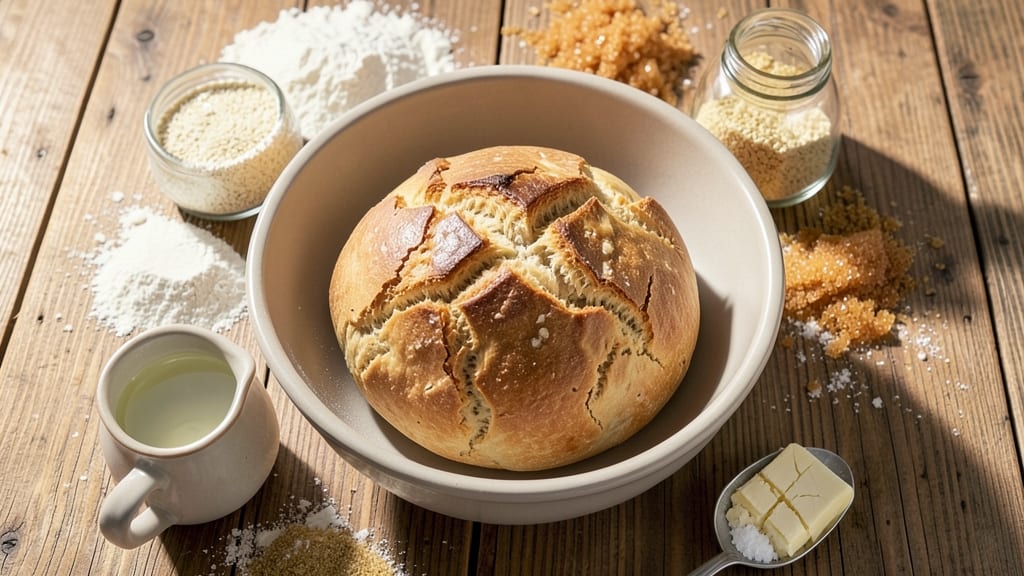
This Amish country bread recipe delivers the perfect balance of a crispy, golden crust and a soft, pull-apart interior—just like the bread you'd find in a Pennsylvania farmhouse kitchen.
The secret lies in a simple, time-honored method that relies on just a few key ingredients and patience, allowing the dough to develop its signature texture through proper kneading and proofing.
I've baked this bread countless times, and it never fails to impress with its rustic charm and comforting aroma that fills the house as it bakes.
The recipe starts with a basic dough of flour, yeast, water, and a touch of sugar to feed the yeast, but the magic happens in the kneading and proofing stages.
Unlike commercial breads, this version requires hands-on attention—kneading until the dough becomes smooth and elastic, then letting it rise slowly to develop those air pockets that create the signature pull-apart texture.
The result is a loaf with a crispy crust that shatters slightly when broken, revealing a tender, fluffy interior that's perfect for soaking up soups or slathering with butter.
Baking at 375°F for 30–40 minutes ensures a golden-brown exterior without burning, while scoring the top with a sharp knife just before baking adds that classic rustic touch. The bread stays fresh for days, making it ideal for meal prep or gifting.
Whether you're serving it warm with dinner or saving slices for toast the next morning, this recipe brings a taste of Amish country tradition to your table.
For an even more authentic experience, try baking it in a cast-iron skillet or Dutch oven, which mimics the wood-fired ovens often used in traditional Amish baking. The slight irregularities in shape and the deep, caramelized crust make all the difference.
Once you try this bread, you'll understand why it's a staple in Amish households—and why it deserves a place in yours.
Ingredients for amish country bread
Just nine ingredients transform into a loaf with crispy crust and pull-apart softness—like Grandma's Pennsylvania farmhouse bread.
| Ingredient | Amount | Notes |
|---|---|---|
| All-Purpose Flour 🌾 | 4 cups | White or whole wheat blend |
| Active Dry Yeast 🍞 | ¼ oz | Or 2.5 tsp (1 packet) |
| Granulated Sugar 🍚 | ½ cup | Feeds the yeast |
| Warm Water 💧 | 1 ¼ cups | 110°F, not hot |
| Unsalted Butter 🧈 | ½ cup | Cold, cubed (full-fat) |
| Salt 🧂 | 1 ½ tsp | Kosher or sea salt |
| Cornmeal 🌽 | ¼ cup | For dusting pan |
| Egg 🥚 | 1 whole | Optional for egg wash |
| Milk 🥛 | 1 tbsp | For egg wash (optional) |
The flour is your foundation—King Arthur or Gold Medal work best for that signature texture. Yeast? Fresh is ideal, but the packet stuff from Bob's Red Mill or your grocery store's bulk section works fine. Just make sure it's not expired—yeast loses its magic fast. Warm water is key: it should feel like a warm bath, not a sauna. Too hot and you'll kill the yeast. Butter adds richness, so don't skip the full-fat version—it makes all the difference in that golden crust. Salt? Measure carefully, but trust your taste—Amish bakers often eyeball it after the first rise.
No cornmeal? Semolina or all-purpose flour works in a pinch. Skipping the egg wash? Brush with melted butter instead—same crispy result. Whole wheat flour? Swap half the white flour for whole wheat, but expect a denser loaf. For a sweeter version, add 1 tbsp honey or molasses to the dough. Storing dough? Pop it in the fridge for up to 24 hours—the flavor develops even more overnight. And if you're baking in a Dutch oven? Preheat it empty for 30 minutes—it makes a world of difference for that deep, caramelized crust.
This bread stays fresh for 3-4 days wrapped in a towel, but it's even better the next day. Freeze slices for up to 3 months—just toast straight from frozen. For reheating, wrap in foil and warm at 350°F for 10 minutes. Pro tip: Score the dough with a sharp knife before baking—that's how you get those beautiful, rustic cracks. And if the crust isn't crispy enough? Bake it 5 minutes longer next time. Trust me, it's worth the wait.
Why You'll Love This Recipe
- No-Knead Magic: I swear by this—just mix the flour, yeast, and butter, let it rise overnight, and bake. The dough comes together in minutes, but the slow rise does all the work for you.
- Golden Crust Secret: That warm water and sugar combo? It creates a crust so tender yet crisp—like biting into a hug from your grandma’s kitchen. The butter keeps it rich without being heavy.
- Weeknight Wonder: Toss a loaf in the oven while you prep dinner, and it’s ready by the time you’re done. Slice it for sandwiches, toast it for breakfast, or serve it warm with soup—it’s always a hero.
- Budget-Friendly Staple: Five ingredients, zero waste. This bread lasts days in the freezer, feeds a crowd for pennies, and turns basic meals into something special. My wallet and taste buds thank me every time.
Step-by-step instructions for Amish country bread
Here's how to make this classic pull-apart loaf with a crisp crust and tender interior.
Activate the Yeast and Mix the Dough
In a large mixing bowl, combine the 1.25 cups warm water (about 110°F) with the 0.5 cup granulated sugar and 0.25 oz active dry yeast. Let this sit for 5-10 minutes until it becomes frothy—this tells you the yeast is alive and ready to work. If it doesn't bubble, your yeast might be old, and you'll need to start over.
In a separate bowl, whisk together the 4 cups all-purpose flour and 1.5 tsp salt. Make a well in the center and pour in the yeast mixture along with the 0.5 cup cold cubed butter. Mix with a wooden spoon until a shaggy dough forms, then turn it out onto a lightly floured surface. Knead for about 8-10 minutes until smooth and elastic. The dough should be slightly tacky but not sticky—add more flour if needed.
Let the Dough Rise
Shape the dough into a ball, place it in a lightly greased bowl, and cover it with a clean kitchen towel. Let it rise in a warm place for 1-2 hours, or until it has nearly doubled in size. You'll know it's ready when you poke it gently and the indentation stays put—this means the gluten has relaxed and the dough is ready for shaping.
While the dough rises, preheat your oven to 375°F. Grease a 9x5-inch loaf pan lightly with butter and sprinkle the bottom with 0.25 cup cornmeal—this creates a crispy bottom crust and prevents sticking. The cornmeal also adds that classic Amish bread texture.
Shape and Bake the Bread
Punch down the risen dough to release any air bubbles, then shape it into a loaf by folding the edges toward the center. Place it seam-side up in the prepared pan and let it rise again for 30-45 minutes until it fills the pan and looks puffy. For extra shine and flavor, brush the top with a mixture of 1 whole egg beaten with 1 tbsp milk.
Bake for 40-45 minutes until the top is deep golden brown and the internal temperature reaches 190°F. Tap the bottom of the loaf—it should sound hollow. If the top browns too quickly, tent it loosely with foil to prevent over-browning. The bread is done when it pulls away from the sides of the pan with ease.
Cool and Slice for Serving
Remove the bread from the oven and let it cool in the pan for 10 minutes, then transfer it to a wire rack to cool completely. This resting time is crucial—it allows the bread to set properly and makes slicing much easier. If you cut it too soon, the texture will be gummy instead of tender.
Once fully cooled, slice the loaf into thick pieces. The bread should have a rustic crust that's crispy yet tender, with a soft, pull-apart interior that's perfect for sandwiches or serving with butter. Store leftovers wrapped in a cloth-lined bag at room temperature for up to 3 days, or freeze slices for longer storage.
Pro Tips For Making Amish Country Bread
- Proof Until Doubled: Don’t rush the yeast—this bread’s rise is where flavor hides. Give it 1–1.5 hours in a warm spot (like a turned-off oven with a mug of hot water inside) until it puffs well above the bowl rim. I learned this the hard way after skipping the extra 20 minutes and ending up with dense, flat loaves that tasted like sad crackers.
- Cut Butter Cold: Use straight-from-the-fridge unsalted butter, cubed into pea-sized pieces. If it’s too soft, the dough gets greasy and won’t hold its shape when shaping. My grandmother swore by this, and she was right: the butter melts just enough in the oven to create that signature tender crumb without turning the bread into a gooey mess.
- Shape Loaves Tight: Press the dough into loaves with actual pressure—no half-hearted patting. The Amish version relies on a snug shape to hold its form during baking, so roll the dough into a log and tuck the ends under firmly. I was skeptical until I tried it: loose loaves spread into pancakes in the oven, and no one wants that.
- Steam the Pan: Toss a handful of ice cubes into a hot Dutch oven before adding the bread—yes, even if you’re impatient like me. The steam guarantees a crackly crust and prevents the bottom from drying out. Skip this, and you’ll get a bread that’s golden on top but gummy underneath. (Your future self will thank you.)
Regional styles of these flavors
Pennsylvania Dutch Roots
This bread traces back to the Pennsylvania Dutch communities of the 18th century, where settlers adapted European techniques using simple, locally available ingredients. The Amish avoided commercial yeast when possible, often using sourdough starters passed down through generations.
I've heard stories of families keeping their starter in a clay crock under the bed for decades—it was that precious! The recipe evolved with what they had: flour from local mills, butter from their own cows, and yeast saved from previous batches. 🌾
Ohio Amish Variations
In Ohio's Amish country, bakers often add 1 tablespoon honey or molasses to the dough for subtle sweetness, especially in loaves meant for breakfast. Another regional twist is using rye flour (about 1 cup) blended with the all-purpose flour for a denser, heartier texture.
I tried this version once and was surprised by how much richer it tasted—like a cross between bread and cake. The crust also develops a deeper caramel color from the rye's natural sugars.
Texas Hill Country Style
When Amish families migrated to Texas in the early 1900s, they adapted the recipe to local ingredients. Here, bakers often replace half the butter with lard (about ¼ cup) for a slightly crispier crust that holds up better in Texas' dry climate.
Some versions also include 1 teaspoon cinnamon and ½ teaspoon nutmeg for a subtle spiced note. I baked this version once using King Arthur's all-purpose flour and was amazed at how the lard created that perfect shatter when broken. 🧈
Traditional Dutch Oven Method
The most authentic version comes from baking in a cast-iron Dutch oven, which mimics the wood-fired ovens used in early Amish communities. Preheat your oven to 450°F with the Dutch oven inside for 30 minutes, then carefully transfer the shaped dough into the hot pan.
Bake covered for 20 minutes, then uncover and bake another 15-20 minutes until golden. This method creates an incredibly crispy bottom crust and even browning. I've found that using King Arthur's flour gives the best results with this technique.
Modern Shortcut Adaptations
For busy home cooks, many Amish families now use instant yeast (like Saf-Instant) instead of active dry yeast—just reduce the amount to 1 teaspoon and mix it directly with the flour.
Another time-saver is using a stand mixer with a dough hook to knead for 5-6 minutes instead of hand-kneading. I've tested both methods and found the texture remains excellent, though the hand-kneaded version has slightly more elasticity.
For proofing, some bakers use the oven with the light on for 10-15 minutes to create a warm environment without preheating.
Seasonal Ingredient Swaps
In summer months, many Amish bakers incorporate fresh berries (like blueberries or raspberries) into the dough for a fruity twist. For fall, I've seen recipes using applesauce (about ¼ cup) to replace some of the butter, creating a moister loaf perfect for Thanksgiving.
Winter versions often include spiced nuts (like chopped pecans or walnuts) for crunch. The key is to maintain the dough's moisture balance—never exceed ½ cup of liquid substitutions or the texture will suffer.
Nutrition facts
Frequently asked questions
Why does Amish country bread have such a crispy crust?
The crispy crust comes from three key factors: the cornmeal coating in the pan (which creates a dry surface for browning), the egg wash (which caramelizes beautifully), and baking at 375°F until the internal temperature reaches 190°F. The butter in the dough also contributes to that golden, shatterable crust. For extra crispiness, try baking in a Dutch oven!
Can I make this bread without a stand mixer?
This recipe was designed for hand-kneading. Work the dough on a lightly floured surface for 8-10 minutes until it's smooth and elastic. The extra effort develops gluten properly, giving you that signature pull-apart texture. If your arms get tired, take breaks—just don't rush it!
What's the best way to store leftover Amish country bread?
Wrap the cooled loaf in a clean kitchen towel or cloth bag to keep it soft. Store at room temperature for 3-4 days—the bread actually improves overnight! For longer storage, freeze slices wrapped in plastic for up to 3 months. To reheat, wrap slices in foil and warm at 350°F for 10 minutes.
Why did my bread turn out dense instead of soft and pull-apart?
Dense bread usually means the dough didn't rise enough. Check these common issues: yeast was old or inactive (test by dropping a pinch in warm water—it should bubble within 5 minutes), the dough wasn't kneaded long enough (aim for 8-10 minutes), or the proofing time was too short. Also ensure your oven is properly calibrated—use an oven thermometer to confirm it's at 375°F.
Can I add herbs or seeds to this recipe?
Yes! Try adding 1 tablespoon dried herbs (like rosemary or thyme) or 2 tablespoons seeds (sesame, poppy, or flax) to the dough. For best results, mix them in during the final kneading stage. Just reduce the flour by 1 tablespoon to maintain proper dough consistency. I love adding 1 teaspoon garlic powder for a savory twist!