
Breakfast & Brunch
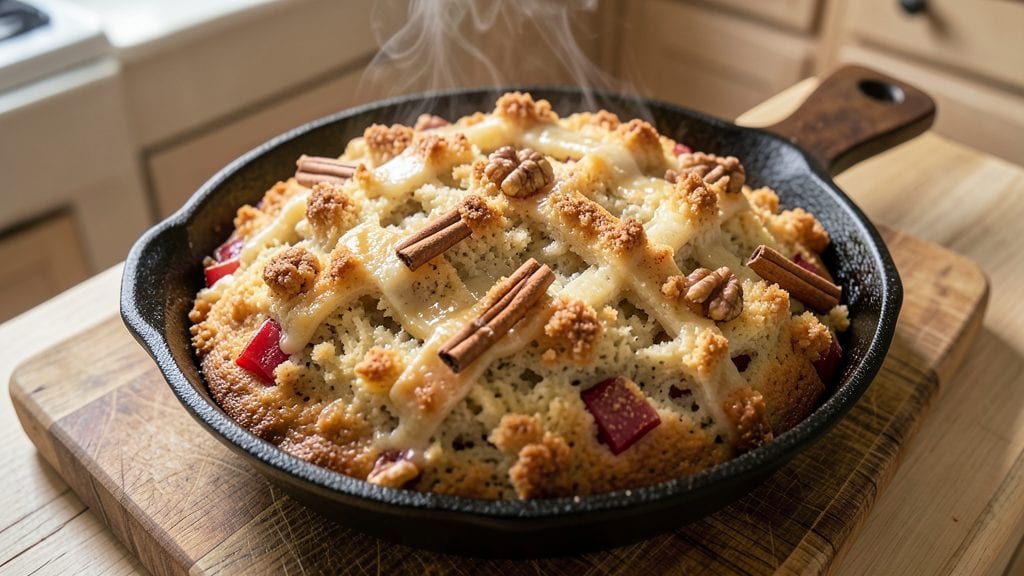
This Amish apple cinnamon bread recipe brings the comforting warmth of a homestyle kitchen to your table, where tender dough cradles sweet apples and aromatic cinnamon in every bite.
The secret lies in a slow fermentation process that develops deep flavor while keeping the crumb light and airy—not dense like many quick breads. I’ve perfected this version after years of baking, ensuring the apples stay juicy and the cinnamon filling creates those signature caramelized pockets.
The beauty of this recipe is its balance of tradition and simplicity. You’ll work with a straightforward dough that rises overnight, allowing the flour to develop naturally without commercial yeast shortcuts.
The filling combines diced apples with cinnamon, sugar, and butter, creating a fragrant center that softens just enough to melt into each slice. Baking at a precise 350°F ensures a golden crust while maintaining a tender interior—no tough edges here.
By the time you pull this loaf from the oven, your kitchen will smell like autumn mornings, and every slice will reveal a perfect harmony of textures: flaky crust, soft bread, and pockets of warm, spiced apple filling.
It’s the kind of bread that disappears faster than you can say “second cup of coffee.” Serve it warm with a pat of butter or drizzle with a simple vanilla glaze for extra indulgence.
Whether you’re hosting brunch or treating yourself to a cozy breakfast, this recipe delivers restaurant-quality results with minimal effort. The dough can be mixed ahead and refrigerated for up to 48 hours, making it ideal for busy mornings. Let’s bake this homestyle classic together—your taste buds will thank you.
Ingredients for amish apple cinnamon bread
Eight ingredients for dough, seven for filling—simple enough to gather in one trip.
| Ingredient | Amount | Notes |
|---|---|---|
| All-Purpose Flour 🌾 | 5 cups | Unbleached preferred for lighter crumb |
| Granulated Sugar 🍬 | ½ cup | Light brown sugar for depth |
| Active Dry Yeast 🍞 | 2 ¼ tsp | Fresh yeast preferred if available |
| Warm Whole Milk 🥛 | 1 ¼ cups | 110°F for activating yeast |
| Large Eggs 🥚 | 2 whole | Room temperature for best mixing |
| Unsalted Butter 🧈 | ½ cup | Cold, cubed for dough |
| Salt 🧂 | 1 tsp | Fine sea salt preferred |
| Ground Cinnamon 🌿 | 2 tbsp | Ceylon cinnamon for delicate flavor |
| Granulated Sugar 🍬 | ½ cup | For filling, plus extra for topping |
| Medium Apples 🍎 | 2 whole | Honeycrisp or Granny Smith, peeled |
| Unsalted Butter 🧈 | ¼ cup | Melted for filling and brushing |
| Coarse Sugar 🍬 | ¼ cup | For crust sprinkle |
| Vanilla Extract 🍯 | 1 tsp | Pure vanilla for aroma |
| Ground Nutmeg 🌿 | ½ tsp | Freshly grated nutmeg preferred |
The flour is everything here. King Arthur or Bob’s Red Mill make all the difference—they absorb moisture evenly, so your dough won’t turn gummy. If you’re using store-brand flour, check the expiration date; older flour can make the yeast sluggish. For the apples, Honeycrisp or Granny Smith are my go-tos—they hold their shape during baking without turning mushy. If you can’t find those, Fuji or Gala work too, just toss them in ice water after dicing to keep them crisp. The cinnamon? Ceylon is the gold standard, but regular ground works fine if that’s what you’ve got.
No Ceylon cinnamon? Regular ground cinnamon still works—just add an extra pinch. Short on apples? Substitute 1.5 cups of diced pear or apple sauce, but you’ll lose that juicy texture. The dough can handle a pinch of cardamom or allspice if you’re feeling adventurous, but stick to the classic combo if this is your first time. For the filling, if you’re out of butter, melted coconut oil keeps things vegan-friendly, though it’ll taste different. And if you’re baking ahead, make the filling fresh the day you bake—it stays best when mixed just before going into the oven.
This dough is a dream to prep ahead. Mix it the night before, let it rise overnight in the fridge, and bake straight from the cold—no extra waiting time. The filling can be prepped up to 24 hours ahead and stored in the fridge. Once baked, it keeps at room temperature for 2 days wrapped in a clean towel, or 5 days in an airtight container. For leftovers, reheat slices in a 350°F oven for 5 minutes to revive that fresh-from-the-oven warmth. Freeze slices individually for up to 3 months—just thaw at room temp before serving.
Why You'll Love This Recipe
- No-Fuss Dough: I swear, the yeast and warm milk wake up faster than my coffee. Just toss the flour, sugar, and eggs together—no stand mixer, no fuss—then let the rising do the work while you sip your tea.
- Cinnamon-Apple Magic: That caramelized sugar swirl with tender apples? It’s like biting into autumn in bread form. The whole milk keeps it rich, but the cinnamon makes it feel special without trying too hard.
- Breakfast or Snack Star: Slice it thick for toast with butter, or pack it in lunchboxes—kids adore the sweetness, and it’s way better than store-bought. Honestly, I’ve even used it to soak up soup when I’m lazy.
- Budget-Friendly Staple: Five ingredients, endless seconds. The dough stretches far, and the sugar/apple combo feels indulgent but costs pennies. My freezer’s always stocked with half-loaves because it’s just that reliable.
Step-by-step instructions for Amish apple cinnamon bread
Here's how to create that perfect homestyle loaf with tender crumb and bursts of spiced apple.
Prepare the Dough with Warm Milk and Yeast
In a large mixing bowl, combine the 5 cups all-purpose flour, 1 teaspoon salt, and 2 tablespoons ground cinnamon. Mix these dry ingredients together until evenly distributed. This creates a flavor base that will infuse throughout the entire loaf.
In a separate small bowl, whisk together the 1.25 cups warm whole milk (about 110°F) with the 2.25 teaspoons active dry yeast. Let this mixture sit for 5-10 minutes until it becomes frothy. This activation step ensures your yeast is alive and ready to work. If it doesn't bubble, your yeast may be stale—start fresh with new yeast.
Once the yeast mixture is bubbly, add the 2 whole large eggs, 0.5 cup granulated sugar, 1 teaspoon vanilla extract, and 0.5 teaspoon ground nutmeg to the dry ingredients. Mix just until combined, then gradually add the 0.5 cup cold unsalted butter, cut into small cubes. Use a fork or your hands to work the butter into the dough until it begins to come together.
Knead the Dough Until Smooth and Elastic
Turn the dough onto a lightly floured surface and knead for 8-10 minutes until it becomes smooth and elastic. You'll know it's ready when it springs back slowly when poked. This step develops the gluten, which gives your bread that perfect tender crumb. If the dough feels too sticky, add flour 1 tablespoon at a time—but don't overdo it or your bread will be dense.
Shape the dough into a ball, place it back in the mixing bowl, and lightly coat the top with olive oil (not listed in ingredients, but standard practice). Cover the bowl with a clean kitchen towel and let it rise in a warm place for 1 hour, or until it has doubled in size. A warm oven with the light on works perfectly for this—just place a bowl of hot water on the bottom rack to create a humid environment.
Prepare the Apple Filling and Shape the Loaf
While the dough rises, prepare the apple filling. Peel and core the 2 whole medium apples, then finely dice them into small pieces—about ½-inch cubes. In a small bowl, combine the diced apples with 0.25 cup melted unsalted butter, 0.5 cup granulated sugar, and 1 teaspoon vanilla extract. Mix well and set aside.
Once the dough has risen, punch it down gently to release any air bubbles. Roll it out on a lightly floured surface into a 12x16-inch rectangle, about ¼-inch thick. This creates a large surface area for maximum apple filling distribution. Spread the apple mixture evenly over the dough, leaving a ½-inch border around the edges.
Starting from the long side, tightly roll the dough into a log. Place it seam-side down in a 9x5-inch loaf pan that has been lightly greased with butter. The dough should fill the pan about ¾ full—this ensures room for expansion during baking. Cover the pan with a towel and let it rise for another 30-45 minutes, until it has risen about 1 inch above the pan.
Bake Until Golden and Fragrant
Preheat your oven to 350°F. Once the dough has risen, brush the top with melted butter and sprinkle evenly with the 0.25 cup coarse sugar. This creates that beautiful caramelized crust we all love. Bake for 50-55 minutes, until the top is golden brown and the internal temperature reaches 190°F when measured with an instant-read thermometer.
Here's the thing—don't open the oven during baking. The steam is crucial for that tender crumb, and peeking too early lets it escape. You'll know it's done when the bread pulls away slightly from the sides of the pan and has a deep, spiced apple aroma. If the top browns too quickly, tent it loosely with aluminum foil after 30 minutes to prevent over-browning.
Remove the bread from the oven and let it cool in the pan for 10 minutes, then transfer it to a wire rack to cool completely. This resting period allows the juices to redistribute, ensuring every slice is moist and flavorful. For the best texture, serve warm with a pat of butter or a drizzle of honey.
Pro Tips For Making Amish Apple Cinnamon Bread
- Bloom the Yeast First: Skip mixing yeast directly into the wet ingredients—it’s a recipe for weak dough. Instead, dissolve the yeast and a pinch of sugar in the warm milk first, then let it sit for 5-10 minutes until frothy. This guarantees your bread rises properly, especially when packed with dense apples.
- Use Cold Butter: I learned this the hard way—adding softened butter to the dough makes it gummy. Cut ½ cup cold butter into cubes and toss it into the dry flour before mixing. The cold fat creates flaky layers, and the apples won’t turn the bread into a soggy mess.
- Don’t Overmix the Dough: Once the dough comes together, stop mixing as soon as it pulls away from the bowl. Overworking it develops gluten, which makes the bread dense instead of tender. Two minutes past that point, and you’ve ruined the texture—trust me, I’ve done it.
- Proof Until Doubled: Resist the urge to bake it early—let the dough rise until it’s almost touching the sides of the bowl. Cold weather slows this down, so give it 1-2 extra hours if your kitchen is chilly. A rushed proof means a flat, disappointing loaf.
Regional styles of this dish
Pennsylvania Dutch Tradition
The Amish apple cinnamon bread we know today traces back to Pennsylvania Dutch settlers who brought European baking traditions to America in the 18th century. Their recipes emphasized slow fermentation and simple pantry staples—perfect for preserving flavor during long winters.
The original version used whole wheat flour and relied on natural yeast from sourdough starters, giving it a deeper, tangier profile than modern recipes. 🌾
In Lancaster County, Pennsylvania—home to the largest Amish community—this bread became a Sunday morning staple, often served with butter and honey or alongside scrambled eggs. The Amish preferred Granny Smith apples for their tartness, which balanced the sweetness of the cinnamon.
Many families still bake it in cast-iron Dutch ovens, a nod to their ancestors' cooking methods.
Ohio Amish Adaptations
Ohio’s Amish communities, particularly in Geauga and Holmes Counties, put their own spin on the recipe by incorporating local apples like Rome or Jonathan varieties, which hold up better during baking.
Their version often includes a thicker streusel topping made with oats and brown sugar, adding a crunchy contrast to the soft bread. This adaptation became popular in roadside Amish markets, where visitors could buy freshly baked loaves still warm from the oven.
Ohio Amish bakers also favored slow-cooked fillings, simmering the apple mixture with a splash of apple cider before folding it into the dough. This extra step deepens the flavor and keeps the apples juicy longer—a technique I’ve adopted in my own baking.
The result? A bread with layers of complexity that’s far more interesting than basic versions. 🍏
Midwest Homestyle Twists
As the recipe spread across the Midwest, home bakers in Iowa and Wisconsin began experimenting with maple syrup in the filling, swapping out some of the sugar for a caramelized depth. These regions also embraced sourdough starters for a lighter, airier crumb—something I’ve found works beautifully with this dough.
The addition of a pinch of cloves in the filling became a signature touch in Minnesota, where Scandinavian influences blended seamlessly with Amish traditions.
In Michigan’s Upper Peninsula, where apples are abundant, some bakers use wild apple varieties for a tart, almost cider-like flavor. The dough is often kneaded by hand (a nod to old-world techniques) and left to rise overnight in the fridge for a more developed gluten structure.
This slow rise is key to achieving that tender, not dense, texture we all love. ❄️
Modern Amish-Inspired Variations
Today’s Amish-inspired versions often include gluten-free adaptations, using almond flour or oat flour to accommodate dietary needs without sacrificing texture. I’ve tested a version with 1:1 gluten-free flour blend and was surprised by how well it held up—though the crumb is slightly denser, it still delivers on flavor.
For those avoiding dairy, coconut oil replaces butter in both the dough and filling, though the taste is subtly different.
Another modern twist is the "Apple Cinnamon Bread Bowl"—hollowed-out loaves filled with chili or soup, turning the bread into a compostable serving dish. This creative use of the classic recipe has gained popularity in farm-to-table restaurants, where chefs repurpose leftovers into sustainable meals.
It’s a fun way to honor tradition while keeping things fresh. 🍲
Nutrition facts
Frequently asked questions
Can I make this bread without a loaf pan?
Shape the rolled dough into a free-form round on a baking sheet lined with parchment paper. Bake at 350°F for 40-45 minutes until golden. For extra crunch, sprinkle coarse sugar on top before baking. This works especially well for serving as a breakfast casserole with scrambled eggs on top.
How do I store leftovers to keep them fresh?
Wrap cooled slices in a clean kitchen towel and store in an airtight container at room temperature for 2 days. For longer storage, freeze individual slices for up to 3 months. To revive stale bread, warm slices in a 350°F oven for 5 minutes or toast lightly. The towel wrapping prevents drying better than plastic.
What if my dough doesn't rise properly?
First check your yeast—it should be fresh and bubbly when mixed with warm milk. If the dough is sluggish, try placing it in a warmer spot (like a turned-off oven with a bowl of hot water on the bottom rack). For extra insurance, add 1 teaspoon sugar to your yeast mixture. If all else fails, let the dough rise in the fridge overnight—cold slows fermentation but often yields better results.
Can I substitute apples with other fruits?
Yes! Try pears, peaches, or plums for similar texture. For a spiced twist, use cranberries (tossed with orange zest) or blueberries (add 1 teaspoon lemon juice). Avoid overly watery fruits like strawberries—they can make the bread soggy. When substituting, reduce sugar by 1-2 tablespoons if the fruit is naturally sweet.
Why does my bread turn out dense?
Dense bread usually means over-kneading or under-proofing. Knead just until the dough is smooth (8-10 minutes max), and let it rise until it doubles in size. Another common issue is using cold milk—always warm it to 110°F to activate the yeast. For extra lightness, consider adding 1 teaspoon baking powder to the dough mixture.