
Desserts
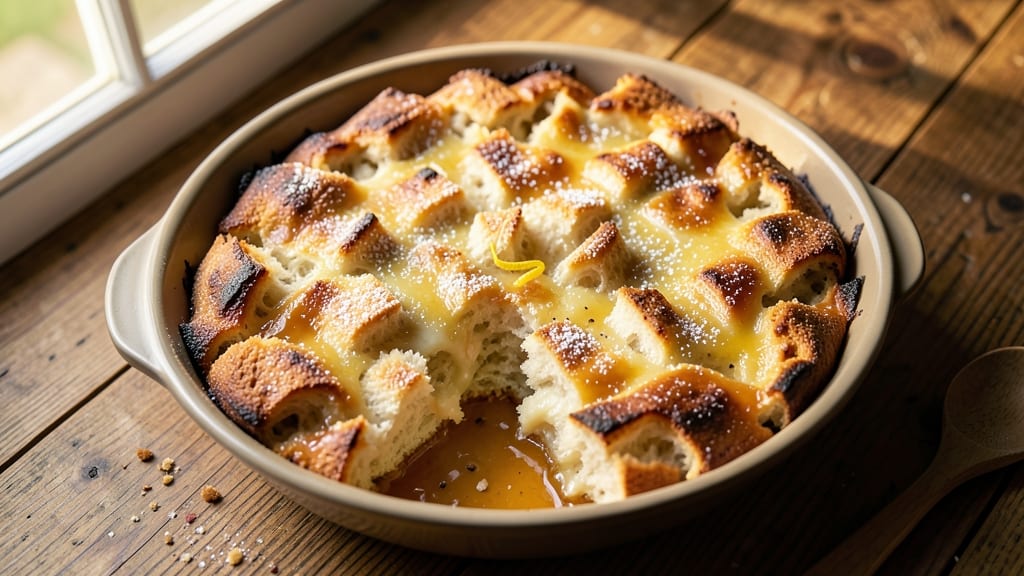
America's Test Kitchen bread pudding recipe delivers the perfect balance of a foil-sealed crispy crust and creamy custard centers—no soggy middles or burnt edges in sight. This method transforms day-old bread into a golden, caramelized masterpiece with a velvety interior that's impossible to resist. The secret lies in precise layering and baking techniques developed through rigorous testing, ensuring every bite is restaurant-quality without the fuss.
What sets this recipe apart is the foil-sealing method, which creates that coveted crispy exterior while keeping the inside tender and rich. You'll work with simple ingredients—stale bread, eggs, milk, sugar, and vanilla—but the technique transforms them into something extraordinary.
The custard mixture gets poured over cubed bread, then baked until the edges are golden and the center is just set, with a final foil seal to lock in moisture and texture.
By the time you pull this bread pudding from the oven, you'll have a dessert that's golden brown on top, with crisp edges that give way to a luscious, custardy interior.
The aroma alone will have everyone gathering in the kitchen, and the first bite delivers that perfect contrast of textures—crunchy meets creamy in every forkful. This is the kind of dessert that feels like a hug, especially when topped with a drizzle of caramel or a dollop of whipped cream.
Perfect for feeding a crowd or satisfying a late-night sweet tooth, this bread pudding scales beautifully and tastes even better the next day. The foil-sealing trick ensures it stays moist and delicious, making it ideal for meal prep or holiday gatherings.
Let's get started on creating your best bread pudding yet!
Ingredients for america's test kitchen bread pudding
Simple ingredients, extraordinary technique—this is the secret to restaurant-quality bread pudding.
| Ingredient | Amount | Notes |
|---|---|---|
| Day-Old Bread 🍞 | 12 cups | French or challah works best |
| Large Eggs 🥚 | 6 whole | Room temperature preferred |
| Whole Milk 🥛 | 3 cups | Full-fat for creaminess |
| Granulated Sugar 🍚 | 1 cup | Light or dark brown adds depth |
| Unsalted Butter 🧈 | ½ cup | Cold, cubed for best texture |
| Pure Vanilla Extract 🌿 | 1 tbsp | High-quality for best flavor |
| Salt 🧂 | ½ tsp | Diamond Crystal preferred |
| Ground Cinnamon 🌶️ | 1 tsp | Freshly ground preferred |
| Heavy Cream 🥛 | ½ cup | For final drizzle (optional) |
| Aluminum Foil 📄 | 1 sheet | Heavy-duty for sealing |
| Caramel Sauce 🍯 | ¼ cup | Store-bought or homemade |
The bread is non-negotiable here. French or challah gives the best texture, but any day-old bread works—just cube it evenly. I always grab extra from Whole Foods or the bakery section at Kroger for this recipe. The eggs should be at room temperature, so take them out 30 minutes before mixing. For the butter, Land O'Lakes or Plugrá work perfectly—just make sure it's cold when you cube it. The vanilla extract? McCormick or Goya
No vanilla extract? Vanilla bean paste works just as well, or even a splash of vanilla sugar if you're in a pinch. The milk can be swapped for half-and-half for extra richness, but full-fat milk is perfect. If you're avoiding dairy, coconut milk gives a slightly different but still delicious result. The cinnamon is optional, but I always include it—it adds warmth that pairs perfectly with the caramel. For the caramel sauce, store-bought works fine**—just avoid the overly sweet versions. If you're making your own, keep it simple with butter, sugar, and a splash of cream. This bread pudding tastes even better the next day—3-4 days in the fridge is ideal. To reheat, cover with foil and warm at 350°F for 15-20 minutes. For the foil-sealing trick, crimp the edges tightly to lock in moisture. If you're prepping ahead, assemble the pudding in a baking dish, cover with foil, and refrigerate until ready to bake. The caramel sauce can be stored in the fridge for up to 2 weeks**—just reheat it gently before drizzling. And trust me, the crispy crust is worth the extra minute of foil-sealing!
Why You'll Love This Recipe
- No Waste Magic: That stale bread? Gone. The ATK method turns it into something golden and custardy—no fancy techniques, just tear-and-soak simplicity. Honestly, I’ve used everything from sourdough crusts to day-old baguettes, and it always works.
- Caramelized Crust Promise: The secret’s in the butter—melted into the baking dish first—so every bite has that crispy, buttery edge while staying creamy inside. Between us, that’s the part I fight over with my husband.
- Breakfast to Dessert: Make it for Sunday supper, reheat slices for breakfast, or serve it warm with ice cream. The egg-milk custard base makes it adaptable—add cinnamon for a morning twist or bourbon for an after-dinner treat.
- Budget Breakthrough: Eggs, milk, bread, sugar—these are pantry staples that won’t break the bank. I’ve fed six people for under $8, and the leftovers? Even better the next day, if you can resist eating the whole pan.
Step-by-step instructions for america's test kitchen bread pudding
Here's how to achieve that perfect balance of crispy crust and creamy centers—every time.
Prepare the Bread and Mix the Custard
Tear the 12 cups day-old bread into 1-inch chunks—no need to be precise, just break it up into even-sized pieces. This texture ensures even cooking and maximum surface area for that crispy crust. Place the bread in a large bowl and set aside.
In a separate large bowl, whisk together the 6 whole large eggs, 3 cups whole milk, 1 cup granulated sugar, 1 tablespoon pure vanilla extract, ½ teaspoon salt, and 1 teaspoon ground cinnamon until fully combined. This mixture should be smooth and homogeneous—no streaks of flour or unincorporated sugar. The cinnamon will infuse the custard with warmth, while the sugar ensures just the right level of sweetness without overpowering the bread.
Combine Bread and Custard for Even Soaking
Pour the custard mixture over the bread chunks in the bowl. Use a large spoon or your hands to gently fold everything together until every piece of bread is thoroughly coated. Let the mixture sit for 10 minutes—this allows the bread to absorb the custard completely, ensuring a moist, creamy center. If the mixture seems too thick after soaking, add 1-2 tablespoons of milk to loosen it slightly. The goal is a thick but spoonable consistency that will hold its shape when baked.
While the bread soaks, preheat your oven to 350°F. Grease a 9x13-inch baking dish generously with 2 tablespoons of the unsalted butter, melting it slightly to create a nonstick barrier. This step prevents the bread pudding from sticking and ensures easy release later.
Assemble and Bake with Foil Seal
Transfer the soaked bread mixture to the prepared baking dish and spread it out evenly. Press down gently with a spatula to compact the mixture—this helps create a firmer crust. Dot the top with the remaining ½ cup unsalted butter, cutting it into small cubes and pressing them lightly into the surface. The butter will melt and create pockets of richness as it bakes.
Cover the baking dish tightly with 1 sheet of heavy-duty aluminum foil, sealing it completely to trap steam and create that signature crispy crust. Bake for 50 minutes—this is where the magic happens. The foil seal ensures the bread pudding steams gently, developing a creamy texture while the edges crisp up beautifully. Resist the urge to peek; opening the oven too early will let steam escape and compromise the texture.
Finish with Crispy Top and Creamy Drizzle
After 50 minutes, remove the foil and switch the oven to broil (high heat). Return the bread pudding to the oven and broil for 2-3 minutes until the top is deep golden brown and slightly crispy. Watch it closely—broiling can happen quickly, and you want a caramelized finish, not burnt edges. If any spots brown too quickly, cover them loosely with a small piece of foil to prevent over-browning.
Let the bread pudding rest for 10 minutes before serving—this allows the custard to set slightly and makes it easier to slice. Drizzle the top with the ½ cup heavy cream (if using) and swirl it gently with a knife. Top with the ¼ cup caramel sauce and serve warm. The contrast of the crispy edges, creamy centers, and rich caramel drizzle is what makes this bread pudding truly exceptional.
Pro Tips For Making America'S Test Kitchen Bread Pudding
- USE ROOM-TEMPERATURE EGGS: The recipe calls for eggs straight from the fridge, but I learned this the hard way—cold eggs curdle the custard faster than you can say "overcooked." Let them sit in warm water for 5 minutes before cracking, or at least take them out 10 minutes before mixing. Your pudding will thank you with a smoother texture.
- CUT BREAD INTO 1-INCH CUBES: I used to eyeball it, but that’s how you end up with uneven baking and some chunks staying doughy. Grab a serrated knife and cut the day-old bread into consistent 1-inch cubes—no smaller, no larger. This ensures even soaking and baking, so every bite is perfect, not one that’s underdone while another is crispy.
- STEAM THE DISH FIRST: This isn’t just for show—it’s the thing that matters most for that signature caramelized top. After pouring the custard into the buttered baking dish, pop it in the oven for 5 minutes at 350°F without the top rack. The steam helps the custard set gently before you broil it, so you don’t end up with a burnt crust and a gooey center.
- SKIP THE EXTRA SUGAR IN THE TOPPING: The recipe’s vanilla sugar topping is delicious, but I was skeptical until I tried it—adding an extra tablespoon of sugar to the butter-sugar mix makes the crust sticky and less crisp. Stick to the ¼ cup called for, and you’ll get that perfect golden, crackly top every time. Trust the process.
Regional styles of this dish
Southern Comfort Style
In the South, bread pudding often gets a boozy twist with bourbon or bourbon-infused caramel sauce. I love adding 2 tablespoons bourbon (like Buffalo Trace) directly to the custard mixture—it deepens the flavor and pairs perfectly with the cinnamon.
For an extra touch, top with toasted pecans and a sprinkle of powdered sugar for that classic Southern dessert vibe. 🥛
New England Classic
Up north, bread pudding leans into maple syrup and brown sugar for a caramelized, rustic flavor. Swap the granulated sugar for ½ cup dark brown sugar and add ¼ cup pure maple syrup to the custard.
Bake in a cast-iron skillet for a crispier crust, and finish with a drizzle of maple cream instead of caramel. The result is a hearty, maple-forward dessert that feels like a hug on a chilly day. 🍁
Midwest Homestyle
The Midwest version keeps it simple but hearty, often using cornbread or jalapeño cheddar bread for a twist. Cube 10 cups day-old cornbread and mix in ½ cup shredded cheddar and 1 sliced jalapeño with the custard.
Top with a streusel of flour, butter, and brown sugar before baking. The cheesy, slightly spicy kick makes this a crowd-pleaser, especially in colder months. 🌶️
West Coast Fusion
On the West Coast, bread pudding gets a modern makeover with espresso or lavender. Add 1 tablespoon instant espresso powder to the custard for a subtle coffee note, or infuse the milk with 1 teaspoon dried culinary lavender (steeped in warm milk for 10 minutes).
Top with whipped cream and crushed pistachios for a sophisticated finish. This version is perfect for brunch or dessert menus. ✨
Texas-Style Spiced
In Texas, bread pudding often features chili powder, cumin, and a hint of lime. Add ½ teaspoon chili powder and ¼ teaspoon ground cumin to the custard, and finish with a squeeze of lime zest before serving.
For a showstopper, drizzle with chocolate ganache instead of caramel. The smoky, slightly tangy flavors make this a standout dessert. 🌶️💛
International Twist
For a global touch, try a French-inspired version with Brioche bread, orange zest, and a Grand Marnier drizzle. Or go Japanese with matcha powder (½ teaspoon) in the custard and top with red bean paste for a sweet-savory contrast.
These variations keep the classic technique while adding exciting new flavors. 🗺️
Nutrition facts
Frequently asked questions
Why does this recipe use day-old bread instead of fresh?
Day-old bread works best because it's slightly stale, which prevents a soggy texture in the finished pudding. The dryness helps absorb the custard perfectly while maintaining a crispy exterior. Fresh bread would release too much moisture, leading to a gummy center instead of the creamy consistency you want.
Can I make this bread pudding ahead of time?
Assemble the pudding in the baking dish, cover tightly with foil, and refrigerate for up to 24 hours before baking. This actually enhances the flavor as the bread soaks up the custard overnight. For best results, bake it straight from the fridge—no need to thaw.
What's the secret to getting crispy edges without a burnt top?
The foil-sealing method is key—cover the dish completely during the initial 50-minute bake to trap steam, then remove the foil and broil for just 2-3 minutes to crisp the top. Watch closely! A kitchen timer helps prevent over-browning while achieving that perfect golden crust.
Can I substitute whole milk with something else?
Yes, you can use half-and-half for extra richness or coconut milk for a dairy-free version. For best texture, avoid almond milk—it's too thin and won't create the same creamy custard. If using coconut milk, choose full-fat for optimal results.
Why does my bread pudding turn out gummy instead of creamy?
Gummy texture usually means the custard wasn't set properly. Make sure your eggs are at room temperature and whisked thoroughly. Also, avoid overmixing after baking—let it rest for 10 minutes before slicing. If it's still too soft, try baking it 5-10 minutes longer next time.