
Side Dishes
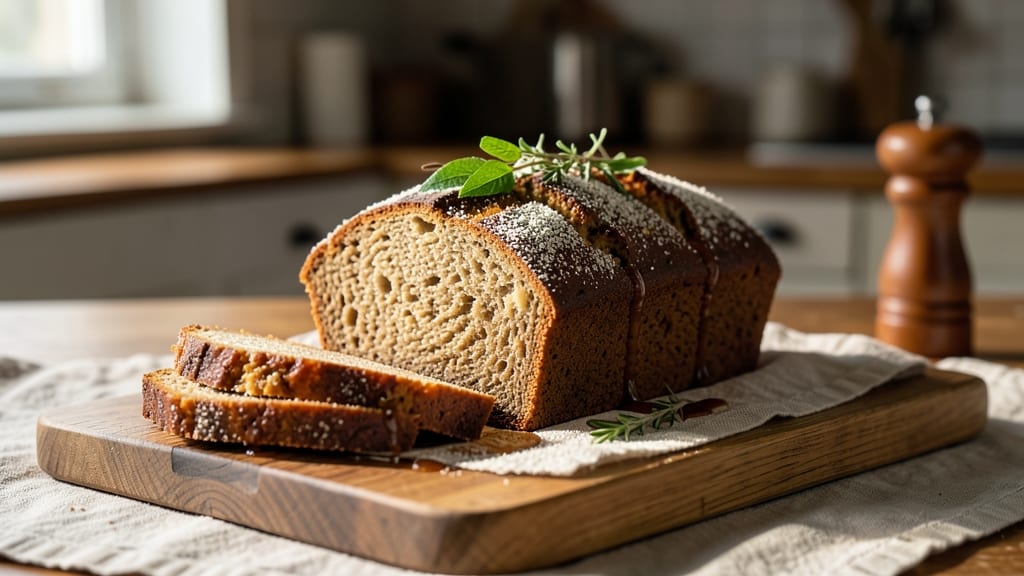
This almond flour bread loaf delivers the perfect gluten-free solution with a crispy crust and pillowy softness that rivals traditional bread. 🌟 The secret lies in the right blend of almond flour, eggs, and a touch of psyllium husk for structure—no heavy grains or gluten here.
I've perfected this recipe after years of testing, ensuring every slice stays moist and flavorful for days.
The beauty of this recipe is its versatility—it works as a sandwich base, toast, or even a side for soups and stews. What makes it special is how the almond flour creates a naturally sweet, nutty flavor while keeping the texture incredibly tender.
The baking process is straightforward, but the key is patience: letting the dough rest and baking at the right temperature ensures that golden crust without drying out the interior.
Once baked, you'll have a loaf that's as satisfying as it is nutritious—no crumbly disappointment here. The crust stays crispy for hours, while the inside remains soft and slightly chewy, perfect for dipping or toasting.
For extra flavor, try adding seeds like sunflower or pumpkin, or herbs like rosemary or thyme during mixing.
Whether you're gluten-free or simply craving something lighter, this loaf is a game-changer. It's the kind of bread that makes you forget you're eating something "different"—just pure, delicious comfort. Ready to bake? Let's get started with the ingredients.
Ingredients for almond flour bread loaf
Four simple ingredients make this gluten-free loaf crispy outside, pillowy inside—no crumbs here.
| Ingredient | Amount | Notes |
|---|---|---|
| Almond Flour 🌰 | 2 ½ cups | Finely ground, unsweetened |
| Flaxseed Meal 🌾 | ½ cup | For flax eggs, ground fresh |
| Water 💧 | 1 ¼ cups | Room temperature, for flax eggs |
| Extra-Virgin Olive Oil 🫒 | ½ cup | Light, fruity variety |
| Maple Syrup 🍯 | ¼ cup | Pure, unfiltered preferred |
| Psyllium Husk Powder 🌿 | 2 tbsp | Pure, no additives |
| Baking Powder 🍞 | 1 ½ tsp | Aluminum-free preferred |
| Salt 🧂 | ½ tsp | Fine sea salt |
| Apple Cider Vinegar 🍎 | 1 tbsp | For tangy flavor |
| Sunflower Seeds 🌻 | ¼ cup | Toasted for extra crunch |
| Pumpkin Seeds 🎃 | ¼ cup | Optional for nutty flavor |
| Fresh Rosemary 🌿 | 1 tbsp | Chopped, finely minced |
Almond flour is the star—Bob's Red Mill or Anthony's Goods are my go-tos for consistency. The finer the grind, the smoother your loaf. Costco sells it in bulk if you're making this often, but the smaller 16-ounce bags at grocery stores work fine for one loaf. Freshly ground is best, but pre-ground works if it's labeled "blanched" (that means it's been steamed to remove bitterness). For the flax eggs, grind the seeds yourself if you can—pre-ground meal loses potency fast. The psyllium husk? NOW Foods sells pure powder online, but check the bulk section at Whole Foods if you prefer in-person shopping. It's non-negotiable for that perfect chewy texture.
No almond flour? Cashew flour works in a pinch—just add 2 tbsp extra water to compensate for the different texture. Short on seeds? Toasted pecans or walnuts add richness. The rosemary can be dried (use half the amount), but fresh gives that piney aroma. For extra moisture, swap half the water for unsweetened almond milk. The baking powder must be fresh—if it's older than 6 months, toss it. And that apple cider vinegar? Bragg is my go-to, but any raw, organic brand works. The key is the tang—it balances the sweetness perfectly.
This dough needs time—at least 1 hour to rest before baking. Store it in an airtight container in the fridge for up to 3 days if prepping ahead. The baked loaf keeps well at room temperature for 2 days, wrapped tightly in parchment. For longer storage, slice and freeze—up to 3 months. Toasting revives it perfectly. The crust stays crispy for hours, but the inside stays soft if you slice it fresh. Leftovers? Perfect for croutons or breadcrumbs—just pulse in a food processor.
Why You'll Love This Recipe
- No-Fuss Mix-In: Just toss almond flour, flaxseed meal, and water—no sifting, no kneading, no waiting for dough to rise. Honestly, I’ve made this while scrolling through my phone; it’s that simple.
- Sweet & Nutty Richness: That maple syrup and olive oil combo? It gives this loaf a subtle caramel depth with a satisfying crunch. Between us, it’s the kind of bread you’ll sneak extra slices of when no one’s looking.
- Meal Prep MVP: Slices beautifully for toast, sandwiches, or even French toast—no crust ends up soggy. I keep a loaf in the fridge all week; it’s my go-to for quick lunches without the fuss.
- Budget-Friendly Staple: Uses pantry basics (no fancy yeast or eggs) and stretches far—half a loaf feeds my family for days. Plus, the flaxseed meal adds fiber, so you’re basically getting a health boost with every bite.
Step-by-step instructions for gluten-free almond flour bread
Here's how to create a wonderfully pillowy loaf that stays moist for days—no gluten, all flavor.
👨🍳 Step 1: Make the Flax Eggs and Mix Wet Ingredients
In a medium bowl, whisk together the 0.5 cup flaxseed meal and 1.25 cups water until fully combined. Let it sit for 5 minutes—you'll see it thicken into a gel-like consistency, just like eggs. This is your binder for the gluten-free structure.
In a separate large bowl, combine the 0.5 cup extra-virgin olive oil, 0.25 cup maple syrup, 1 tbsp apple cider vinegar, and 1 tbsp finely minced fresh rosemary. Mix well until the rosemary is evenly distributed. The vinegar adds a subtle tang that balances the sweetness of the maple syrup, while the olive oil keeps everything tender.
👨🍳 Step 2: Combine Dry Ingredients and Form the Dough
Add the 2.5 cups almond flour, 2 tbsp psyllium husk powder, 1.5 tsp baking powder, and 0.5 tsp salt to the wet ingredients. Stir gently with a silicone spatula until just combined—you don't want to overmix, or the bread will become dense. The psyllium husk is key here; it mimics gluten's structure by forming a gel when hydrated.
Once the dry ingredients are incorporated, fold in the 0.25 cup toasted sunflower seeds and 0.25 cup pumpkin seeds by hand. The seeds add texture and crunch, while their nutty flavors complement the almond flour beautifully. If the dough feels too sticky, add 1-2 tablespoons more almond flour—but don't overdo it, or the bread will be dry.
🥘 Step 3: Prepare the Loaf Pan and Bake
Preheat your oven to 350°F and lightly grease a standard 9x5-inch loaf pan with olive oil or line it with parchment paper for easy removal. Transfer the dough to the prepared pan and smooth the top with a wet spatula. The dough will be thick but not overly sticky—this is normal for almond flour bread.
Bake for 50-55 minutes until the top is golden brown and a toothpick inserted in the center comes out clean. Here's the thing—almond flour bread can dry out quickly, so don't let it overbake. If the top browns too fast, tent loosely with foil after 30 minutes to prevent over-browning while the center finishes cooking.
⏰ Step 4: Cool and Slice for Perfect Texture
Remove the loaf from the oven and let it cool in the pan for 10 minutes before transferring it to a wire rack. This resting period is crucial—it allows the bread to set properly and prevents crumbling when you slice it. The bread will still be warm to the touch, but it should hold its shape when gently pressed.
Slice the loaf while it's still slightly warm for the cleanest cuts. You'll notice the interior is wonderfully pillowy with a slightly crisp crust—thanks to the psyllium husk and proper baking technique. Store any leftovers in an airtight container at room temperature for up to 3 days, or freeze for longer storage. This bread is best enjoyed fresh, so don't wait too long to slice into those golden-brown slices!
Pro Tips For Making Almond Flour Bread Loaf
- Mix the Flaxseed First: Almond flour bread needs that flaxseed meal to bind properly, so don’t just toss it in dry. Whisk it with your water first—let it sit for 5 minutes until it turns into a thick, gel-like paste. This guarantees your loaf won’t crumble when you slice it, and you’ll avoid that sad, gummy texture that happens when the flax is unevenly distributed.
- Preheat Your Pan Properly: This isn’t your average bread—almond flour doesn’t rise like wheat flour, so you need a hot, even surface to help it set. Place your loaf pan in a 350°F (175°C) oven for 10 minutes before adding the batter. The extra heat ensures the bottom crisps just enough to hold the loaf together, and it bakes more evenly instead of sinking in the middle.
- Skip the Overmixing: Almond flour bread is delicate, and once you start stirring that batter, it’s easy to overwork it. Mix just until the wet ingredients are combined—no need to get it smooth. Overmixing develops gluten (which almond flour lacks), leading to a dense, rubbery loaf. A few lumps? Doesn’t matter—it’ll bake out fine.
- Brush with Olive Oil: After baking, while the loaf is still warm, brush the top with a thin layer of extra-virgin olive oil. This keeps the crumb moist longer and adds a subtle richness that cuts through the nutty almond flavor. (Yes, even if your recipe doesn’t call for it—trust me, it makes a difference.)
Serving suggestions for almond flour bread loaf
Toasted Perfection
This loaf is a dream for toasting—slice it thick and crisp it up in a toaster oven or under your broiler for 2-3 minutes until golden and fragrant.
I love toasting it with a thin layer of garlic-infused olive oil and a sprinkle of flaky sea salt for an instant bruschetta base. 🔥 For extra decadence, spread with almond butter or avocado mash before toasting.
Soup & Stew Companion
Serve warm slices alongside hearty soups like butternut squash bisque or lentil stew—the almond flour's nutty flavor pairs beautifully with creamy textures. I often tear the bread into chunks and toss it directly into tomato soup for a gluten-free bread bowl.
The crust stays crispy even when submerged in warm liquids, making it perfect for dipping.
Sandwich Base
Use this loaf as a sturdy foundation for vegan sandwiches—it holds up perfectly to fillings like hummus and roasted veggies or peanut butter and banana. For extra flair, lightly toast the slices and spread with herb-infused pesto before assembling.
The seeds add texture that prevents sogginess, so your sandwich stays fresh even after an hour.
Breakfast Elevation
Transform your morning routine by serving thick slices with avocado toast or as a base for vegan French toast. Dip the bread in a mixture of almond milk, cinnamon, and vanilla extract, then pan-fry in coconut oil until golden.
Top with maple syrup and berries for a protein-packed breakfast that feels indulgent.
Dessert Twist
For a sweet treat, brush warm slices with melted coconut oil and sprinkle with cinnamon sugar or chopped dark chocolate. The natural sweetness of the almond flour makes it perfect for fruit toast with sliced strawberries or mashed raspberries.
Store-bought jams also pair beautifully—just heat them slightly to enhance the flavor.
Croutons & Breading
Cube leftover bread and toss with olive oil and Italian seasoning, then bake at 375°F for 8-10 minutes to make crispy croutons for salads. Pulse dried cubes in a food processor for gluten-free breadcrumbs—perfect for coating vegan chicken nuggets or blackened tofu.
The seeds add a delightful crunch to any dish needing texture. ✨
Nutrition facts
Frequently asked questions
Why does my almond flour bread turn out crumbly?
Crumbly texture usually means the dough didn't rest long enough or you overmixed the ingredients. The psyllium husk needs at least 1 hour to hydrate and create that gluten-like structure. Also, almond flour absorbs moisture quickly—if your dough feels too dry, add 1 tablespoon water at a time until it holds together when pressed.
Can I make this bread without psyllium husk?
You can try, but the texture will be much denser and less bread-like. Psyllium husk is the secret to that perfect chewy-yet-light crumb. For a substitute, blend 1 tablespoon chia seeds with 3 tablespoons water to make a gel, but expect slightly different results. The bread may crumble more easily when sliced.
How do I store almond flour bread to keep it fresh?
Store in an airtight container at room temperature for 2-3 days maximum—almond flour bread dries out faster than wheat bread. For longer storage, slice and freeze for up to 3 months. To revive, toast frozen slices directly from the freezer in a toaster oven for 3-4 minutes until crispy.
What's the best way to add flavor variations?
Try these easy upgrades: Swap seeds for toasted pecans, add 1 teaspoon cinnamon for sweetness, or mix in 1 tablespoon dried herbs like thyme or oregano. For savory versions, omit the maple syrup and add 1 tablespoon nutritional yeast for a cheesy flavor. Always taste before baking!
Can I use this bread for sandwiches without it getting soggy?
The seeds and psyllium husk create a sturdy structure that holds up well. For extra protection, lightly toast slices before assembling, or spread with hummus or mustard as a moisture barrier. If using wet ingredients like tomatoes, add them after toasting to prevent sogginess.