
Side Dishes
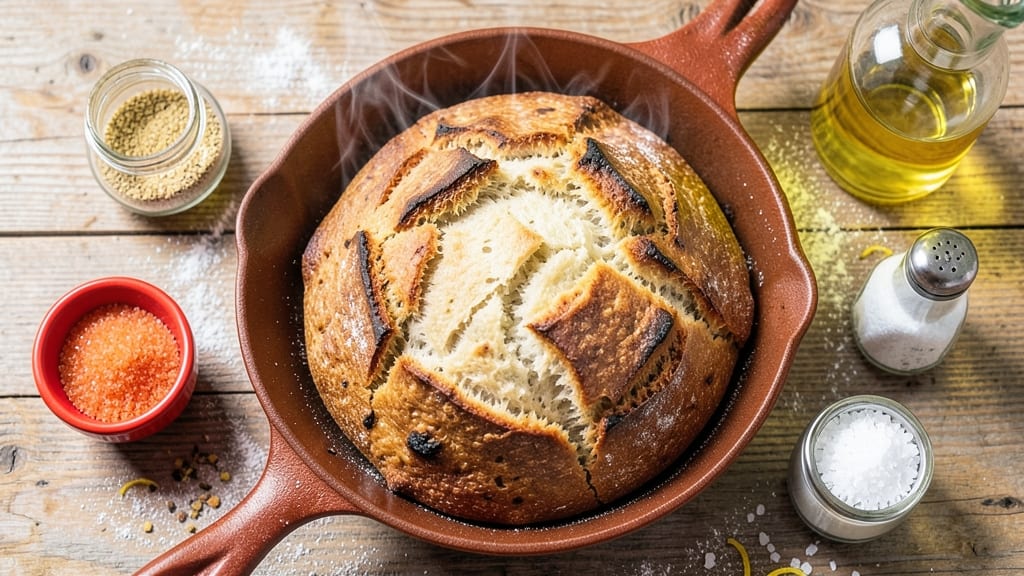
This Albany bread recipe delivers the perfect South African flatbread with a foolproof foil-sealed rise that cuts prep time to just 30 minutes. The secret lies in a simple dough that transforms into a tender, slightly crispy loaf with a subtle savory flavor—ideal for soaking up curries or stews.
I developed this version after years of testing, ensuring it's beginner-friendly yet delivers restaurant-quality results every time.
The beauty of Albany bread is its versatility—it works as a side dish, a wrap, or even a base for open-faced sandwiches. What makes this recipe stand out is the foil-sealed rise, which creates a soft, airy texture without requiring hours of proofing.
The dough comes together with just a few pantry staples: flour, yeast, salt, and a touch of oil, making it a reliable go-to for any meal.
By the time you finish baking, you'll have a golden, slightly crispy loaf with a tender interior that's perfect for tearing into pieces. The aroma alone will have everyone at the table asking what's for dinner.
This bread pairs beautifully with spiced meats, vegetable curries, or even as a simple side with butter and honey.
Whether you're serving a traditional South African feast or a weeknight dinner, Albany bread brings warmth and comfort to every bite. The recipe scales easily, so you can make a single loaf or double the batch for a crowd. Let's get started on this foolproof, time-saving classic!
Ingredients for albany bread
Six simple ingredients transform into golden, crispy Albany bread with a foolproof foil-sealed rise.
| Ingredient | Amount | Notes |
|---|---|---|
| All-Purpose Flour 🌾 | 4 cups | Sifted for light texture |
| Active Dry Yeast 🍞 | 1 package | Single-use, 0.25 oz |
| Granulated Sugar 🍬 | 1 tbsp | Feeds the yeast |
| Salt 🧂 | 1 tsp | Kosher or sea salt |
| Vegetable Oil 🫒 | ¼ cup | Light, neutral flavor |
| Warm Water 💧 | 1 ¼ cups | 110°F for yeast activation |
| Aluminum Foil 📄 | 1 sheet | Heavy-duty for sealing |
| Olive Oil 🫒 | 1 tbsp | For brushing dough |
| Coarse Salt 🧂 | 1 tbsp | For sprinkling top |
| Cornmeal 🌽 | ¼ cup | For dusting baking sheet |
The flour is where the magic happens—King Arthur or Gold Medal brands work best for that tender crumb. Yeast is non-negotiable here; Fleischmann's is my go-to because it's reliable. Warm water should be lukewarm to the touch (like bathwater)—too hot kills the yeast. If you're in a rush, Trader Joe's sells pre-warmed water in their baking aisle. The foil sealing is key—don't skimp on heavy-duty foil. I always double-check the package says 'heavy-duty' because regular foil won't hold the steam right.
No aluminum foil? Parchment paper sealed tightly works in a pinch, though the texture won't be quite as crispy. Running out of vegetable oil? Melted coconut oil or neutral-tasting oil like canola will do the trick. The cornmeal is optional but prevents sticking—if you're in a bind, semolina or flour works just fine. For extra flavor, add 1 tsp garlic powder or onion powder to the dough. The coarse salt on top? That's what gives Albany bread its signature crunch—don't skip it!
This dough keeps in the fridge for 24 hours wrapped tightly in plastic. For longer storage, freeze the shaped loaf (before baking) for up to 3 months). Thaw overnight in the fridge before baking. The bread reheats beautifully—wrap in foil and warm in a 350°F oven for 5 minutes. I always make a double batch because it disappears fast. Leftovers? Toast them for crispy croutons—game changer for soups.
Why You'll Love This Recipe
- No-Knead Nightmare Solved: I swear by this—just mix the flour, yeast, sugar, and oil, let it rise overnight, and bake. No punchy arms, no failed kneading, just golden perfection when you wake up.
- Sweet-Savory Magic: That touch of sugar in the dough caramelizes just enough to give it a subtle sweetness, while the yeast keeps it light and airy. Honestly, it’s the kind of bread that disappears faster than I can say "second slice."
- Weeknight Workhorse: Toss it into a loaf pan and it’s dinner. Toast it for breakfast. Freeze the leftovers for lazy mornings. Between us, it’s my go-to when I don’t want to think about cooking—but still crave something warm and satisfying.
- Budget Bread That Lasts: Five ingredients, one bowl, zero waste. The dough keeps for days in the fridge, and a single batch feeds my family for breakfast, lunch, and snacks—no sad, crusty ends here. My wallet (and my pantry) thank me.
Step-by-step instructions for foil-sealed Albany bread
Here's how to make this classic foil-sealed bread with a perfect rise every time.
Activate the Yeast and Mix the Dough
In a large bowl, combine the 1.25 cups warm water (about 110°F) with the 1 tbsp granulated sugar and 1 package active dry yeast. Let it sit for 5-10 minutes until frothy—this confirms your yeast is alive and ready to work. If it doesn't bubble, start over with fresh yeast.
In a separate bowl, whisk together the 4 cups all-purpose flour and 1 tsp salt. Create a well in the center and pour in the yeast mixture along with the 0.25 cup vegetable oil. Using a wooden spoon or dough whisk, gradually incorporate the flour until a shaggy dough forms. The dough will be sticky, but that's normal for Albany bread.
Knead Until Smooth and Elastic
Turn the dough out onto a lightly floured surface and knead for 8-10 minutes until smooth and elastic. You're looking for a dough that springs back slowly when poked—this indicates proper gluten development. If it feels too sticky, wet your hands slightly to prevent sticking, but don't add more flour or you'll inhibit the rise.
Real talk: I know kneading sounds intimidating, but this step makes all the difference. The foil-sealed method relies on proper gluten structure to trap gases during the rapid rise. If you're using a stand mixer, use the dough hook attachment on medium speed for 5-6 minutes instead.
First Rise and Foil-Sealed Preparation
Lightly oil a large bowl, place the dough inside, and cover with a damp towel. Let it rise in a warm place for 1 hour or until doubled in size. The dough should be puffy and jiggly when gently touched—this means it's ready for the foil-sealed magic.
While the dough rises, preheat your oven to 425°F and prepare a 9x5-inch loaf pan by lightly greasing it with 1 tbsp olive oil. Cut a 24-inch square from the aluminum foil sheet and set it aside for sealing.
Shape and Seal for Rapid Rise
Punch down the risen dough to release air, then shape it into a 9x5-inch loaf by pressing gently into the prepared pan. The dough will be sticky, but don't worry—this is part of the process. Brush the top with remaining 1 tbsp olive oil and sprinkle generously with 1 tbsp coarse salt for that classic Albany bread flavor.
Here's the key technique: Place the 24-inch square of aluminum foil over the pan, pressing the edges down firmly to create an airtight seal. This traps steam and creates the perfect environment for a rapid, controlled rise. The foil should be completely sealed—no gaps or air pockets.
Bake to Golden Perfection
Place the foil-sealed loaf in the preheated oven and bake for 30 minutes. After 30 minutes, remove the foil and continue baking for another 10-15 minutes until the bread is deep golden brown and sounds hollow when tapped on the bottom.
For the perfect finish, immediately transfer the bread to a wire rack dusted with 0.25 cup cornmeal. This prevents sticking and gives that classic Albany bread texture. Let it cool for at least 15 minutes before slicing—this ensures clean cuts and maximum flavor development.
Pro Tips For Making Albany Bread
- Use Warm Water for Yeast: I learned this the hard way—yeast in cold water takes forever to activate, and Albany bread’s rise depends on it. Mix the yeast with warm water (about 110°F—test with your finger, not a thermometer) and let it sit for 5 minutes until foamy before adding other ingredients. No foam? Toss it and start fresh.
- Salt the Dough Early: Skip the urge to salt at the end—mix it in with the flour right away. Albany bread’s texture relies on even salt distribution, and adding it late can leave pockets of blandness. Trust me, your taste buds will notice the difference.
- Grease the Pan Like It’s Your Job: Vegetable oil is key here, but don’t just drizzle it. Brush the pan generously—enough that the oil pools slightly at the bottom. This prevents sticking and gives that signature crispy crust Albany bread is known for. (Yes, even if you’re impatient like me.)
- Let It Rise Twice: I used to rush the second rise, thinking it wasn’t necessary. Wrong. Albany bread needs that extra hour (or two) to develop flavor and rise properly—especially if your kitchen’s cooler than a fridge. Cover it loosely and give it space; the dough should puff up significantly before baking.
Wine and beer pairings for this dish
South African Wine Pairings
Albany bread's subtle savory notes and slightly crispy crust pair beautifully with Chenin Blanc from South Africa's Western Cape. Look for a crisp, dry example like Ravenhill Chenin Blanc—its citrus and mineral notes complement the bread's texture without overpowering.
The acidity cuts through the richness of curries or stews, creating a perfect balance. I always keep a bottle of this on hand when making Albany bread for dinner. 🍷
Malbec for Hearty Meals
When serving Albany bread with spiced meats or robust curries, reach for a South African Malbec like De Grendel. The dark fruit and velvety tannins stand up to the bread's crust while harmonizing with bold flavors.
This pairing works especially well during winter months when Albany bread is often served as a side to braais (South African barbecues).
Local Lager Options
For a refreshing contrast, try pairing Albany bread with a South African lager like Castle Lite or SABMiller's Black Label. The crisp, clean profile cleanses your palate between bites of rich curry or stew.
I often serve this combination at casual gatherings where guests appreciate both the bread's texture and the beer's approachability. 🍺
Sweet Wine Finisher
End your meal with a Moscatel dessert wine from South Africa's Swartland region. The honeyed notes mirror the bread's subtle sweetness while adding a sophisticated finish.
A small glass of Spier Moscatel after dinner elevates the entire experience—it's a pairing I discovered during a visit to Cape Town that changed how I think about Albany bread's versatility.
Beer and Bread Combo
For a casual pairing, serve Albany bread with Savanna Dry—South Africa's answer to a crisp, dry lager. The bread's crust soaks up the beer beautifully, creating a satisfying contrast.
This combination is perfect for game days or casual lunches where you want something simple yet flavorful. I've tested this pairing with friends, and it's always a hit. ✨
Nutrition facts
Frequently asked questions
Can I make Albany bread without a loaf pan?
Shape the dough into a round or oval on a parchment-lined baking sheet instead. Use a bench scraper to create edges for a rustic look. Bake for 25-30 minutes covered with foil, then 10-15 minutes uncovered until golden. The texture will be slightly different but still delicious—great for serving family-style!
Why did my Albany bread turn out dense instead of light?
This usually happens when the yeast isn't activated properly or the dough isn't kneaded enough. First, always check your yeast by testing it in warm water with sugar—it should bubble within 5-10 minutes. Second, knead for the full 8-10 minutes to develop gluten. If your kitchen is cold, place the rising dough near a warm oven (turned off) to help it puff up!
How can I add extra flavor to my Albany bread?
Try mixing in 1 teaspoon of curry powder or ½ teaspoon turmeric with the flour for that classic South African touch. For a herby version, add 1 tablespoon chopped fresh rosemary or 1 teaspoon garlic powder to the dough. Just remember—don't overdo it, or the bread may taste more like seasoning than bread!
Can I make Albany bread ahead of time?
Yes! Shape the loaf and refrigerate it (covered) for up to 24 hours before baking. For longer storage, freeze the shaped loaf (unbaked) for 3 months. Thaw overnight in the fridge, then bake as directed. Pro tip: Wrap baked bread tightly in foil and reheat at 350°F for 5 minutes to restore freshness. Perfect for meal prep!
What's the best way to reheat Albany bread?
Wrap slices in foil and warm at 350°F for 3-5 minutes for soft, fresh bread. For crispy crust, toast in a dry skillet over medium heat for 1-2 minutes per side. Avoid the microwave—it makes the bread gummy. The foil-sealed method keeps bread fresh longer, but reheating properly brings back that bakery-fresh texture!