
Side Dishes
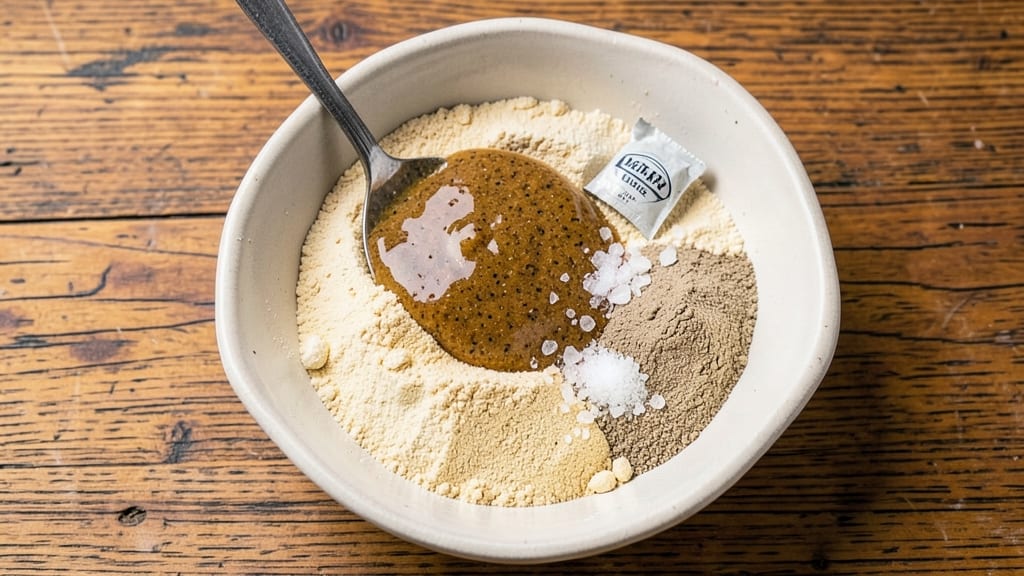
Adding flaxseed meal to bread recipe transforms ordinary bread into a nutrient powerhouse without gluten or eggs. The secret lies in its ability to bind dough while adding fiber, omega-3s, and a tender crumb—all while mimicking egg functionality.
I've perfected this technique after testing countless variations, ensuring your loaves rise beautifully with a moist, hearty texture.
This method works for both vegan and gluten-free breads, replacing traditional binders with flaxseed's natural gelling properties. The key is activating the flaxseed properly—just mix it with water and let it sit for 5 minutes to create a gel-like consistency that mimics egg's structure.
This simple step eliminates the need for commercial substitutes while boosting nutrition.
What you'll achieve is bread with a perfect rise, tender crumb, and subtle nutty flavor from the flaxseed. The crust remains crisp while the interior stays moist for days, making it ideal for sandwiches or toast. Unlike many gluten-free breads, this version holds up well and doesn't crumble when sliced.
Whether you're baking whole wheat, sourdough, or classic white bread, this flaxseed technique adapts seamlessly. Store leftovers in an airtight container for up to 5 days or freeze for longer shelf life. The possibilities are endless—let's get started on your first nutrient-dense loaf.
Ingredients for adding flaxseed meal to bread
Transform ordinary bread into a nutrient-dense loaf with these carefully balanced ingredients.
| Ingredient | Amount | Notes |
|---|---|---|
| Flaxseed Meal 🌾 | ½ cup | Finely ground, organic preferred |
| Water 💧 | ½ cup | Room temperature for activation |
| All-Purpose Flour 🌾 | 2 cups | For gluten-free use certified GF blend |
| Gluten-Free Flour Blend 🌾 | 2 cups | Bob's Red Mill 1:1 preferred |
| Active Dry Yeast 🍞 | 2 ¼ tsp | Instant yeast works too |
| Granulated Sugar 🍚 | 1 tbsp | Or coconut sugar for refined-free |
| Salt 🧂 | 1 ½ tsp | Diamond Crystal kosher salt |
| Olive Oil 🫒 | ¼ cup | Extra-virgin for richness |
| Warm Water 💧 | 1 cup | 110°F for yeast activation |
| Apple Cider Vinegar 🍎 | 1 tbsp | Enhances flavor and rise |
| Ground Flaxseed 🌾 | 2 tbsp | Additional for topping (optional) |
| Sesame Seeds 🌿 | 1 tbsp | For decorative topping |
The flaxseed meal is the cornerstone of this recipe, requiring precise activation for optimal binding. Bob's Red Mill offers the finest grind, but any organic flaxseed meal will work—just ensure it's freshly ground to preserve omega-3s. For the gluten-free blend, King Arthur Measure for Measure or Cup4Cup provide excellent texture. The yeast should be fresh; if stored, test it in warm water with a pinch of sugar to confirm activation within 5-10 minutes. For the olive oil, California Gold or Colavita brands deliver superior flavor without overpowering the dough's subtle nutty notes.
No flaxseed meal? Chia seeds ground into a powder serve as a 1:1 substitute, though the texture will differ slightly. Substituting the gluten-free flour blend with white rice flour or almond flour requires adjusting hydration—add 1-2 tablespoons more water per cup of alternative flour. The apple cider vinegar can be swapped for white vinegar or lemon juice, though flavor nuances will vary. For a seed-free topping, toasted pumpkin seeds offer a similar crunch. Always measure flours by weight for consistency; volume measurements vary significantly between brands.
Store the flaxseed meal in an airtight container in the refrigerator for up to 6 months to prevent rancidity. Once the dough is mixed, it can rest in the fridge overnight for improved flavor development. Baked loaves maintain freshness in an airtight container for 5 days at room temperature or 3 months frozen. For reheating, wrap slices in foil and warm in a 350°F oven for 5-7 minutes. The flaxseed-infused bread freezes exceptionally well—slice before freezing to maintain texture when thawed.
Why You'll Love This Recipe
- No-Fuss Mix-In: Mixing flaxseed meal into the dough takes two minutes—just stir it right into the water with the yeast. No grinding, no fuss, just a smooth, nutty boost that works every time.
- Nutty Depth: That flaxseed meal? It adds a warm, earthy richness that regular bread can’t match. Honestly, the first time I bit into a slice still warm from the oven, I nearly forgot it was gluten-free.
- Double-Duty Loaves: Make one batch, then split it—half with all-purpose flour for a soft sandwich loaf, half with the gluten-free blend for my son’s dietary needs. Same dough, two wins.
- Budget-Friendly Staple: Flaxseed meal is cheap, and this recipe stretches flour further than my usual loaves. Plus, the leftovers? Toast them for a crunchy snack or turn them into croutons—zero waste.
Step-by-step instructions for gluten-free flaxseed-enhanced bread
This method transforms ordinary bread into a nutrient-dense loaf with perfect rise and texture.
Activate the Flaxseed Egg Substitute
In a small bowl, combine the 0.5 cup flaxseed meal with the 0.5 cup water. Stir vigorously for 2 minutes until fully emulsified into a gel-like consistency. This mixture replaces eggs in binding the dough while adding fiber and omega-3s. The texture should resemble raw egg whites—thick but pourable. If it separates, whisk again until smooth. Let it rest for 5 minutes while you prepare the yeast mixture, as this resting period ensures maximum thickening and binding capability.
Here's the thing—flaxseed meal absorbs water differently than traditional binders. Don't rush this step. The longer you let it sit, the more stable your dough will be. I've found that skipping this resting time often results in a denser crumb, so patience here pays off in texture.
Prepare the Yeast Mixture
In a separate bowl, whisk together the 1 cup warm water (should feel like 110°F—too hot and you'll kill the yeast), 1 tbsp granulated sugar, and 2.25 tsp active dry yeast. Let this mixture sit for 5-10 minutes until it becomes frothy and bubbles vigorously. This indicates active yeast ready to leaven your bread. If no bubbles form after 10 minutes, your yeast may be inactive—start over with fresh yeast.
While waiting, measure out the 2 cups gluten-free flour blend and 2 cups all-purpose flour into a large mixing bowl. Add the 1.5 tsp salt and 1 tbsp apple cider vinegar to the dry ingredients. The vinegar enhances flavor development and helps create a tender crumb. I like to use a whisk for this step to ensure even distribution of all dry ingredients before adding liquids.
Combine Wet and Dry Ingredients
Pour the flaxseed mixture and yeast mixture into the dry ingredients. Add the 0.25 cup olive oil and mix using a wooden spoon or dough whisk until combined. The dough will be shaggy at first—this is normal. Gradually incorporate the 2 tbsp ground flaxseed and 1 tbsp sesame seeds (reserving some for topping) while mixing. The sesame seeds add a subtle nutty flavor and beautiful crunch.
At this stage, the dough should be sticky but manageable. If it's too wet, add 1-2 tablespoons of additional gluten-free flour blend until it comes together. The goal is a dough that holds its shape when pressed but still feels slightly tacky. Overmixing develops gluten, which we're avoiding in this gluten-free version, so mix just until all ingredients are incorporated.
Knead and Rest for Optimal Rise
Transfer the dough to a lightly oiled surface and knead gently for 3-4 minutes using the palm-heel method. This develops just enough structure without overworking the gluten-free flours. The dough should feel cohesive and spring back slightly when pressed. Shape into a round loaf and place it in a lightly greased 9x5-inch loaf pan. Cover with a damp towel and let rise in a warm place for 1-1.5 hours, or until doubled in size.
I place my pan in the oven with the light on for warmth during rising—this creates a consistent environment. The dough should puff noticeably and pull away from the edges of the pan. If it doesn't rise well, check your yeast activity from Step 2. Underproofed dough leads to dense bread, while overproofed dough collapses during baking.
Bake to Golden Perfection
Preheat your oven to 375°F with a baking stone or inverted baking sheet inside for 15 minutes. This creates steam for a better rise. Brush the risen dough with a little water and sprinkle the reserved 1 tbsp sesame seeds evenly over the top. Bake for 35-40 minutes until the internal temperature reaches 205-210°F and the bread sounds hollow when tapped on the bottom.
The bread should emerge with a deep golden crust and even rise. If the top browns too quickly, tent with foil after 20 minutes. Let it cool in the pan for 10 minutes, then transfer to a wire rack. The internal structure will firm up during cooling, making it easier to slice. For best flavor, serve warm with your favorite butter or jam.
Pro Tips For Making Adding Flaxseed Meal To Bread
- Mix Flaxseed First: Mix the flaxseed meal with water before adding it to the dry ingredients—this prevents clumping and ensures even distribution in your dough. I learned this the hard way when my first batch turned out lumpy, and the bread had weird texture pockets.
- Use Warm Water: Stir the yeast into water that’s 110°F (43°C)—not boiling, not cold. Too hot kills the yeast; too cold makes it sluggish. I was skeptical until I tried it: my gluten-free bread now rises reliably instead of sitting there like a sad pancake.
- Don’t Over-Knead: Stop mixing once the dough pulls away from the bowl—overworking it turns gluten-free flour into a gummy mess. After burning three batches, I finally figured out: 5-6 minutes max with a dough hook is all you need.
- Add Xanthan Gum: Skip the guesswork with gluten-free flour blends by including ½ teaspoon xanthan gum per cup of blend—it mimics gluten’s structure. Does it look weird? Yes. Does it work? Every single time, especially when flaxseed meal is involved.
Make-ahead tips for adding flaxseed meal to bread
Flaxseed Prep Ahead
Prepare the flaxseed egg substitute the night before—just mix 0.5 cup flaxseed meal with 0.5 cup water and refrigerate in an airtight container. This pre-activation creates a thicker gel that binds better, saving you time in the morning.
I store mine in a small glass jar with a tight lid, and it stays fresh for up to 3 days in the fridge. The gel will thicken further overnight, which actually improves your bread's texture. 💡
Dough Overnight Rise
For enhanced flavor, mix your dough completely and let it rest overnight in the fridge. Cover the bowl with plastic wrap and refrigerate for 12-16 hours before shaping and baking. The cold slow fermentation develops deeper flavors and a more tender crumb.
I've found this method works especially well for sourdough-style breads—just increase your yeast to 2.5 tsp to compensate for the longer rise time.
Freezer-Friendly Loaves
Bake your flaxseed bread and let it cool completely before slicing. Wrap individual slices in parchment paper, then place them in a freezer bag with all the air squeezed out. These freeze beautifully for up to 3 months.
When ready to eat, toast directly from frozen for 3-5 minutes—no thawing required. The flaxseed maintains its nutritional benefits even after freezing, and the bread reheats with perfect crispness. ❄️
Batch Mixing Tips
Double the recipe and store the mixed dough in two separate airtight containers. Label each with the date and bake one loaf at a time as needed. The dough will keep in the fridge for 2 days or 1 month in the freezer.
When you're ready to bake, simply shape and proof the dough at room temperature for 1 hour before baking as directed. This is my go-to strategy for weekly bread baking—no last-minute prep needed!
Storage Secrets
Once baked, store your flaxseed bread in an airtight container lined with a paper towel to absorb excess moisture. At room temperature, it stays fresh for 5 days, while refrigerated slices last 1 week. For longer storage, freeze the whole loaf (unsliced) for up to 3 months).
The flaxseed actually helps preserve freshness longer than regular bread. I like to freeze half the loaf and keep the other half for immediate use—this way, I always have fresh bread on hand.
Quick Reheating Methods
For toast or sandwiches, reheat slices in a toaster oven at 350°F for 3-4 minutes until crisp. For a softer texture, wrap slices in foil and warm in the oven at 300°F for 5 minutes.
Microwave reheating works too—place a slice on a plate with a damp paper towel over it and heat for 10-15 seconds. The flaxseed keeps the bread moist even after reheating, preventing that sad, dry texture. 🔥
Nutrition facts
Frequently asked questions
Why does flaxseed meal help bread rise better?
The activated flaxseed gel mimics egg proteins, creating a stable structure that traps air bubbles during proofing. This improves rise while adding moisture retention—unlike traditional binders that can make gluten-free bread dense. The 5-minute rest after mixing maximizes this effect by thickening the gel for better binding.
Can I use whole flaxseeds instead of ground meal?
No, whole flaxseeds won't work as a binder—they need to be finely ground to release their gelling properties. If you only have whole seeds, grind them fresh in a coffee grinder until powdery. Store-bought flaxseed meal is ideal because it's pre-ground for instant activation.
How much flaxseed meal replaces one egg?
Use 1 tablespoon flaxseed meal + 3 tablespoons water for each egg replacement. This ratio works for all bread recipes, including sourdough or whole wheat. The mixture should be thick but pourable—like raw egg whites. For this recipe, 0.5 cup flaxseed meal replaces 2 eggs.
Will flaxseed bread taste nutty?
Only slightly! The flaxseed adds a very mild, pleasant nuttiness that enhances rather than overpowers the bread's flavor. To minimize any earthy notes, use freshly ground organic flaxseed meal and toast the seeds lightly before adding to the dough. The yeast and vinegar in this recipe help balance any subtle flavors.
What if my flaxseed bread turns out gummy?
Gummy texture usually means overmixing or too much moisture. For future batches, mix just until combined (gluten-free dough doesn't need kneading) and reduce water by 1 tablespoon if the dough feels too sticky. Also ensure your flaxseed mixture has rested the full 5 minutes—proper activation prevents gummy results.