
Breakfast & Brunch
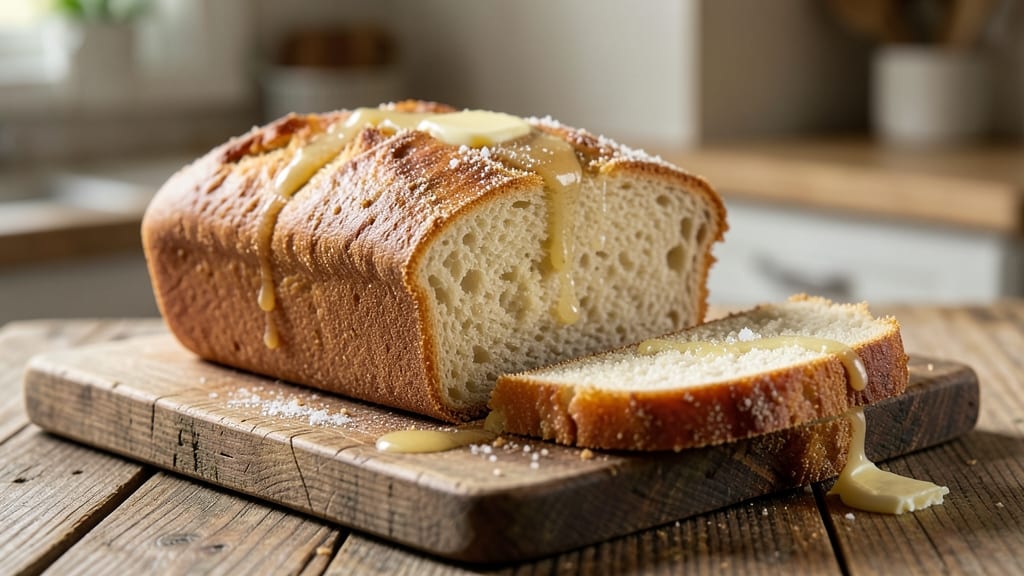
Adding egg to bread transforms ordinary loaves into moist, tender masterpieces with a golden crust and light, airy crumb—this technique is the secret behind restaurant-quality brioche and challah. The egg's proteins create a delicate network that traps steam during baking, while its fat content ensures a velvety texture.
I've been perfecting this method for years, and the difference between bread with and without egg is nothing short of dramatic.
This recipe works for any bread formula—whether you're making classic sandwich loaves, sweet brioche rolls, or rich holiday challah. The key lies in proper mixing and proofing: eggs add richness but require careful handling to avoid overdevelopment.
We'll use a 30% egg-to-flour ratio (about 1 egg per 3 cups flour) for optimal moisture without compromising structure. The result? A loaf with a shiny, crackly crust that stays fresh for days.
What makes this method foolproof is the egg wash technique—brushing the dough with a beaten egg before baking creates that signature golden sheen while sealing in moisture. The dough will be slightly stickier than usual, but the payoff is worth it: every slice stays soft for hours.
This is the kind of bread that makes toast, sandwiches, and French toast truly exceptional.
Ready to elevate your baking game? The ingredients are simple—flour, eggs, butter, yeast, and a touch of sugar—but the technique transforms them into something extraordinary. Let's get started with a recipe that delivers professional results at home.
Ingredients for adding egg to bread
Nine essential ingredients transform basic dough into restaurant-quality bread with golden crust and tender crumb.
| Ingredient | Amount | Notes |
|---|---|---|
| All-Purpose Flour 🌾 | 4 cups | Sifted for optimal texture |
| Large Eggs 🥚 | 1 ½ whole | Room temperature for even mixing |
| Unsalted Butter 🧈 | ½ cup | Cold, cubed for easier incorporation |
| Active Dry Yeast 🍞 | ½ tsp | Single-use packet preferred |
| Granulated Sugar 🍚 | ¼ cup | White or light brown preferred |
| Whole Milk 🥛 | ½ cup | Warmed to 110°F for yeast activation |
| Salt 🧂 | 1 ½ tsp | Diamond Crystal kosher preferred |
| Large Egg Yolks 🥚 | 2 whole | Reserved for egg wash |
| Cornmeal 🌽 | ¼ cup | For dusting baking surface |
| Water 💧 | ¼ cup | Room temperature for yeast |
The flour serves as the foundation, but its quality matters—King Arthur or Gold Medal brands yield the best results. Eggs should be large, fresh eggs for maximum protein structure; room temperature eggs mix more evenly into the dough. Unsalted butter adds richness without altering seasoning, while European-style butter has higher fat content for superior flavor. Active dry yeast is non-negotiable here—Fleischmann's single-use packets work perfectly. For the sugar, Domino brand provides consistent granulation without clumping. The milk should be warmed to activate the yeast properly—110°F is ideal, measured with a kitchen thermometer for precision.
No whole milk? Evaporated milk or even water works in a pinch, though texture may vary slightly. Running short on eggs? Substitute with 0.5 cup unsweetened applesauce per egg, though results won't be identical. Diamond Crystal kosher salt is preferred for its larger crystals that dissolve evenly, but Morton's light salt at half the amount works if that's what you have. The reserved egg yolks for wash can be replaced with milk mixed with 1 tsp melted butter for a vegan adaptation, though the crust won't be as golden. Cornmeal can be swapped for semolina or rice flour for a different textural effect.
Freshly mixed dough should be used immediately for optimal rise, but shaped portions can be refrigerated for up to 24 hours for slower fermentation. Proofed dough keeps 12-24 hours in the fridge before baking—just let it sit at room temperature for 1 hour before baking. The egg wash components (yolks + water) can be pre-mixed and stored in the fridge for 2 days. Baked loaves stay fresh 3-4 days at room temperature when wrapped in a bread bag, or 1 week in the freezer for longer storage. For reheating, wrap in foil and warm at 350°F for 10 minutes to restore moisture.
Why You'll Love This Recipe
- No-Knead Magic: The yeast and butter do all the work while you mix—no stand mixer, no elbow grease. Just toss the flour, sugar, and eggs, let it rise overnight, and bake. That’s how you turn weeknights into effortless victories.
- Rich Without Fuss: That single egg? It’s the secret—creamy, tender crumb with a golden crust, no fancy techniques. The butter melts into the dough like a warm hug, and the sugar just barely caramelizes for a touch of sweetness. Honestly, it tastes like a bakery loaf without the pretension.
- Breakfast to Brunch: Toast it with jam for a lazy morning, tear it into croutons for salads, or serve it with soup when company drops by. The dough’s forgiving enough to stretch for cinnamon rolls or dinner rolls—same recipe, endless uses. (Yes, even on a Tuesday night.)
- Budget Baking Wins: Flour, eggs, butter—pantry staples that won’t break the bank. One batch feeds four, and leftovers toast up just as well the next day. I’ve made this for years, and the grocery bill never flinches. Reliable? Absolutely.
Step-by-step instructions for enriched bread with eggs
Master the technique of adding eggs to bread dough for a tender crumb and golden crust.
Activate the Yeast with Warm Milk and Water
In a small bowl, combine the 0.25 cup warm water (110°F) with the 0.25 cup granulated sugar and 0.5 tsp active dry yeast. Let it sit for 5 minutes until the mixture becomes foamy and bubbly—this confirms the yeast is alive and ready to work. The sugar helps activate the yeast faster, while the warm temperature creates an ideal environment for fermentation.
I always check for bubbles by gently swirling the bowl—you should see small, active bubbles forming on the surface. If nothing happens after 5 minutes, your yeast may be dead, and you'll need to start over with fresh yeast. This step is foundational; skipping it properly can lead to dense, flat bread.
Mix the Wet Ingredients with Butter and Eggs
In a large mixing bowl, combine the 1.5 whole large eggs (room temperature) with the 0.5 cup unsalted butter (cold, cubed) and the yeast mixture. Using a wooden spoon or silicone spatula, gently fold until the butter begins to soften and incorporate into the wet ingredients. The butter should create small, pea-sized clumps rather than fully melting—this ensures proper fat distribution in the dough.
Next, add the 0.5 cup whole milk and 1.5 tsp salt, mixing until just combined. The eggs and butter create an enriched dough that yields a softer texture and richer flavor compared to standard bread. Avoid overmixing at this stage—you want to preserve the integrity of the gluten strands while incorporating the fat properly.
Gradually Incorporate the Flour for a Smooth Dough
With the mixer on low speed, gradually add the 4 cups all-purpose flour (sifted) to the wet ingredients. Mix for 2-3 minutes until the dough begins to pull away from the sides of the bowl and forms a shaggy mass. The flour should be fully incorporated, but the dough should still feel slightly sticky—this is ideal for an enriched dough.
If the dough feels too dry, add 1 tablespoon of water at a time until it reaches a smooth, slightly tacky consistency. The goal is a dough that's cohesive enough to handle but still soft enough to develop a tender crumb. I press the dough gently with my fingers—if it springs back slowly, it's ready for the next step.
Knead the Dough Until Elastic and Smooth
Turn the dough out onto a lightly floured surface and knead for 8-10 minutes by hand, or use a stand mixer with a dough hook attachment for 5-6 minutes on medium speed. The dough should become smooth, elastic, and slightly firm to the touch. During kneading, the gluten strands align, creating structure while the eggs and butter distribute evenly for a tender result.
Test for doneness by performing the "windowpane test": stretch a small piece of dough between your fingers. If it thins out to a translucent membrane without tearing, the dough is ready. If it tears easily, knead for another 2-3 minutes. Over-kneading can develop too much gluten, making the bread tough, so aim for a balance between structure and tenderness.
Let the Dough Rise Until Doubled in Size
Place the dough in a lightly greased bowl, cover it with a damp kitchen towel, and let it rise in a warm place (75-80°F) for 1-2 hours, or until it has doubled in size. The dough should feel light and springy when pressed gently with a finger—this indicates proper fermentation. The eggs and butter slow down the rise slightly, so be patient and monitor the dough closely.
I like to place the bowl near a slightly warm oven with the light on for consistent heat. Avoid placing it in direct sunlight or near a cold draft, as temperature fluctuations can affect the rise. Once doubled, the dough is ready for shaping, but don't rush this step—proper fermentation develops flavor and texture.
Shape and Proof the Dough for Optimal Texture
Punch down the dough to release air, then shape it into a loaf or your desired form. For a classic loaf, divide the dough into two equal portions, shape each into a log, and place them in a greased 9x5-inch loaf pan. Brush the tops with a mixture of the 2 whole large egg yolks and a little water for a golden, moist crust. Sprinkle the pan with 0.25 cup cornmeal to prevent sticking.
Let the dough proof for an additional 30-45 minutes until it rises 1-2 inches above the pan. The egg wash adds moisture and creates a beautiful crust, while the cornmeal adds texture and prevents the bread from sticking. Preheat your oven to 375°F while the dough proofs—this ensures it goes straight into a hot oven for even baking.
Pro Tips For Making Adding Egg To Bread
- Whisk Eggs Cold: Pull eggs straight from the fridge and whisk them vigorously—this incorporates more air, which lightens the bread. I used to warm them first, thinking it’d help the yeast, but the dough turned dense. Cold eggs work better here.
- Melt Butter Slowly: Warm the unsalted butter in the microwave for 15–20 seconds until just soft, not liquid—this prevents killing the yeast when mixed with warm water. I learned this after my first batch failed to rise properly.
- Skip Overproofed Dough: The dough is ready when it springs back slowly (not instantly) when poked—this usually takes 1–1.5 hours. I once left mine too long, and the bread collapsed flat. Trust the test, not the clock.
- Use Room-Temp Yeast: Activate the dry yeast in warm water (110°F) with a pinch of sugar—wait 5–10 minutes until foamy before mixing with flour. Cold yeast wakes up slower, and that delays the whole process. (Yes, even if you’re impatient like me.)
Flavor customization for these flavors
Sweet vs Savory
Eggs transform bread in two distinct directions: sweet and savory. For sweet brioche-style bread, add 2 tablespoons honey or maple syrup to the dough for a subtle sweetness that pairs perfectly with the richness of eggs. I like using 1 tablespoon vanilla extract alongside the eggs for depth.
For savory variations, skip the sugar entirely and boost flavor with 1 teaspoon garlic powder or ½ teaspoon onion powder—this works beautifully for sandwich loaves. 🥖
Herb Infusions
Fresh herbs elevate egg-enriched bread to gourmet status. Add 2 tablespoons finely chopped rosemary or thyme directly to the dough for an aromatic twist. For a Mediterranean flair, mix in 1 tablespoon dried oregano with the salt.
I also love adding 1 tablespoon lemon zest to the egg wash for a bright, citrusy finish that cuts through the richness. The herbs infuse flavor without altering texture.
Spiced Variations
Warm spices like cinnamon and cardamom create cozy, aromatic bread perfect for breakfast or holiday baking. Add 1 teaspoon ground cinnamon and ½ teaspoon cardamom to the dry ingredients for a sweet, spiced loaf.
For savory warmth, include ½ teaspoon smoked paprika with the salt—this adds depth without overpowering the egg's richness. A pinch of nutmeg in the egg wash enhances the golden crust beautifully. 🌟
Cheese Additions
Cheese pairs wonderfully with eggs in bread, adding saltiness and creaminess. Fold in ½ cup shredded cheddar or Gruyère during the final kneading stage for a pull-apart texture. For a tangy twist, use ¼ cup crumbled goat cheese—it melts beautifully and adds complexity.
I recommend using sharp cheddar for sandwich bread or brie for a richer, more decadent loaf. The cheese should be cold when added to prevent premature melting.
Seed and Nut Boosts
For texture and nutrition, stir in 2 tablespoons toasted sesame seeds or poppy seeds into the dough. For heartier bread, add ½ cup chopped walnuts or pecans—toast them first to enhance their flavor. I prefer using raw sunflower seeds because they stay crisp even after baking.
The seeds add crunch while the eggs keep the crumb tender. Sprinkle extra seeds on top before baking for a decorative finish.
Nutrition facts
Frequently asked questions
Why does adding egg make bread more tender?
The eggs' proteins create a delicate network that traps steam during baking, while their fat content prevents the bread from drying out. This results in a moist, velvety crumb that stays fresh longer. The egg wash also adds shine and moisture to the crust.
How many eggs should I use per cup of flour?
A good starting ratio is 1 large egg per 3 cups of flour for enriched bread. This gives you that signature tender texture without making the dough too sticky. For brioche-style bread, you can increase to 1.5 eggs per 3 cups flour for extra richness. Always use room-temperature eggs for even mixing.
Can I substitute eggs in bread if I'm allergic?
Yes! Try ¼ cup unsweetened applesauce or ¼ cup plain yogurt per egg, though the texture will be slightly denser. For a closer match, use ¼ cup aquafaba (chickpea brine)—it mimics egg's binding properties well. The egg wash can be replaced with milk + 1 tsp melted butter for a vegan alternative.
What's the best way to store egg-enriched bread?
Wrap cooled loaves in a bread bag or foil to retain moisture. They stay fresh at room temperature for 3-4 days. For longer storage, freeze the bread (sliced or whole) for up to 3 months. To reheat, wrap in foil and warm at 350°F for 10 minutes—this restores moisture better than a toaster.
Why did my egg bread turn out dense?
Overmixing the dough develops too much gluten, making bread tough. Also check: yeast activity (must be fresh), proper kneading (8-10 minutes by hand), and adequate proofing time (dough should double). Cold eggs or butter can also slow fermentation—always use room-temperature ingredients.