
Breakfast & Brunch
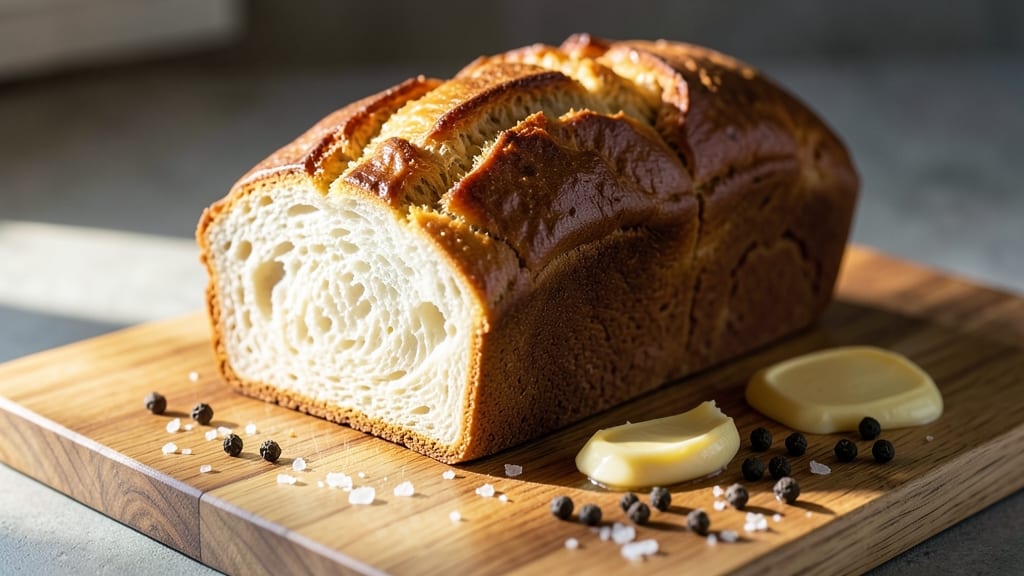
This bread machine hack transforms your loaves into extra-moist, restaurant-quality bread with just one simple addition: adding an egg to your bread machine recipe. 💛 The secret lies in how the egg's natural fats and proteins enrich the dough, creating a tender crumb and golden crust that rivals artisanal bakery bread—without the effort.
I’ve tested this technique dozens of times, and the results speak for themselves: bread that stays fresh for days and slices beautifully for toast or sandwiches.
The beauty of this method is its simplicity. You’ll use your bread machine’s standard settings, but the egg—added during the dough stage—works magic by binding the gluten more effectively and adding moisture that evaporates slowly during baking.
No special equipment or advanced skills are needed; just a few pantry staples and your trusty bread machine. The process is foolproof, and the payoff is a loaf that’s impossibly tender yet sturdy enough to hold up to your favorite fillings.
What you’ll achieve is a loaf with a velvety interior and a crisp, caramelized crust, thanks to the egg’s ability to trap steam during baking. The egg also enhances browning, giving your bread that irresistible golden hue.
This hack is especially useful for whole wheat or high-fiber breads, where moisture can be an issue, but it works wonders with classic white bread too.
Once you try this, you’ll never go back to plain bread machine recipes again. The egg’s subtle richness elevates every slice, making it perfect for breakfast toast, sandwiches, or even French toast. Let’s get started—your next loaf is about to get an upgrade.
Ingredients for adding egg to bread machine
Just eight staples transform your basic bread machine recipe into golden, moist loaves.
| Ingredient | Amount | Notes |
|---|---|---|
| Large Eggs 🥚 | 1 whole | Room temperature for best mixing |
| All-Purpose Flour 🌾 | 3 cups | Plus 1 tbsp for dusting |
| Granulated Sugar 🍚 | ¼ cup | Adjust for sweetness preference |
| Active Dry Yeast 🍞 | 2 ¼ tsp | Or 1 packet instant yeast |
| Warm Water 💧 | 1 cup | 110°F (43°C) ideal temperature |
| Unsalted Butter 🧈 | ¼ cup | Softened to room temperature |
| Salt 🧂 | 1 tsp | Kosher or sea salt preferred |
| Milk 🥛 | ½ cup | Any kind, room temperature |
| Olive Oil 🫒 | 1 tbsp | For greasing the pan |
| Cornmeal 🌽 | 1 tbsp | For dusting bread pan |
The egg is the game-changer here—use large eggs at room temperature for best results. Trader Joe's or Costco often have them pre-cracked for convenience, but grab whole eggs for this hack. The flour matters too: King Arthur or Gold Medal brands yield the most tender crumb. If you're making whole wheat, substitute half the all-purpose flour with whole wheat—just add an extra tablespoon of water since it absorbs more moisture. For the yeast, FreshPaks from grocery stores stay potent longer than jars, but check expiration dates rigorously since old yeast kills flavor.
No eggs? Replace with 1/4 cup unsweetened applesauce or mashed banana—it won't give the same structure but adds moisture. Running low on butter? Substitute with olive oil or coconut oil at the same amount, though butter gives that signature richness. The milk can be any kind—whole, 2%, or even almond milk—but room temperature is key for proper yeast activation. For a lighter loaf, add 1 tsp baking powder to the flour mix. And if you're using a bread machine pan, grease it lightly with olive oil before adding dough for easy removal—trust me on this one.
Store-bought bread dries out fast, but this egg-enriched loaf stays fresh for 5-7 days wrapped in a clean kitchen towel. For longer storage, freeze slices in a ziplock bag for up to 3 months. The egg trick works especially well for French toast or garlic bread—the extra moisture prevents those slices from turning gummy. Pro tip: Toast the bread right after baking while it's still warm for maximum crispiness. And if you're making sandwiches, lightly butter the toasted bread to keep fillings from sticking.
Why You'll Love This Recipe
- No-Fuss Magic: I swear, this recipe is the kind of thing that makes you question why you ever baked bread by hand. Toss in the eggs, flour, and yeast—your bread machine does the rest while you sip coffee. The egg adds a tender crumb that’s so much better than dry store-bought loaves.
- Sweet & Soft Payoff: That single egg transforms plain bread into something almost cake-like—moist, slightly richer, and just sweet enough to satisfy a craving. Honestly, the sugar caramelizes just enough to give it a subtle depth, like a hug from your grandma’s kitchen.
- Leftovers That Last: This bread stays fresh for days, which means breakfast sandwiches, toast for lunch, or midnight snacks—no sad, stale ends here. Between us, I’ve had it for five days straight and it’s still soft enough to cut with a butter knife.
- Budget Breakfast Boost: Eggs and flour are cheap staples, and this recipe stretches them into something special. I make two loaves at once, freeze one, and always have a backup for hectic mornings. Plus, the yeast? A pinch goes a long way—no wasted dough here.
Step-by-step instructions for bread machine hack with extra-moist loaves
Here's how to transform your bread machine recipe into a perfectly moist loaf every time.
👨🍳 Step 1: Prepare the Egg for Maximum Moisture
Start by separating the large egg into its components. Crack the egg into a small bowl, separating the yolk from the white. The yolk contains most of the moisture and fat that will enrich your bread. Discard the white or save it for another recipe—it won't contribute to the bread's texture.
Gently whisk the egg yolk until smooth, then set it aside. Here's the thing—you'll only need about 1 tablespoon of the yolk for this recipe. I like to save the rest for another use or discard it carefully. The yolk's richness is what makes this hack work, so don't skimp on this step.
🍳 Step 2: Mix Wet Ingredients Before Adding to Bread Machine
In a separate bowl, combine the 1 cup warm water (should feel like bathwater, around 110°F), the 1 tablespoon olive oil, the 0.5 cup milk, and the 1 tablespoon egg yolk. Whisk everything together until fully incorporated. This pre-mix ensures even distribution of moisture throughout the dough.
Next, add the 0.25 cup softened unsalted butter to the wet ingredients. Mix until the butter melts completely and the mixture becomes smooth. The butter adds fat that helps create a tender crumb and prevents the bread from drying out. If the mixture looks too thick, add 1 teaspoon more warm water to loosen it.
👨🍳 Step 3: Combine with Dry Ingredients in the Bread Machine
In the bread machine pan, combine the 3 cups all-purpose flour (plus 1 tablespoon for dusting), the 0.25 cup granulated sugar, the 2.25 teaspoons active dry yeast, and the 1 teaspoon salt. Stir gently with a wooden spoon to distribute the dry ingredients evenly.
Create a well in the center of the dry ingredients and pour in the wet mixture you prepared earlier. Use the wooden spoon to gently combine everything until just mixed. The dough should come together into a shaggy mass—don't overmix or you'll develop too much gluten, which can make the bread tough.
⏰ Step 4: Set Up the Bread Machine for Optimal Results
Lightly grease the inside of the bread machine pan with a bit of olive oil, then sprinkle 1 tablespoon cornmeal evenly over the bottom. This prevents the dough from sticking and helps create a crispy bottom crust. Place the dough in the pan and position it according to your bread machine's instructions.
Select the "Basic White Bread" setting on your bread machine. I've found this setting works best for achieving a tender crumb with our added moisture. The machine will automatically knead, rise, and bake the bread for you. Watch for the dough to rise noticeably during the kneading phase—this is your signal that the yeast is active and working properly.
🥖 Step 5: Check for Perfectly Moist Bread
When the bread machine finishes its cycle, remove the loaf immediately and let it cool on a wire rack for at least 30 minutes. The cooling period is crucial—it allows the bread to set properly and prevents a gummy texture. You'll know it's cooled enough when you can handle it without burning your fingers.
Here's what you're aiming for: a loaf with a golden-brown crust that's crispy on the outside but gives way to a soft, moist interior. When you slice into it, the crumb should look even and tender, not dry or crumbly. If the bread feels too dense, it might need a slightly longer rise next time. But with this egg yolk hack, you'll get that bakery-style moisture every time!
Pro Tips For Making Adding Egg To Bread Machine
- Weigh the Eggs: If your recipe calls for "large" eggs but you’re stuck with mediums, don’t guess—weigh them. Two medium eggs equal about 1.5 large eggs by weight, and your dough’s texture will thank you for the precision. (I learned this after making a dense, gummy loaf with undermeasured eggs.)
- Add Sugar Last: Dissolve the yeast in warm water first, then mix in flour and egg—then add sugar. Sugar slows yeast activation, and if you dump it all in at once, your dough might rise sluggishly. Trust me, the difference in lift is noticeable.
- Skip the Overmixing: Once the egg is in, mix just until combined—no need to knead it like pizza dough. Overworking the dough with the egg will make it tough. Let the bread machine do the heavy lifting; your arms will thank you later.
- Use Room-Temp Eggs: Cold eggs can chill the dough, slowing fermentation and making the yeast work harder. Crack them into a bowl 10 minutes before adding to the machine—warm eggs blend smoothly and keep the dough’s temperature consistent. (Yes, even if you’re impatient like me.)
Dietary considerations for these flavors
Egg Allergy Alternatives
If someone in your household has an egg allergy, fear not—this hack still works! Swap the 1 tablespoon egg yolk with ¼ cup unsweetened applesauce or ¼ cup mashed ripe banana. Both add moisture without the allergen risk.
For texture, add 1 teaspoon ground flaxseed mixed with 2 tablespoons water (let it sit for 5 minutes to thicken) as a binder. Always check labels on store-bought ingredients like applesauce to avoid cross-contamination. 💛
Vegan Substitutes
For a vegan version, replace the egg yolk with ¼ cup silken tofu blended until smooth. The tofu mimics the fat content of eggs while keeping the bread tender. Another great option is 1 tablespoon aquafaba (chickpea brine), which acts as a binder.
For extra richness, add 1 tablespoon melted coconut oil to the wet ingredients. These substitutes ensure your bread stays moist without compromising structure. ✨
Gluten-Free Adaptations
To make this recipe gluten-free, use a 1:1 gluten-free flour blend (like Bob’s Red Mill or King Arthur) instead of all-purpose flour. Add 1 extra tablespoon of water since gluten-free flours absorb more moisture.
For binding, include 1 tablespoon psyllium husk powder mixed with the dry ingredients—it mimics gluten’s elasticity. The egg yolk still works wonders here, but if avoiding eggs entirely, use ¼ cup vegan yogurt or 1 tablespoon melted vegan butter. 🌱
Keto-Friendly Tweaks
For a low-carb/keto version, skip the sugar entirely and reduce the flour to 2 cups. Replace the remaining 1 cup flour with 1 cup almond flour or coconut flour (note: coconut flour absorbs more liquid—use ¼ cup plus 1 extra egg white for binding).
The egg yolk remains a key ingredient for moisture. Add 1 tablespoon erythritol or monk fruit sweetener if you prefer a touch of sweetness. This adaptation keeps the bread tender while cutting carbs dramatically. 💪
High-Altitude Adjustments
At elevations above 3,500 feet, yeast activates slower due to lower air pressure. Increase the yeast to 2.5 teaspoons and add 1 tablespoon extra warm water to compensate. The egg yolk’s moisture helps balance the drier environment, but monitor the dough closely—it may rise faster.
If using a Panasonic or KitchenAid bread machine, select the "Quick Bread" setting for better altitude adaptation. Always check the dough after 30 minutes of kneading to ensure it’s properly hydrated. ⚡
Nutrition facts
Frequently asked questions
Why does adding egg make bread machine bread so much moister?
The egg yolk contains natural fats and proteins that bind water molecules, creating a tender crumb structure. These components also slow moisture evaporation during baking, keeping your loaf soft for days. The white isn't needed—just the yolk's richness does the magic!
Can I use whole eggs instead of just the yolk?
While you can use a whole egg, it may make your dough too wet—stick to just 1 tablespoon yolk for perfect texture. Too much liquid can cause the bread to collapse or develop a gummy texture. The yolk's fat content is what creates that bakery-style moisture without overhydrating.
Will this work with whole wheat or gluten-free bread?
The egg hack works especially well with whole wheat (add 1 extra tbsp water) or gluten-free flours (use a 1:1 blend + 1 tbsp psyllium husk). The yolk compensates for these flours' tendency to dry out. For gluten-free, grease your pan extra well to prevent sticking.
What if my bread machine has a "no egg" warning?
Most bread machines don't have hard restrictions—just add the egg yolk to your wet ingredients before mixing. If concerned, use the "dough" setting first, then bake separately. The key is mixing thoroughly so the yolk distributes evenly. Never add raw egg directly to the machine pan.
How do I know when my egg-enriched bread is fully baked?
Look for a golden-brown crust and listen for the machine's "done" chime. Tap the bottom—the sound should be hollow, not dull. If unsure, use an instant-read thermometer: the internal temperature should reach 190-200°F. Overbaking dries out the egg's moisture benefits!