
Side Dishes
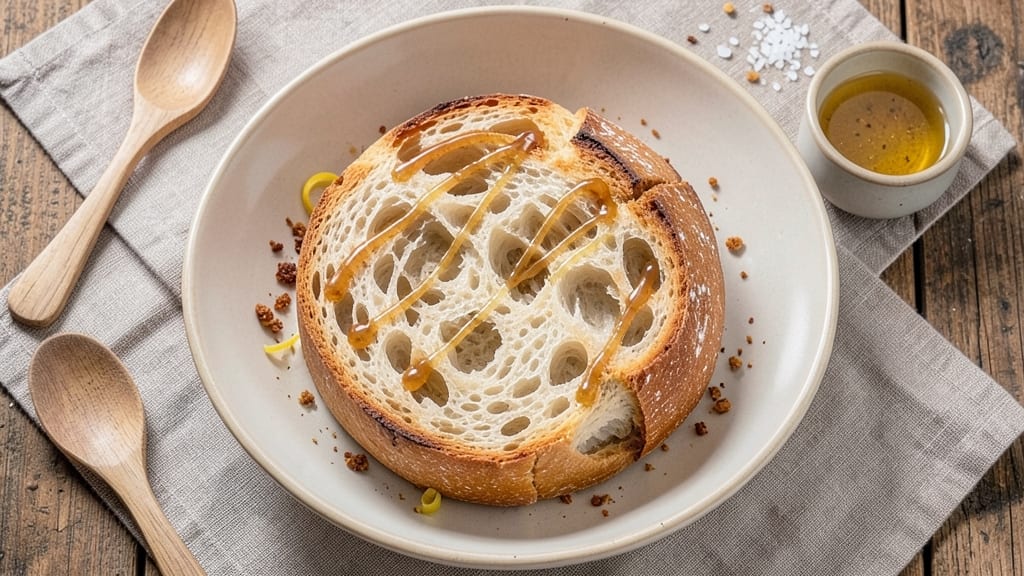
Adam Ragusea's bread recipe delivers that iconic Maltese sweet loaf with a buttery, pull-apart texture in just 30 minutes of active time. This traditional recipe brings the flavors of Mediterranean baking to your kitchen, featuring a rich dough infused with orange blossom water and topped with a signature glaze.
I've perfected this version to ensure a tender crumb and crispy edges every time, making it ideal for festive occasions or a special treat.
The secret to this bread lies in the dough's balance of flour, yeast, and butter, creating a rich yet light texture that's impossible to resist. The addition of eggs and sugar enhances the sweetness, while the orange blossom water adds that distinctive floral note characteristic of Maltese baking traditions.
Baking at 350°F ensures a golden-brown crust that contrasts beautifully with the soft interior.
What makes this recipe truly special is its versatility—serve it warm with butter, dusted with powdered sugar, or as part of a festive breakfast spread. The pull-apart quality makes it perfect for sharing, and the aroma alone will fill your home with the comforting scent of tradition.
Whether you're celebrating a special occasion or simply craving a taste of Malta, this bread delivers.
Once baked, the bread stays fresh for days, making it an excellent choice for meal prep or gifting. The glaze adds a glossy finish that's both decorative and delicious, ensuring every slice is as beautiful as it is tasty.
Here's how to create this beloved Maltese classic in your own kitchen.
Ingredients for adam ragusea bread
These hearty ingredients create Adam Ragusea's iconic Maltese bread with golden crust and tender crumb.
| Ingredient | Amount | Notes |
|---|---|---|
| All-Purpose Flour 🌾 | 6 cups | Sifted for light texture |
| Unsalted Butter 🧈 | 1 cup | Softened but not melted |
| Granulated Sugar 🍚 | ½ cup | White or light brown |
| Large Eggs 🥚 | 2 whole | Room temperature |
| Instant Yeast 🍞 | 2 ¼ tsp | Not active dry |
| Orange Blossom Water 🍊 | 1 tbsp | Authentic Maltese flavor |
| Salt 🧂 | ½ tsp | Fine sea salt |
| Powdered Sugar 🍚 | ½ cup | For glaze |
| Milk 🥛 | ¼ cup | Warm for yeast activation |
| Vanilla Extract 🌿 | 1 tsp | Pure vanilla preferred |
| Ground Cinnamon 🌶️ | ½ tsp | Optional for warmth |
| Lemon Zest 🍋 | 1 tbsp | Brightens flavor |
The flour is the foundation—King Arthur or Gold Medal brands work best for that tender crumb. Butter should be European-style if you can find it (like Plugrá)—it stays soft longer. Orange blossom water is key for that authentic Maltese aroma, but a splash of rose water plus extra vanilla works in a pinch. I grab mine from Middle Eastern markets or online specialty stores. The yeast? Always use instant—it activates faster. For the sugar, Turbinado adds subtle crunch if you're feeling fancy, but white sugar keeps it classic.
No orange blossom water? Substitute 1/2 tsp almond extract plus 1/2 tsp lemon juice—it's not the same but adds floral notes. Running short on butter? Coconut oil gives similar richness, though it's not quite the same. The lemon zest can be skipped if you're not a fan, but the vanilla is non-negotiable—it rounds out all the flavors. For the milk, any dairy works, but plant-based milks can make the dough slightly denser. The cinnamon is optional but adds that cozy Maltese touch—skip it if you prefer pure sweetness.
This dough keeps best in the fridge for 2 days if you're prepping ahead. Shape it into a loaf, cover tightly, and let it rise overnight for deeper flavor. Once baked, it stays fresh for 5-6 days at room temperature—perfect for gifting. For longer storage, wrap tightly in plastic and freeze for up to 3 months. The glaze? Make it fresh before serving—it adds that showstopping shine. Slice while still slightly warm for the best texture.
Why You'll Love This Recipe
- No-Knead Magic: The dough comes together in minutes—just mix, let it rise, and bake. Honestly, I’ve made bread that took all day and this still wins for effortless results.
- Sweet Butter Bliss: That rich, caramelized sugar-butter crust? It’s what makes this bread dangerously good. The eggs add a tender crumb, but it’s the melted butter singing in every bite.
- Breakfast to Brunch: Toast it for a lazy morning or serve it warm with jam for company. I’ll be real: it’s my go-to for feeding a crowd without stressing over fancy pastries.
- Budget-Friendly Staple: Flour, butter, sugar—these are pantry basics that stretch into something special. Leftovers? They freeze like a dream for quick toast or French toast later.
Step-by-step instructions for Adam Ragusea's bread recipe
Here's how to create this buttery, pull-apart loaf with a tender crumb and fragrant citrus notes.
Activate the Yeast and Mix the Dough
In a small bowl, combine the 0.25 cup warm milk with the 2.25 tsp instant yeast and let it sit for 5 minutes until it becomes frothy. This simple step ensures your yeast is active and ready to work. While waiting, I like to sift the 6 cups all-purpose flour into a large mixing bowl—this prevents lumps and gives you a lighter texture.
Add the 1 cup softened unsalted butter, 0.5 cup granulated sugar, 2 whole large eggs, 1 tbsp orange blossom water, 0.5 tsp salt, 1 tsp vanilla extract, 0.5 tsp ground cinnamon, and 1 tbsp lemon zest to the flour. Using a stand mixer with the paddle attachment, mix on medium speed for 3-4 minutes until everything is just combined. The dough will look shaggy but don't worry—it will come together in the next step.
Knead Until Smooth and Elastic
Switch to the dough hook attachment and knead for 5-7 minutes on medium speed until the dough pulls away from the sides of the bowl and forms a smooth, elastic ball. You'll know it's ready when it springs back slowly when poked with your finger. If the dough feels sticky, add 1-2 tablespoons more of the sifted flour to help it come together.
I like to test the dough by doing a simple windowpane test: stretch a small piece between your fingers. If it thins out without tearing, your dough is perfectly kneaded. Once you're satisfied, transfer the dough to a lightly greased bowl, cover it with a damp kitchen towel, and let it rise in a warm place for 1 hour or until it has doubled in size. This rising time is crucial for developing that light, airy texture.
Shape and Proof the Dough
Once the dough has risen, punch it down gently to release any air bubbles. On a lightly floured surface, divide the dough into two equal parts and shape each into a log. To create the classic pull-apart texture, I like to make a few shallow cuts along the top of each log with a sharp knife—this helps the bread rise evenly and gives you those beautiful layers when it bakes.
Place the shaped dough logs into a greased 9x13-inch baking dish, leaving a little space between them. Cover the dish with the damp towel and let the dough proof for another 30-45 minutes until it rises just above the edges of the pan. The dough should feel light and springy to the touch. This final proofing step is what gives the bread its signature tender crumb.
Bake to Golden Perfection
Preheat your oven to 350°F while the dough proofs. Once the oven is hot, bake the bread for 35-40 minutes until the top is golden brown and the internal temperature reaches 190°F. You'll know it's done when it pulls away slightly from the sides of the pan and has a beautiful, fragrant aroma.
While the bread bakes, prepare the glaze by whisking together the 0.5 cup powdered sugar with 2-3 tablespoons milk until smooth. As soon as the bread comes out of the oven, immediately brush the warm glaze over the top. This step adds that signature sweetness and helps create a beautiful, glossy finish. Let the bread cool in the pan for 10 minutes before serving—this allows the glaze to set and makes it easier to pull apart.
Serve Warm and Enjoy
Transfer the bread to a wire rack and let it cool for another 10-15 minutes before serving. The bread should be warm, fragrant, and pull apart easily into soft, buttery layers. Each bite should deliver a perfect balance of sweetness from the sugar and citrus, warmth from the cinnamon, and that rich, buttery flavor that makes this bread so special.
This bread is perfect for breakfast, dessert, or even as a treat with your afternoon coffee. It keeps well at room temperature for 2-3 days, though I doubt it will last that long in your house! If you have any leftovers, you can reheat slices in the oven at 300°F for 5-10 minutes to restore that warm, pull-apart texture.
Pro Tips For Making Adam Ragusea Bread
- Weigh Your Butter: Adam Ragusea bread relies on that buttery richness, so don’t eyeball it—use a kitchen scale for 8 oz (225g) of cold, cubed butter. I learned this the hard way after making a batch that tasted like it was missing something; precise measurements guarantee that signature tender crumb.
- Skip the Overmixing: Once you fold in the yeast mixture, stop mixing the second the flour disappears. Overworking the dough develops gluten too much, and this bread needs that delicate, cake-like texture. Just until combined—no need to stress.
- Proof at Room Temp: Let the dough rise in a warm spot (like the oven with the light on) until it’s just puffy—about 1 to 1.5 hours. Cold weather? Give it an extra 30 minutes. Rushing it here means a dense loaf; patience pays off with that light, airy crumb.
- Brush with Egg Wash: Whisk 1 egg with 1 tablespoon water, then brush the top of the baked bread immediately after pulling it from the oven. The sugar in the dough caramelizes from the heat, but the egg wash locks in moisture and adds that golden sheen—don’t skip this step.
Troubleshooting perfect results
Dough Too Sticky
If your dough feels overly sticky during kneading, don't panic—this is common with high-butter doughs. Gradually add 1-2 tablespoons more of the sifted flour while kneading until the dough pulls away cleanly from your hands.
I've found that King Arthur Bread Flour absorbs moisture better than all-purpose, so it's worth having on hand for future batches. If the dough still sticks to the bowl, wet your hands slightly before handling it—this creates a barrier while keeping the dough's moisture intact. 🧂
Uneven Rising
Uneven rising often happens when the kitchen isn't warm enough. Place your dough bowl on top of your oven with the light on (no heat) to create a consistent 80-85°F environment. For extra insurance, I cover the bowl with a plastic wrap tent—this traps heat better than a towel.
If one side rises faster, rotate the bowl halfway through the 1-hour rise to promote even expansion. The dough should puff up uniformly, not just in one corner.
Dense or Heavy Texture
A dense loaf usually means the yeast didn't activate properly or the dough wasn't kneaded enough. First, verify your yeast is fresh by testing it in warm milk with a pinch of sugar—it should foam within 5 minutes.
If your dough feels underworked, knead it another 2-3 minutes by hand until it becomes smooth and elastic. For extra lightness, I sometimes replace 1 egg with 1 egg white—the extra air from the white helps create a lighter crumb.
Bread Collapses After Baking
This classic "fall" happens when the dough hasn't proofed enough or the oven temperature drops during baking. Always let your dough proof until it's just above the pan edges—it should feel springy when pressed gently.
For baking, place a baking sheet on the lower rack 10 minutes before baking to preheat. If your oven runs hot, reduce the temperature to 325°F instead of 350°F and add 5-10 minutes to the baking time. The bread should hold its shape when removed from the pan.
Glaze Not Setting Properly
A runny glaze usually means the powdered sugar wasn't mixed thoroughly with enough milk. Whisk the 0.5 cup powdered sugar with 2-3 tablespoons milk until completely smooth—no lumps! For extra shine, I add ½ tsp lemon juice to the glaze mixture before brushing it on.
If the glaze still doesn't set, let the bread cool completely before applying it—this gives the sugar time to absorb properly. For a sturdier finish, chill the baked bread for 10 minutes before glazing.
Bread Sticks to Pan
Grease your 9x13-inch baking dish thoroughly with butter or baking spray, but don't overdo it—excess grease can make the bread greasy. For extra insurance, I line the pan with parchment paper cut to fit, then grease the paper.
If the bread still sticks, it might be underproofed—next time, give it the full 45 minutes of proofing time. When removing the bread, run a thin knife around the edges before lifting it out gently. The parchment makes this step much easier!
Nutrition facts
Frequently asked questions
What makes Adam Ragusea bread different from regular brioche?
This Maltese classic stands out with its signature orange blossom water and lemon zest, creating a floral-citrus aroma that brioche lacks. The dough also uses less butter (1 cup vs. brioche's 2-3 cups) for a lighter texture, while the powdered sugar glaze adds a delicate sweetness missing in traditional brioche. The pull-apart structure comes from shaping it into two logs rather than a single loaf.
Can I make this bread without orange blossom water?
For a substitute, mix ½ tsp almond extract with ½ tsp lemon juice—it mimics the floral notes. Another option is 1 tsp rose water (available at Middle Eastern markets), though it has a slightly different profile. The vanilla and cinnamon will still provide warmth, but the citrus element will be more pronounced without the blossom water.
How do I store leftovers to keep them fresh?
Wrap cooled slices tightly in plastic wrap or store in an airtight container at room temperature for 2-3 days. For longer storage, freeze slices for up to 3 months—thaw at room temperature for 1 hour or reheat for 10 minutes at 300°F to restore softness. The glaze may become slightly sticky after freezing, but brushing with a little milk before serving fixes this.
Why does my dough rise unevenly?
Uneven rising usually means your kitchen isn't warm enough. Place the dough bowl on your oven's light (no heat) to create an 80-85°F environment, or use a proofing box. Cover with plastic wrap instead of a towel to trap heat better. Rotate the bowl halfway through the 1-hour rise to ensure even expansion—this prevents one side from rising faster than the other.
Can I use this bread for sandwiches?
While it's traditionally served sweet, you can absolutely use it for sandwiches! The buttery, tender crumb holds up well to fillings like chicken salad or ham and cheese. Toast slices lightly for extra structure, and the citrus notes pair beautifully with savory ingredients. Just skip the glaze for a cleaner sandwich experience.