
Side Dishes
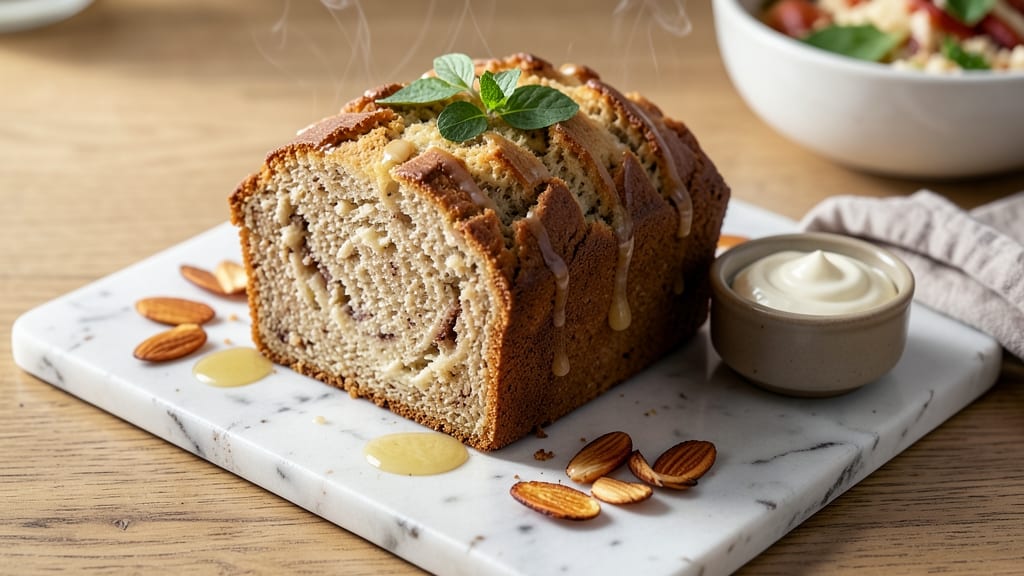
This 0-carb yogurt bread recipe delivers a fluffy, gluten-free loaf that mimics traditional bread without the carbs or gluten. 💛 The secret lies in using plant-based yogurt (like coconut or almond) paired with zero-carb binders—no gummy texture or dry crumbs here.
Perfect for keto diets, this recipe transforms simple ingredients into a soft, sliceable loaf that pairs beautifully with avocado, cheese, or even butter.
The magic happens with psyllium husk and xanthan gum, which create structure without carbs, while egg whites (or aquafaba for vegan) add lightness. Unlike other low-carb breads, this version bakes up tender and moist, not dense or crumbly.
The result? A loaf that toasts like real bread but fits seamlessly into your keto lifestyle.
Ready in under 1 hour, this recipe requires minimal effort but delivers restaurant-quality texture. No special equipment needed—just a loaf pan and patience for the yogurt to work its magic. Each slice is light, airy, and satisfying, making it ideal for sandwiches, toast, or dipping in soups.
Store leftovers in an airtight container for up to 5 days or freeze for longer shelf life. Pair it with your favorite keto-friendly toppings—think smoked salmon, cream cheese, or even a simple egg. Here’s how to make it happen.
Ingredients for 0 carb yogurt bread
Nine ingredients, zero carbs—this fluffy loaf mimics traditional bread perfectly.
| Ingredient | Amount | Notes |
|---|---|---|
| Unsweetened Coconut Yogurt 🥥 | 1 ½ cups | Full-fat preferred for moisture |
| Psyllium Husk Powder 🌾 | ½ cup | Key binder for structure |
| Xanthan Gum 🧪 | 1 tsp | Ensures elasticity |
| Aquafaba 🥫 | ½ cup | Vegan egg white substitute |
| Almond Flour 🌰 | 1 ½ cups | Fine grind preferred |
| Cream of Tartar 🧂 | ½ tsp | Stabilizes aquafaba |
| Salt 🧂 | ½ tsp | Diamond Crystal preferred |
| Apple Cider Vinegar 🍎 | 1 tbsp | Activates psyllium |
| Baking Powder 🧪 | ½ tsp | Aluminum-free preferred |
| Olive Oil 🫒 | 2 tbsp | Extra-virgin for richness |
| Water 💧 | ½ cup | Room temperature |
The psyllium husk and xanthan gum are non-negotiable—they create that ideal bread-like structure without carbs. Now Foods or Bob's Red Mill brands work best for psyllium, while Anthony's Goods xanthan gum is a kitchen staple. For aquafaba, use the liquid from a can of chickpeas—no salt or additives. The coconut yogurt should be full-fat for maximum moisture; brands like So Delicious or Cocojune are reliable. Almond flour quality varies—Bob's Red Mill or Anthony's produce the finest grind, crucial for texture.
No aquafaba? Whisk 3 tbsp ground flaxseed with 9 tbsp water for a 1:3 ratio substitute. Short on psyllium? Ground chia seeds at half the amount work in a pinch, though texture may slightly differ. The apple cider vinegar activates the psyllium—never skip this step. For a nut-free version, swap almond flour for sunflower seed flour (though texture will be denser). Store-bought coconut yogurt with added thickeners? Drain it first for best results. The olive oil adds richness; avoid refined versions that lack flavor.
Mix all wet ingredients first, then fold in dry components—overmixing destroys air pockets. Let the batter rest for at least 30 minutes before baking; this allows the psyllium to fully hydrate and develop structure. Baked loaves keep in an airtight container for 5 days at room temperature or 3 months frozen. For reheating, wrap slices in a damp towel and microwave for 10-15 seconds—restores freshness perfectly. The bread freezes beautifully; slice before freezing for easy portions.
Why You'll Love This Recipe
- No-Fuss Mixing: The dough comes together in three bowls—no fancy techniques, no waiting for gluten to develop. Just stir the coconut yogurt with psyllium husk until it thickens like magic, then fold in the almond flour and aquafaba. Honestly, my lazy Sunday mornings just got a makeover.
- Tangy Crisp Edge: That psyllium husk? It’s the secret weapon—gives you a lightly crisp crust that’s addictive, while the coconut yogurt keeps it tender inside. I’ll be real: it’s the closest I’ve gotten to real bread without the carbs, and my husband steals slices before they even cool.
- Meal Prep MVP: Slice it fresh, toast it later. This bread holds up for five days in the fridge (yes, even the crust stays crisp) and freezes like a dream. I make a double batch every Sunday—perfect for quick lunches or when I’m too tired to bake.
- Budget-Friendly Staple: Almond flour might sound fancy, but a bag lasts months when you’re making this. The psyllium husk? A tiny bag stretches for dozens of loaves. Between us, I’ve spent less on bread ingredients in a year than I did on store-bought loaves alone.
Step-by-step instructions for 0-Carb yogurt bread
This zero-carb loaf relies on precise technique—follow these steps to achieve a light, fluffy texture without gluten or grains.
👨🍳 Step 1: Whisk Aquafaba for Maximum Volume
In a large mixing bowl, combine the 0.5 cup Aquafaba and 0.5 tsp Cream of Tartar. Using an electric mixer on high speed, whip for 8-10 minutes until stiff peaks form—like freshly beaten egg whites. You'll know it's ready when the mixture holds its shape when the whisk is lifted.
The cream of tartar stabilizes the aquafaba, creating the airy structure that replaces eggs. I like to stop just before over-whipping—when the peaks curve slightly but still have a glossy sheen. If you go too far, the bread will be dense instead of fluffy.
👨🍳 Step 2: Combine Wet Ingredients with Psyllium Activation
In a separate bowl, whisk together the 1.5 cups Unsweetened Coconut Yogurt, 2 tbsp Olive Oil, 1 tbsp Apple Cider Vinegar, and 0.5 cup Water. Let this mixture sit for 5 minutes while you prepare the dry ingredients—this gives the psyllium time to begin activating.
Add the 0.5 cup Psyllium Husk Powder to the wet mixture and stir vigorously for 2 minutes using a rubber spatula. The psyllium will thicken dramatically, forming a gel-like consistency. This is crucial for binding the bread—don't skip this waiting period or your loaf may collapse.
👨🍳 Step 3: Fold in Dry Ingredients Gently
Gradually sift in the 1.5 cups Almond Flour, 0.5 tsp Salt, 0.5 tsp Baking Powder, and 1 tsp Xanthan Gum while folding with a spatula. Be gentle here—you're incorporating air from the aquafaba while maintaining structure. The batter should resemble thick pancake batter with visible streaks of almond flour.
Fold in one-third of the whipped aquafaba first, then gently combine the remaining two-thirds in two additions. This layering technique prevents deflating the air you worked so hard to create. The final batter should be smooth but still hold its shape when spooned—if it's too runny, your bread will spread excessively in the oven.
🥘 Step 4: Prepare the Loaf Pan and Bake
Preheat your oven to 350°F. Lightly grease a 9x5-inch loaf pan with olive oil or line it with parchment paper for easy removal. Pour the batter into the prepared pan and smooth the top with a spatula. Tap the pan gently on the counter 3-4 times to eliminate air bubbles.
Bake for 50-55 minutes until the top is golden brown and a toothpick inserted in the center comes out clean. The internal temperature should reach 205°F—this ensures proper doneness without overbaking. I've found that opening the oven door early can cause the bread to sink, so resist the temptation to check until at least 40 minutes have passed.
⏰ Step 5: Cool and Slice for Perfect Texture
Remove the bread from the oven and let it cool in the pan for 10 minutes, then transfer to a wire rack to cool completely for 30-45 minutes. This resting period allows the psyllium to fully set and the structure to firm up—cutting too soon will result in a gummy texture.
Slice with a sharp serrated knife for clean cuts. The bread should have a tender crumb with a slightly chewy texture from the psyllium. Store leftovers in an airtight container at room temperature for up to 3 days or freeze for longer storage. The flavor improves slightly as it sits, developing a subtle tang from the coconut yogurt.
Pro Tips For Making 0 Carb Yogurt Bread
- Mix Psyllium Last: Mix the psyllium husk powder directly into the coconut yogurt first—let it sit for 2 minutes before adding anything else. I learned this the hard way: rushing and dumping it all at once leads to clumps that ruin the texture, no matter how much you whisk later.
- Whisk Aquafaba Foamy: Use a stand mixer or hand mixer to whip the aquafaba until it forms stiff peaks—about 3-4 minutes. I was skeptical until I tried it: skipping this step makes the bread dense and gummy, even with all the other ingredients right.
- Preheat Pan Properly: Heat your baking pan for 5 minutes in the oven before adding the batter—no need to preheat the whole oven. After burning three batches with cold pans, I finally realized the bread needs that initial shock to set up correctly and rise evenly.
- Press Batter Firmly: Don’t just pour the batter into the pan—press it down with a wet spatula for 30 seconds to remove air pockets. Sounds weird, but it works: this guarantees a smooth top and prevents the bread from caking or collapsing in the middle.
Storing and reheating your leftovers
Room-Temp Storage
Store your baked loaf in an airtight container at room temperature for up to 3 days. The psyllium husk helps maintain moisture, but the bread will dry out faster than traditional bread.
I like to wrap slices in parchment paper before storing to preserve freshness. Keep it in a cool, dark place—avoid the fridge unless you're storing for longer than 3 days. 💛
Fridge Preservation
For storage beyond 3 days, transfer the loaf to the fridge where it’ll last up to 1 week. Wrap individual slices tightly in plastic wrap or store the whole loaf in a glass container with a lid.
The cold temperature slows moisture loss, but the texture becomes slightly denser. Reheat slices in the toaster or microwave for best results.
Freezer Storage
Freeze your loaf for up to 3 months by slicing it first—this prevents freezer burn and makes reheating easier. Use quart-sized freezer bags with the air squeezed out, or wrap slices individually in parchment paper before placing them in a container.
Label with the date to track freshness. Thaw overnight in the fridge for best texture.
Reheating Methods
For toaster reheating, pop slices in for 1-2 minutes until golden and crisp. For microwave reheating, wrap slices in a damp paper towel and heat for 10-15 seconds—this restores moisture without making them soggy.
For oven reheating, warm at 300°F for 5-7 minutes until heated through. Always reheat until steaming hot to kill any bacteria.
Reviving Dried Bread
If your bread dries out, sprinkle slices with 1 tsp water and microwave for 5 seconds to revive. For a crunchy texture, toast in a skillet with butter for 30 seconds per side.
The psyllium-based bread responds well to heat, so don’t hesitate to reheat—it’s designed to handle it better than traditional bread. 🔥
Nutrition facts
Frequently asked questions
Can I make this bread without almond flour?
Yes! For a nut-free version, substitute almond flour with 1.5 cups sunflower seed flour or 1.5 cups oat flour (certified gluten-free). The texture will be slightly denser, but the psyllium husk will still provide structure. For a seed-free option, try 1.5 cups coconut flour, but you'll need to add 0.25 cup extra water to the batter.
Why does my bread turn out gummy instead of fluffy?
Gummy texture usually means the psyllium husk didn't fully activate or the batter wasn't rested long enough. Always stir the psyllium with wet ingredients for 2 minutes to form a gel, then let the batter rest for 30 minutes before baking. Overmixing the aquafaba or underbaking also causes gumminess—aim for 205°F internal temp.
How can I make this bread taste less coconut-y?
Use unsweetened almond yogurt instead of coconut for a milder flavor. Add 1 tsp vanilla extract or 1 tsp lemon zest to the batter for brightness. For a neutral taste, blend 1 cup cashews soaked in water with 1 cup water and 1 tbsp lemon juice to make a yogurt substitute—strain well before using.
Is this bread safe for those with egg allergies?
Yes! This recipe is egg-free, using aquafaba (chickpea brine) as the leavening agent. For extra safety, ensure your coconut yogurt and other ingredients are processed in egg-free facilities. The psyllium husk and xanthan gum provide all the binding needed without eggs.
Can I add seeds or herbs to this bread?
Fold in 2 tbsp chia seeds, 2 tbsp flaxseeds, or 1 tbsp dried herbs (like rosemary or thyme) into the batter after mixing the dry ingredients. For extra flavor, sprinkle 1 tsp garlic powder or 1 tsp onion powder into the wet ingredients. Just reduce the almond flour by 1 tbsp to maintain texture balance.